Avalanche probe
An aluminium or carbon probe, lengths from 240 to 320 cm, and why the avalanche probe is as important as the transceiver — plus all the other things you can use it for.
102 articles

Heading out on a trip and missing what you need? Or wondering whether your rucksack is big enough, which stove to choose, or whether you have to buy new boots now?
Almost all the equipment you need you can borrow, hire or buy second-hand. It is nearly always cheaper, and usually more sustainable.
The common mistake is to buy in order to be ready for extreme trips you rarely do. A 75-litre mountain rucksack is overkill for a day trip. A winter sleeping bag rated down to −30 °C is too expensive and too warm for a summer tent trip.
A practical rule: buy for what you actually do over the next 2–3 years, not for what you dream of doing.
Depends on the trip:
Rucksack → · Day-trip rucksack → · Walking rucksack → · Long-trip rucksack →
The piece of equipment that matters most for comfort:
Boots → · Mountain boot → · Trail shoe → · Wellington boot →
For overnight stays:
What you actually take on your particular trip is a packing-list job, not an equipment job. We have our own ready-made lists:
Packing lists → · What goes in the rucksack →
The most underrated practice in Norwegian friluftsliv:
For easily accessible equipment in your district: check county and municipal lending schemes. It varies a great deal geographically.
Borrow, hire or buy second-hand →
Equipment lasts longer if it is maintained:
Maintenance of trip equipment → · Repair category →
Text: Gina Wigestrand, Snuitide (2021), revised 2026.
Key resources: Norwegian hire schemes vary regionally — check DNT, local clubs and the municipality.
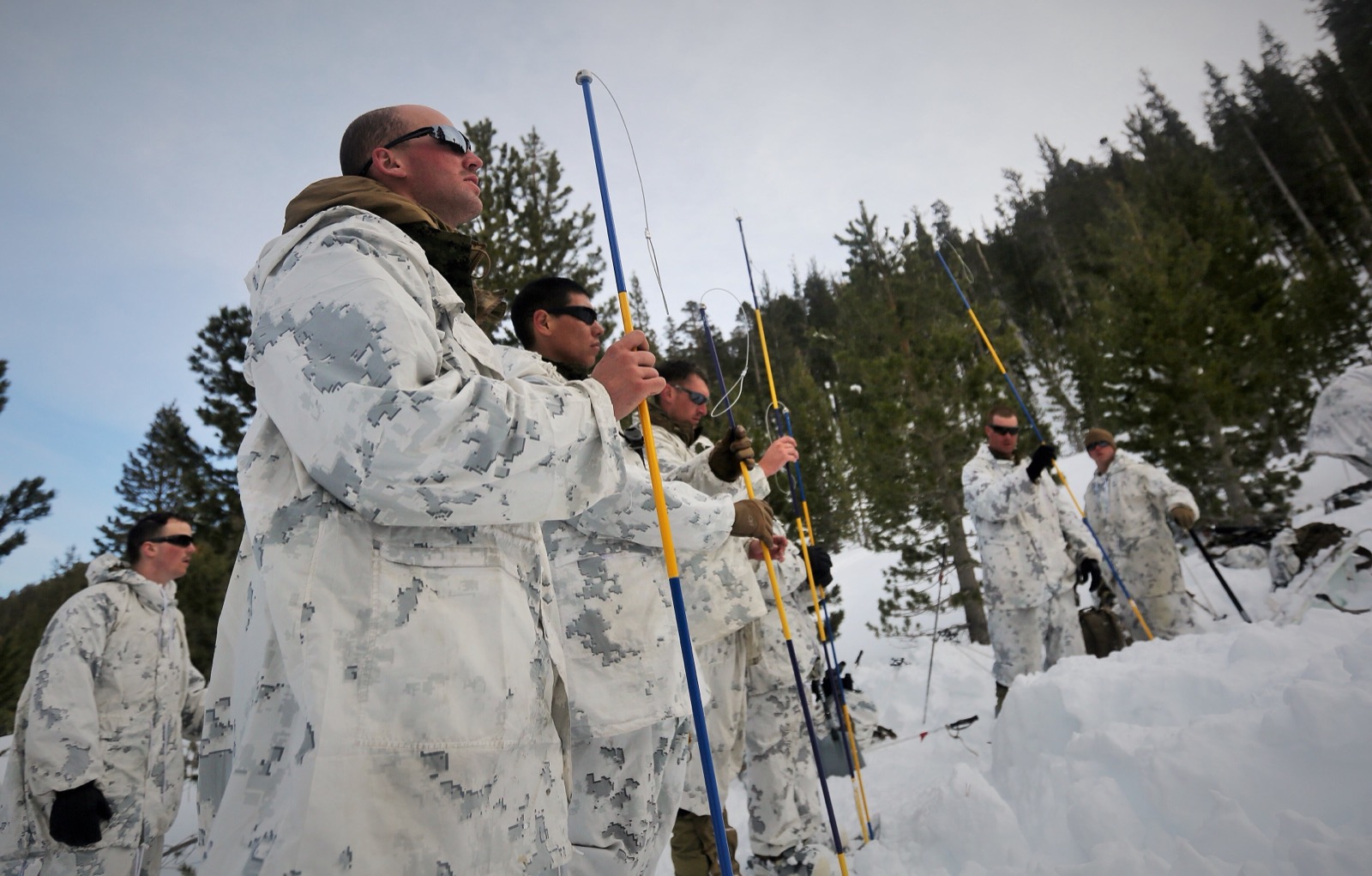
An aluminium or carbon probe, lengths from 240 to 320 cm, and why the avalanche probe is as important as the transceiver — plus all the other things you can use it for.
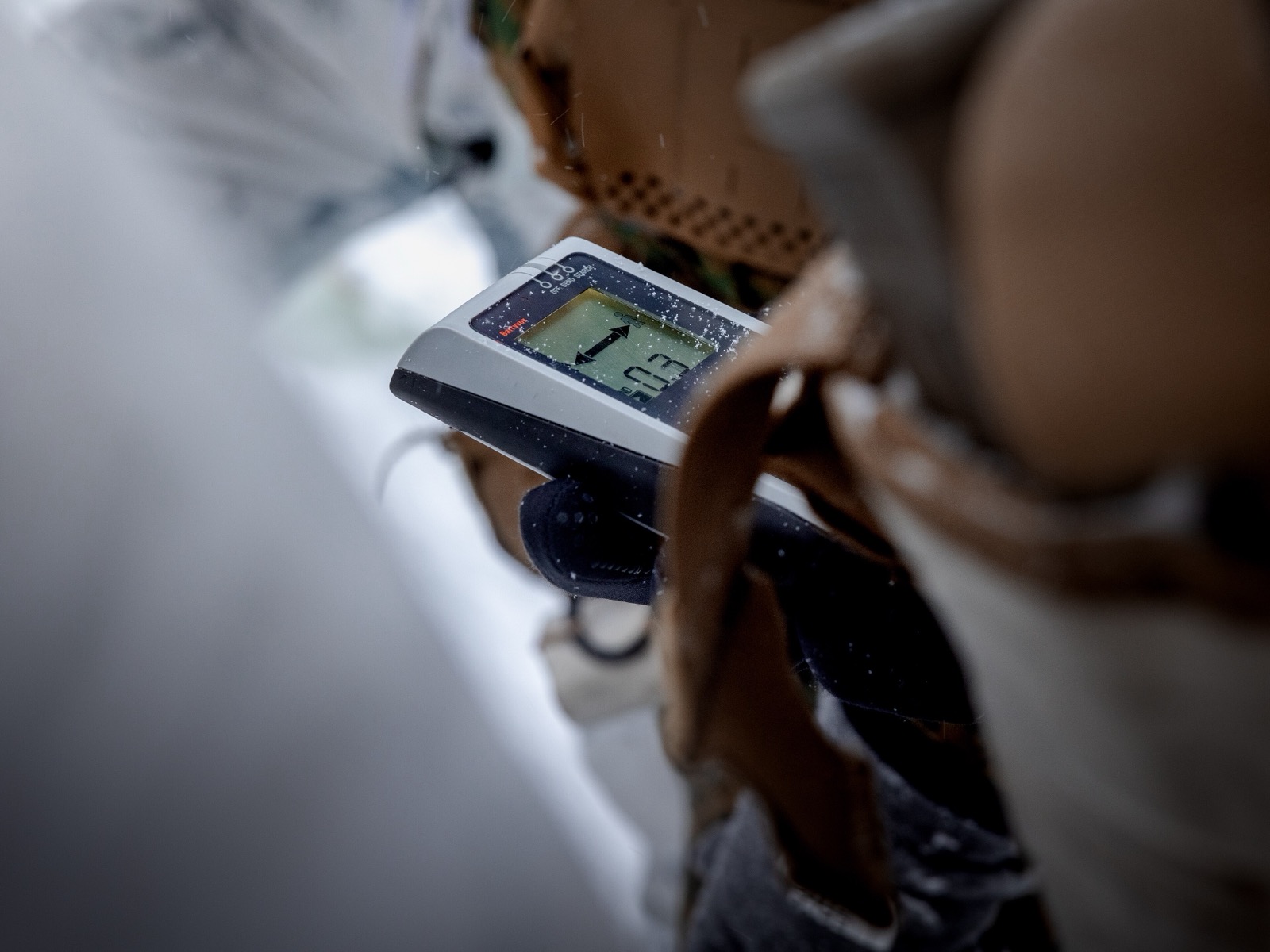
A transmit/receive unit is mandatory in avalanche terrain. The three-antenna standard, batteries and reading them in the cold, where to carry it, and why the kit is worthless without practice.
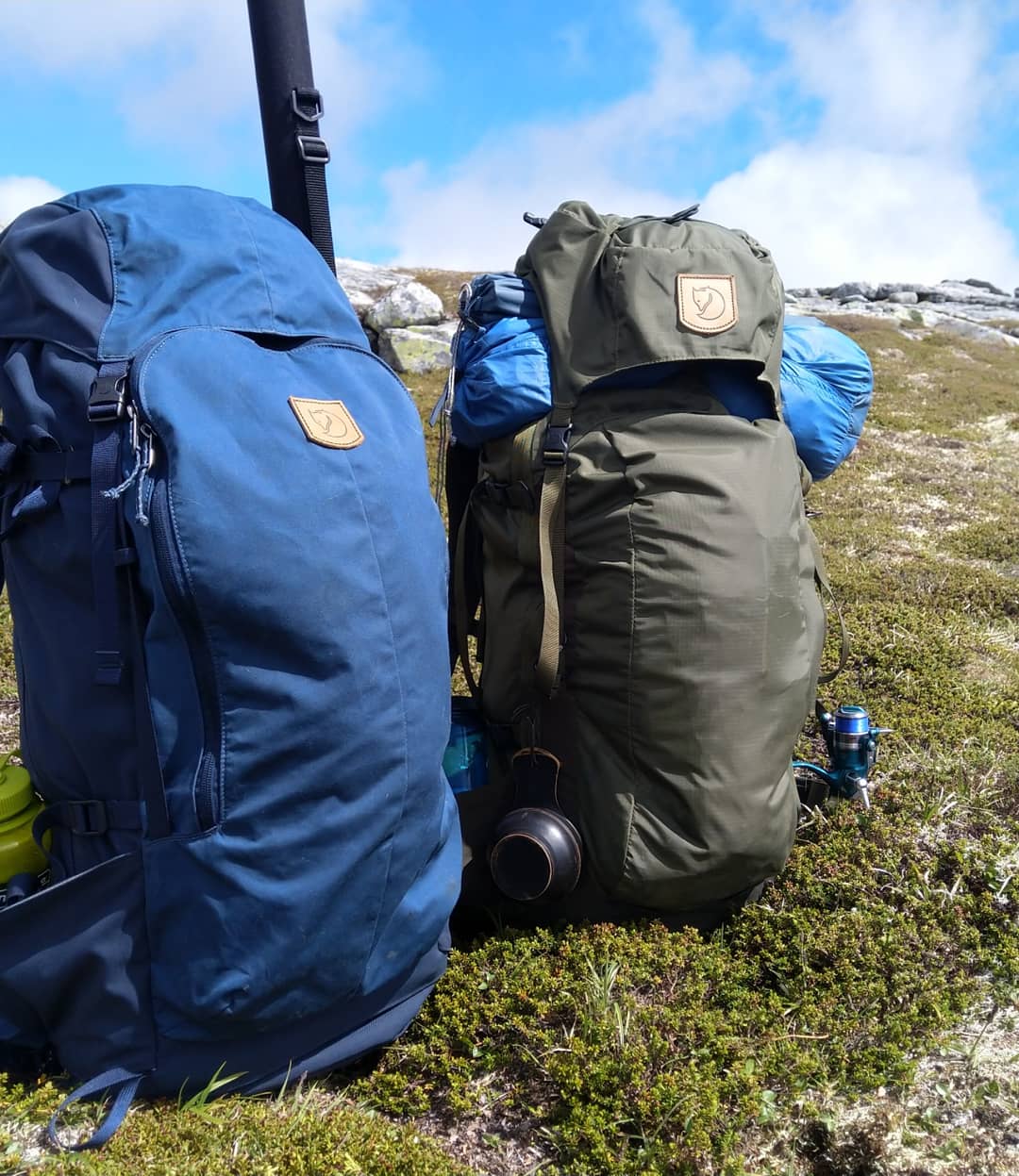
How to choose a backpack: what to consider, and types by trip length — from day trip to expedition.
The innermost layer against the skin — wool underwear, T-shirts and light first layers. Materials, weight classes and why cotton is banned on a tur.
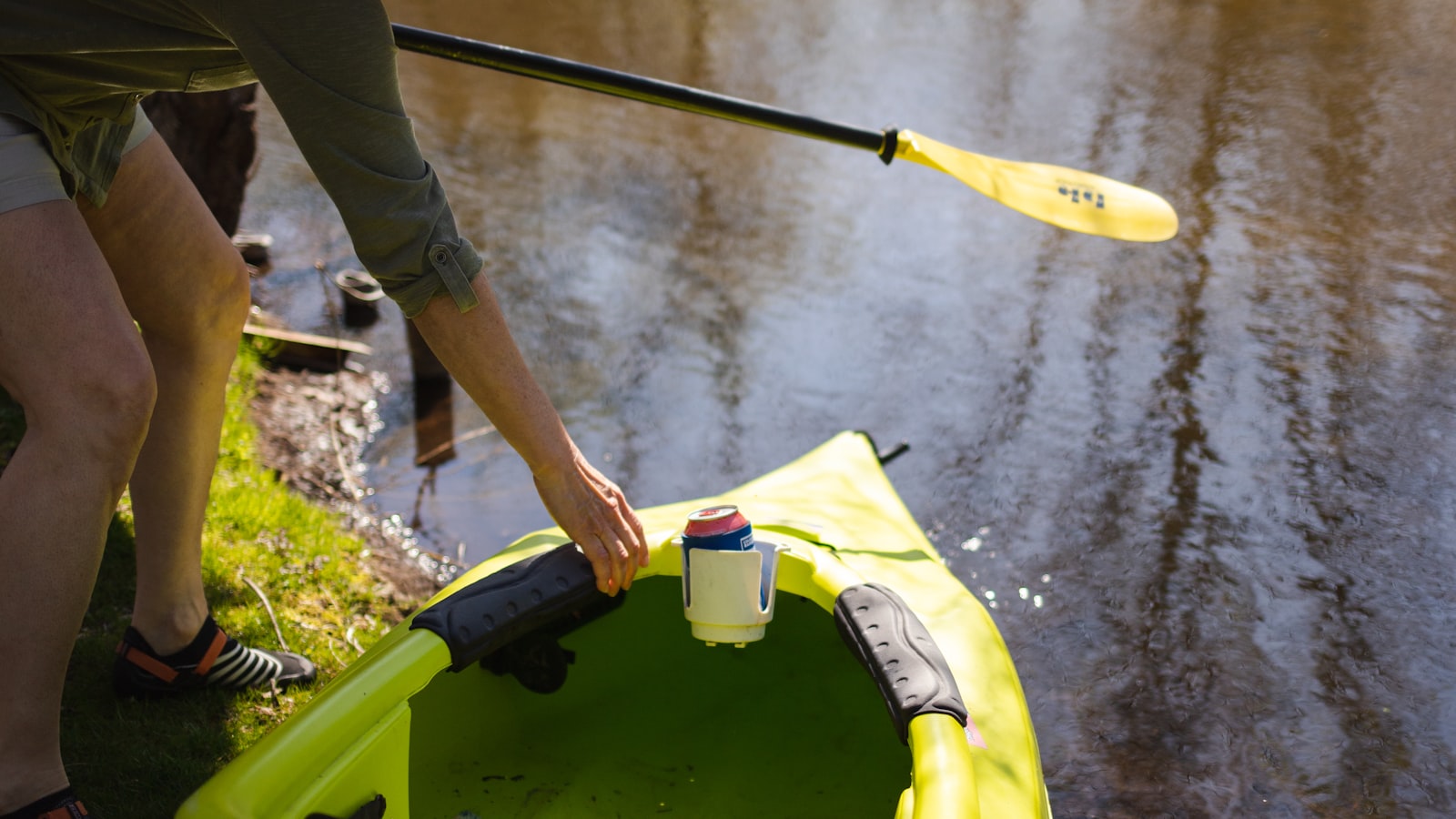
After a capsize and rescue, there are 40-60 litres of water in the cockpit. The bilge pump is what empties the kayak so you can keep paddling. Here is how to understand handheld vs fixed-mount, and why you should practise pumping in the dry before your first real capsize.
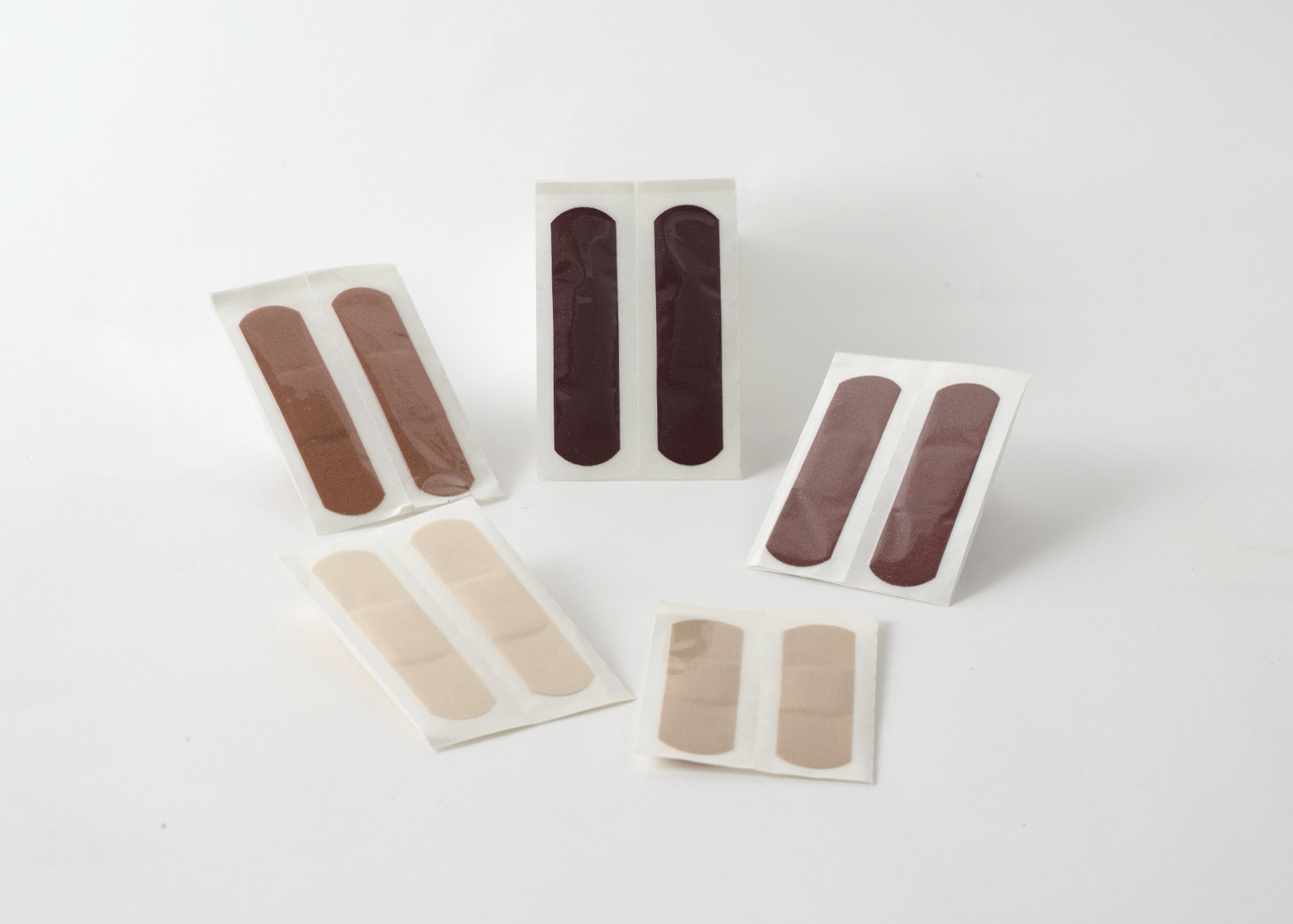
Compeed-style gel plasters and Leukotape P are the most important contents of the trail first-aid kit. Prevention, treatment, and why you should tape BEFORE the shoe rubs.
An overview of borrowing and rental schemes for outdoor equipment in Norway — from BUA and Skattkammeret to local schemes. Plus places to find used gear.
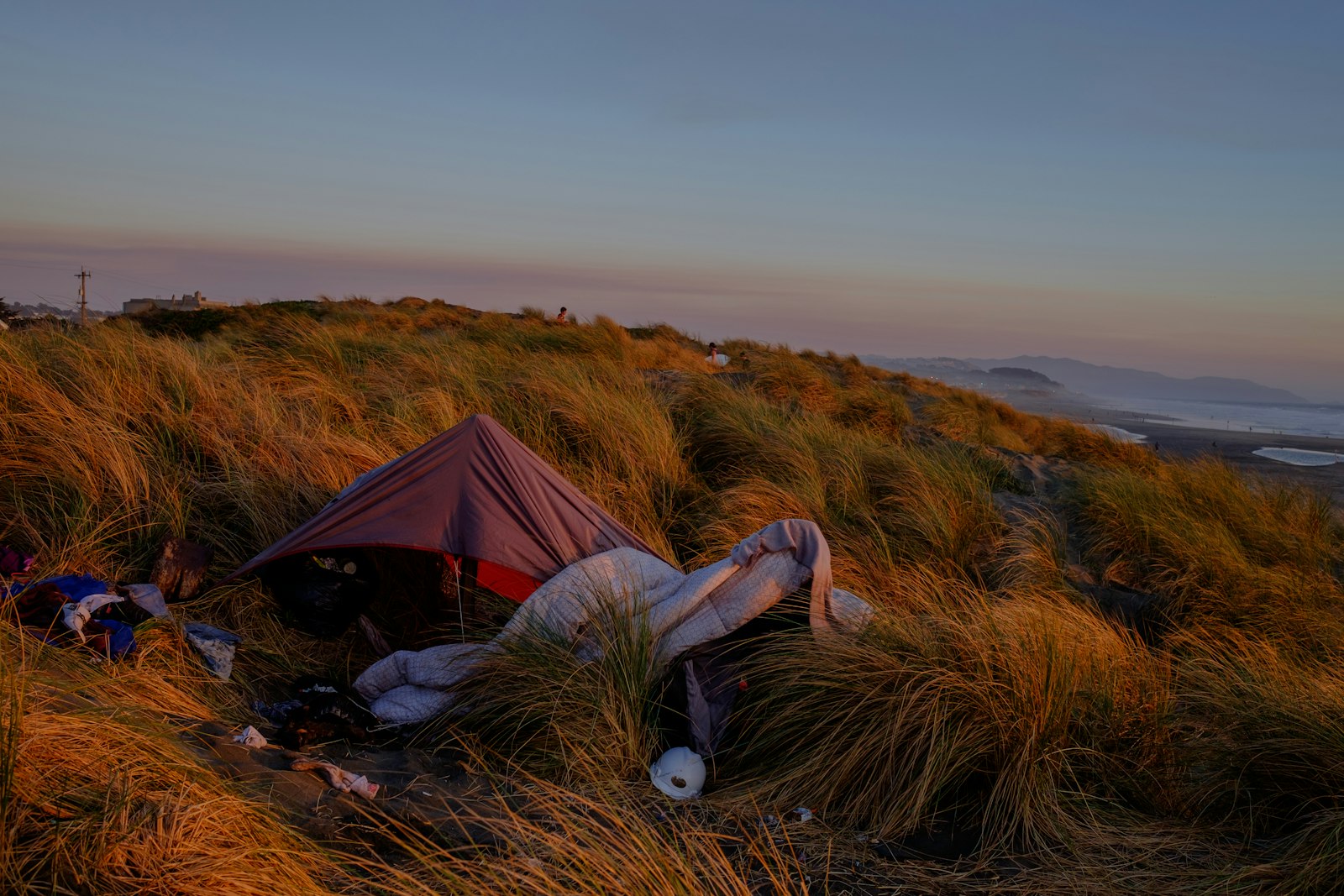
The bothy bag is a piece of kit that weighs little, costs little and can save lives. What it does, which sizes exist, and why it belongs in the pack even on a day trip.
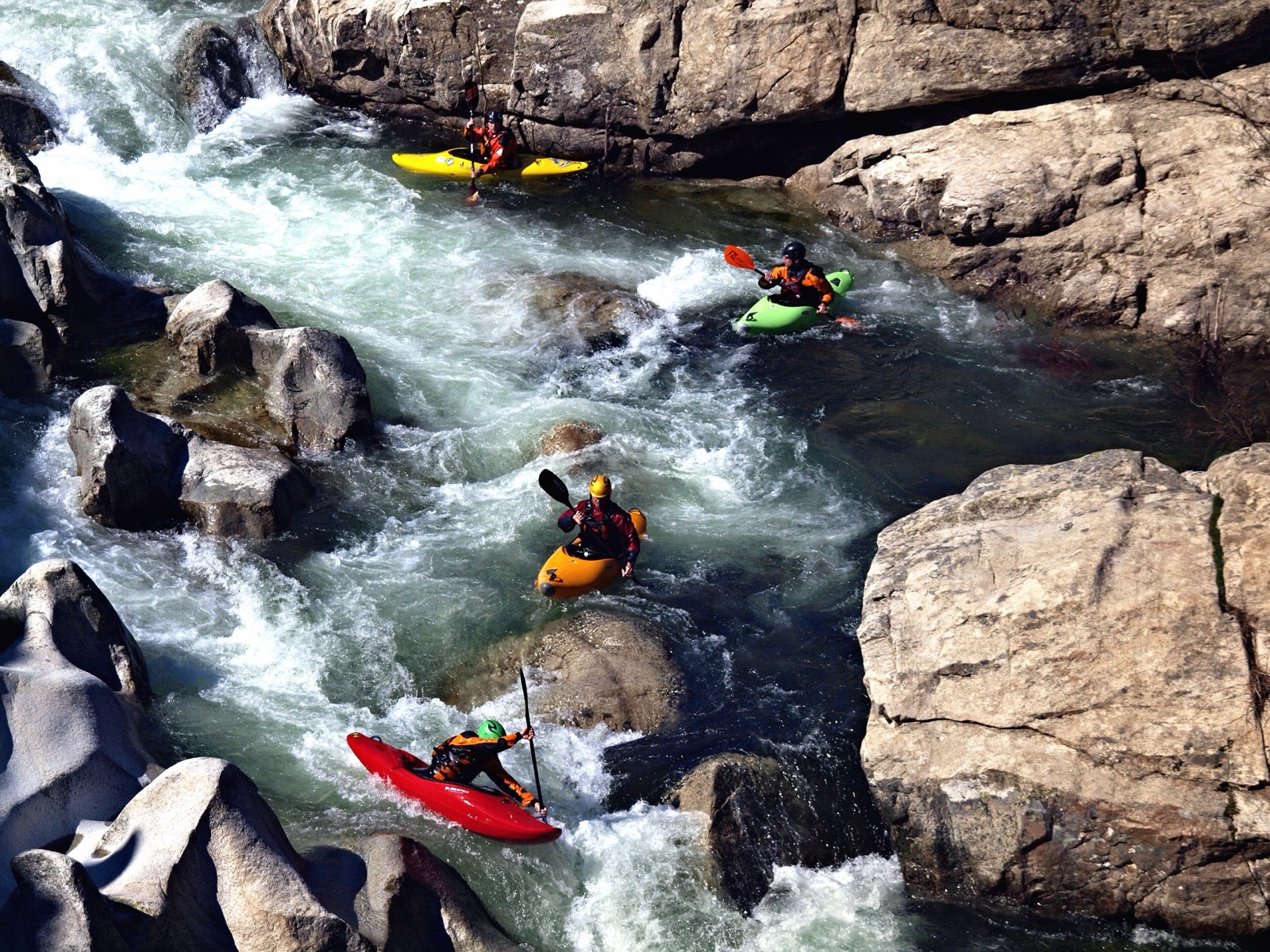
The one thing everyone on the water in a small craft should wear. Here is how the classes (50N, 100N, 150N, 275N) work, what sets a buoyancy aid apart from a boating lifejacket, and how to choose and look after one.
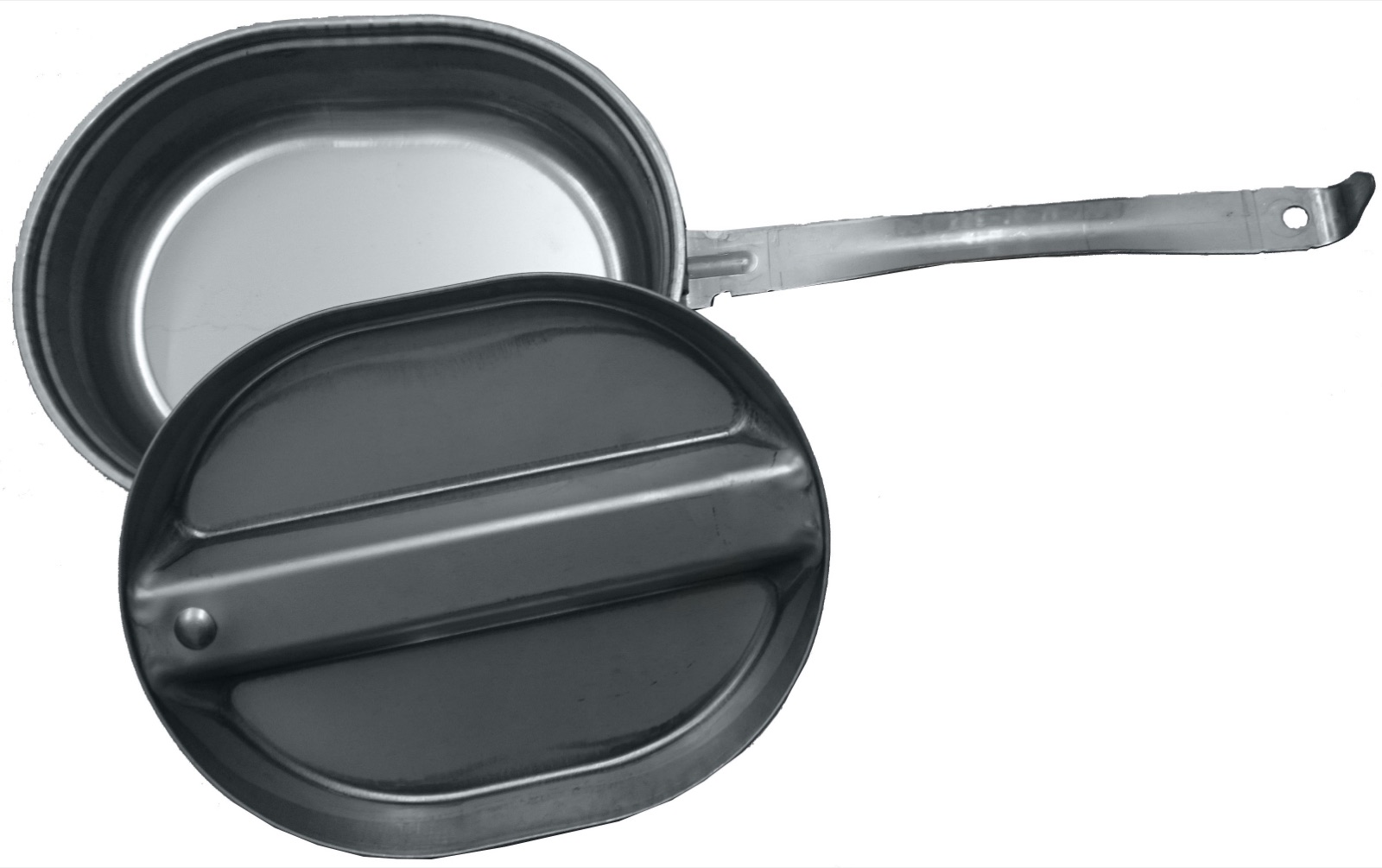
Plastic or titanium, folding or fixed — and why many manage perfectly well without one on simpler trips.
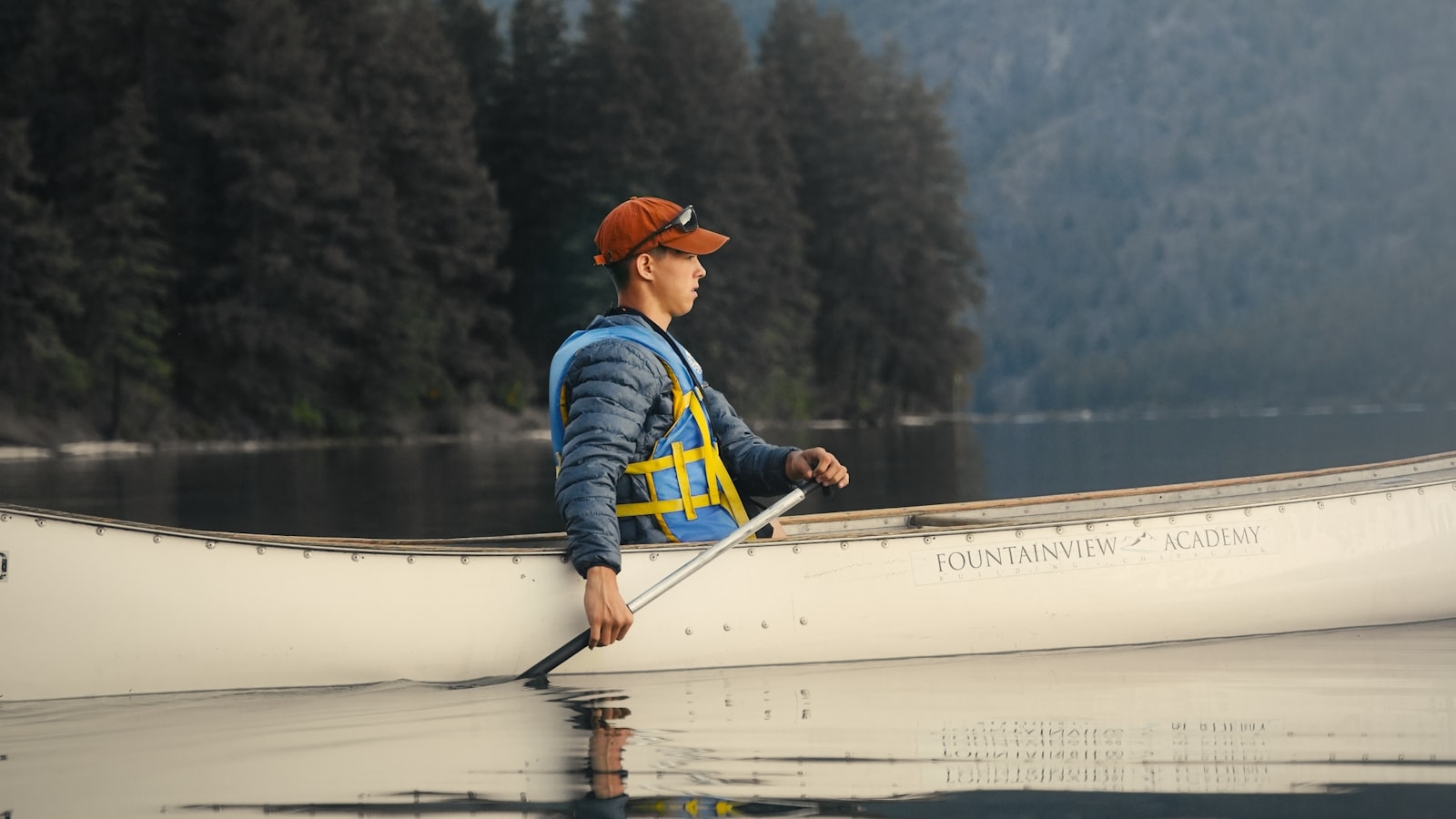
An open craft paddled with a single-blade paddle, where you sit or kneel on top of an open deck. The canoe carries loads and people in a way no kayak does, and is the simplest form of paddling to begin with.
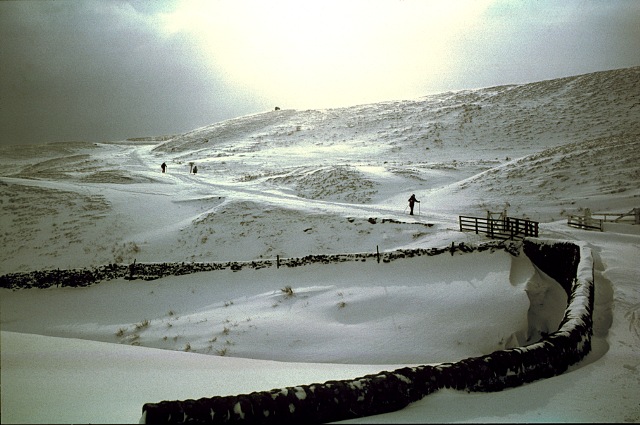
Mohair, synthetic or mix — what skins actually do, how they attach, looking after the glue, and how long they last in Norwegian conditions.
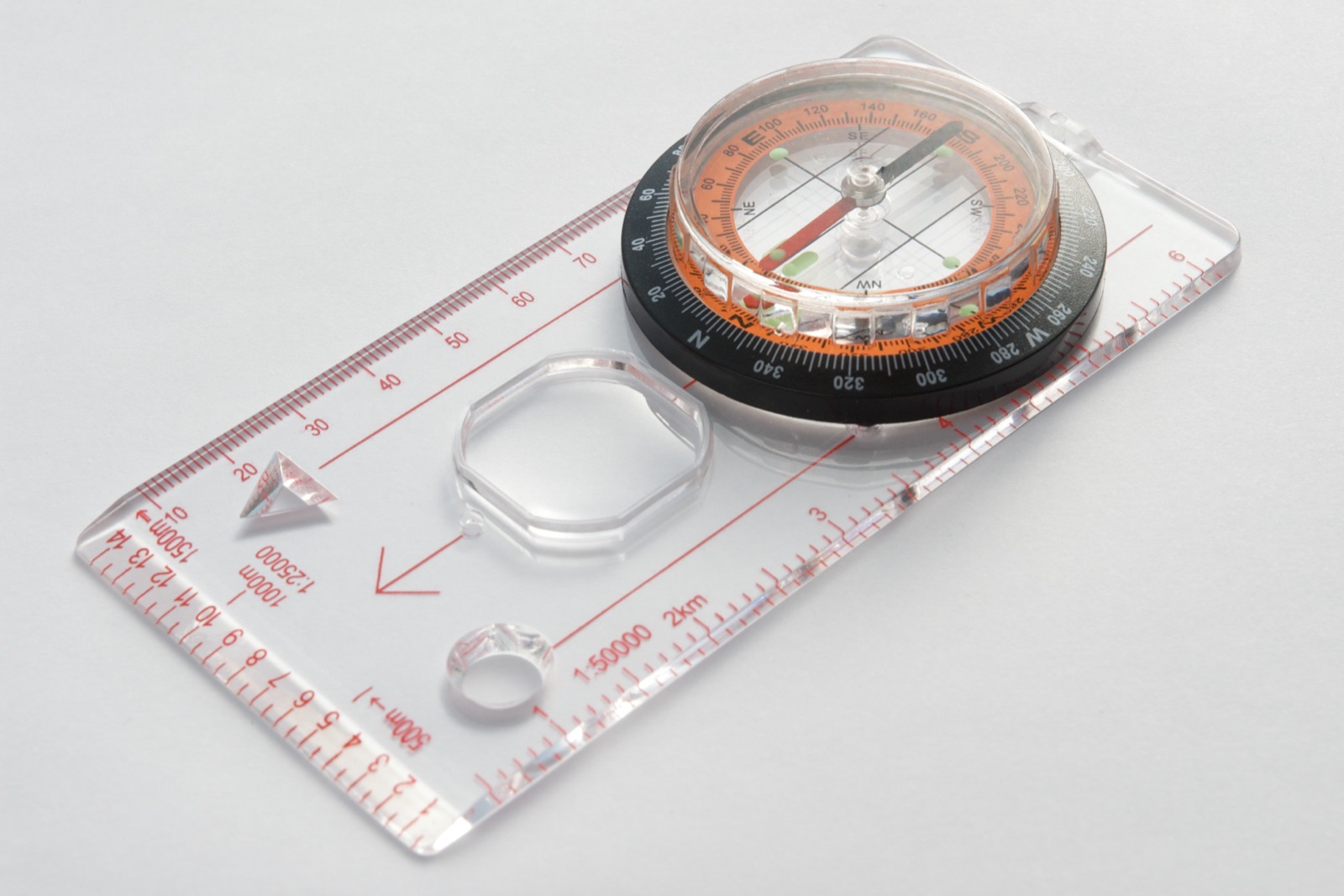
A baseplate compass with a rotating housing is the standard for trips in Norway. Magnetic variation, models, and why you should practise using it at home before you need it in fog.
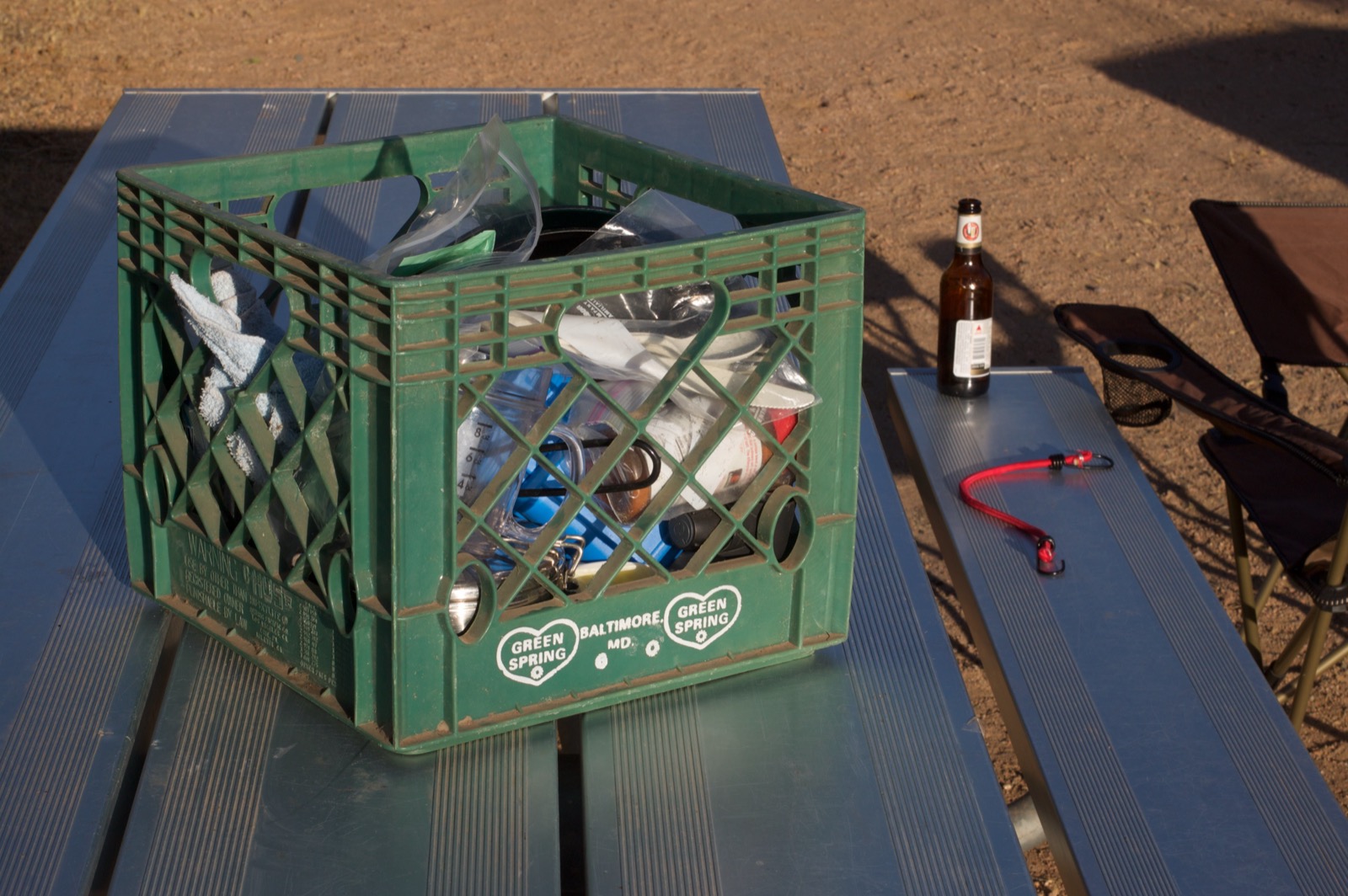
Choice of material (titanium, aluminium, steel), volume by number of people, and why pot kits are often over-complicated. How the cookware is matched to the type of stove is part of the same decision.
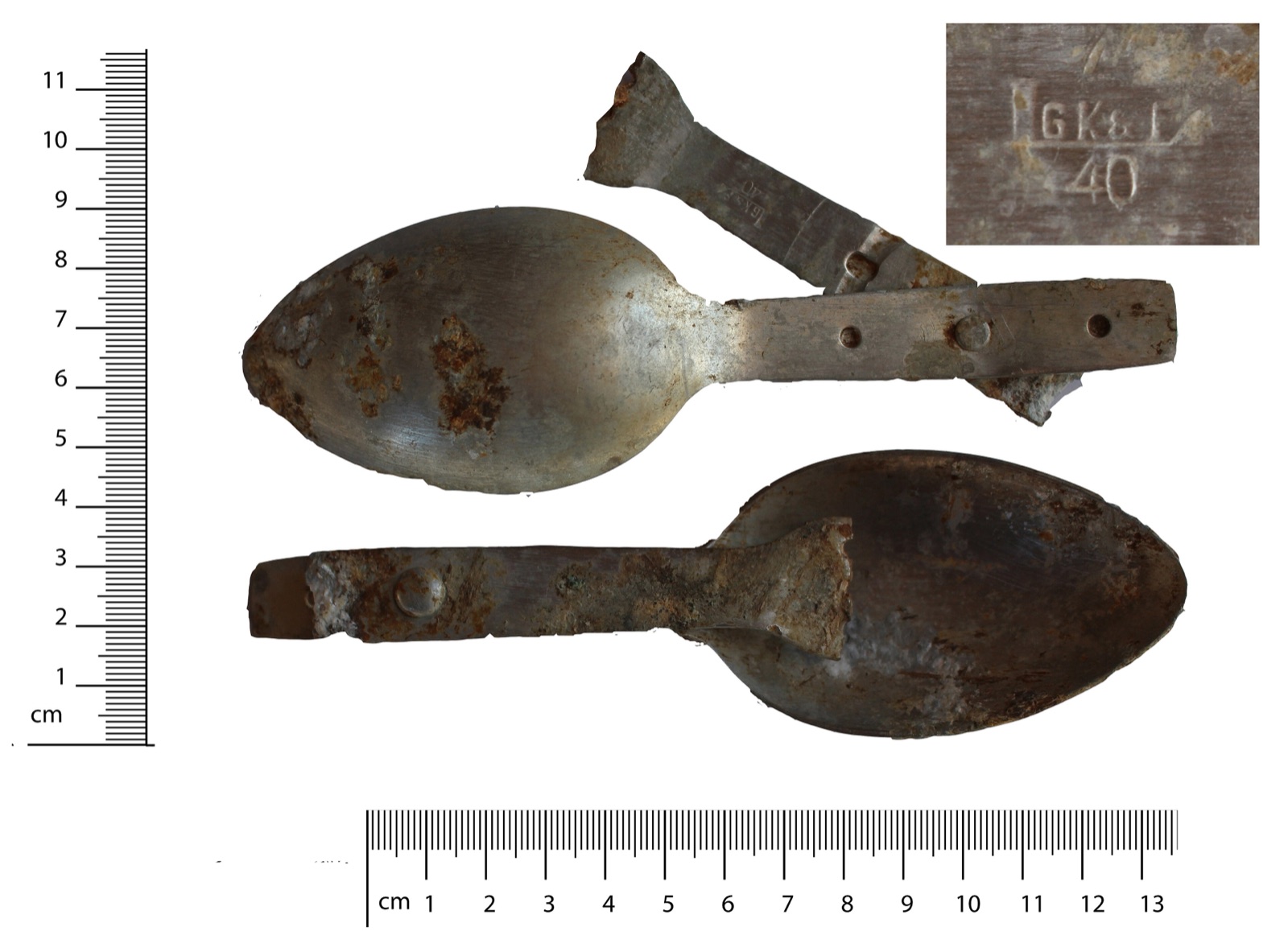
Spork or spoon? Titanium, plastic or steel? The simplest gear that nonetheless comes in a surprising number of variants.
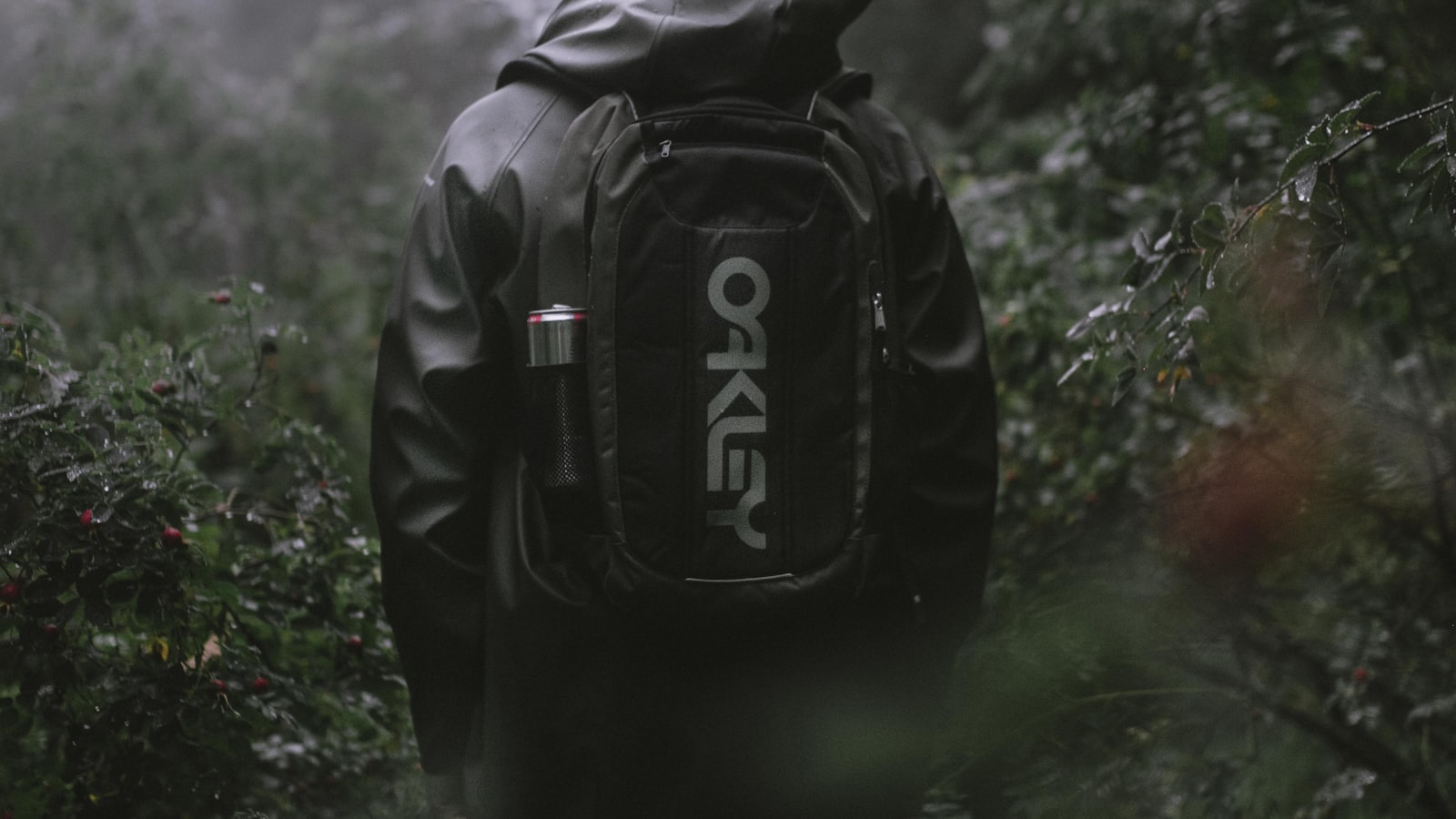
Waterproof pack sacks keep the sleeping bag dry in the bow and the phone dry in your pocket. Here is how to make sense of volumes, materials and roll-top vs zip — and why you usually need more than one.
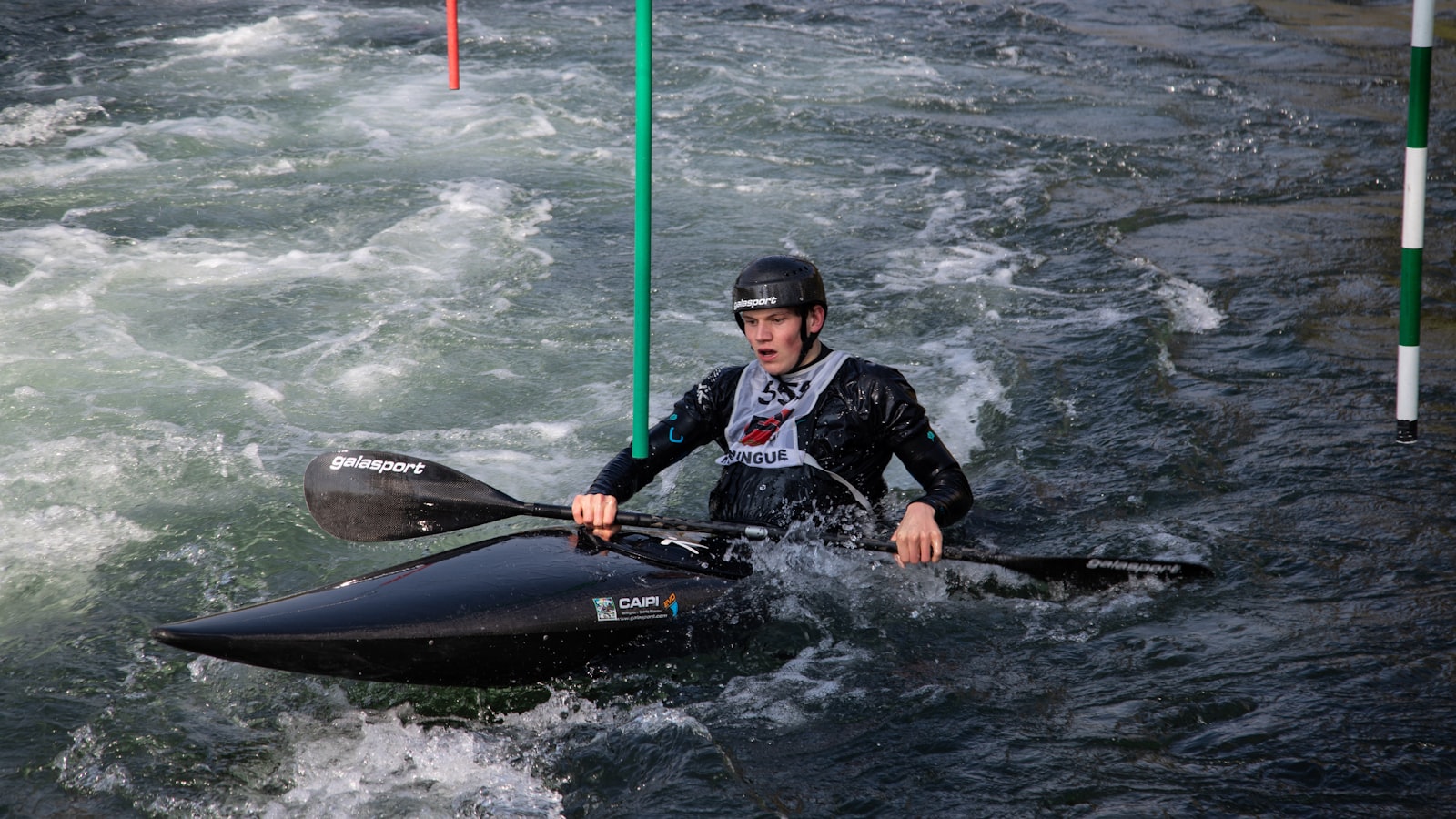
Two fundamentally different solutions to the same problem — staying warm in cold water. The drysuit keeps the water out. The wetsuit lets a little water in and warms it up. How to choose, and how to look after it.
Lighter or matches, and why both should be in your pack. Waterproof variants, windproof models, and how a lighter behaves in the cold.
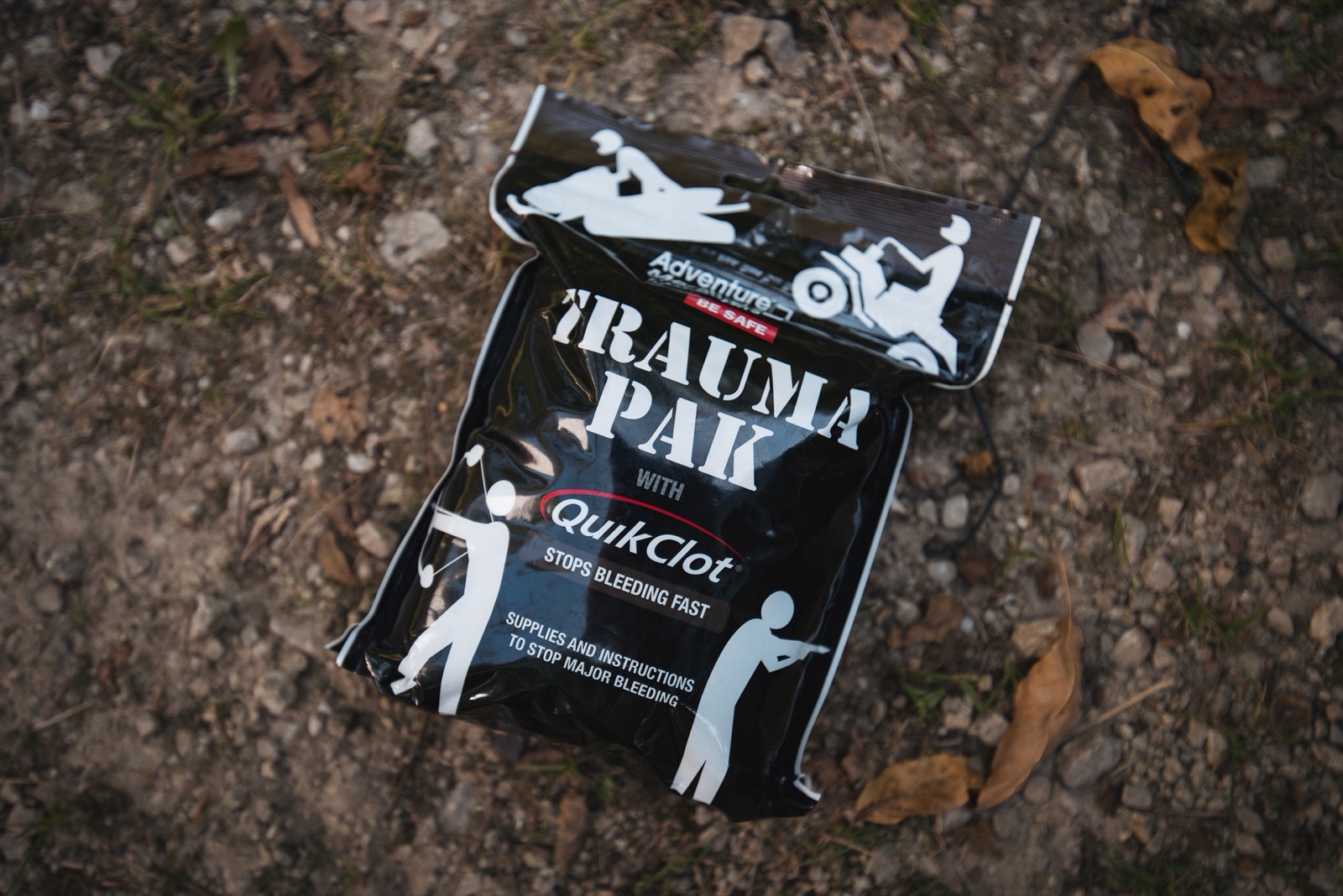
What a packable first-aid kit should actually contain, how it scales between trip size and expedition, and why you should repack the ready-made first-aid kit before you take it along.
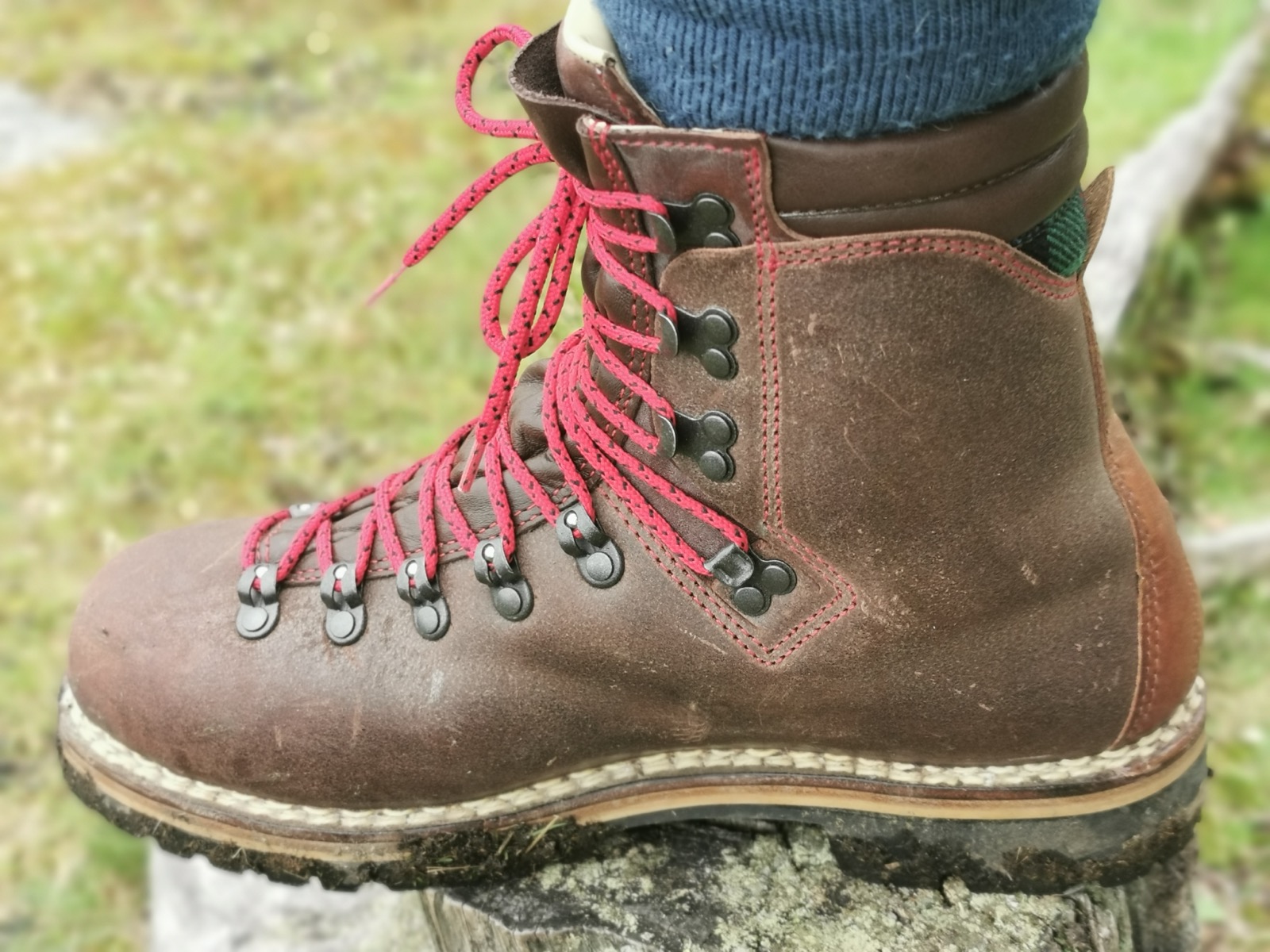
How to choose walking footwear: types, selection criteria and what to check in the shop. Different types of footwear for different terrain and patterns of use.
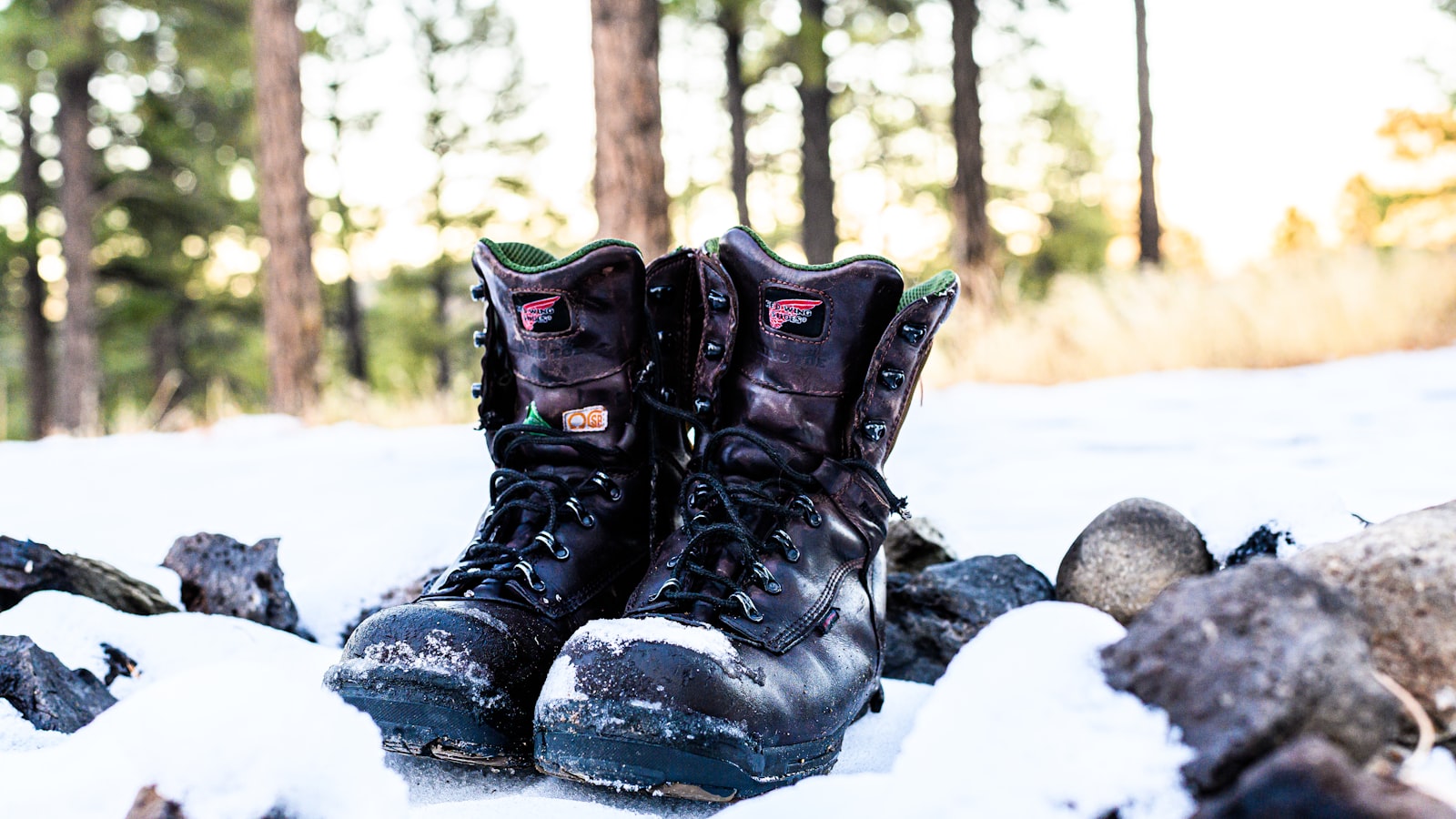
Gaiters keep snow, water, grit and twigs out of the boot. Short and long versions, winter-specific and all-round. When you need them and when they are overkill.

Gloves or mittens, one layer or several, wool or shell. How to keep your hands warm and dry — and why spare mittens are not optional in winter.
A standalone GPS versus phone GPS, battery life in the cold, the map format used by Garmin and Suunto, and when a dedicated GPS actually makes a difference.
The Inuit paddle — slim blades, a shorter loom, no feather, often made of wood. A tradition of its own within sea-kayaking, with its own vocabulary, its own technique, and a loyal community that will not go back to the modern paddle.
Why hand hygiene on a trip is mainly about food, not about general washing. Concentrations that work, biodegradable soap and the 60-metre rule, and where hand sanitiser falls short.
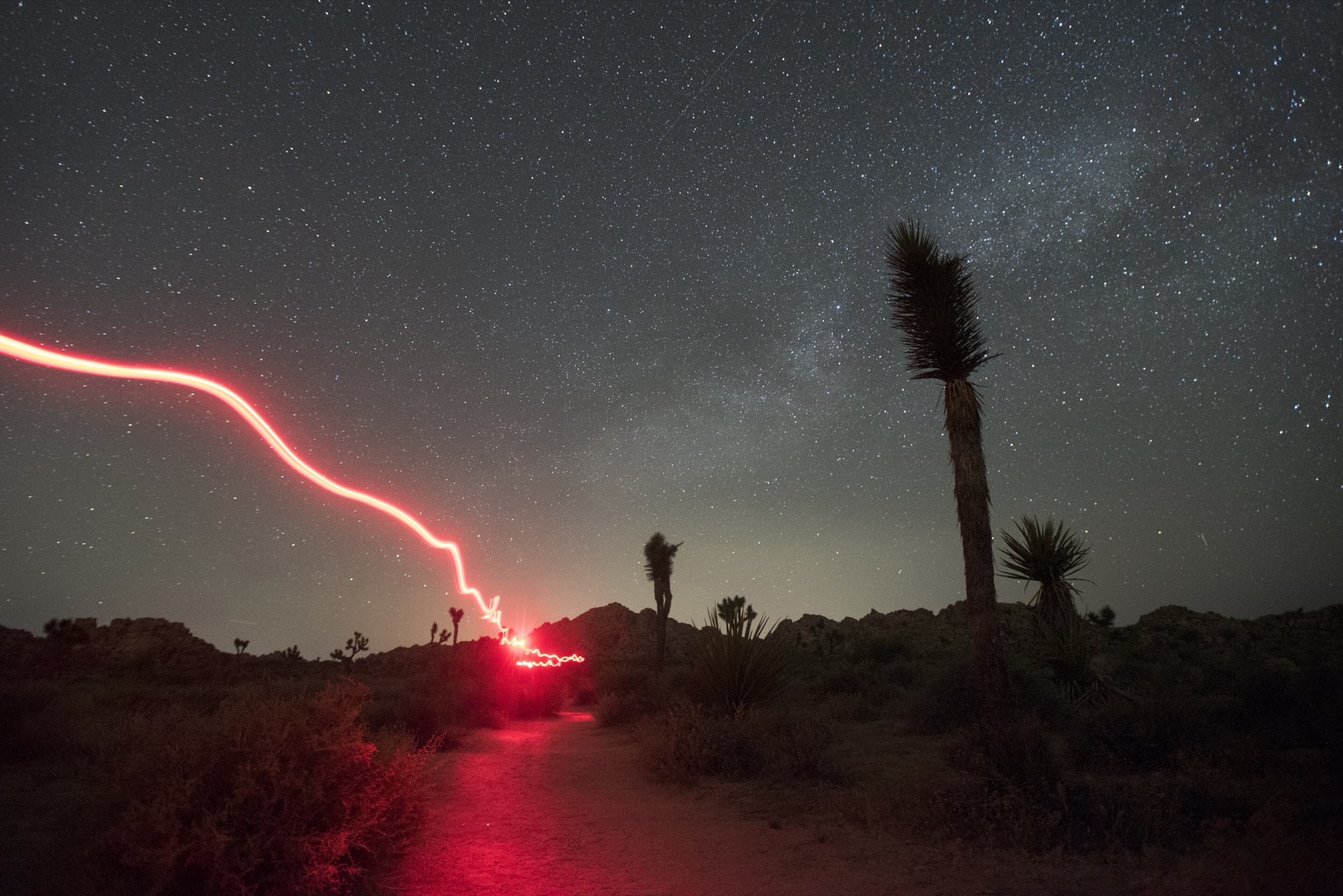
What a head torch needs to do, how much lumen you actually need, choosing batteries in the cold, and why spare batteries belong in your pack.
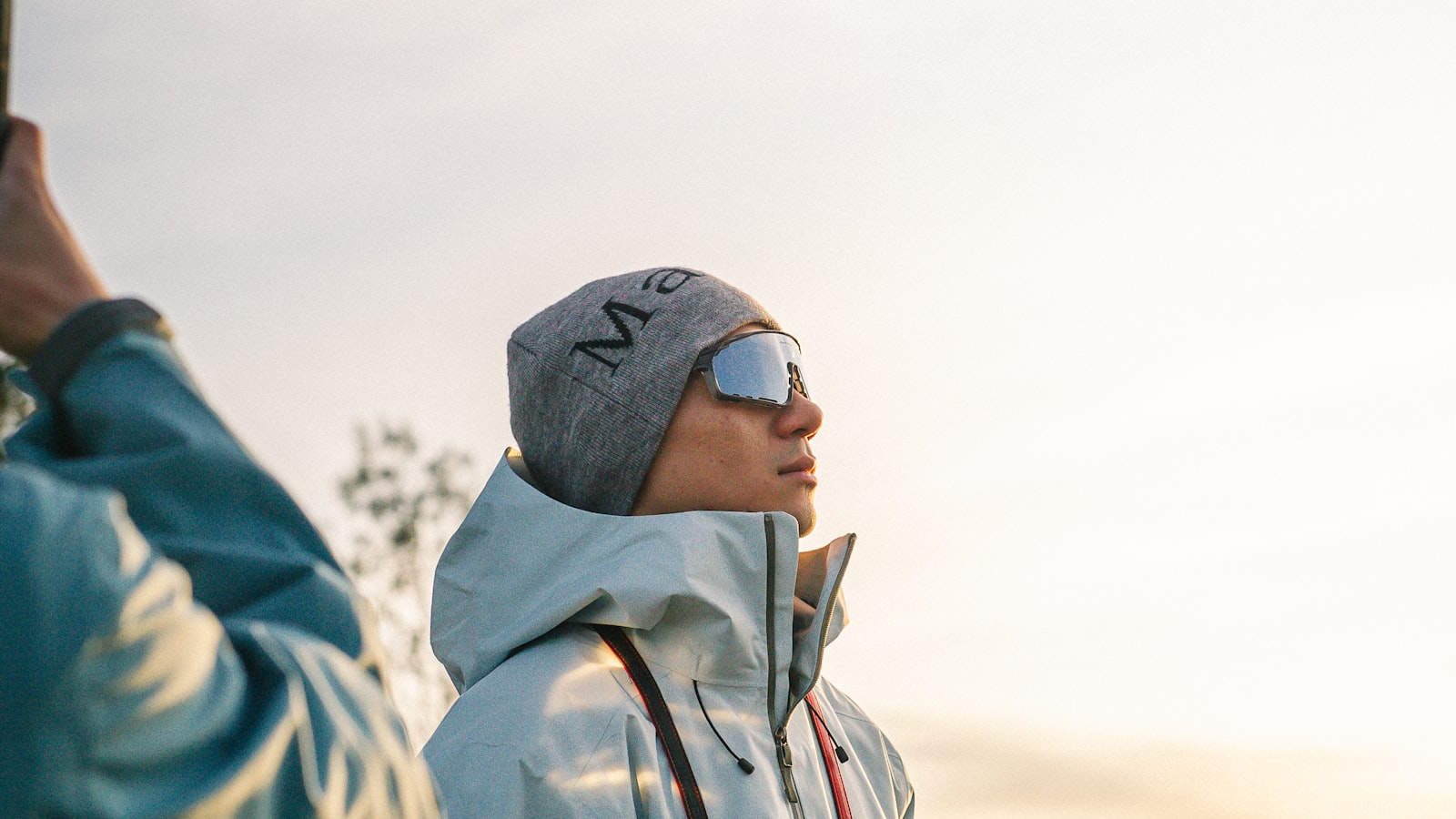
The head, neck and face have little insulation of their own. What you cover your head with changes how the rest of the body behaves. Summer and winter, everyday and bad weather.
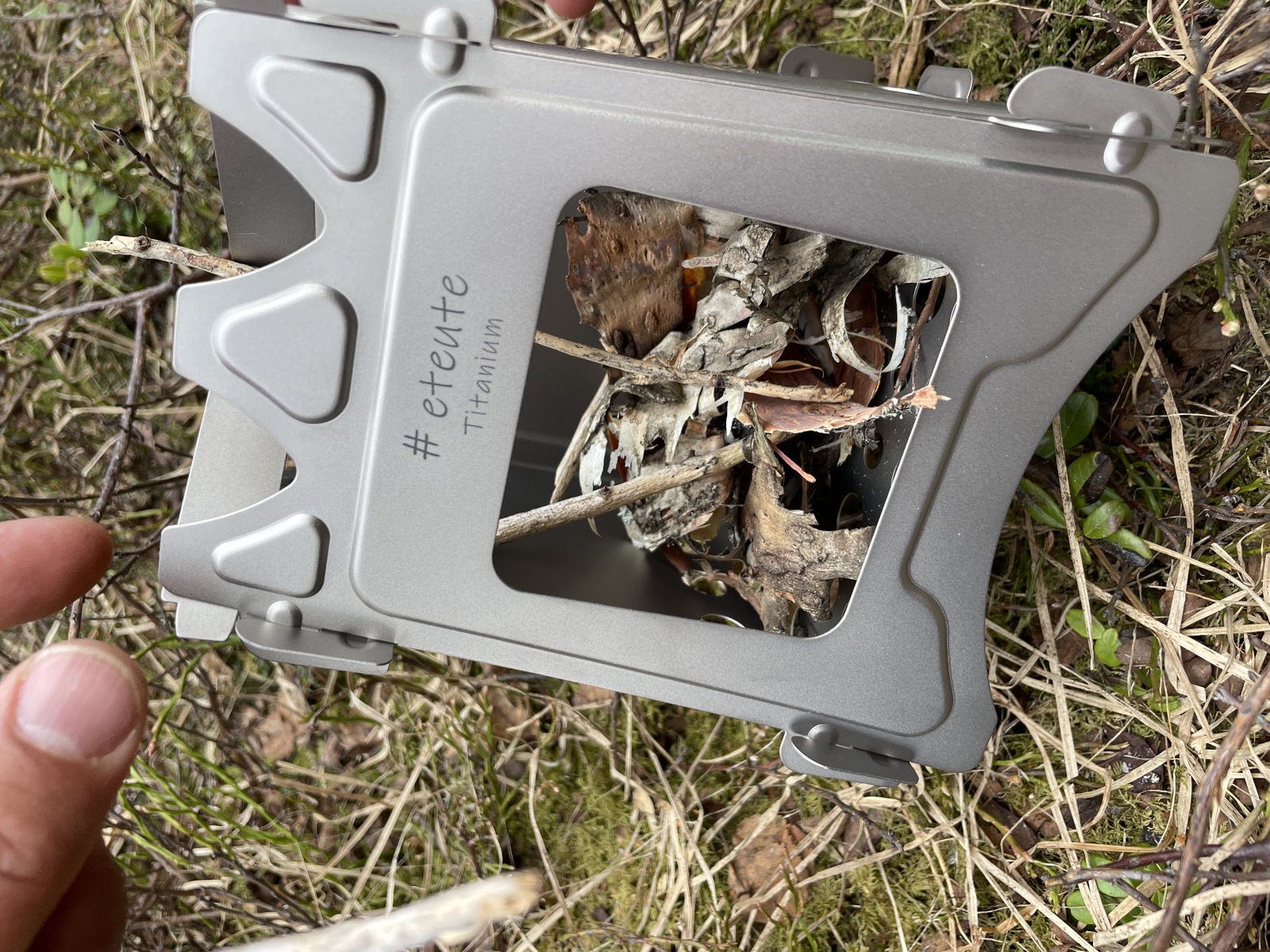
Which stoves are used for cooking on a tur? Gas, multifuel, twig stoves and the campfire — plus general tips for safe use and kitchen kit.
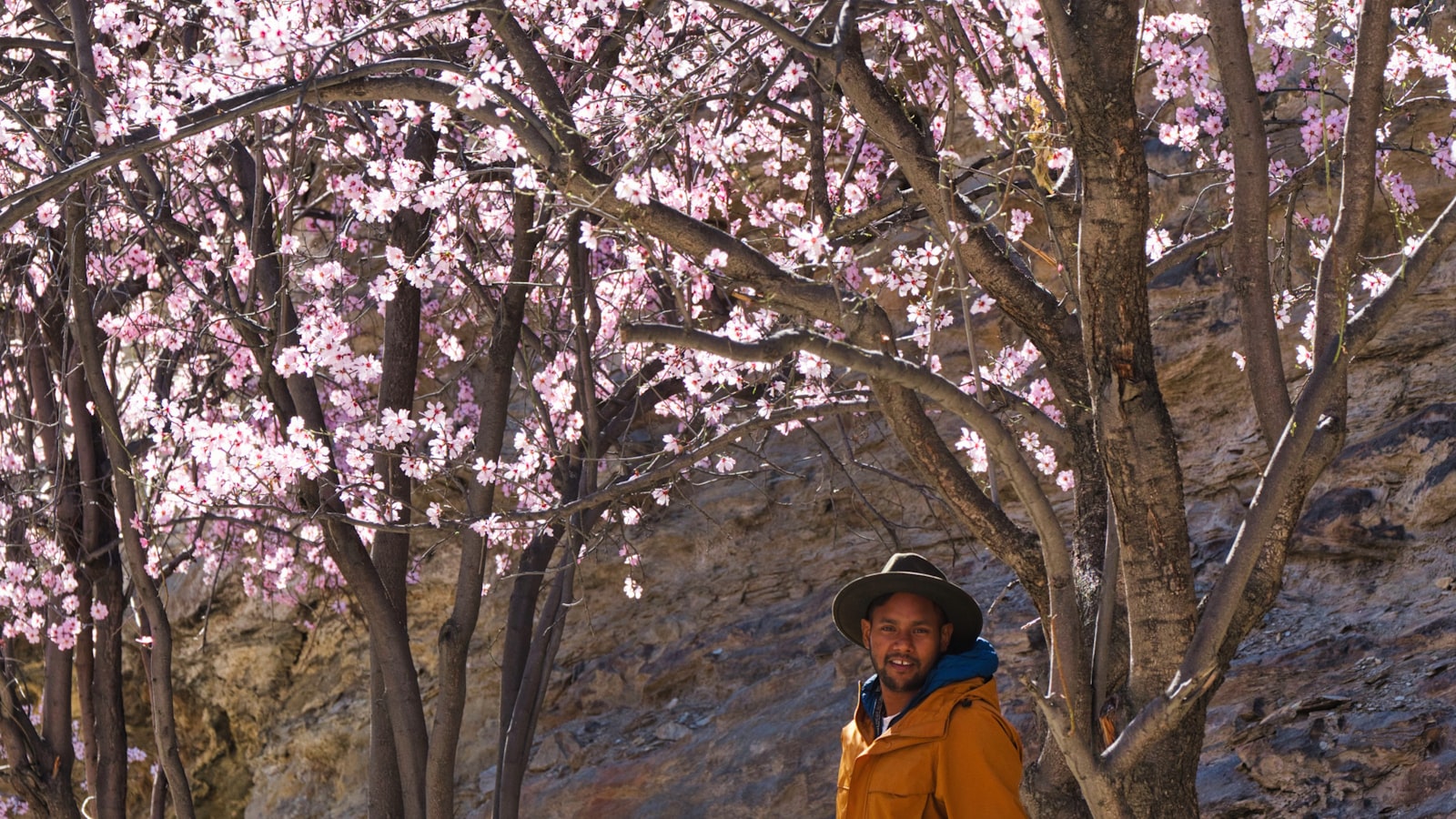
Three kinds of trousers on a trip: the everyday hiking trousers you walk in, the rain trousers you keep in your pack, and the shorts for summer heat. Materials, checkpoints and when each is needed.
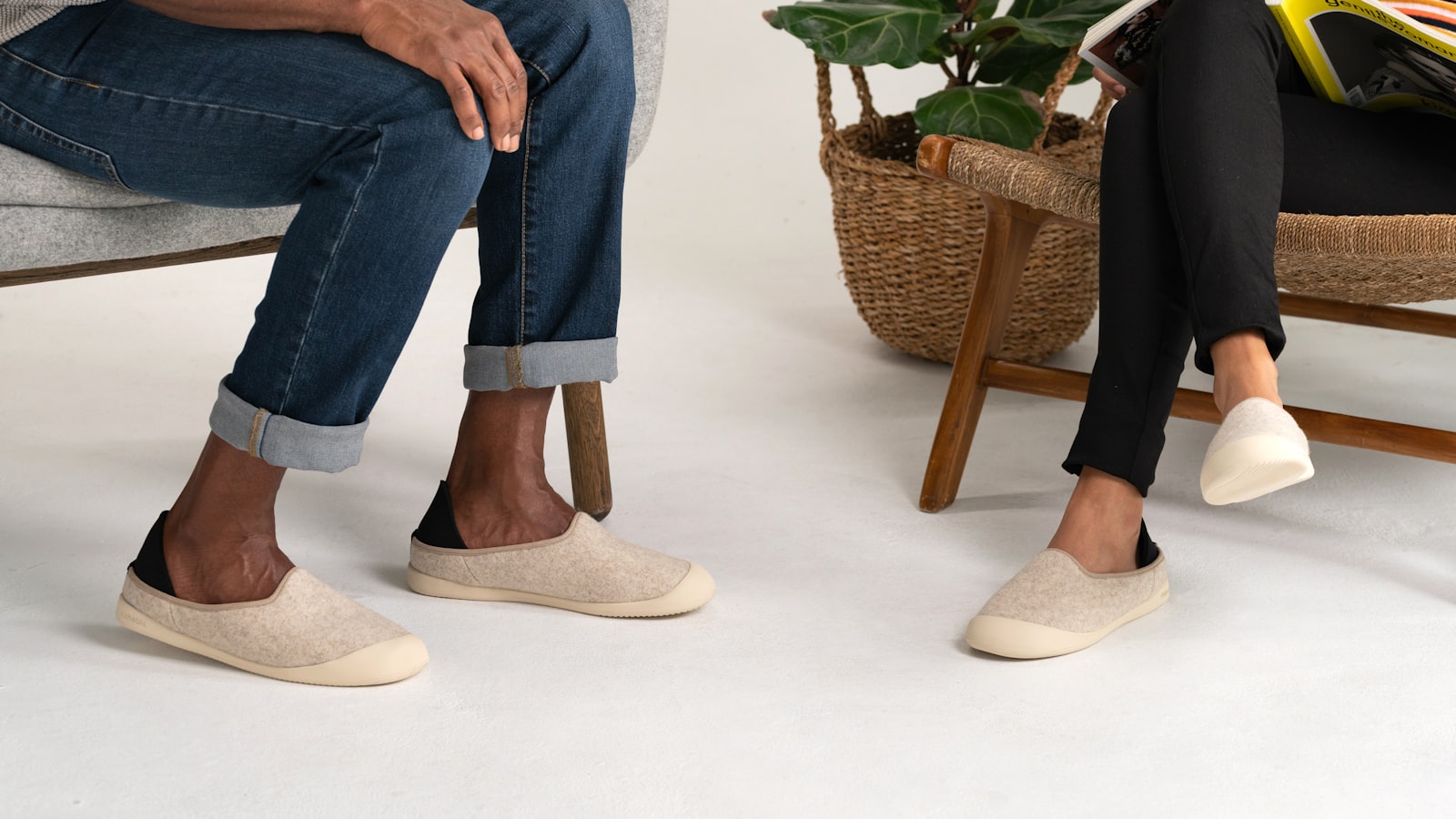
Light slippers or bivouac shoes for cabin use — they spare your mountain boots, make the cabin stop more pleasant, and can save you from a crushed foot after the day's boot.
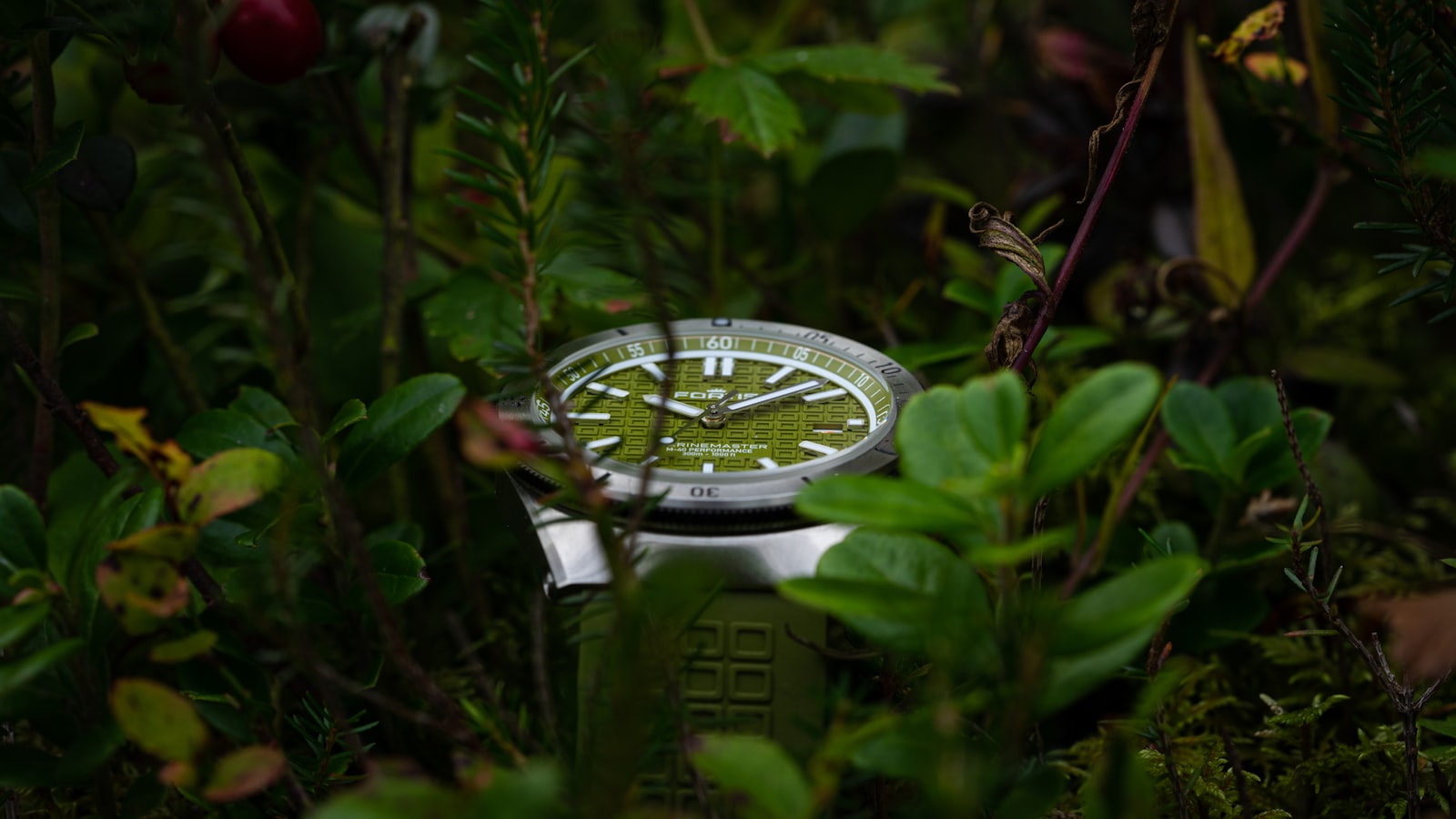
DEET, picaridin or citrus, how long they last, and when a head net simply beats repellent. Also: the difference between mosquitoes, midges and ticks, and what permethrin does to clothing.
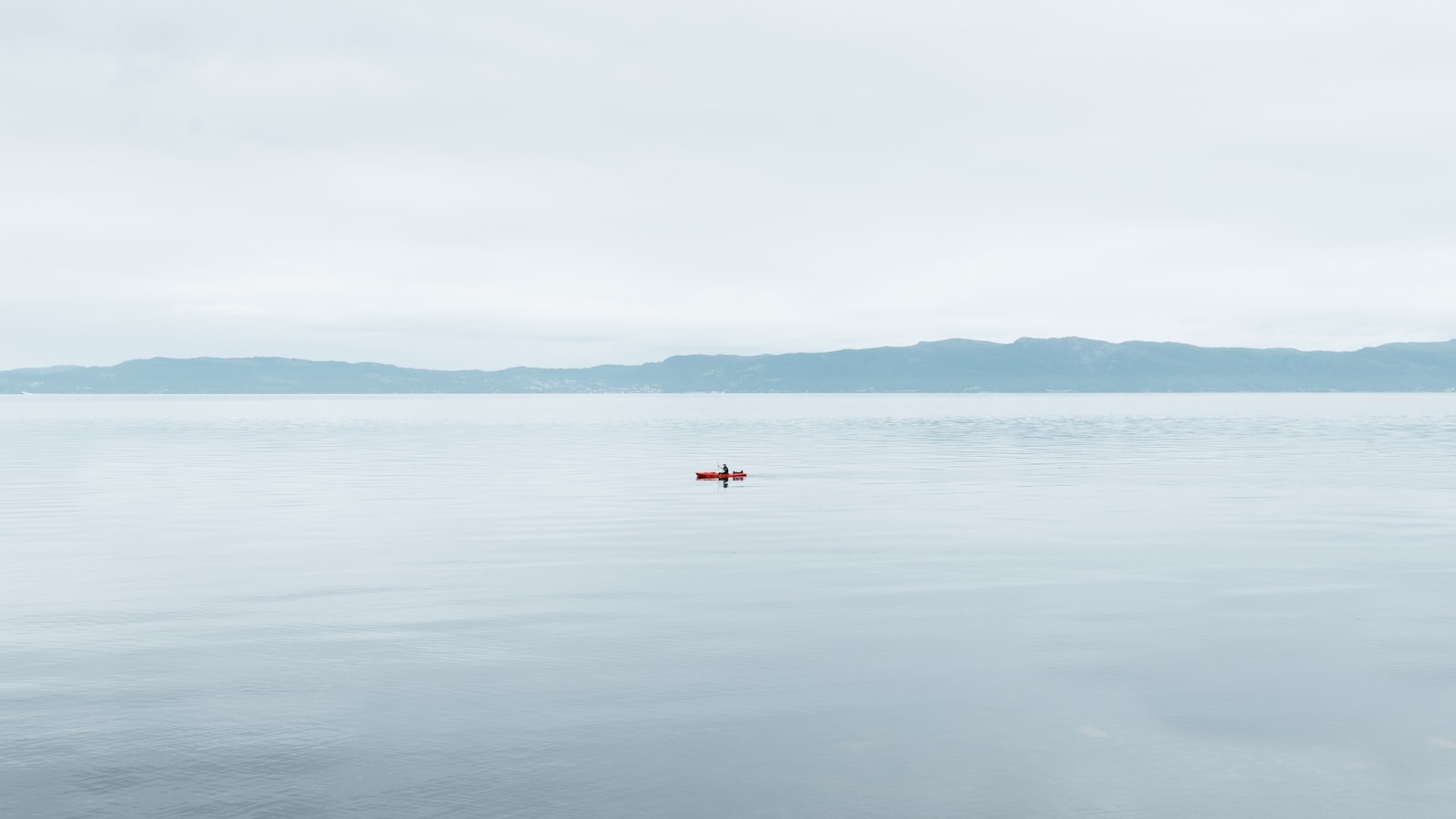
A closed craft paddled with a double-bladed paddle. How to understand the main types (sea kayak, river kayak, touring kayak, recreational kayak), the materials from rotomoulded plastic to skin-on-frame wood, and how to choose without being misled by the marketing.
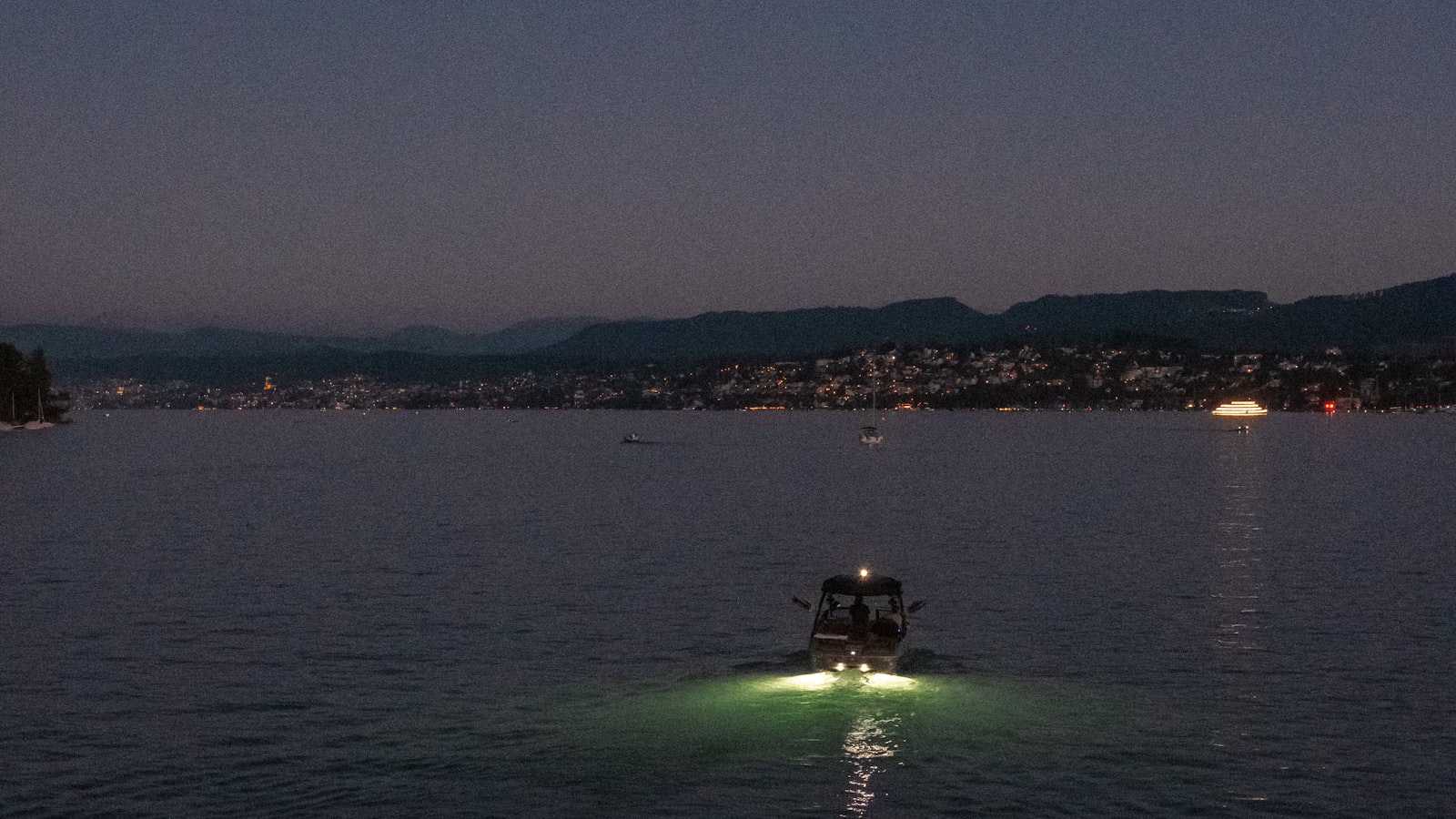
A paddler is hard to see from a boat. You sit low, you have no radar reflector, and you disappear between wave crests. Here is how to build your visibility with bright colours, reflectives and light — and how the Collision Regulations place you as the smallest unit.
A waterproof holder for the hiking map — transparent PVC or polyethane, a neck cord, and why a pencil and paper belong in there too.
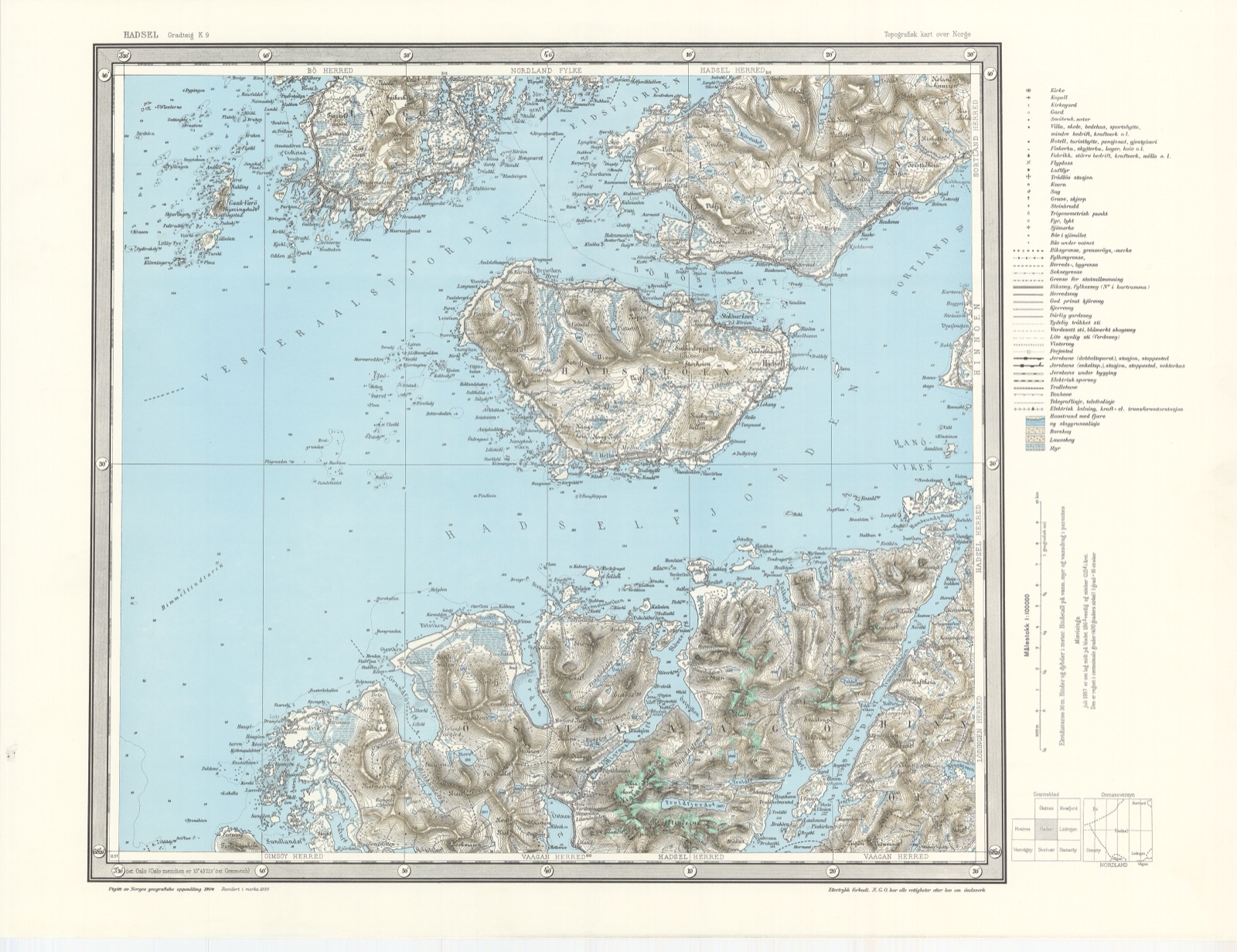
The 1:50 000 hiking map (turkart) from Kartverket is the standard for Norwegian friluftsliv. Here is how to read the map code, what the different map series cover, and why a paper map still belongs in your pack.
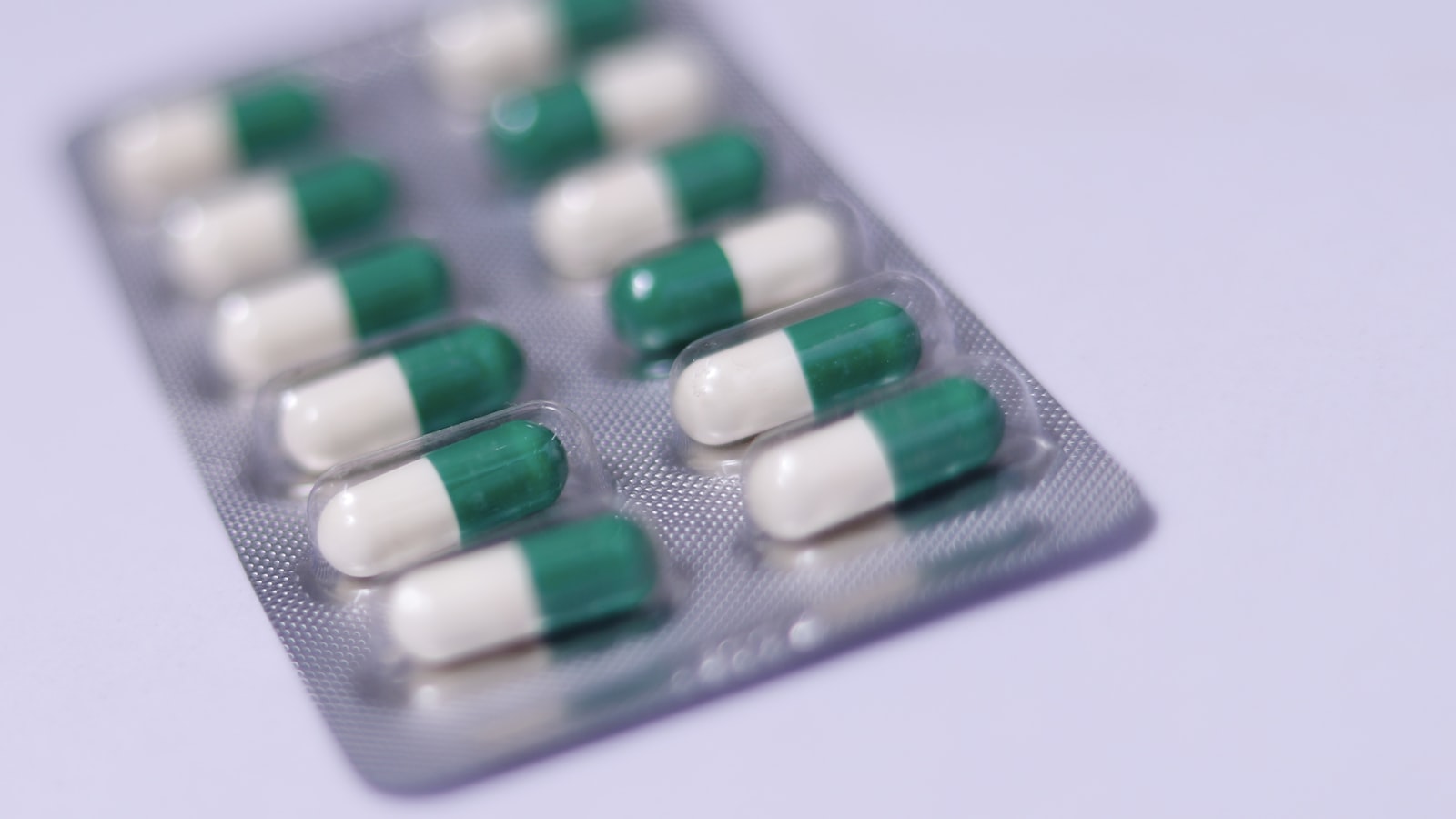
Which medication you should bring — painkillers, antihistamines, anti-diarrhoeals, plus personal medication. Shelf life, storage in cold and heat, and why you must tell fellow walkers what you are carrying.
Why microfibre beats cotton on a trip, which sizes and weights are available, and how to look after a microfibre towel so it does not start to smell after the third trip.
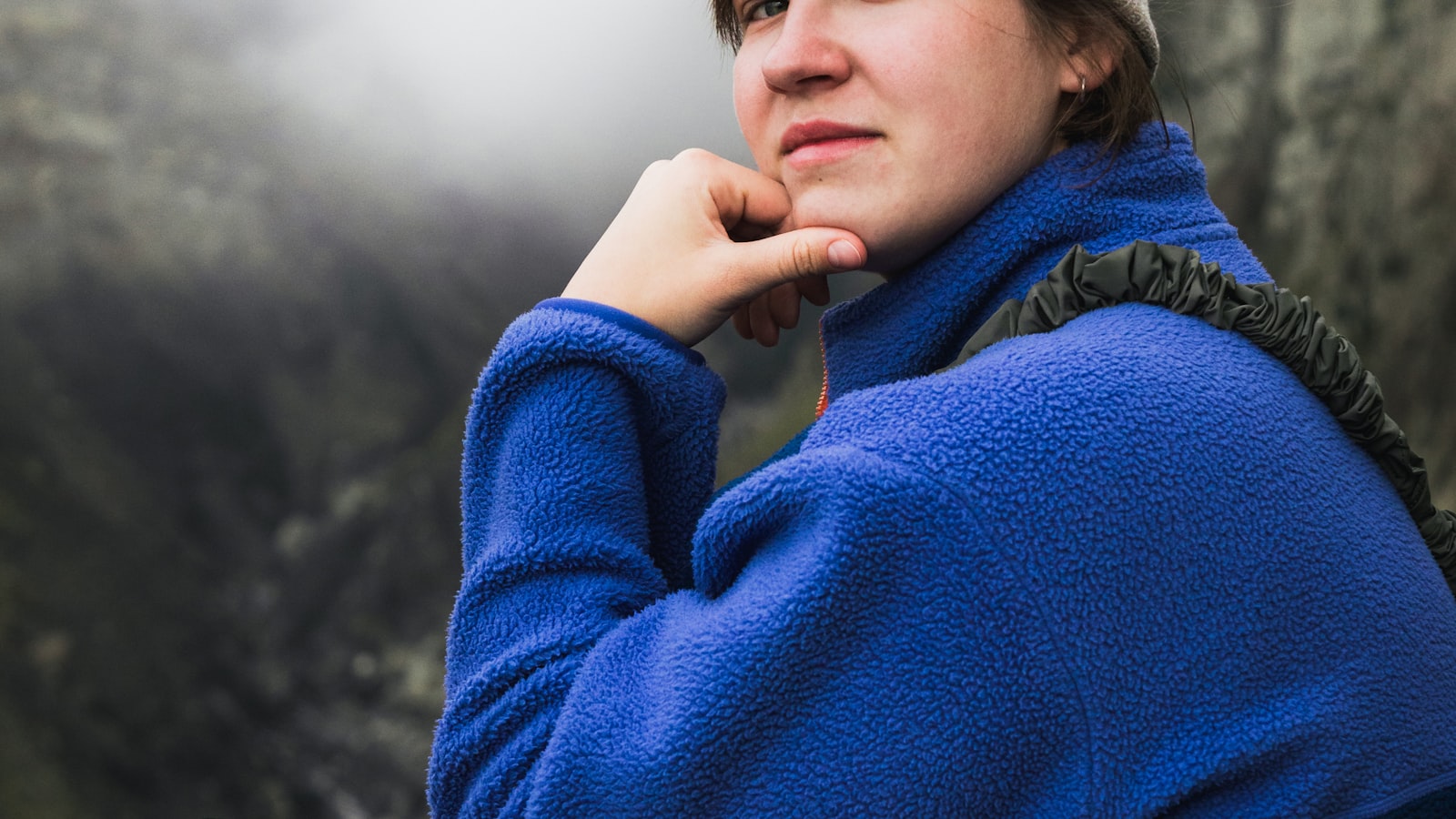
The mid layer regulates warmth between the base layer and the shell. Fleece, wool jumpers and synthetic puff — weight, warmth, and when each layer fits.
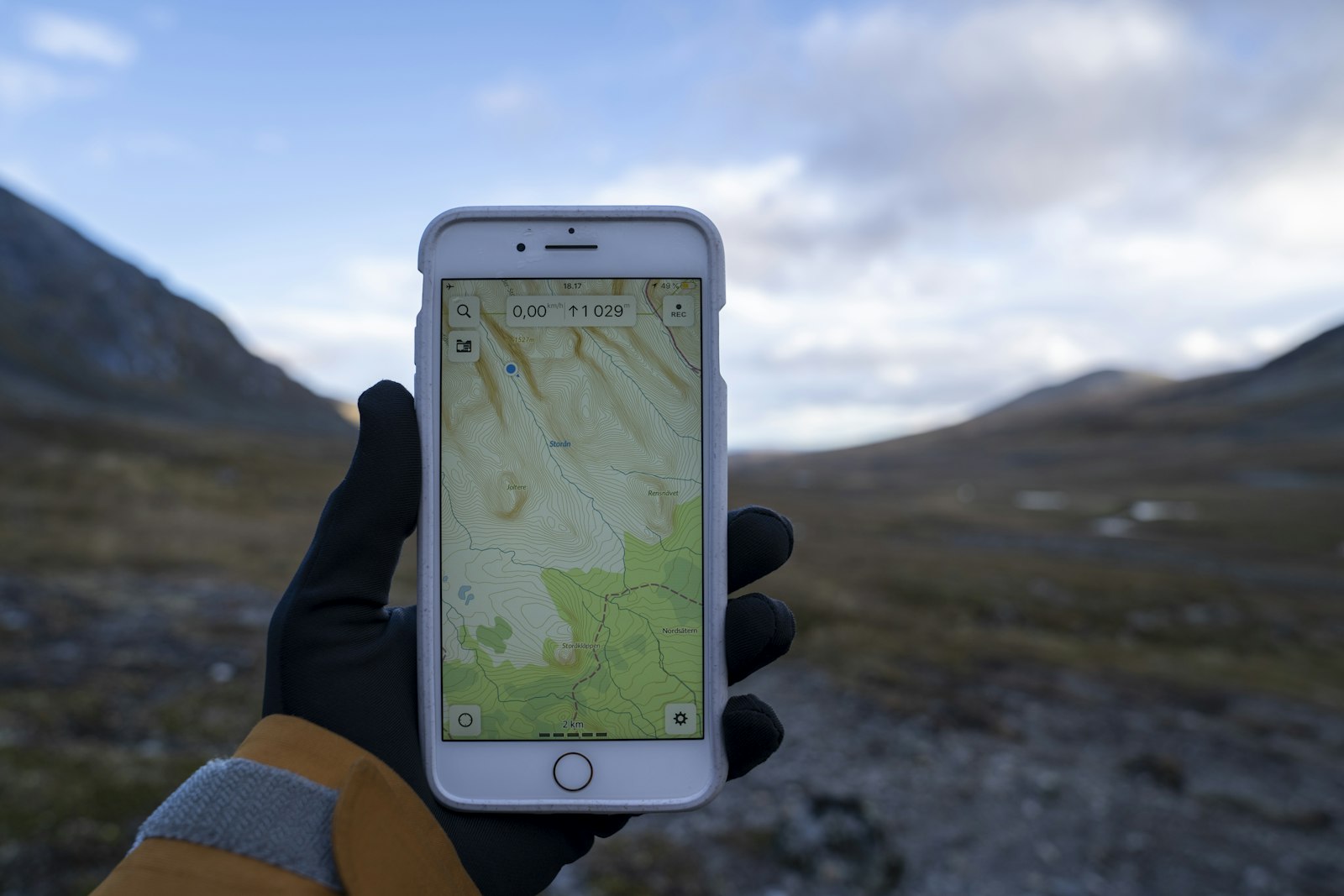
The phone is navigation, communication and camera in one — but it is vulnerable to cold, damp and coverage. Here is how to make it last the whole trip.
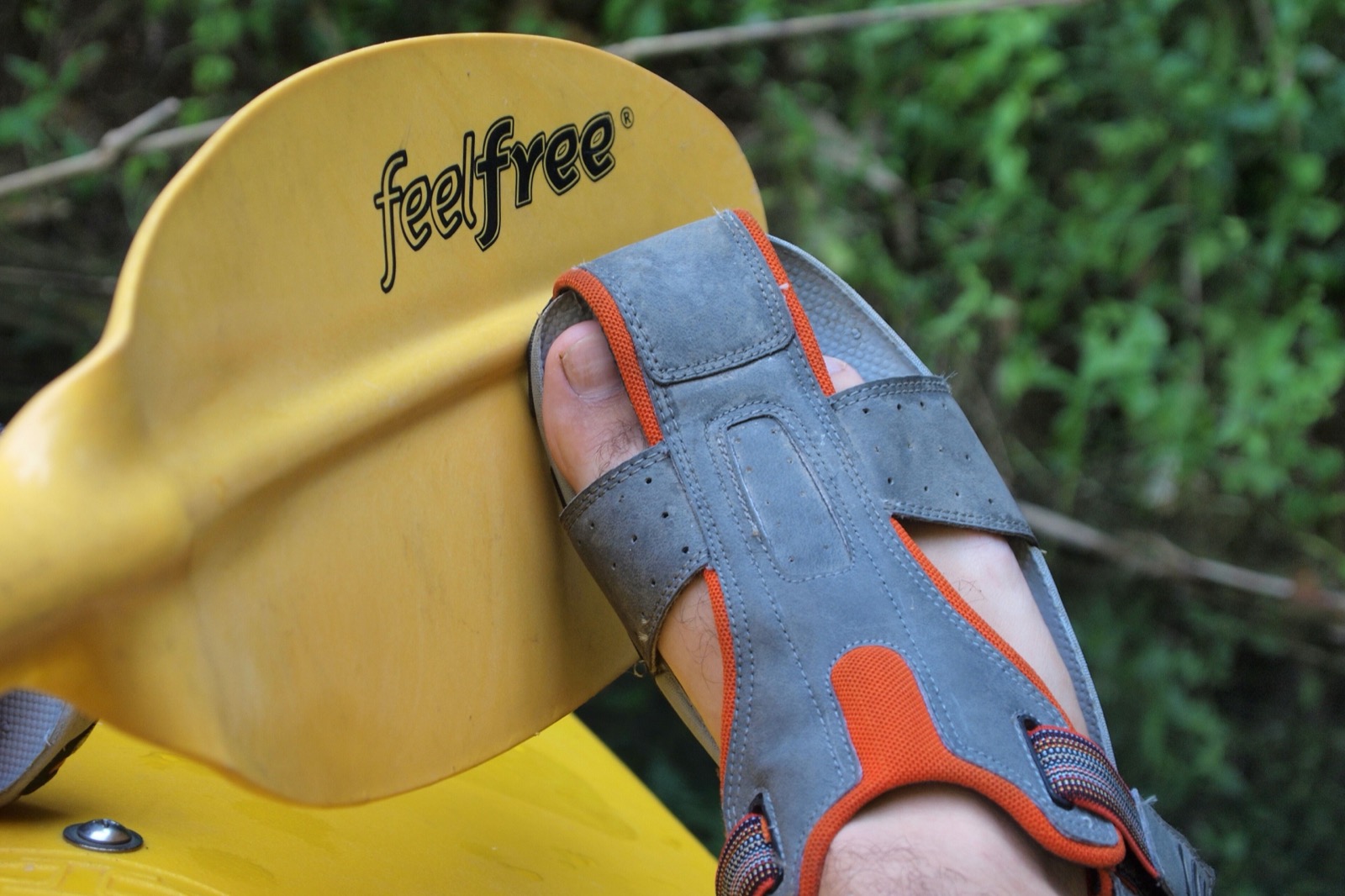
The paddle matters as much as the kayak — the wrong paddle makes a good kayak bad. Here is how to understand length, blade shape, feathering and material, and why it mostly is not about the brand.
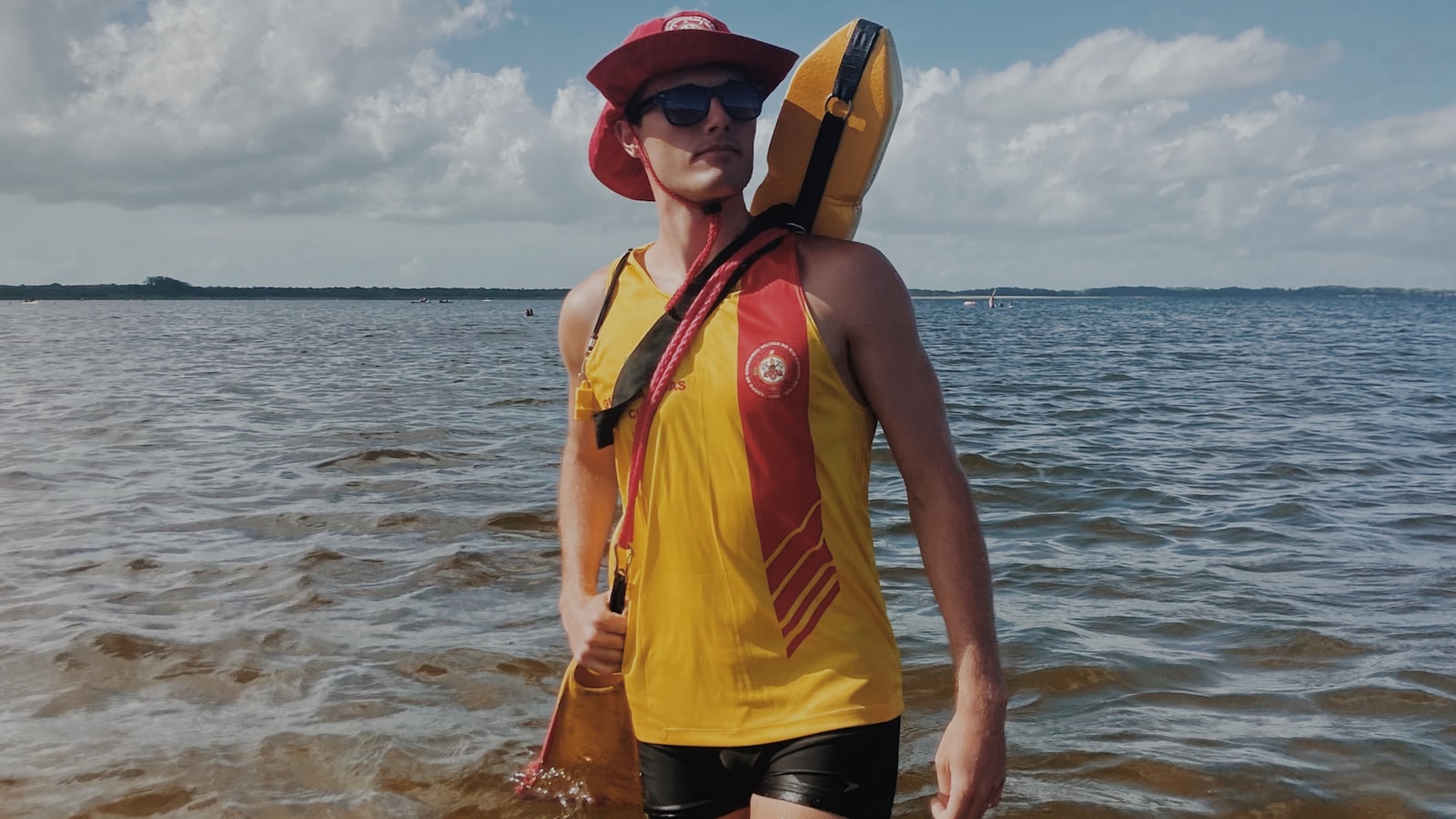
A paddle float is the flotation device you fasten to the paddle blade to build an outrigger and climb back into your kayak alone after a capsize. The NPF baseline for sea kayaking on a day trip — and one of the rescue techniques you practise before you actually need it.
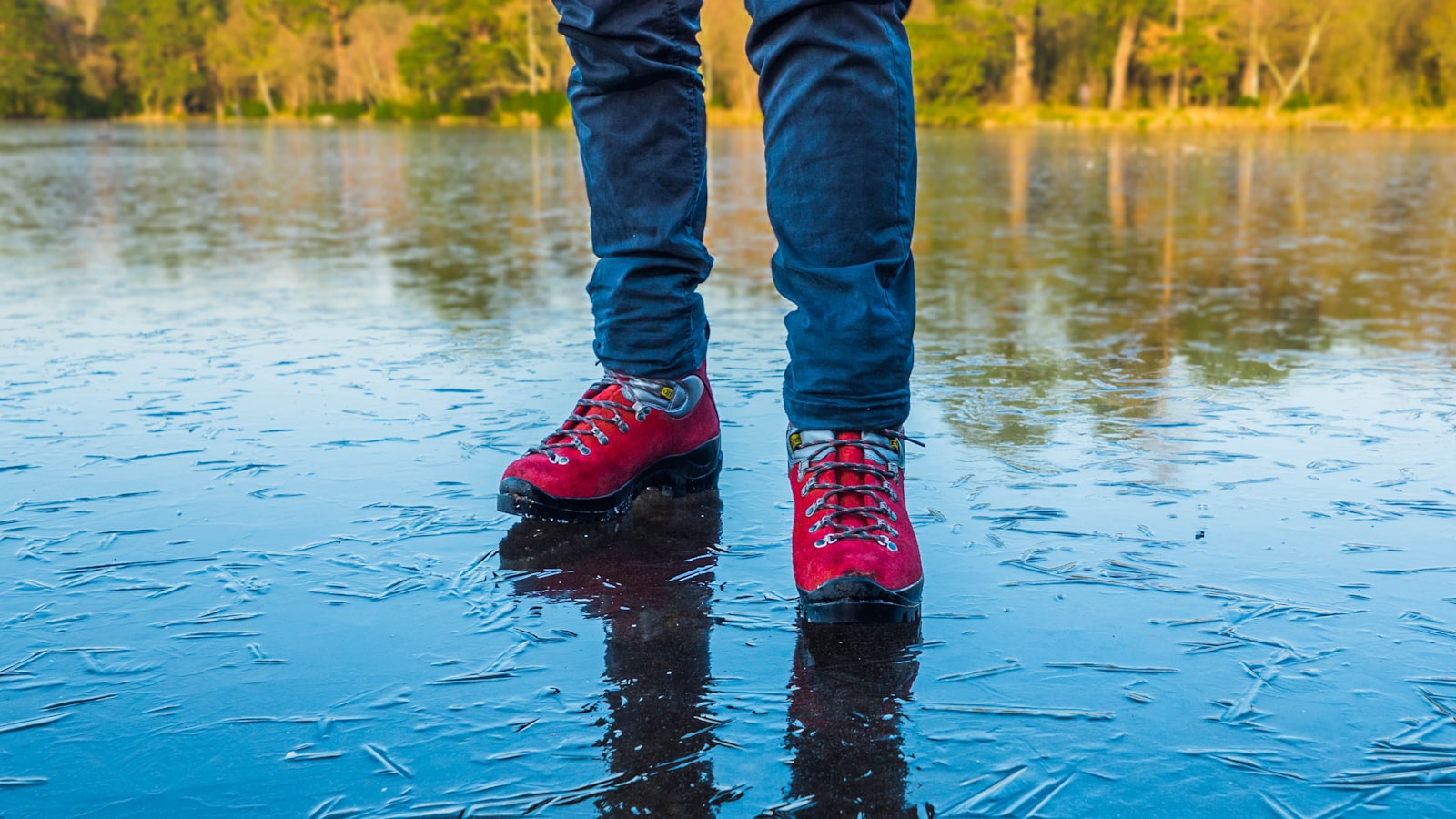
Paddling shoes are shoes meant to get wet. Here is how to understand neoprene shoes vs sandals, the drainage principle, and when neoprene socks plus ordinary shoes beat dedicated paddling shoes.
A spare battery for phone and head torch — capacity in mAh, weight-to-capacity, and why you should keep it warm in the cold.
A light waterproof cover that protects the rucksack from rain — sizes, materials, and why you should also have dry bags inside.
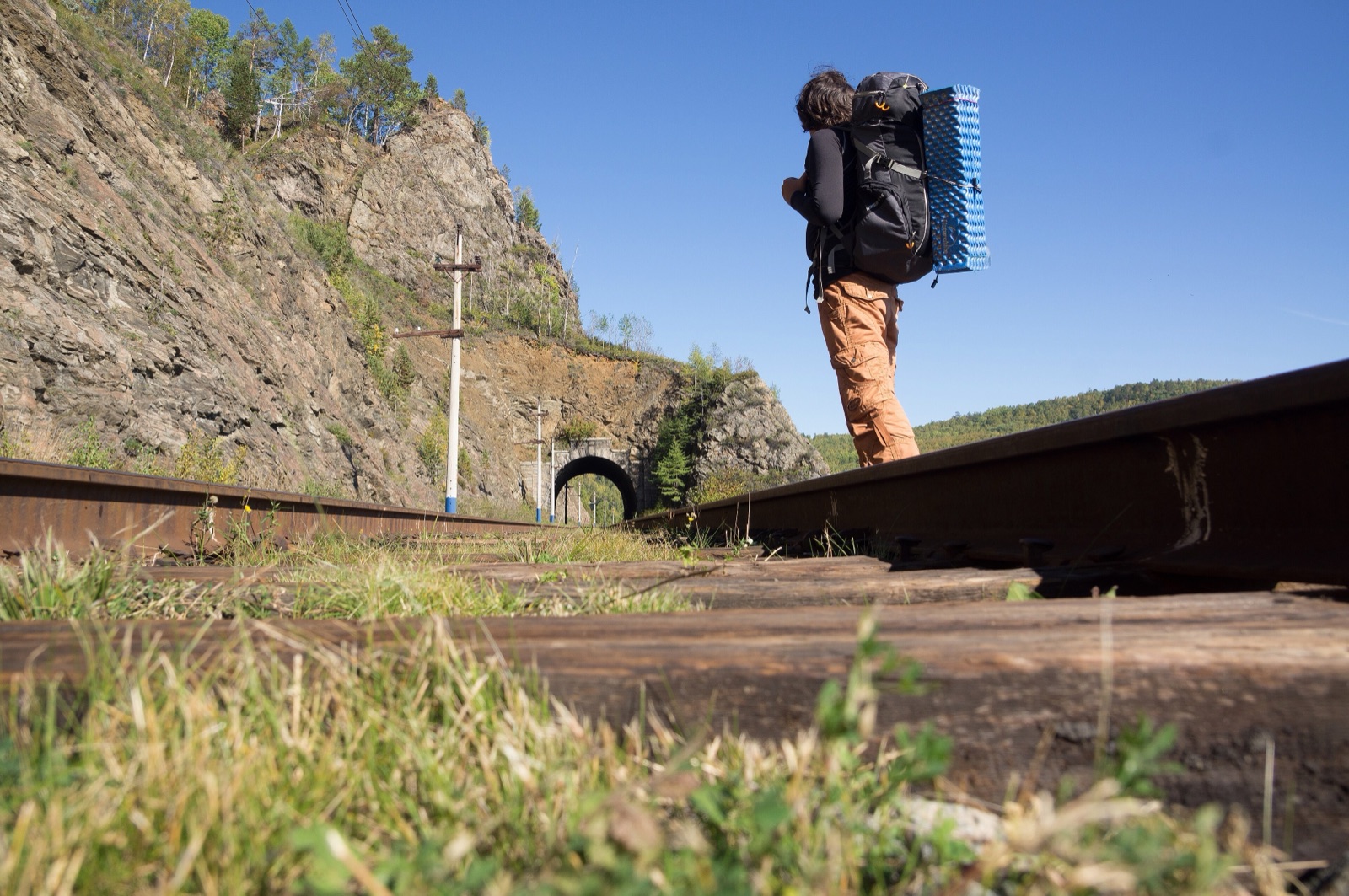
A thin slab of foam that insulates your backside from cold ground — foam, closed-cell or inflatable, and why it also works as a mini sleeping mat in an emergency.
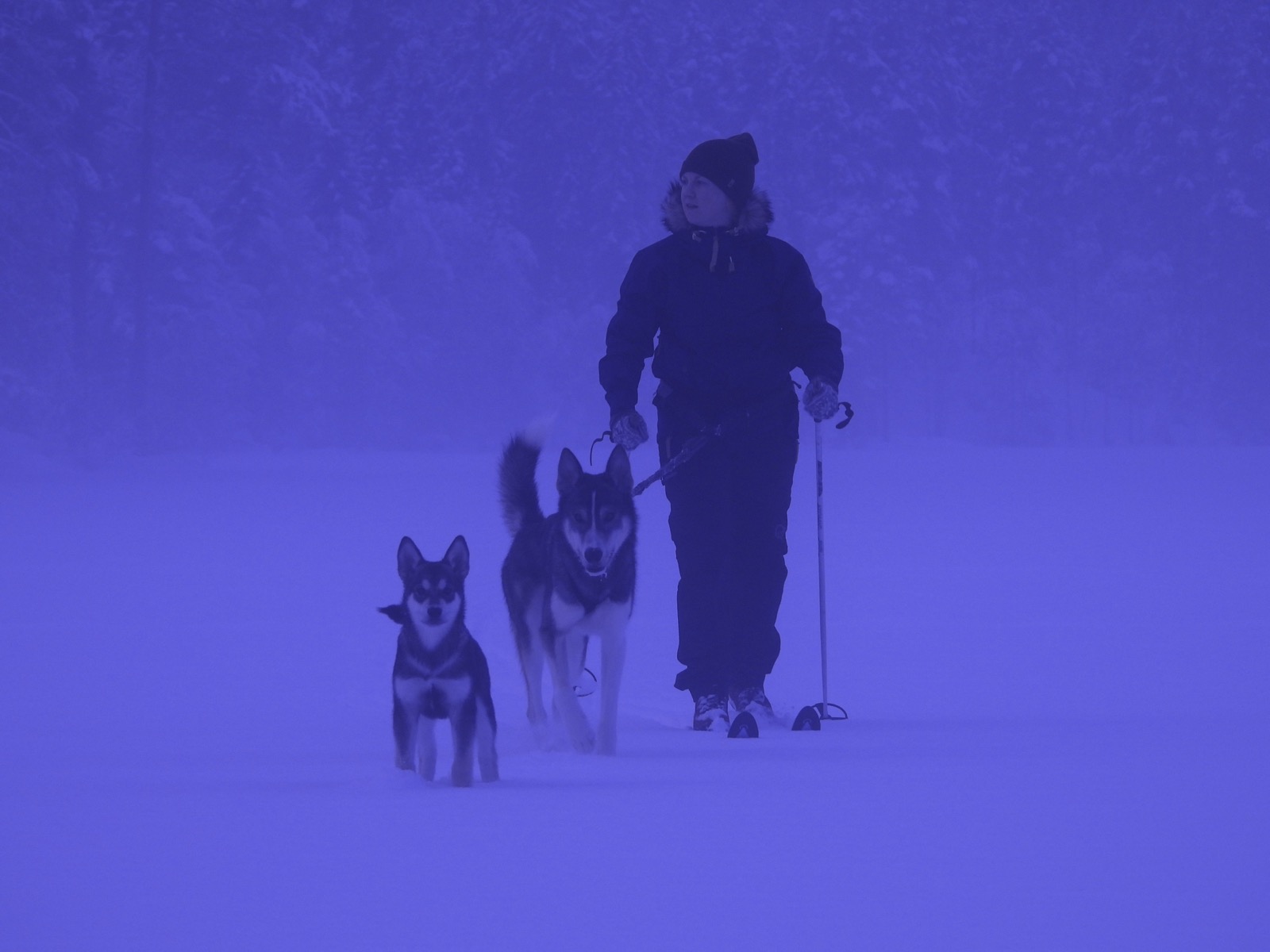
How to choose skis for travel off prepared trails: ski types, bindings, skins, poles — and when snowshoes beat skis.
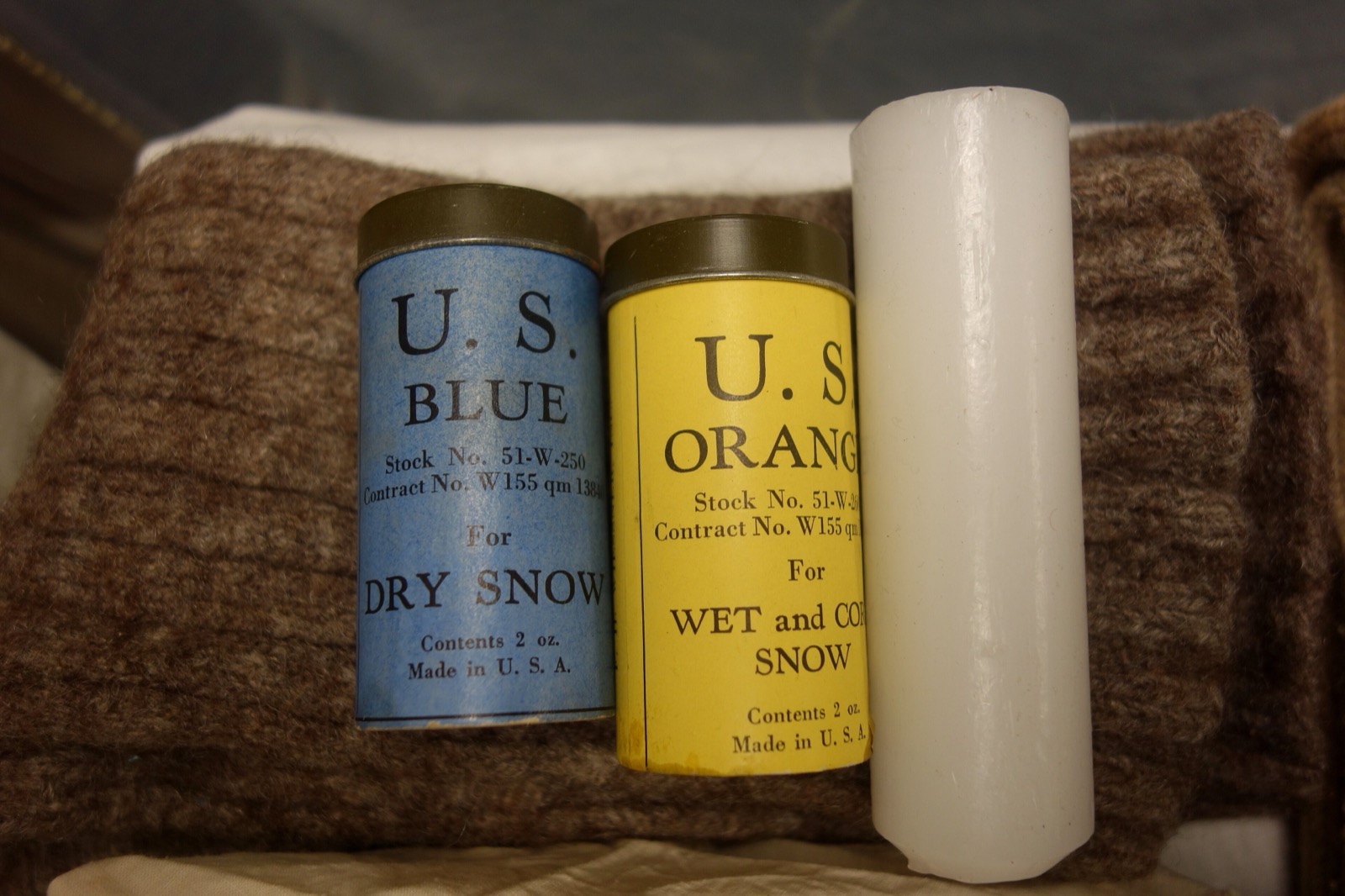
Klister, hard wax, glide wax — which suits which snow, and why you need a scraper either way.
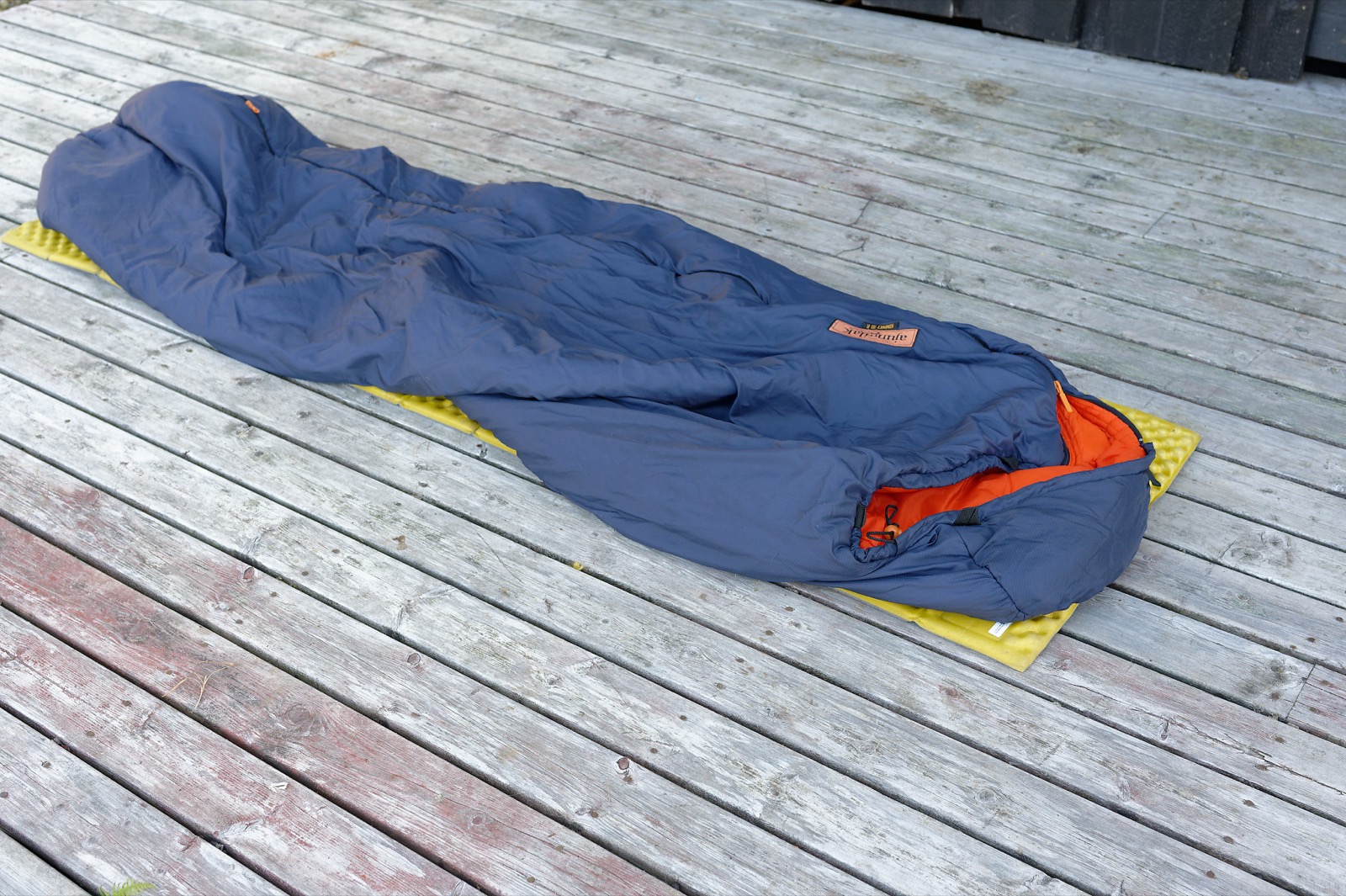
Which sleeping bag do you need? Season types and temperatures, fill (down vs synthetic), and why you should borrow one before you buy.
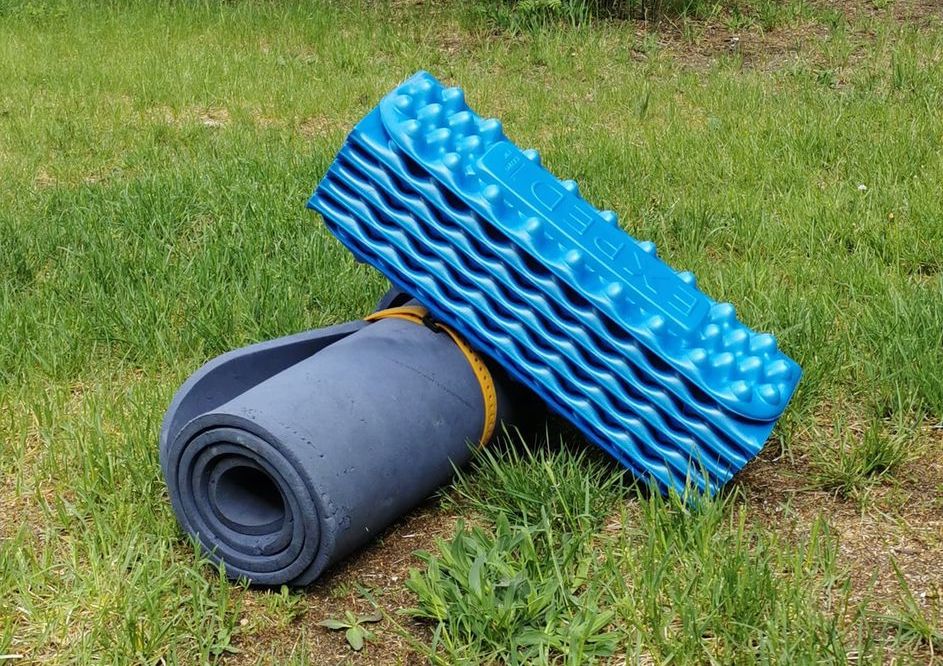
How to choose a sleeping mat: insulation (R-value), types, and why the sleeping mat is often more important than the sleeping bag.
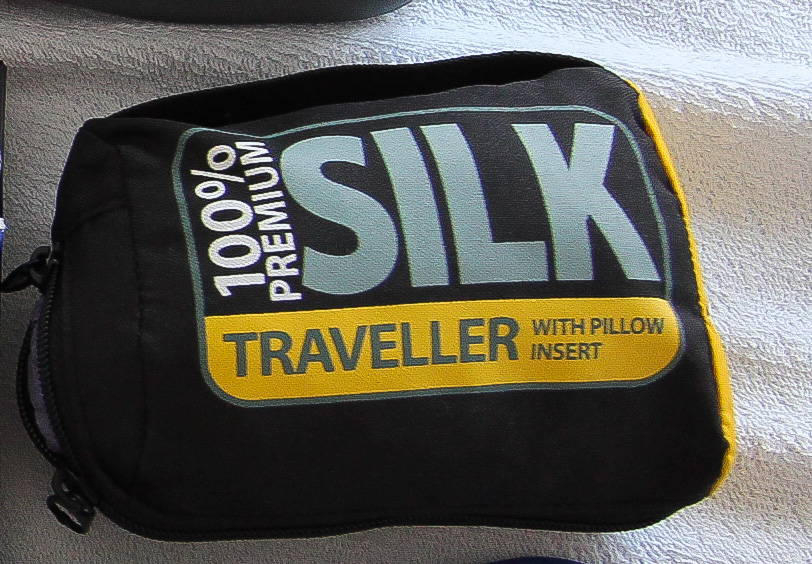
A thin fabric bag used inside the sleeping bag — at DNT cabins it is mandatory, and at home it is the simplest hygiene measure you have.
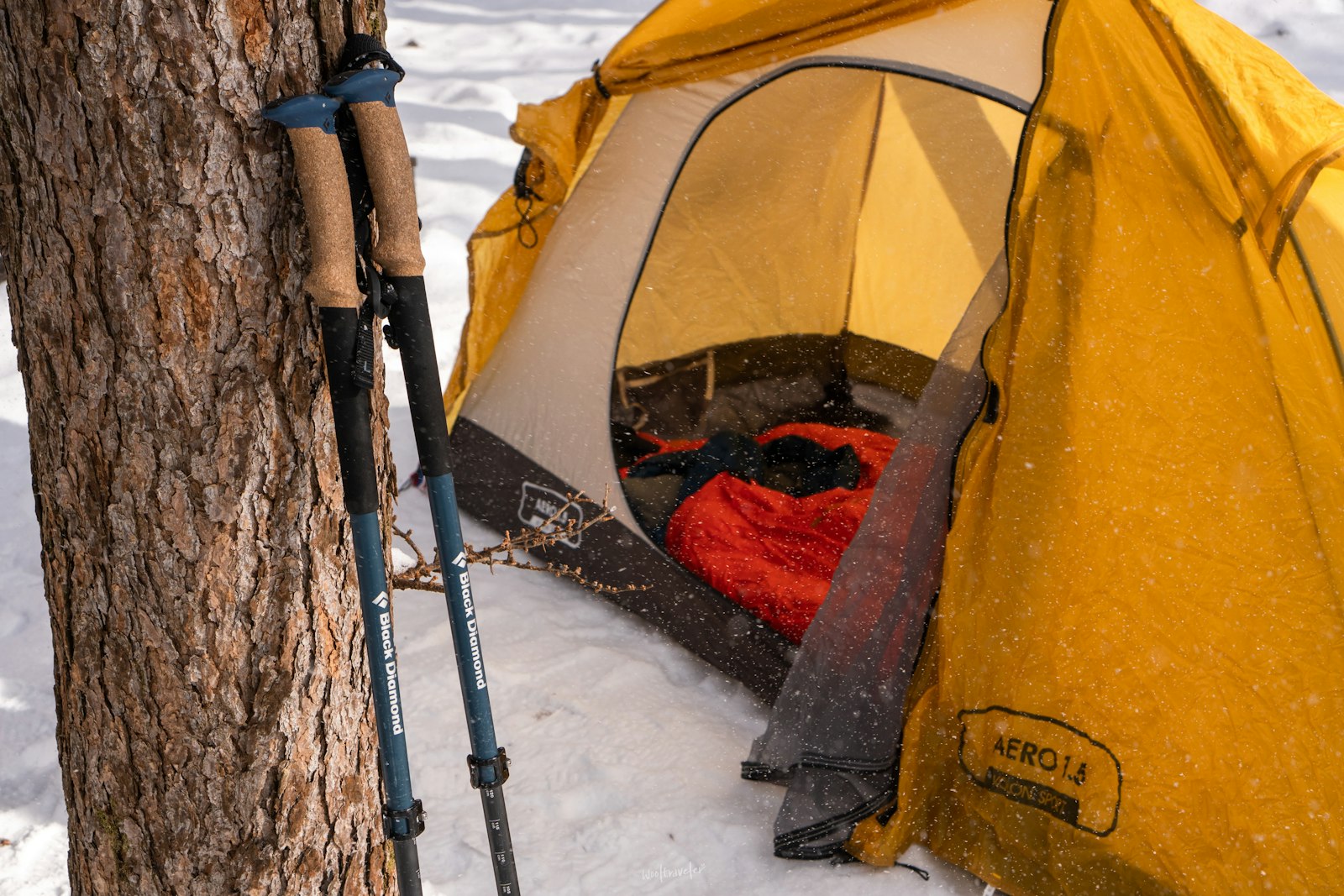
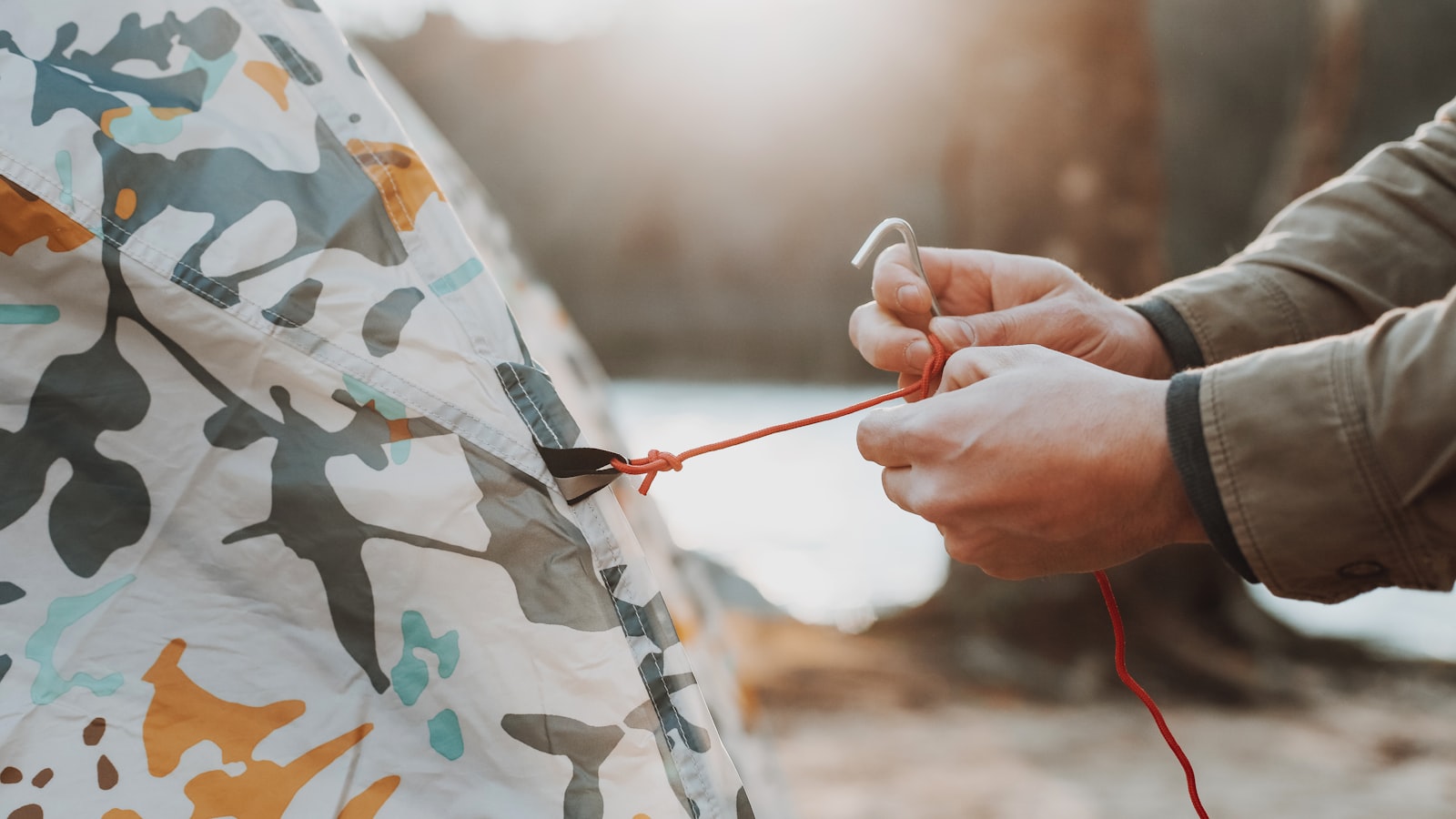
Larger aluminium pegs with flanges that anchor a tent in snow — shape details, attachment knots, and why you should also learn to pack deadmen of snow.
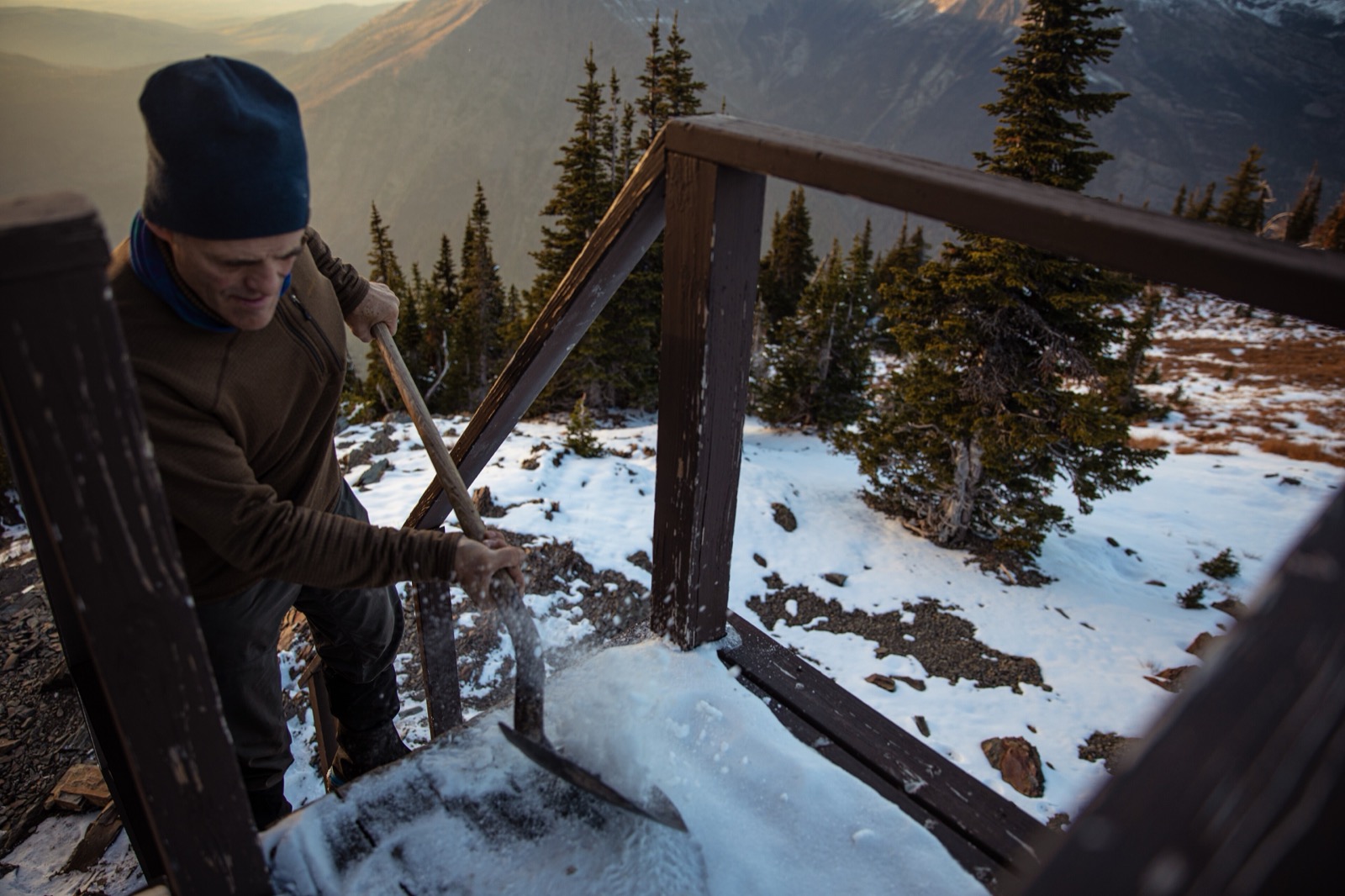
An aluminium shovel with a metal handle — pack size, blade shape, and why a plastic shovel is never enough in a real avalanche.
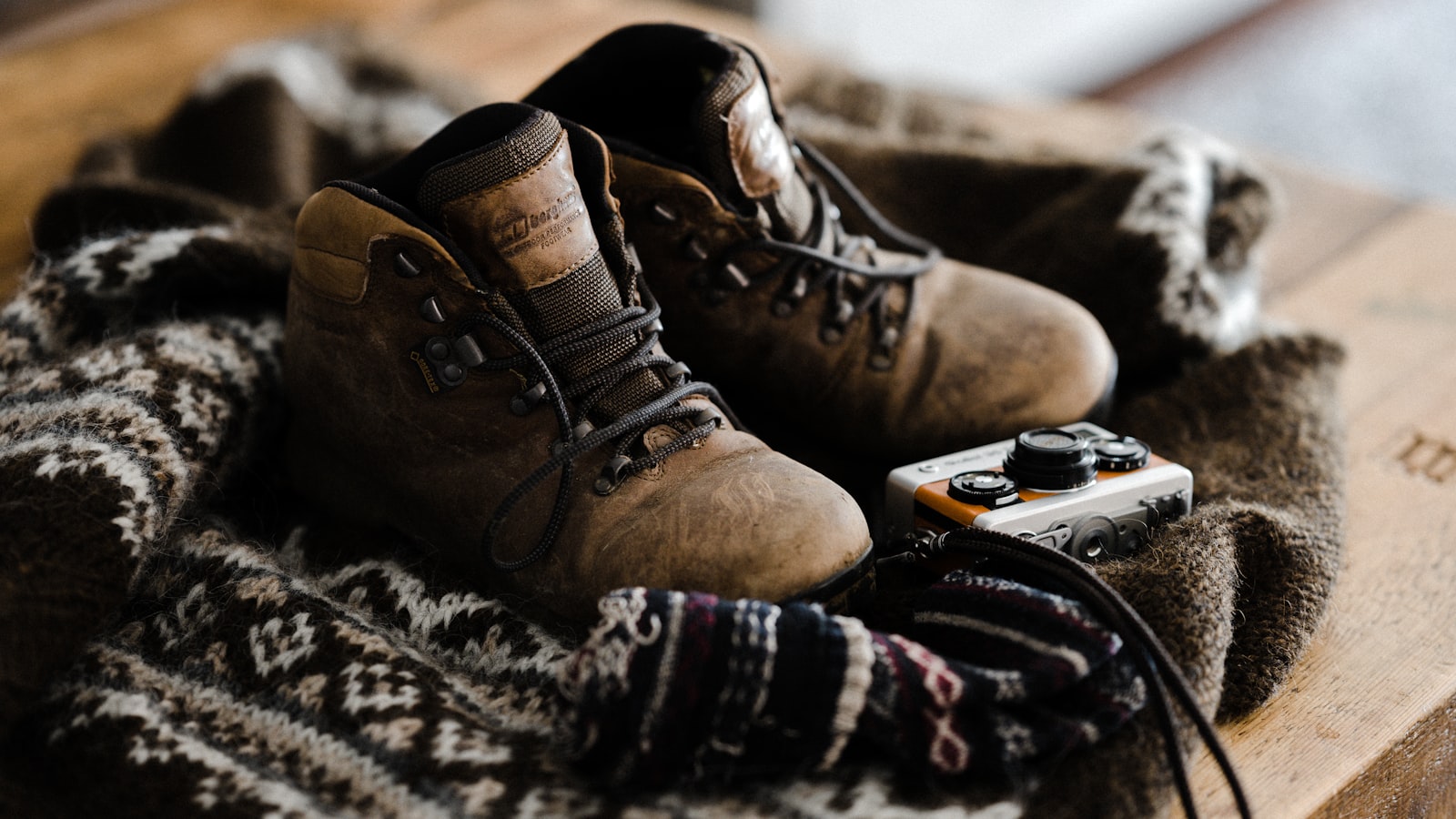
Dry feet are safe feet. Why it has to be wool, how many pairs you need on a multi-day trip, and how to look after your socks.
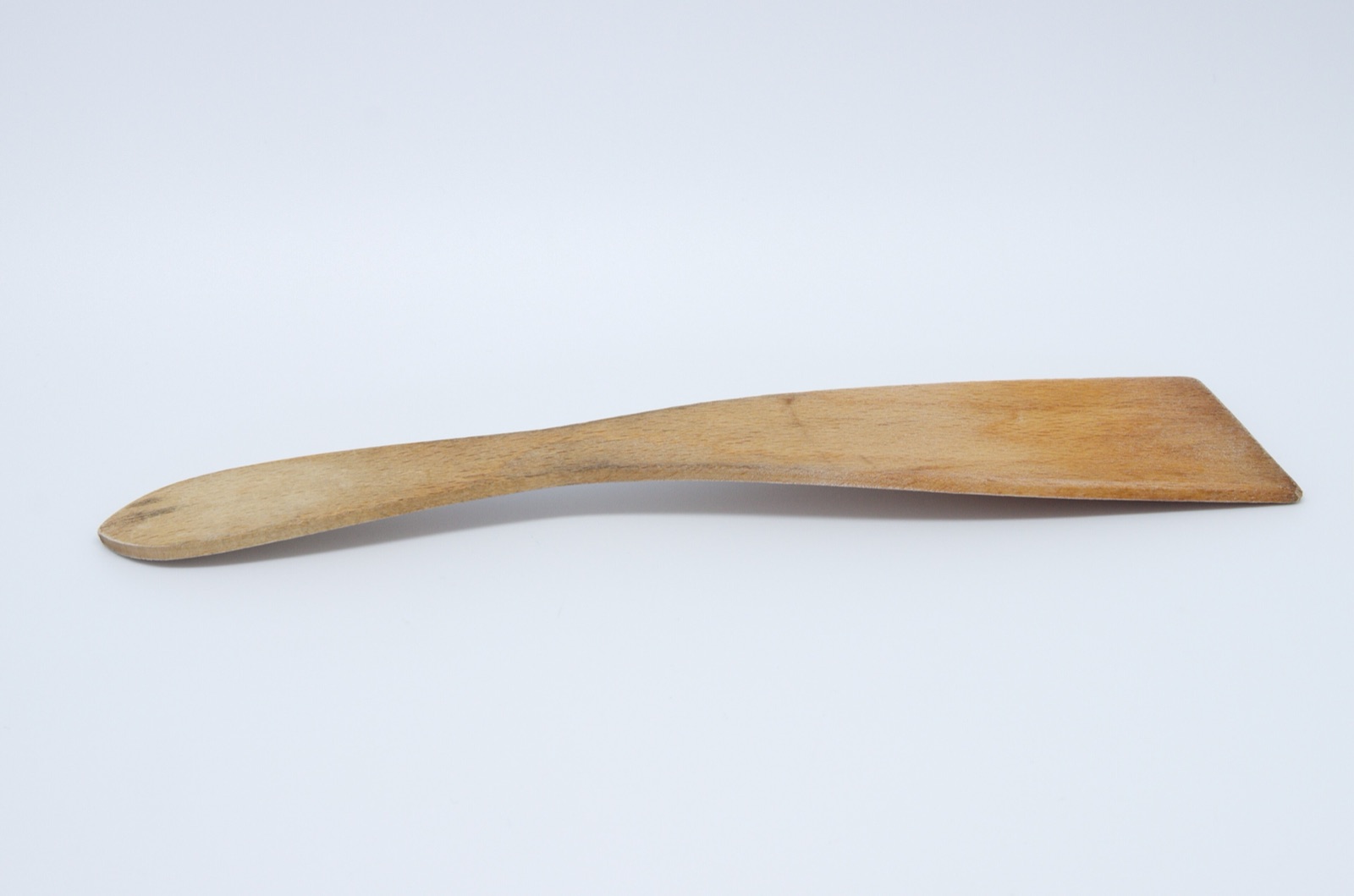
For frying and stirring in camp cookware — silicone, wood or plastic, and why the size has to suit the shape of the pot.
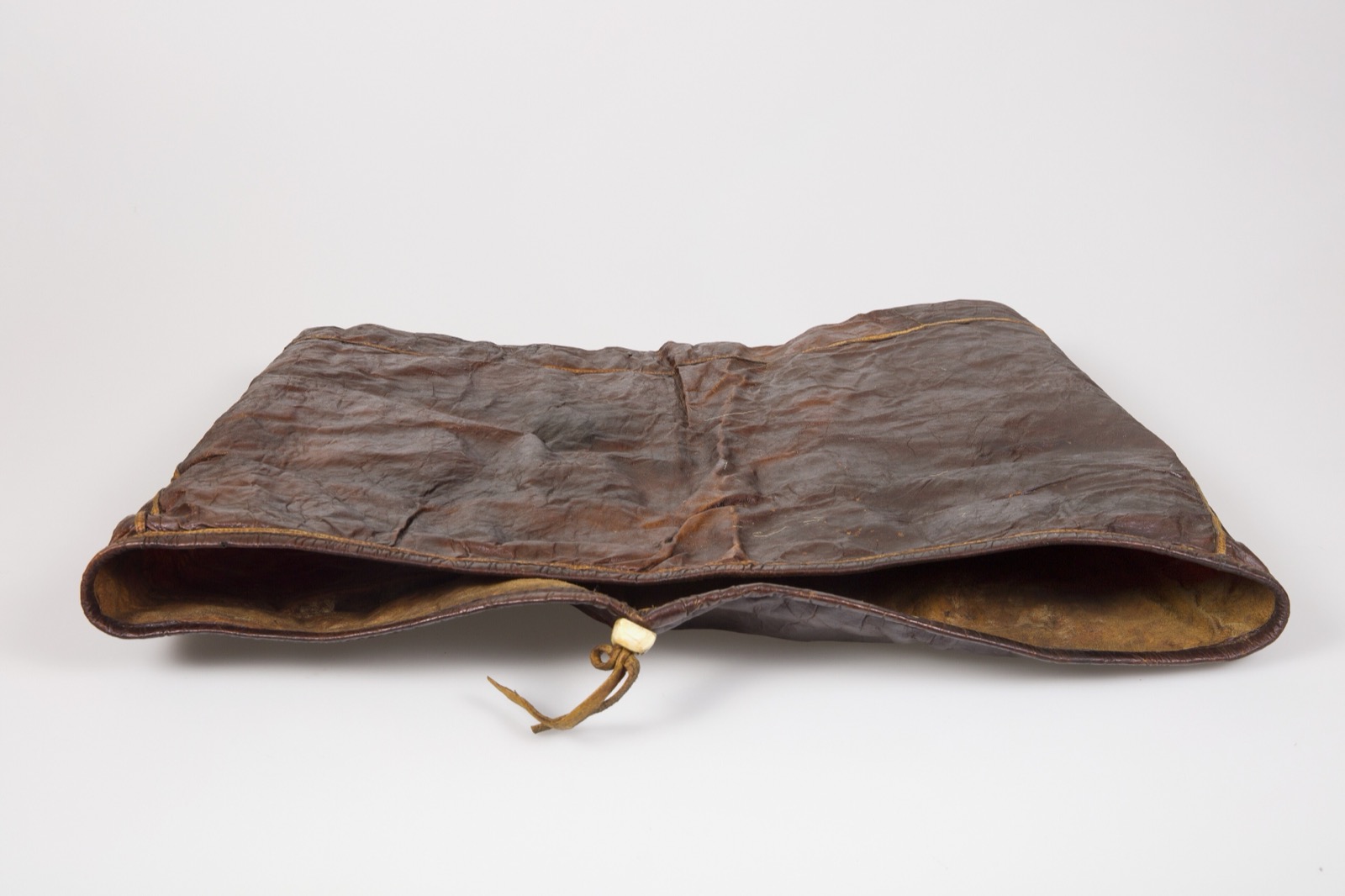
The garment that keeps the cockpit dry in sea and river kayaks. How to understand nylon versus neoprene, why fit and the release strap are safety-critical, and when you actually need one.
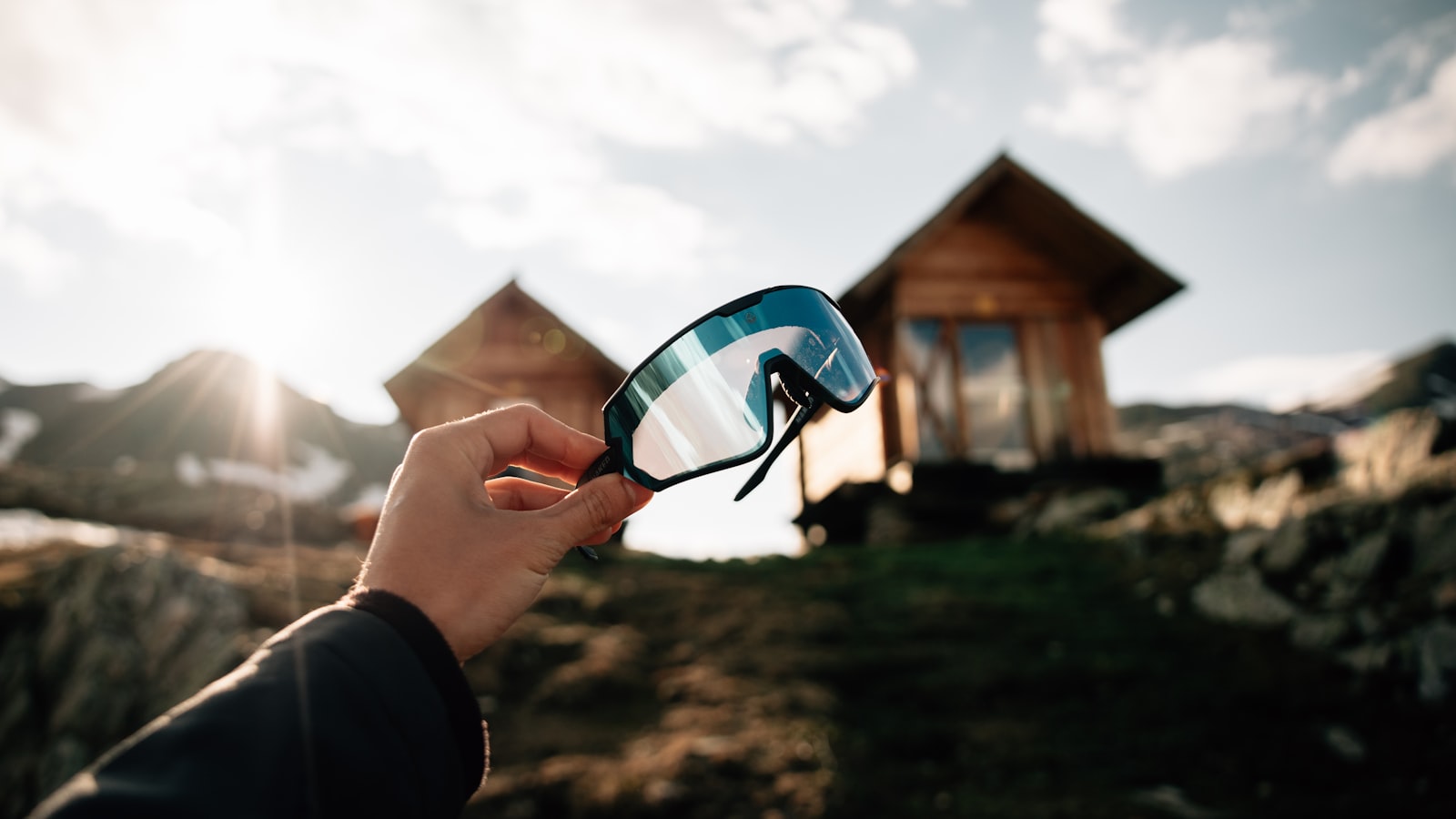
Sunglass categories 1–4, UV protection, polarisation, and when you need real glacier (bre) glasses. Snow blindness is real and serious — and easy to avoid.
Factor 30 or 50, physical or chemical filter, and why sunscreen matters even more on snow than at sea.
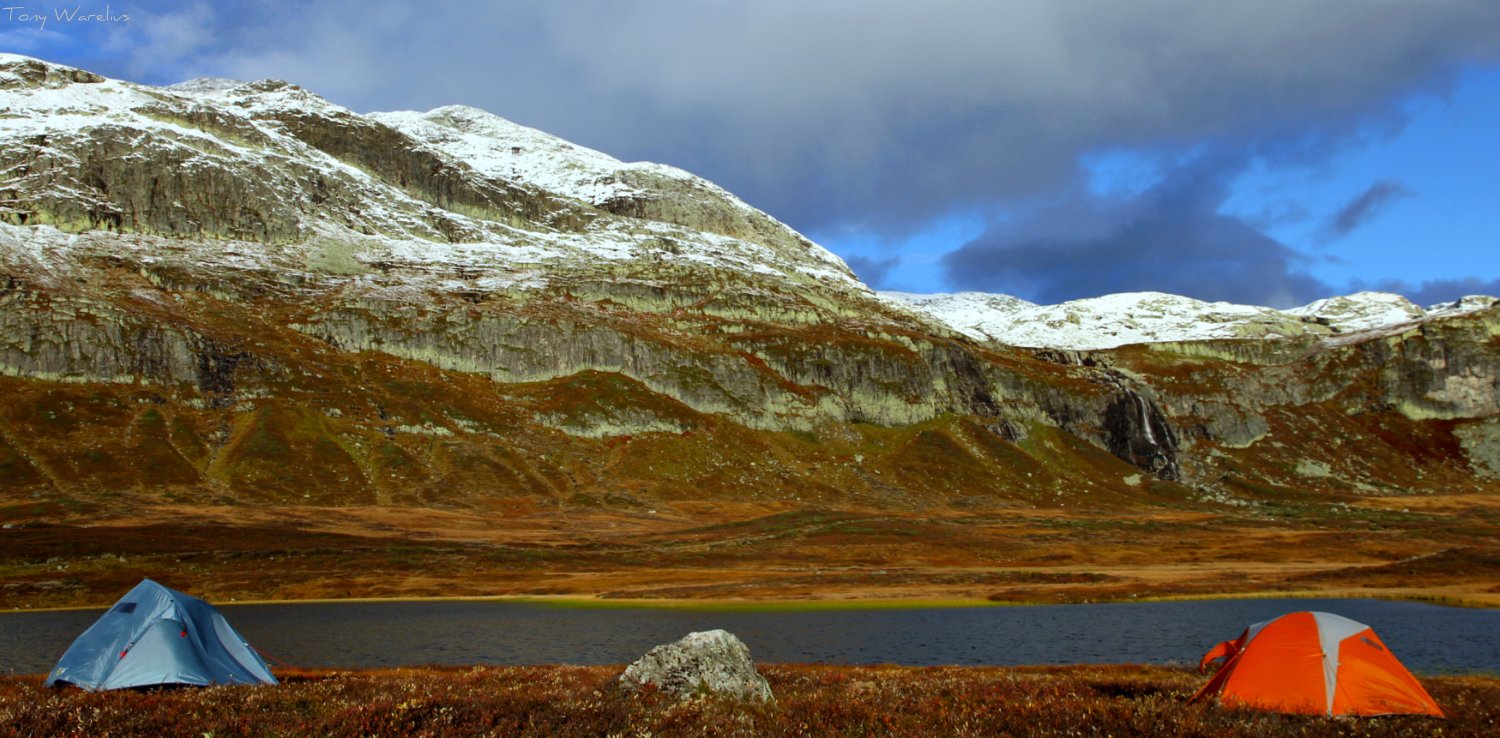
How to choose a tent: weight, wind stability, season, poles and fabric. The main types — dome, tunnel, mountain tent, tarp and hammock — and who each one suits.
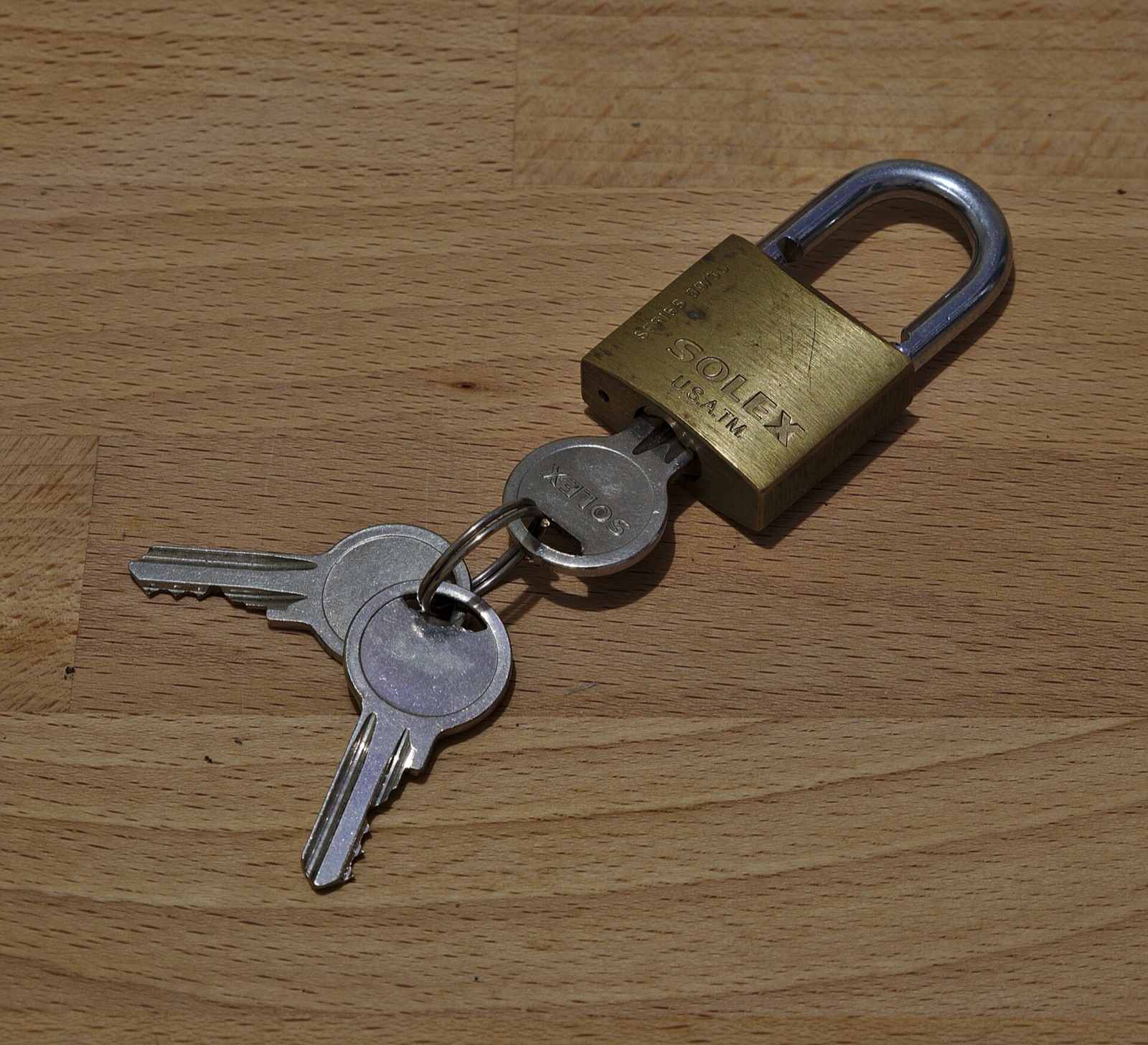
The standard DNT key opens every self-service and no-service DNT cabin — how to order it, what it costs, and what it actually opens.
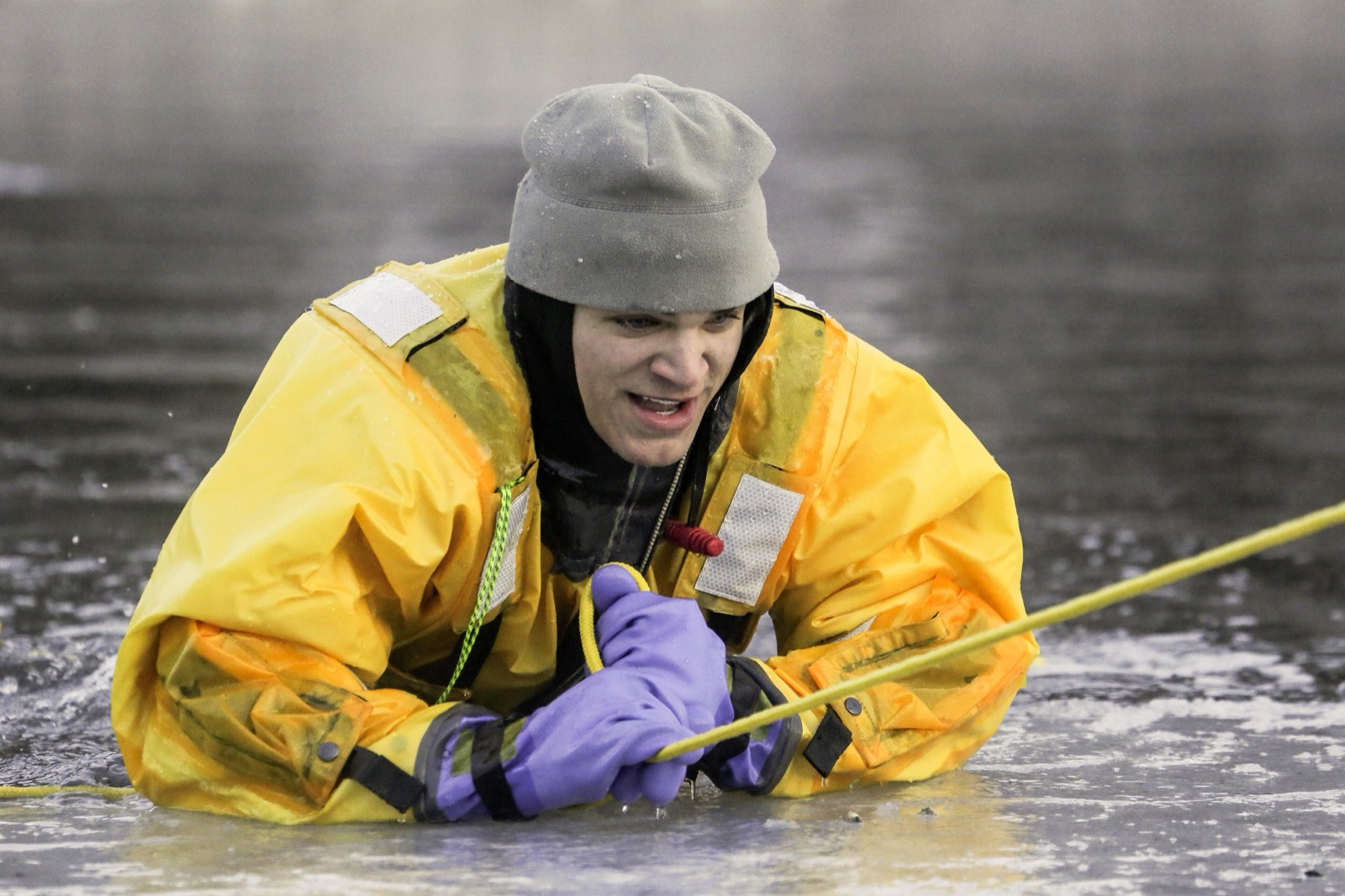
Two similar tools that solve two different problems. A throw line is thrown from shore to rescue a swimmer in current. A tow line is used boat-to-boat to tow a kayak or paddler to shore. How to choose, and how to avoid confusing them.
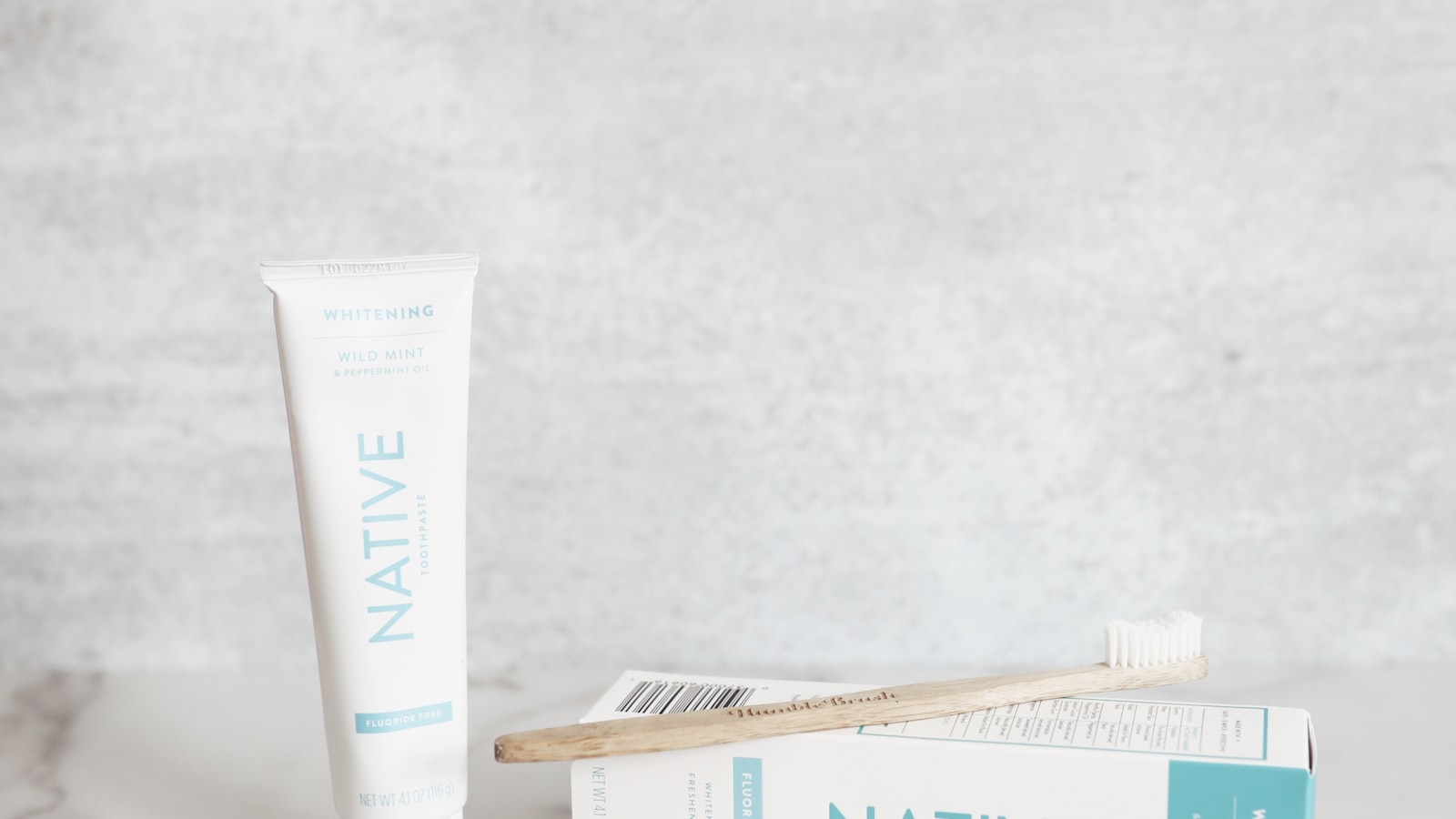
The pack-light principle for the bathroom bag — toothpaste tablets, a short handle, mini bottles, and what Leave No Trace means when you brush your teeth under the open sky.
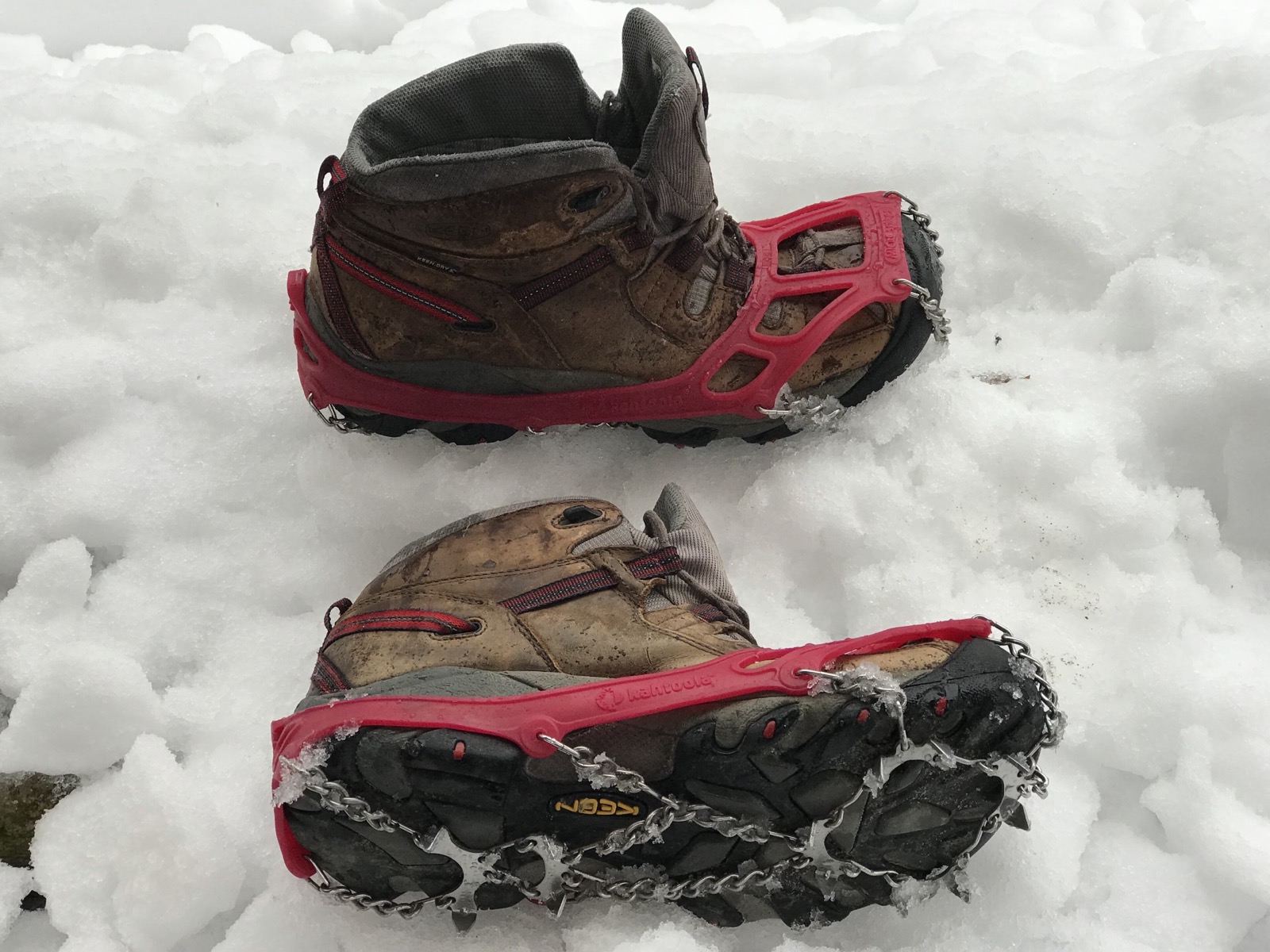
Spike metalwork under the boot for ice and hard snow — from the lightest spike straps to rigid crampons. What suits which kind of terrain.
What to pack as food and provisions on a trip — calorie density, weight-to-energy, freeze-dried versus real food, and why chocolate and dates tolerate the cold best.
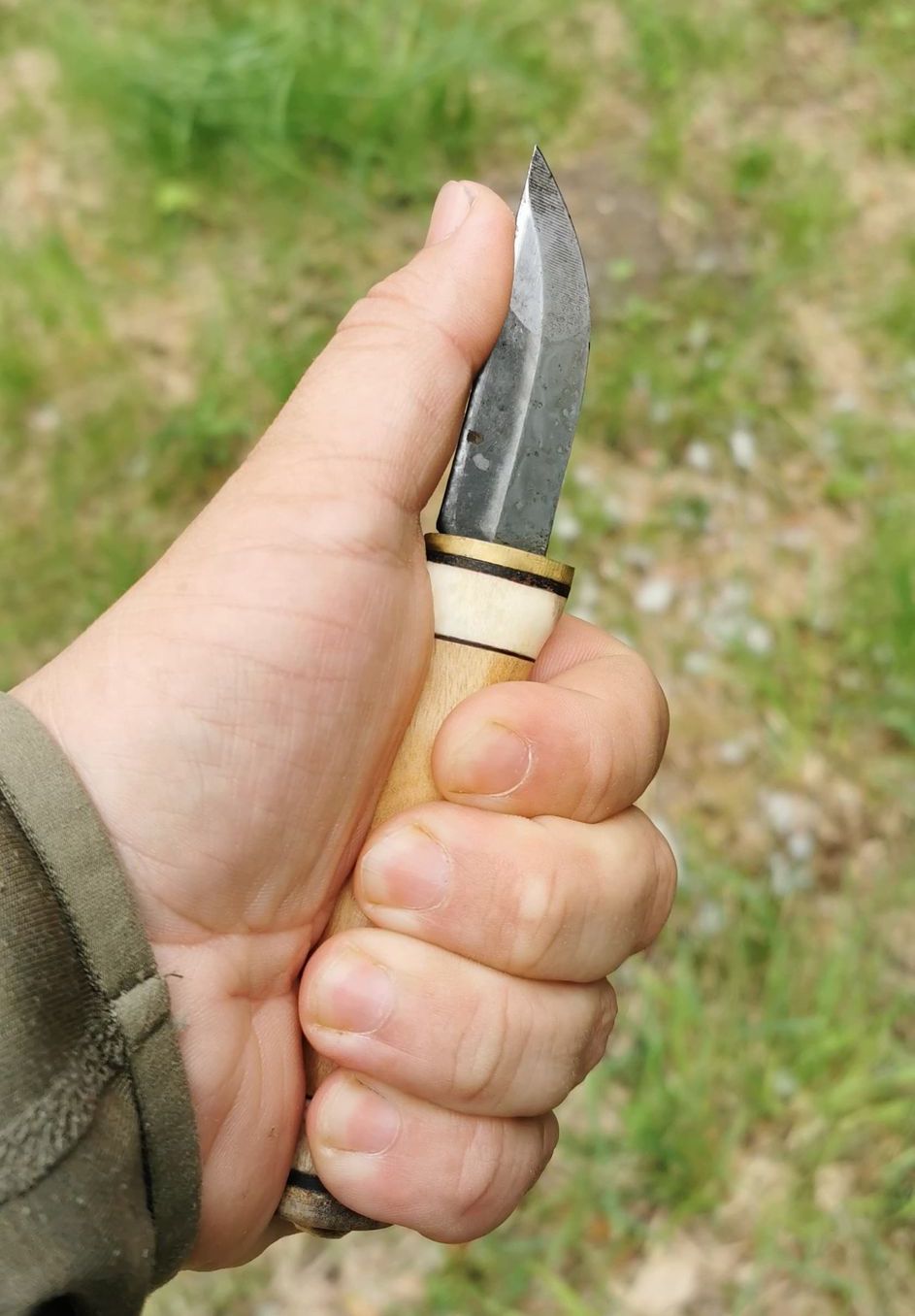
Knife, axe, saw and multi-tool — the tools you occasionally need on a tur. What do you need, and what is safe use?
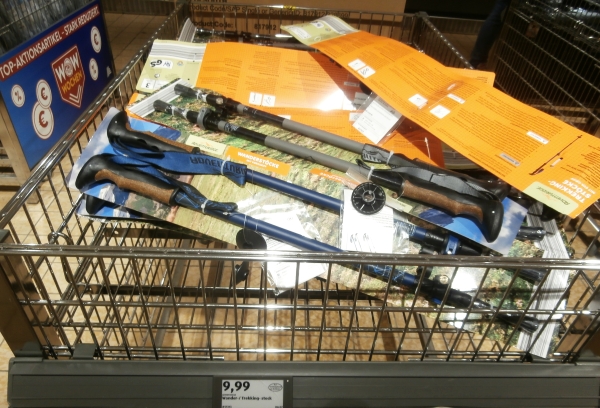
When poles help and when they get in the way, folding vs telescopic, choice of material, and why the length should be adjusted to the terrain — not to what the manufacturer writes.
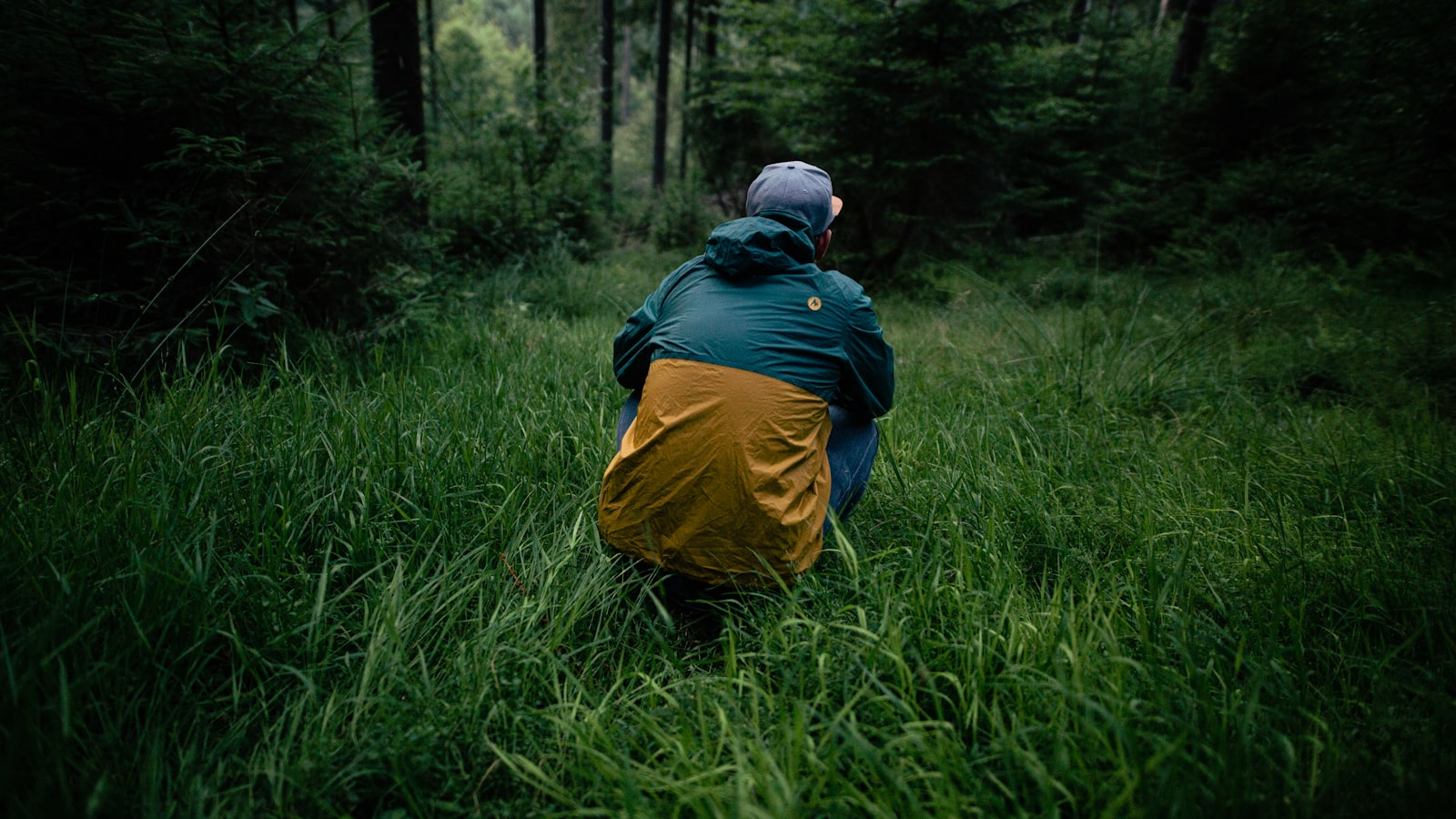
Three different trip jackets doing three different jobs: the windproof jacket stops wind, the rain jacket keeps water out, the down jacket holds heat in. Materials, weight and use.
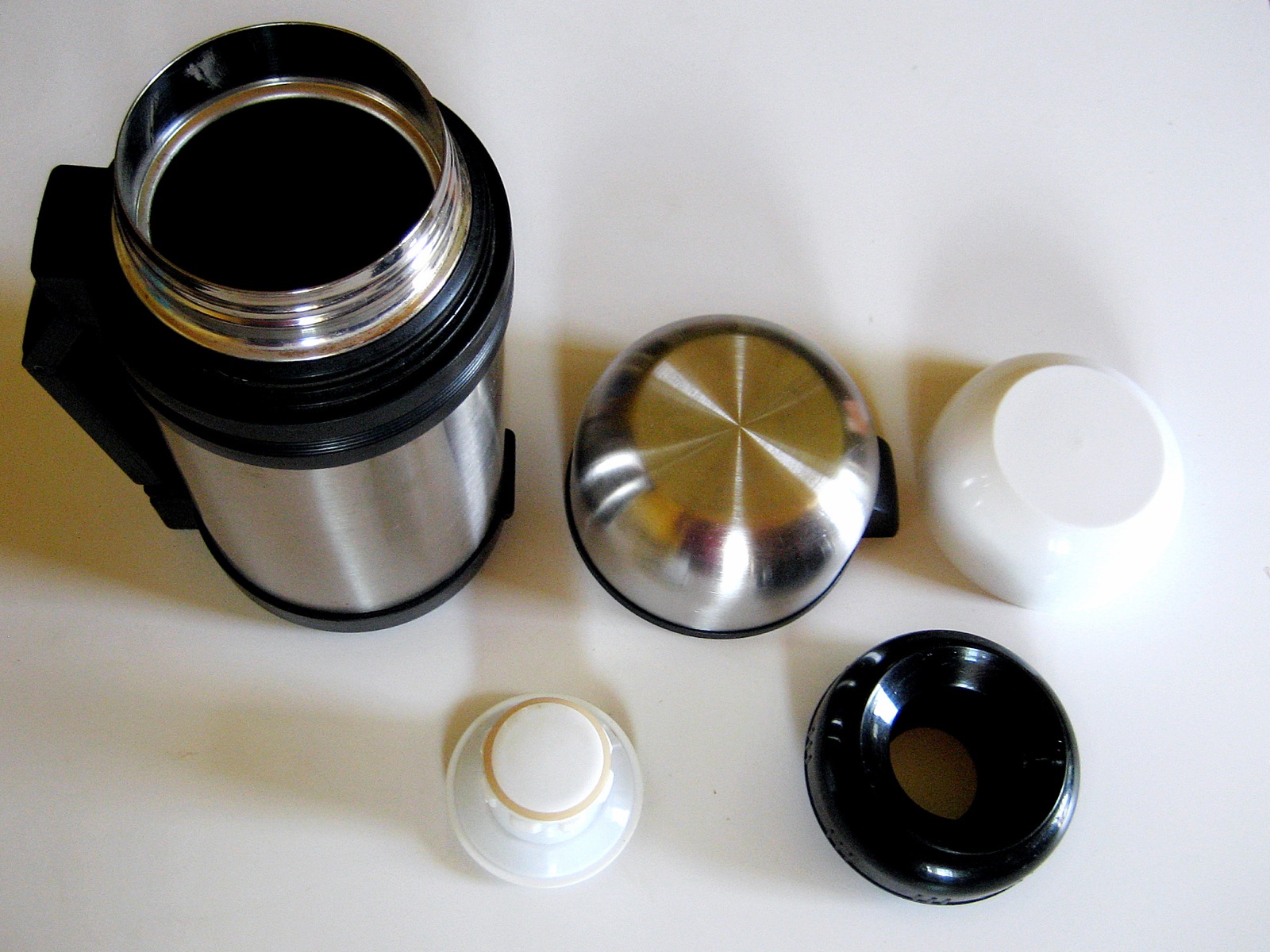
A stainless-steel vacuum flask keeps coffee hot for 12 hours and cold for 24 — sizes, lid types, and why a flask is underrated in summer too.
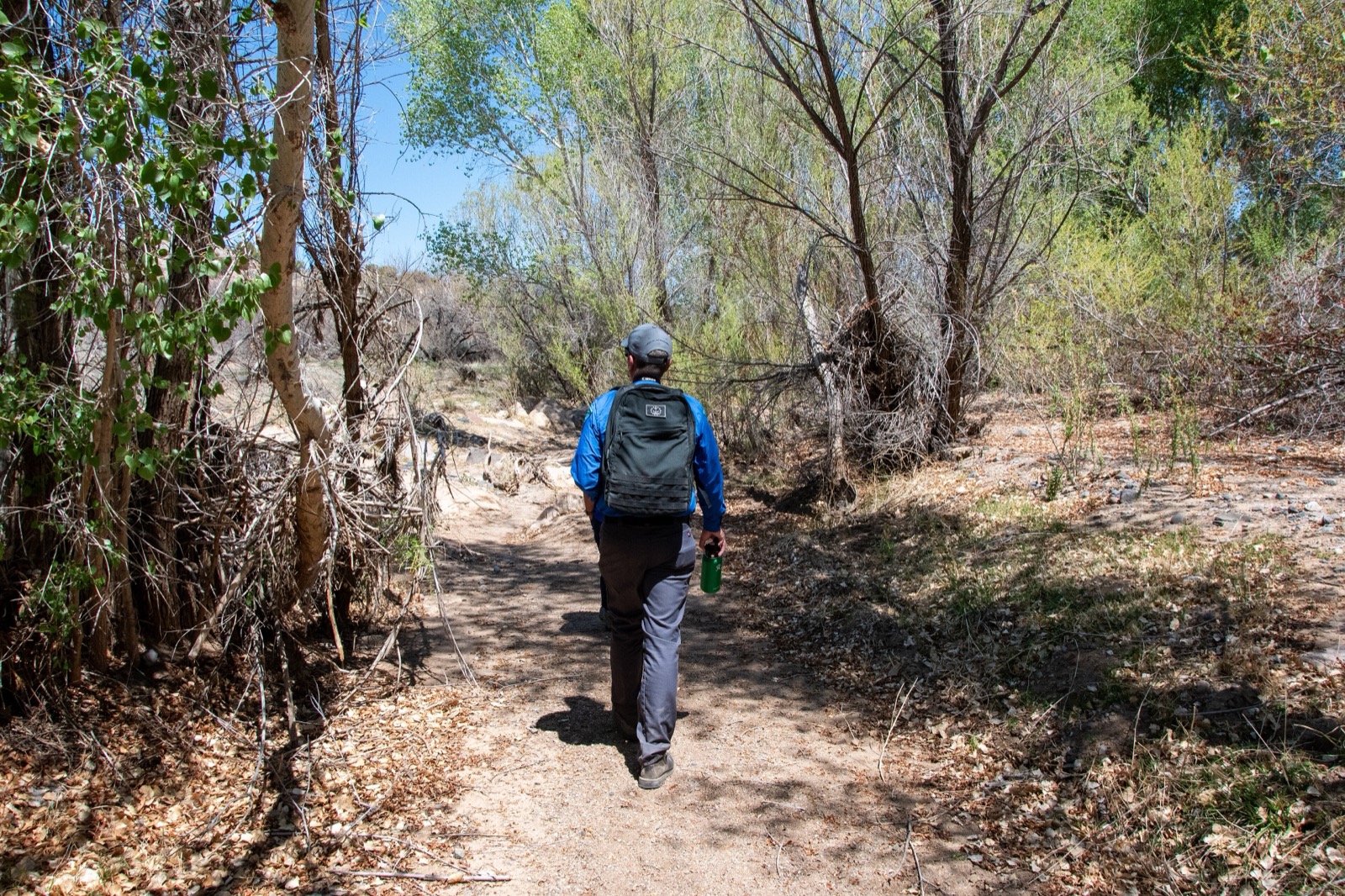
Hard plastic (Nalgene), aluminium, or a bladder (CamelBak/Source)? Volume, insulation against frost, and why you should drink every half hour, not when you get thirsty.
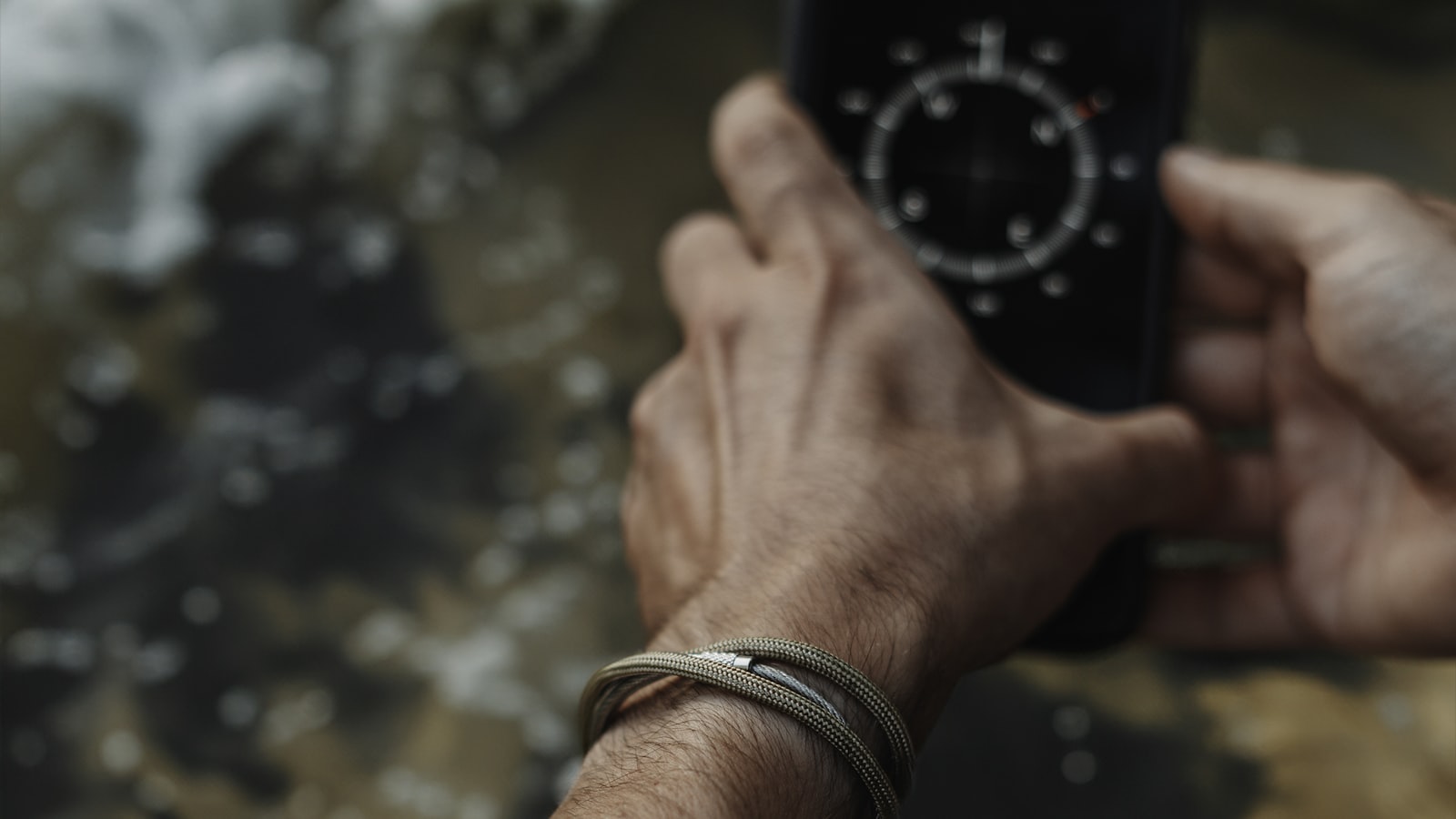
On a paddling trip your phone is map, compass, communication and camera. A waterproof case that floats is what means it still exists after a capsize. Here is how to understand the IPX system, lanyard cases, and why floating is critical.
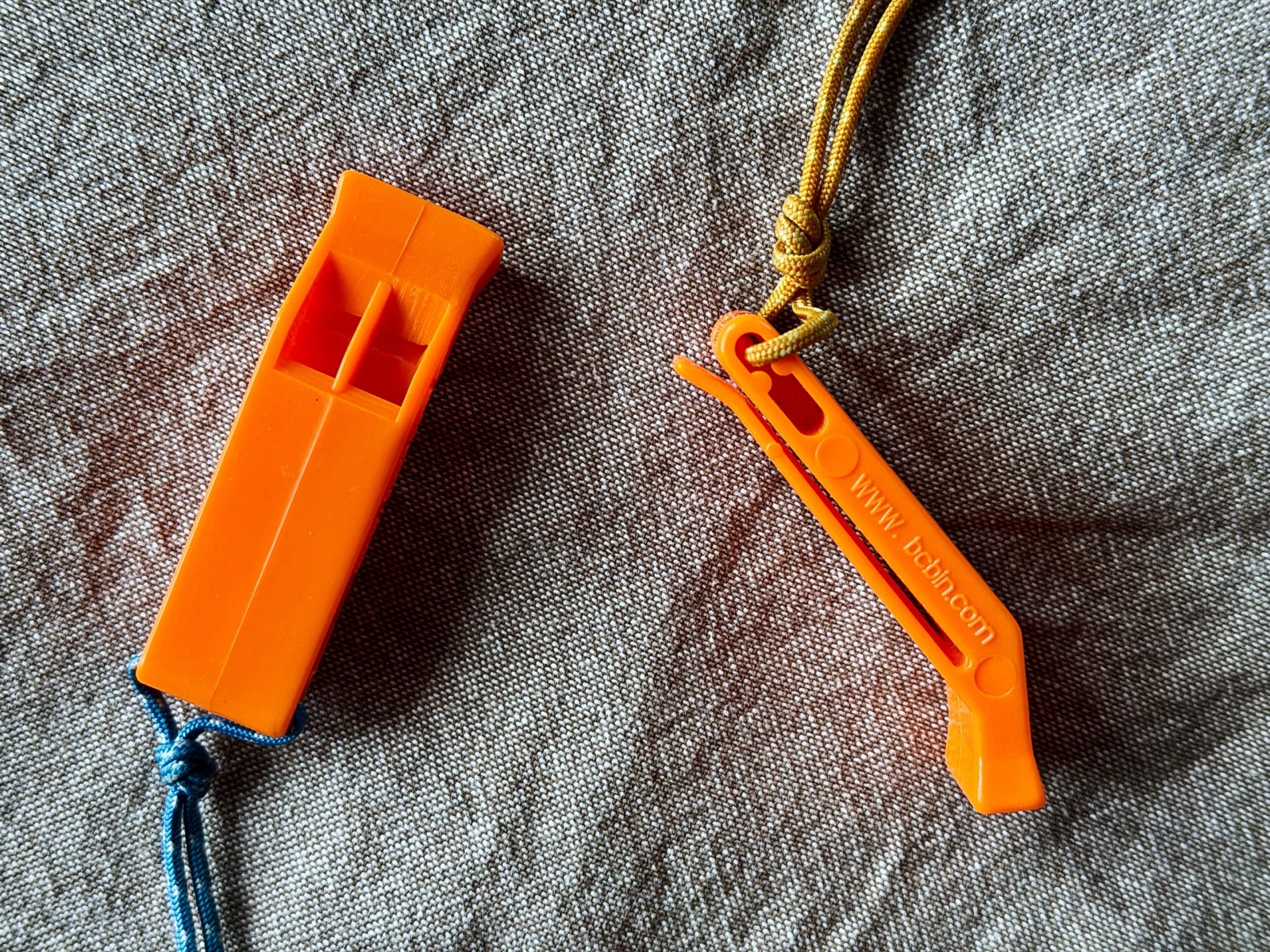
A small plastic whistle in your pack is some of the lightest safety equipment you can carry — the decibel scale, the international distress signal, and where to attach it.
Loose wool insoles in walking boots and mountain boots — extra insulation for cold feet on winter and autumn trips. Thickness, material, and when they make a difference.