Gear
Drysuits and wetsuits
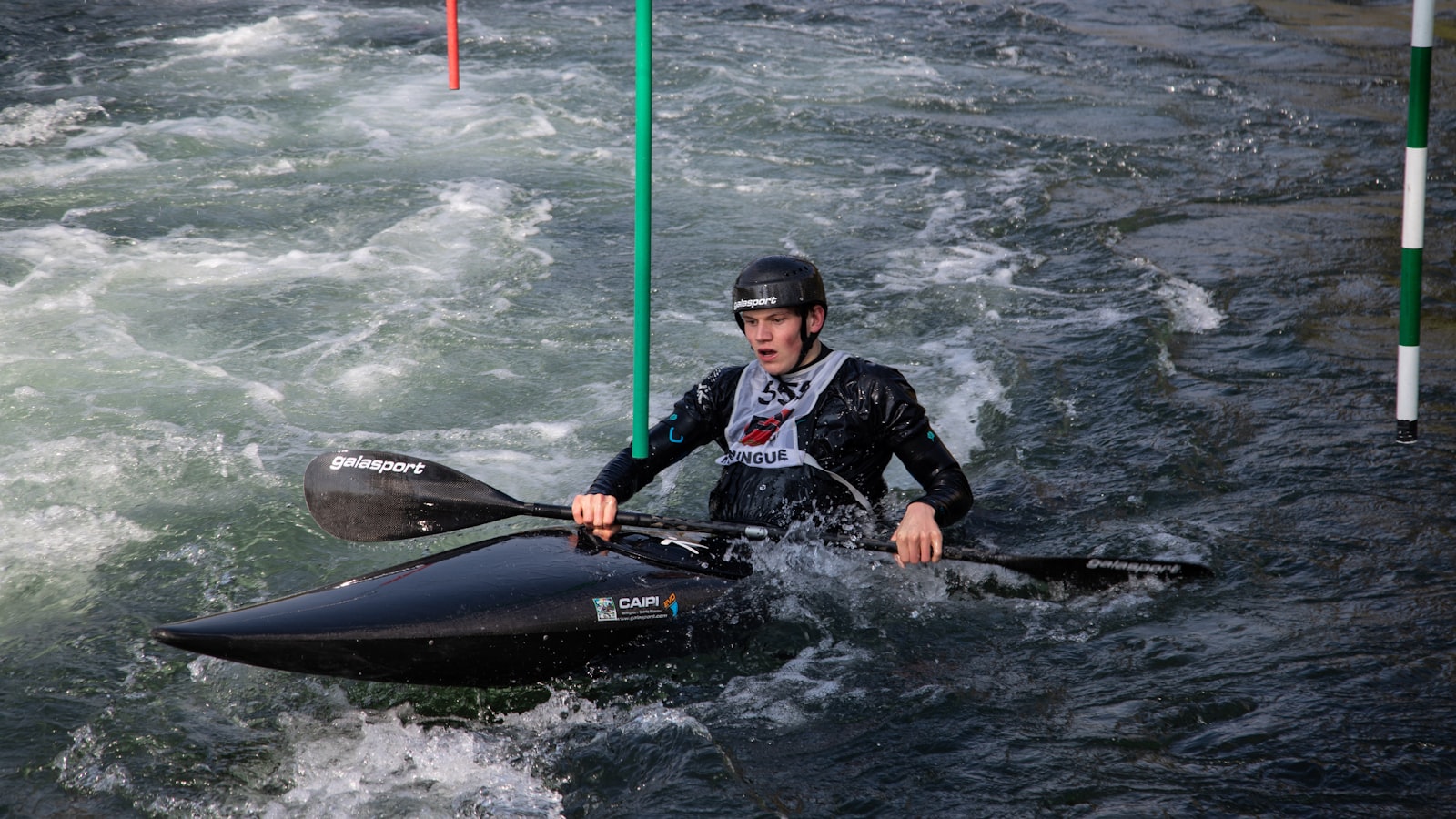
Two fundamentally different solutions to the same problem — staying warm in cold water. The drysuit keeps the water out. The wetsuit lets a little water in and warms it up. How to choose, and how to look after it.
Norwegian waters are cold. Even in summer, the sea temperature along the coast is often below 15 degrees, and in mountain lakes frequently below 10. What you wear in a paddling or swimming situation must therefore match the water temperature, not the air temperature. There are two basic solutions — the drysuit and the wetsuit — and they work on entirely different principles.
It is not a simple either-or. Each of them solves the problem in its own way, has its own uses, and has its own weaknesses. This article explains how both work, where each fits, and what actually governs how long the gear lasts.
How they work
The drysuit is a waterproof membrane between you and the water. The fabric is usually a breathable laminated textile — Gore-Tex or similar — sewn and taped at every seam. Seals around the wrists, neck and ankles close off the openings. A waterproof zip at the front or across the shoulders lets you get in and out.
The suit itself has no insulation. You dress as you would for a cold day out — wool base layer, fleece, perhaps a thin down jacket — and the drysuit goes over everything. When you end up in the water you do not get wet, and the body produces heat normally beneath the suit’s membrane. You can paddle for hours in eight-degree water without your core temperature dropping.
The wetsuit is the opposite principle. It is made of neoprene — a thick foam material in different thicknesses (3, 5 or 7 millimetres) — which lets a thin film of water in between the suit and the body. The water is warmed by the body and becomes an insulating layer. The suit is not waterproof; it insulates through the heat-retaining property of the neoprene.
The result is that a wetsuit works better the warmer the water is, and worse the colder it is. In 15-degree water a 5 mm wetsuit keeps you comfortable for hours. In 8-degree water you start to feel cold after 30–60 minutes.
When you need which
There is a rough rule of thumb that covers most cases:
| Water temperature | Recommended solution |
|---|---|
| Above 15 °C | Ordinary paddling clothes or a thin wetsuit for comfort |
| 10–15 °C | Wetsuit 3–5 mm, or drysuit with a thin base layer |
| 5–10 °C | Drysuit with a fleece base layer, or a thick wetsuit with a dry top |
| Below 5 °C | Drysuit with layered base layers. Wetsuit not advised. |
The drysuit gives the best safety in cold water because it works just as well whether you are swimming actively or lying still. A wetsuit requires you to keep moving to produce the heat it insulates; if you lie passive after a capsize, cold water comes through over time and cools you down.
For paddling in Norway outside high summer, the drysuit is the right choice for most situations. The wetsuit works well in summer and in inner fjords with warmer water, but it is a suboptimal solution when the water is genuinely cold and you plan to be out for a long time.
Seals — latex or neoprene
The seals around the wrists, neck and ankles are the most vulnerable parts of a drysuit. Two materials dominate:
Latex is very tight — in practice 100 per cent waterproof. The seal sits snug against the skin, adjusts itself automatically, and is easy to replace when it wears out. The drawback is that latex is colder against the skin than neoprene, and that it must be treated regularly (sprays or oil every 6–8 weeks) so it does not dry out and crack. Lifespan is 6 months to 3 years depending on use and maintenance.
Neoprene is more comfortable to wear — warmer against the skin and more forgiving in fit. It can be repaired with neoprene glue if it gets a hole. But it is not 100 per cent tight, and lets a little water through during rolling or with the head underwater. For paddlers who do rolling or paddle in waves, latex is usually the right choice. For touring and calm sea paddling, neoprene is comfortable enough.
Replacing a seal is a routine maintenance job and can be done at home with the right equipment, or taken to a workshop. Paddling-specialist workshops replace a seal for somewhere between 800 and 1500 kroner, and your suit lives on.
The zip — the critical component
The waterproof zip is where the suit typically fails after many years of use. It is a mechanical component that cannot be repaired when it goes — only replaced — and in the worst case the whole suit can be finished if the workshop cannot do the job.
Maintenance is simple and crucial:
- Lubricate the zip with wax spray or silicone-based zip grease after every wash. It keeps it supple and prevents wear.
- Close the zip completely before storage, but do not pull it tight. It should simply lie closed, not under tension.
- Do not bend the zip at a sharp angle. Hang the suit flat or on a wide hanger, do not stuff it into a bag.
- Rinse with fresh water after salt water, especially the zip track. Salt destroys the zip faster than anything else.
A well-maintained zip can last the whole life of the suit. A neglected zip can fail after 3–4 years.
Other maintenance
The drysuit is one of the more costly investments in paddling gear. Maintenance gives several extra years of life:
- Rinse with fresh water after every trip. Dry in the shade, never in sunlight or on a radiator. UV breaks down both fabric and latex.
- Latex seals are treated with a dedicated latex maintenance spray every 6–8 weeks. This prevents drying and cracking.
- Check the seams before each season. Tape that has come loose can be repaired with liquid seam tape.
- Check the membrane for wear points and holes. Small pinprick holes can be sealed with a liquid repair product; larger holes need a fabric patch.
- Storage is done hanging or flat, never folded up for any length of time.
A well-maintained drysuit lasts 7–10 years or more. Seals and zip are replaced along the way as needed. The suit itself — the fabric and the seams — is what must eventually be replaced.
For wetsuits, maintenance is simpler: rinse with fresh water, dry on a hanger in the shade, do not keep it folded for a long time (this creates permanent creases that weaken the neoprene). Lifespan 5–8 years with normal use.
Price and value
A drysuit for paddling typically costs 6 000–15 000 kroner new, depending on material and quality. It is a considerable investment. But over a 7–10 year lifespan it is one of those pieces of gear where the investment really pays off — for safety, comfort and how many years you can actually paddle.
A used drysuit can be found on the market for half or a third of the new price. It is a good start for someone who does not know whether they will paddle enough to justify buying new. Check the seals, zip and seams carefully before buying — they are the most expensive to repair.
A wetsuit for paddling costs 1 500–4 000 kroner. More affordable, and suitable for those who paddle mostly in summer or on a lake.
Who needs what
For touring and sea paddling year-round in Norway: the drysuit is the right choice. It is the only solution that lets you actually paddle the whole year, and it gives the best safety in a capsize.
For summer paddling on a lake or inner fjord with warmer water: a wetsuit of 3–5 mm does the job fine. Cheaper, and warmer on days when you get a little wet without ending up fully in the water.
For river paddling: the drysuit is often the right one, especially because rolling and capsizing are normal. Latex seals are clearly recommended because you have a lot of direct contact with the water.
For SUP and calm paddling in the summer half-year: ordinary paddling clothes (synthetic or wool) over swimwear are enough. A suit is overkill.
For divers, winter swimmers and survival-suit use: other rules apply. This article is focused on paddling.
For the layering system under the drysuit — which materials work, and how many layers you actually need — see clothing.
Next steps
- Buoyancy aid — the other piece of safety kit on the water, always used together with the suit
- Base layer — the wool underwear you wear beneath the drysuit
- Paddling — the activity the suits are made for
- Cold water and hypothermia — why water temperature, not air temperature, governs what you wear
- Rescue in a kayak — how the suit behaves in a capsize and during rolling
Learn more
Text: Snuitide (2026).