Gear
Snow shovel
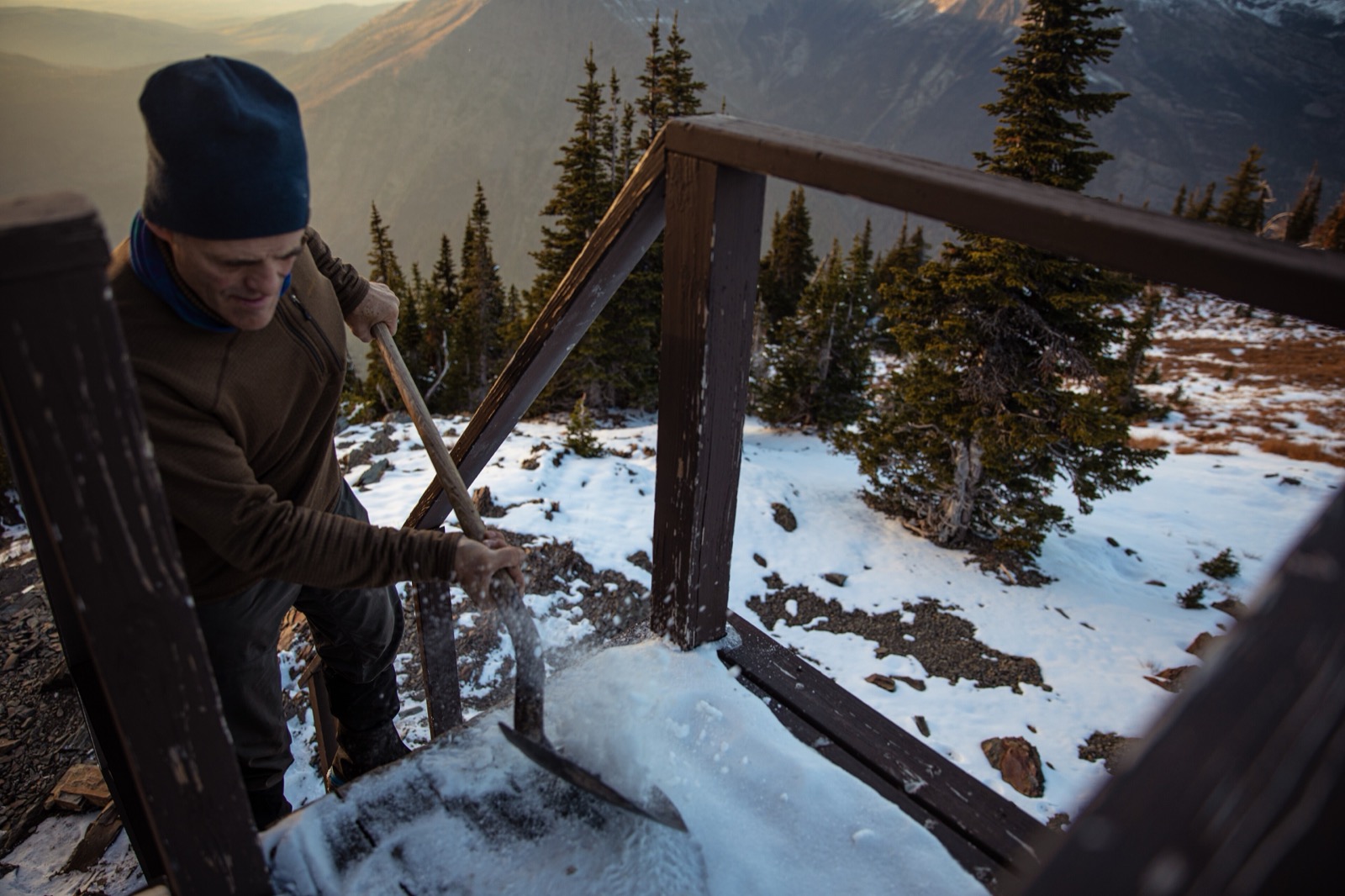
An aluminium shovel with a metal handle — pack size, blade shape, and why a plastic shovel is never enough in a real avalanche.
The shovel is the third of the mandatory avalanche items, after the avalanche transceiver and the avalanche probe. Once the person has been located with the transceiver and pinpointed with the probe, it is the shovel that actually gets them free. Studies of how time is spent in avalanche searches show that digging is often the longest phase — typically 70–80 % of total rescue time. A good shovel and efficient digging technique are therefore where the greatest time saving lies.
Construction — blade and shaft
The blade should be aluminium with a good wall thickness (1.5–3 mm). The standard shape is a flat-bottomed scoop, often with a pointed tip for penetration and a short flange on the back for support against the back of a boot. Width 22–28 cm, depth 30–40 cm. Volume per stroke: 4–8 litres of snow.
The shaft should be aluminium (not plastic or carbon fibre) — it is loaded in every direction during hard digging and must withstand bending without breaking. Length when extended: 60–80 cm. Many models have a telescopic shaft that extends to 80–100 cm — giving more lifting power and less strain on the back.
The handle comes in two main forms: a D-grip (a closed triangle for the hand) and a T-grip (a horizontal bar). The D-grip is the most common and gives better control. The T-grip is lighter and packs smaller.
Packability
The whole shovel should be able to come apart and pack down into the rucksack — typically in two parts (blade + shaft). Pack size:
- Compact model (240–280 mm packed length) — for the weight-conscious, smaller blade
- Standard model (~300 mm packed length) — ordinary ski touring (topptur) use
- Large model (350+ mm) — for expeditions or dedicated avalanche use
The pack size determines where in the rucksack you can put the shovel — compact models in a side pocket, large ones vertically in the main pocket.
The shovel should be easy to get at — in a dedicated zone on the rucksack (many avalanche packs have their own shovel pocket), not buried at the bottom of the main compartment.
Weight vs robustness
A light aluminium shaft is still aluminium. A carbon-fibre shaft (marketed as lightweight) is not an approved avalanche shovel — in hard avalanche snow, carbon snaps off in a single stroke.
Rule of thumb:
- Pure touring shovel (digging a snow pit, a windbreak, a sitting place): 600–800 grams total weight is fine
- Avalanche shovel (potential real avalanche digging): 700–1 000 grams, all aluminium, no compromise on material
For ski touring (topptur) in avalanche terrain the lighter model is sufficient if it is fully aluminium and has a solid shaft. A plastic shaft or a plastic handle — out of the question.
Classic manufacturers
Black Diamond (Lynx, Deploy, Transfer series), Mammut (Alugator series), BCA (Dozer, Chugach), G3 (AviTech), ARVA (Voile, Pro). All of these have models that meet avalanche standards.
Stay away from builders’ merchant shovels and car shovels — they are not built for avalanche digging, and the damage that results is the difference between a rescue and a failed rescue.
Other uses
Beyond avalanche searches, the shovel is useful for:
- Snow pit and snow cave — digging an emergency bivouac or a voluntary winter overnight stay
- A windbreak around the tent in a gale
- A built-up sitting place during a break
- An avalanche test profile — digging a profile to assess the layer structure in the snow (part of the skills assessment that belongs with avalanche courses)
- The way home from the cabin when it has drifted up
- Winter emergency kit in the car
On a trip it is easy to see a good shovel as overkill. After the first time you have to dig a sitting place in hard mountain snow, or after the first snow cave you build with a good shovel versus a plastic model, that value for money is obvious.
Maintenance
Wipe it down after use. Aluminium does not rust, but salt from exposure to the sea can corrode the joints between blade and shaft over time — rinse with fresh water after a trip to the coast.
Check the shaft locking annually. If the shaft slips in the locked position under load, that is a serious problem — the shaft or the locking mechanism must be replaced.
Sharp edges on the blade can be smoothed with a file or sandpaper if they are bent or deformed. Do not throw away the whole shovel for minor damage.
Maintenance of outdoor equipment →
Text: Snuitide (2026), based on the technical documentation of Black Diamond, Mammut and BCA, as well as recommendations from the Norwegian Red Cross and Norwegian avalanche courses.