Gear
Base layer (wool underwear and light change-of-clothes)
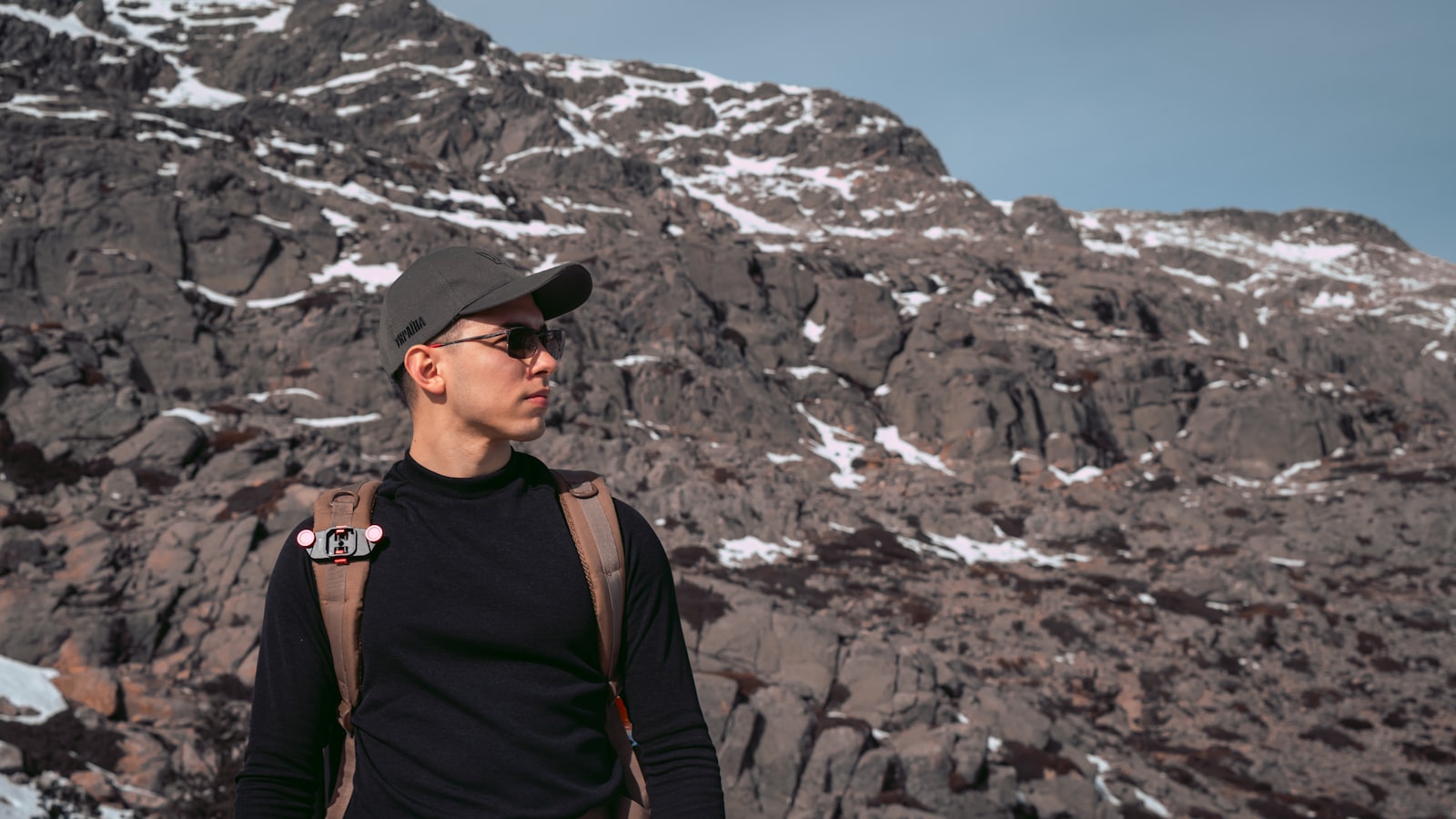
The innermost layer against the skin — wool underwear, T-shirts and light first layers. Materials, weight classes and why cotton is banned on a tur.
The base layer is the first thing you put on, and the layer that lies closest to your skin throughout the whole tur. Its job is to keep the skin dry — to move sweat away so you don’t end up wet and cold when you stop.
Wool or synthetic
There are two real choices, and they do slightly different jobs.
Wool insulates even when it is wet. The fibres do not collapse, so the air pockets between them are preserved. Wool also smells less after several days, so you can wear the same garment longer before it becomes unpleasant for yourself and for those you share a tent with. Merino wool (18–21 microns) is soft enough to wear straight against the skin — coarser Norwegian wool (24+ microns) itches for most people on bare skin.
Synthetic (polyester, polypropylene) moves moisture faster than wool and dries faster. It is cheaper and more hard-wearing, but smells rank after a day or two. It suits day trips and high-intensity activity where you sweat a lot best.
Wool–synthetic blends are the compromise many people choose for everyday use: better moisture transport than pure wool, less odour than pure synthetic.
Weight classes
The wool base layer is sold in three clear weight classes, given in grams per square metre (g/m²):
- Light (140–180 g/m²) — for summer, high activity, and as a first layer in a multi-layer system in winter. Dries quickly.
- Mid (180–230 g/m²) — the versatile choice for typical Norwegian friluftsliv. Holds enough warmth for autumn and winter trips at moderate activity, and can be ventilated when you get warm.
- Heavy (250 g/m²+) — for sedentary work in the cold, long low-tempo pulk hauls, or as an extra layer while you sleep. Too warm for a lot of walking.
For most Norwegian trips from May to October, a mid-weight top and bottom cover most of it. In winter, a heavy-weight top is a good choice if you often stand still.
Cut and fit
The base layer should sit snugly against the body, not tightly. If it sits loosely, it loses its moisture transport — it is the contact with the skin that moves the sweat onward. Check the sleeve length (it should reach over the wrist when you stretch your arm forward) and that the hip circumference does not pull the garment up when you walk.
A neck zip on the top is handy for ventilation when you walk uphill. Mid-length sleeves on T-shirts are nice in summer heat, but wool with long sleeves is often cooler on a tur than you think — the air gap in the sleeve works both ways.
Weight class against temperature
As a rule of thumb for a base layer on its own (without a mid layer or shell):
- 180 g/m² merino — comfortable down to roughly +5 °C on the move.
- 230 g/m² merino — comfortable to around 0 °C on the move.
- Below that — you need a mid layer, not a heavier base layer.
The figures are approximate and vary with personal metabolism. A common beginner’s mistake is to buy too heavy a base layer and compensate by opening the zip — the right approach is to build warmth in the mid layer and keep the base layer thin.
Change of clothes and odour
On a multi-day trip, experienced people often bring two base layers: one for walking and one dry one for the evening in the tent. You sleep better in a dry garment, and the morning faffing is easier when you don’t have to pull on a damp base layer. Switch back when you walk — the change set is not a third walking set.
Wool holds out 5–7 days before the odour becomes genuinely bothersome; synthetic two. Airing it as you go (hanging the garment on your pack in the sun for an hour) extends its lifespan considerably.
Brands and quality
Devold (Norwegian, Ålesund), Smartwool (American merino), Aclima (Norwegian), Janus, Icebreaker — all make quality wool. Norrøna and Bergans often use ZQ-certified merino in their base layers. The difference between brands is small at the 200-kroner level; it shows when you go below 150 and use H&M types that stretch out after a few washes.
Next steps
- Mid layer — the layer that builds warmth on top of the base layer when it gets cold
- Socks on a tur — the base layer for your feet; the same rule about wool and cotton applies
- Headwear — a hat and a neck gaiter are the first things you put on when you stand still
- The layer-on-layer principle — how the base layer, mid layer and shell work together
- Winter clothing — when you need a heavier base layer and more layers
Learn more
The layer-on-layer principle → · Choice of materials → · Mid layer → · Socks on a tur →
Text: Snuitide (2026).