Gear
Water bottle
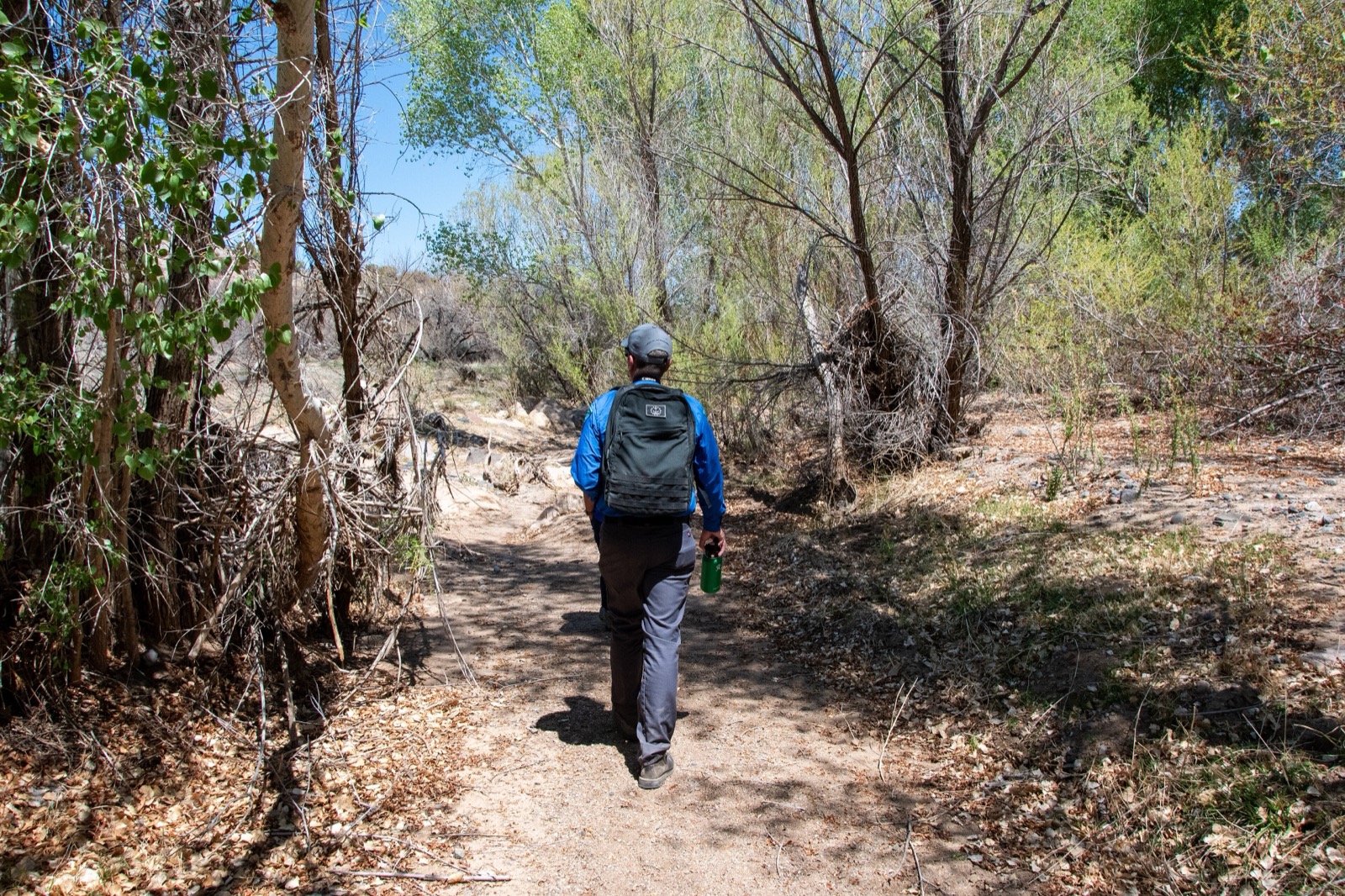
Hard plastic (Nalgene), aluminium, or a bladder (CamelBak/Source)? Volume, insulation against frost, and why you should drink every half hour, not when you get thirsty.
Water is the most basic thing you bring on a trip. A moving adult needs 0.5–1 litre per hour in a normal climate, more in heat. Norwegian mountain streams are still drinking water in many places, but not always — and you need the capacity to carry what you need between refills.
Main types
Hard plastic (Nalgene Tritan, Sigg, Klean Kanteen) is the most classic. Robust, lasts 10+ years, BPA-free, clear about what the contents are. Weight: 100–200 g for 1 litre. Price: 200–400 kr.
Aluminium (Sigg, Klean Kanteen Aluminum) — lighter than hard plastic (~100 g per litre), good durability, but can deform if dropped. Tastes of metal if not coated on the inside.
Steel (Klean Kanteen, Hydro Flask, Kambukka) — robust, no taste, but heavier (~250 g per litre). For the person who wants a “lasting” choice.
Bladder (hydration bladder) (CamelBak, Source, Platypus) — fits in the pack with a tube running out to the shoulder, letting you drink while moving without stopping. Weight: 80–150 g for 2 litres. Price: 400–800 kr.
For ordinary trip use, the Nalgene 1L hard plastic is the classic — robust, light, cheap, easy to wash. The bladder is for those who are constantly moving and do not want to stop (ski tour, running, cycling).
Volume
For an ordinary day trip:
- 0.5–0.75 litre — summer outing in cool weather with refills available
- 1 litre — standard for most day trips
- 1.5 litres — hot day, or longer trip without refills
- 2+ litres — heat without refills, or the first day of a multi-day trip
For many, a 1L bottle + a 0.5L thermos = 1.5L total is the standard. The thermos for a hot drink at a break, the bottle for drinking along the way.
Frost challenges
In the cold, water freezes in the bottle. Strategies:
- Keep the bottle in the pack, not on the outside — the pack’s insulation against body heat quickly prevents frost
- Drink from the head first (the top) — frost works from the outside in, so the ice gathers in the bottom while the water at the top stays liquid
- Turn the bottle upside down when you pack it — frost then forms in what becomes the bottom when you drink, not at the spout
- Use an insulating sleeve (a neoprene sleeve) for extra protection
- For a bladder: blow air back through the tube after drinking, so the water does not freeze in the tube
Water safety
Norwegian mountain water is often drinking water without treatment — particularly above the treeline, in fast streams, far from sheep pasture. Signs of safe water:
- Running, not still
- Clear, not cloudy
- Above the treeline
- Far from human activity
If in doubt: purify with a UV wand (Steripen), a water filter (Sawyer, Katadyn, MSR), or boil for 1 minute (3 minutes above 2,000 m). Tablets (Aquatabs, Micropur) are a last resort.
Maintenance
Rinse daily on longer trips. Wash with warm water and biodegradable soap after every trip — particularly bladder systems, which cultivate bacteria.
For Nalgene: dishwasher-safe. For a bladder: hand-wash, hang to dry open, store in the freezer between trips to prevent bacterial growth.
Text: Snuitide (2026).