Gear
Trip jackets (windproof jacket, rain jacket, down jacket)
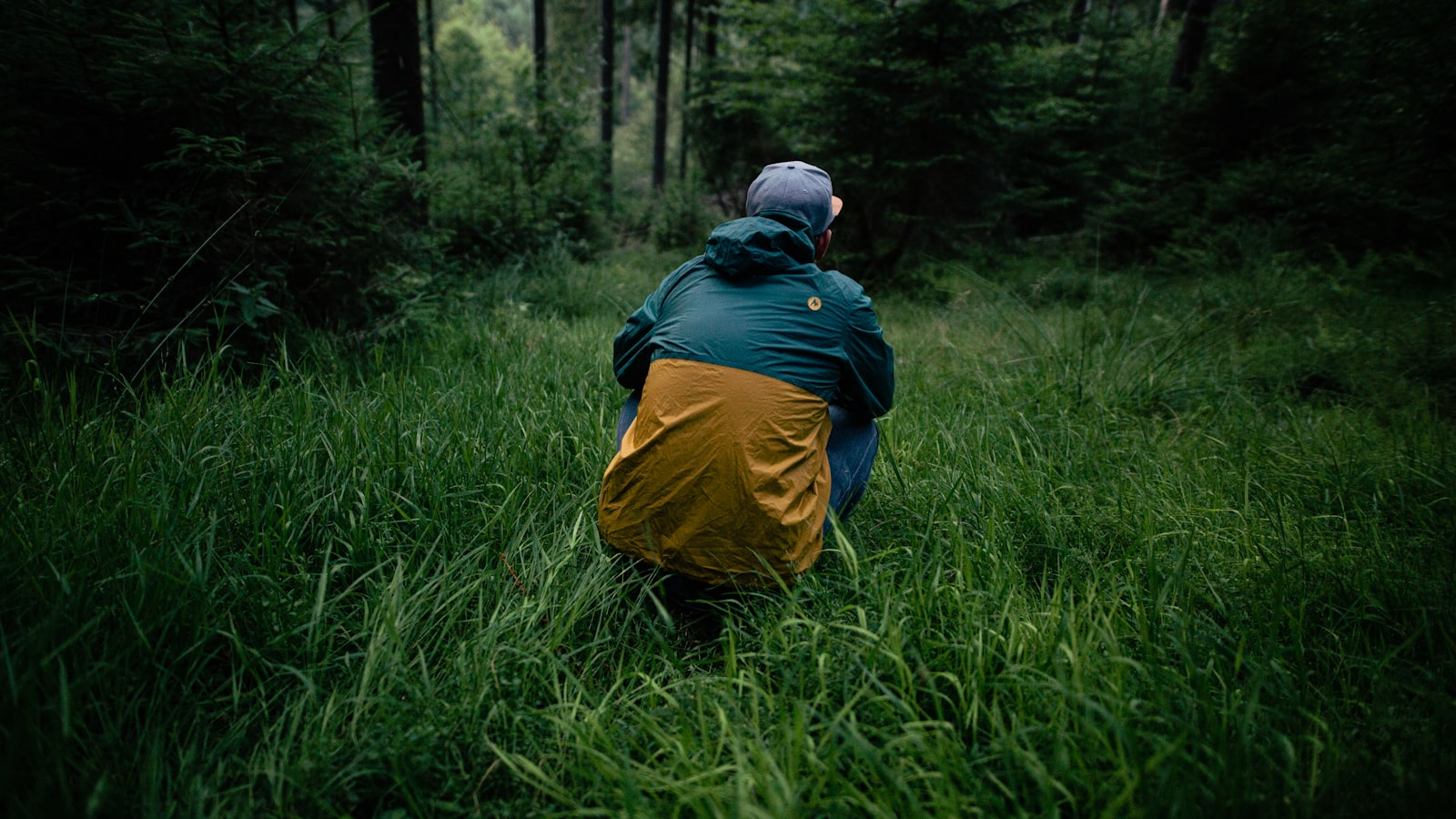
Three different trip jackets doing three different jobs: the windproof jacket stops wind, the rain jacket keeps water out, the down jacket holds heat in. Materials, weight and use.
It is easy to think of the “trip jacket” as a single garment, but there are at least three different jackets in use on Norwegian trips, and they solve different problems. A windproof jacket stops air. A rain jacket stops water. A down jacket holds heat. None of them does the others’ job particularly well.
Windproof jacket
The lightest of the three, and often the most underrated. A windproof jacket in Pertex or similar woven nylon stops 95–99 % of the wind, weighs 100–150 g, and packs down to the size of a fist. It is not waterproof — heavy rain comes through. Nor is it warm in itself. What it does is stop the wind from pulling the heat out of your base layer and mid layer.
For many Norwegian trips from May to September the windproof jacket is the only shell you need. In the lowlands, along the coast, and on gentler mountain hikes the rain jacket rarely comes out of the pack — the windproof jacket, by contrast, goes on and off several times a day.
Price: 600–2,000 kr. Norrøna /29, Bergans Cecilie and Patagonia Houdini are typical examples.
Rain jacket
When the rain is sustained and heavy, you need a membrane. A rain jacket has a waterproof, woven outer fabric (typically nylon or polyester with a membrane laminated to the inside) that keeps water out. It is windproof too. It does not breathe in the same way as a windproof jacket — you will get a little damp from the inside on longer climbs no matter how good the membrane is.
Weight: 300–500 g. Heavier than the windproof jacket, and you notice it — which is why the rain jacket stays in the pack when it is not raining.
Membranes: Gore-Tex (Pro, Active, Paclite) is the gold standard. eVent and Pertex Shield are comparable. Norrøna also uses its own Dri membrane on certain models. Cheaper jackets use 2-layer or 2.5-layer construction; expensive jackets are 3-layer and last longer under hard use.
Ventilation: Zips under the arms (pit zips) are useful on long trips. An adjustable hood with a stiff brim that does not collapse into your peripheral vision. Closures at the wrist and hip that actually close.
A hydrostatic head above 10,000 mm is regarded as waterproof. Norwegian quality brands (Bergans, Norrøna, Helly Hansen) often sit at 20,000+ mm. Above this level a higher figure makes minimal practical difference.
Down jacket
A down jacket is an insulating garment, not a shell. It is used on a break, in camp, or as the outermost layer when you are standing still in the cold. You do not walk up a steep climb in it.
Fill: Goose or duck down, given as fill power. A higher figure means the same weight of down gives more volume and therefore more warmth.
- 650–700 fp — good everyday down, often on more affordable jackets.
- 800 fp — quality down. Common on the Norrøna Lyngen and Patagonia Down Sweater.
- 850–900+ fp — expedition down, used where weight is critical and budget is not.
Weight: 300–700 g for typical trip down jackets. A light 100-gram down jacket such as the Patagonia Micro Puff or Norrøna Trollveggen Superlight weighs 300–400 g. A heavy expedition down jacket 600–900 g.
Water-resistant down? Many jackets now use hydrophobic-treated down, which tolerates a little moisture before it collapses. It is better than untreated down, but does not replace a rain shell over the top.
The realistic basic set
For someone who wants to cover most of Norwegian friluftsliv year round:
- A rain jacket of good quality (3-layer membrane, 20,000+ mm, perhaps 4,000–6,000 kr new or half that secondhand).
- A light down jacket or Primaloft for warmth on breaks and in camp.
- (Optional) A windproof jacket once you discover how often you do not need the rain jacket.
Many people manage without a separate windproof jacket — the rain jacket stops wind too, after all. But on long summer trips where it never rains, the expensive rain jacket becomes unnecessary weight and poor breathability. The windproof jacket is small, cheap, and does the job.
Maintenance
Membrane jackets lose their water repellency (DWR) when they get dirty — water “saturates” the fabric and wets the membrane. Wash the jacket when water no longer beads on the outside, preferably with Nikwax Tech Wash, and refresh the DWR with a spray or a wash-in. Down jackets are dried in a tumble dryer with tennis balls to break up the clumps.
Next steps
- Mid layer — the layer the jackets sit over: fleece, wool jumper, Primaloft.
- Base layer — innermost against the skin, where layering begins.
- Trip trousers — trip trousers, rain trousers and shorts, the same logic from the waist down.
- The layering principle — how the three jackets work together with the rest of the outfit.
- What goes in the pack — where the jackets belong on the packing list.
Learn more
The layering principle → · Winter clothing → · Mid layer → · Trip trousers → · Replacing the front zip on jackets →
Text: Snuitide (2026).