Packing Lists
What to pack
The packing-list hub on Snuitide — pick a ready-made list for your trip, or build your own. Explains the principles behind them: what always goes in, what you rarely need, and how a pack is built from the core kit upwards.
Packing lists are one of the most practical utility functions in friluftsliv. Few questions come up more often than ‘what do I pack for an X trip’, and few things beat a good list built for exactly the trip you are about to take.
On Snuitide we have six ready-made lists built from a single data source — they all update at once if an item changes, and you can tick things off as you pack. You can also build your own from scratch and share it with trip companions via a link.
Choose your list
Each list is built for a specific type of trip. Pick the one closest to what you are about to do, and adjust:
- Summer trip — hut-to-hut in the mountains, June–September. Around a 7–12 kg pack.
- Winter trip — hut-to-hut on skis in winter. A 10–14 kg pack.
- Ski tour — a day trip or shorter ski tour, not randonnée in steep terrain. 8–12 kg.
- Tent trip — overnighting in a tent, summer or winter. Heaviest, most complete.
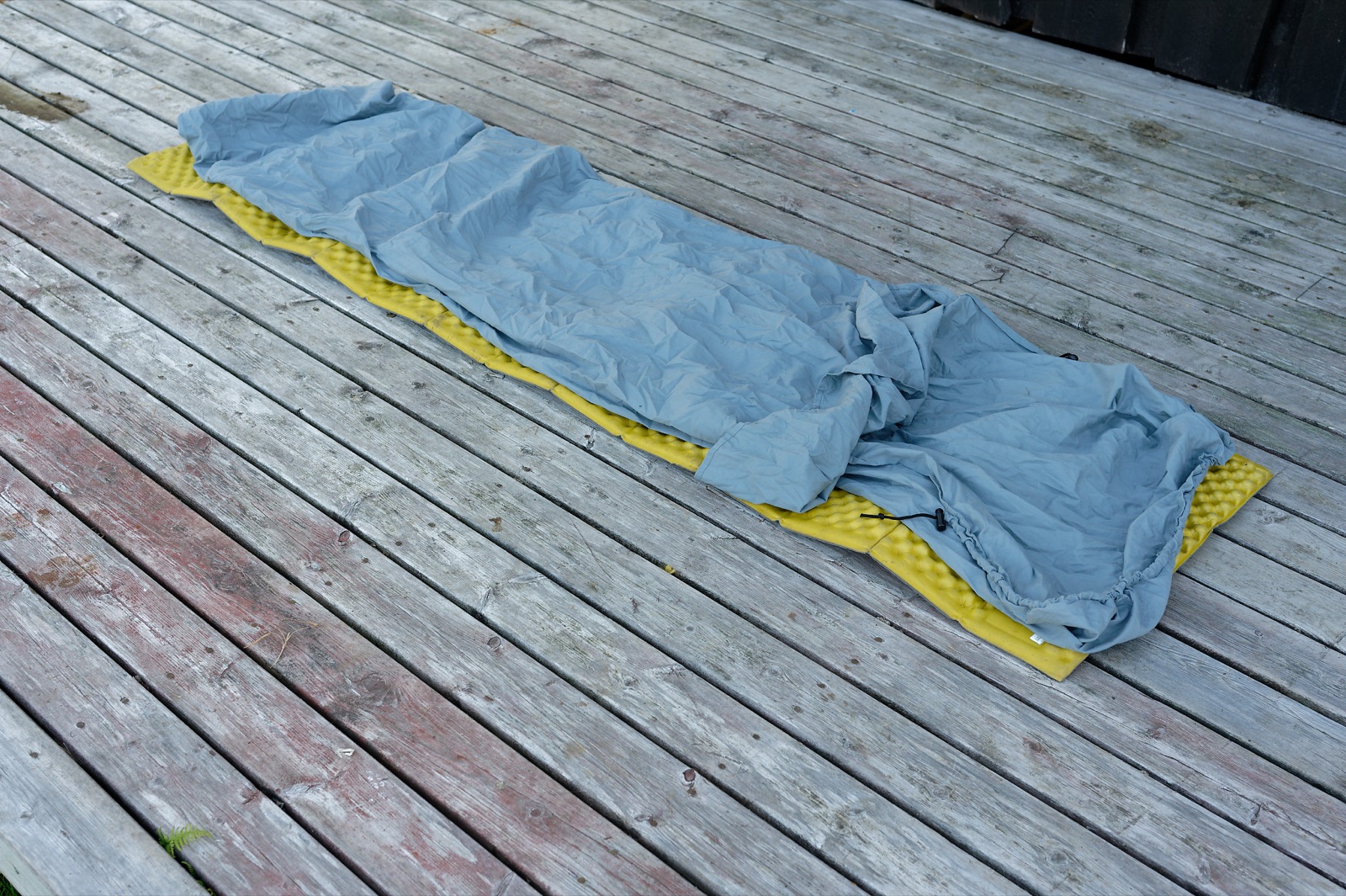
- Hut trip — DNT cabins or equivalent. 6–10 kg, a sleeping-bag liner instead of a sleeping bag.
- Ski touring (topptur) — randonnée in steep mountain terrain. Avalanche kit is not optional.
- Kayak trip — a sea-kayak day trip. A sit-in baseline with spray deck, bilge pump and paddle float. Canoe and SUP paddlers build their own list from this. If you are overnighting, combine it with the tent-trip list.
The lists are built to be focused and small. If you are doing two things at once — paddling and overnighting in a tent, or taking ski day trips from a hut — build your own that picks the relevant items from two lists.
If none fits perfectly, build your own — search all 99 items, add your own things, and share the link with trip companions.
Three principles behind a good packing list
1. The core kit is never optional
Some things go on every single trip — whatever the weather, length or fitness level. A bothy bag, a head torch, a whistle, first-aid kit, a map and a compass. Together these weigh under 600 g and can save lives. The great majority of Norwegian mountain accidents have one or more of these forgotten or left at home.
This is not extra kit you take on long trips — it is the minimum responsible kit for the shortest trip you are planning.
2. Weight is a tradeoff, not a goal
The lightest a pack can be is not always the right weight. An extra kilo of down jacket can be the difference between a good rest and hypothermia. An extra flask weighs 400 g, but makes lunch possible on a cold day.
The Snuitide principle: choose light quality for the three heavy items (pack, sleeping bag, tent) — there is a lot to save there. Do not skimp on safety or clothing.
3. The pack is built from the core kit upwards
Begin with what always goes in (the core kit). Then add clothing for the conditions, food and drink, and trip-specific kit (avalanche kit for ski touring, a sleeping-bag liner for a hut trip, a stove for a tent trip). Check your list twice before you set off.
The pack — how big?
| Type of trip | Volume | Weight full |
|---|---|---|
| Day trip | 25–35 l | 4–8 kg |
| Hut trip (summer) | 35–45 l | 6–10 kg |
| Hut trip (winter) | 45–55 l | 10–14 kg |
| Tent trip (summer) | 55–70 l | 12–16 kg |
| Tent trip (winter, long trips) | 65–80 l | 14–18 kg |
| Ski touring (randonnée) | 25–35 l | 8–12 kg |
| Kayak trip (dry-bag system) | 40–60 l distributed | 10–18 kg |
Volume is approximate. European manufacturers measure total litres including pockets; North American ones use cubic inches for the main compartment. Perceived space can differ by 5–10 l from the stated figure.
More on choosing a pack: /en/gear/backpack/.
What you rarely need
Common overpacking mistakes:
- Three fleece jumpers — two is enough. With wool base layers underneath, two layers are warmer than three layers without wool.
- A full set of packed food for two extra days — one extra day as emergency rations is enough on most trips.
- Spare shoes — on a day trip and shorter trips this is extra weight for no good reason. On a tent trip light camp shoes can be worth it.
- A book on botany + a book on geology + a journal — one book or a notepad is enough.
- A complete cutlery set — one spoon and the knife on the multi-tool usually do.
The ‘nice-to-have’ category in the list is there so that you can add things deliberately, not as standard.
Educational use
For teaching and course work: we have our own exercises on packing lists with differentiated tasks, assessment criteria and pupil activities. Use them freely in the friluftsliv programme subject or in a scout group.
Next steps
- Packing lists — the hub
- What to pack for a day pack — ski tour — a specific packing list
- Equipment — choosing guidance per item
- Clothing — clothing choices
Learn more
- Clothing — the layering principle and choice of fabric
- Equipment — a catalogue of all equipment types with choosing guidance
- The DNT system and the hut network — how DNT cabins work
- Fjellvettreglene (the Norwegian Mountain Code) — the formal framework the packing lists are built on
- DNT — pakkeliste for sommerturen
- DNT — pakkeliste for vinterturen
Text: Snuitide (2026), built on the basis of Grande (2010, Turlederboka) and DNT’s official packing lists, updated against the phase 3 activity hubs.