Choosing materials
Here is an overview of the various types of fibre and material used in clothing production. These have different properties and uses, and should be chosen accordingly.
6 articles

On a tur it can turn colder and wetter than we are used to at home. Missing or unsuitable clothes turn the trip into a poor experience — at worst a dangerous one. Dressing properly is not a matter of complicated solutions, but of a few principles you can learn once.
The simple, dependable method:
Layer 1 — base layer against the skin. Should move moisture away and keep the skin dry. Wool (Merino) or synthetic fibre. Never cotton — it soaks up moisture and holds it.
Layer 2 — insulation. Keeps in the heat the body produces. Fleece, a thin down jacket, Primaloft. A thicker layer in the cold, thinner when you are sweating a lot.
Layer 3 — windproof and waterproof outer layer. Should stop wind and rain from drawing the heat out. A shell (Gore-Tex or equivalent), ideally with ventilation zips under the arms.
More on the layering principle →
When you stop for a break: put a layer on straight away — the body produces less heat at rest, and you cool down quickly. Many people carry a spare warm jacket in the pack just for breaks.
Wool (Merino wool in particular) is the first choice of Norwegian tur-goers for a reason:
Common Norwegian makers: Aclima, Devold, Brynje, Ulvang, Janus. International ones: Icebreaker, Smartwool, Woolpower.
Synthetics (polyester, polypropylene) are cheaper, lighter and dry faster — but smell more and can melt in heat. Often used in a blend with wool.
Outer clothing should be waterproof and breathable. That is a contradiction that was solved with membrane technology (Gore-Tex, eVent, NeoShell) — breathably fine pores that let water molecules out but not water in.
Waterproofing is measured as hydrostatic head, in millimetres (mm H₂O):
Breathability is measured in grams of vapour per m² per day (g/m²/24h):
Norwegian makers: Bergans, Helly Hansen, Norrøna, Helsport. International ones: Patagonia, Arc’teryx, Mountain Equipment.
The hands, feet, head and neck have blood vessels lying close to the skin — they lose heat fastest. Treat them accordingly:
How to dress for cold from head to toe →
A winter tur places harder demands: a combination of cold, wind, snow and varying exertion. The main strategies:
Four mechanisms:
For tur practice this means: stay dry, use windproof outer clothing, and insulate yourself from cold ground when you sit (a sit pad).
The textile industry is a major environmental burden. As tur-goers we can:
Sustainability and leave-no-trace travel →
Text: Gina Wigestrand, Snuitide (2021), revised 2026.
Key resources: Norske bekledningsprodusenter (Bergans, Helly Hansen, Norrøna, Helsport)
Sources: Hauge, A. (2018). Friluftsliv: utstyr og teknikker. · Pettersen, M.N. (2020). Sove ute. Gyldendal.
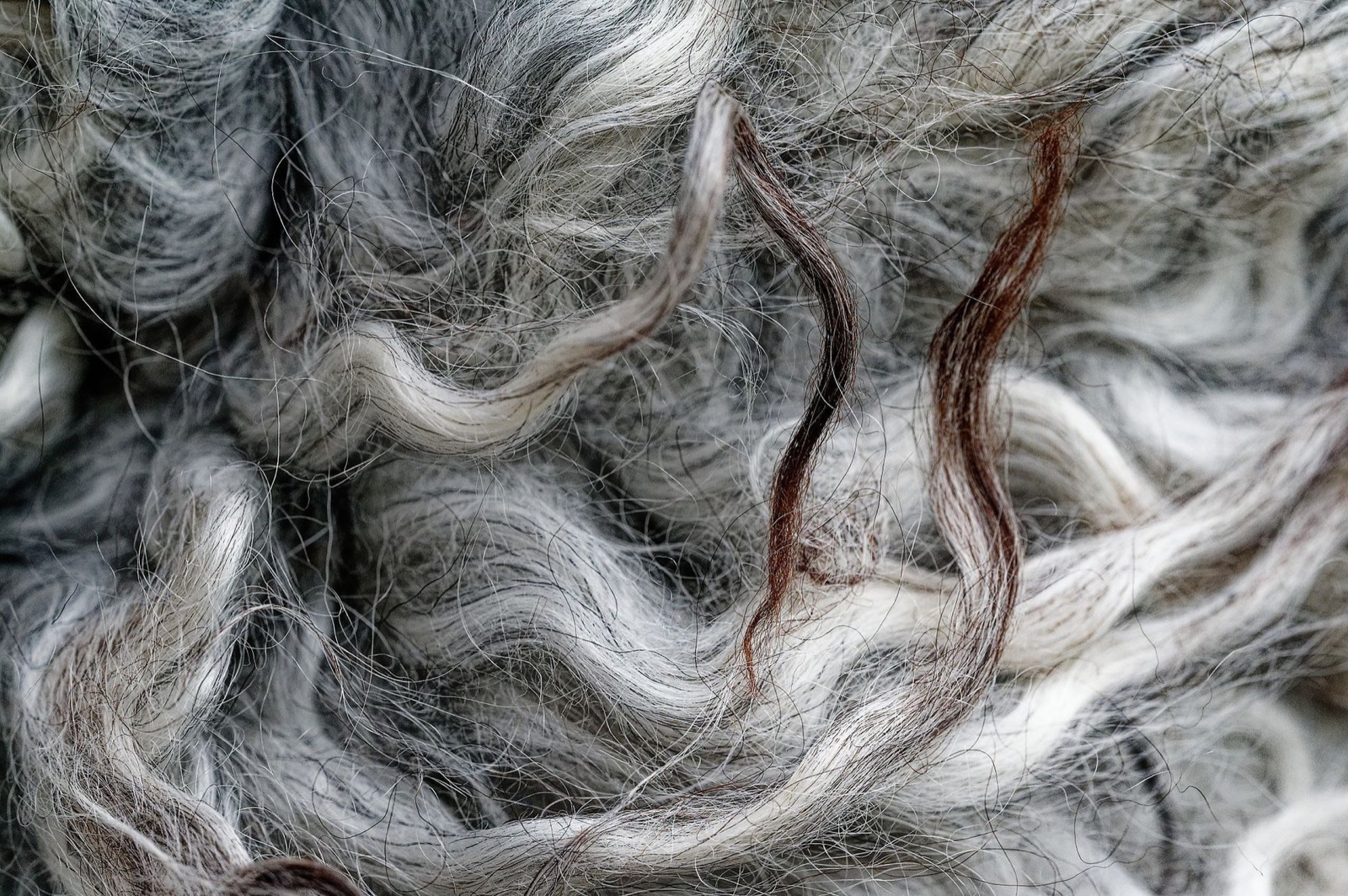
Here is an overview of the various types of fibre and material used in clothing production. These have different properties and uses, and should be chosen accordingly.
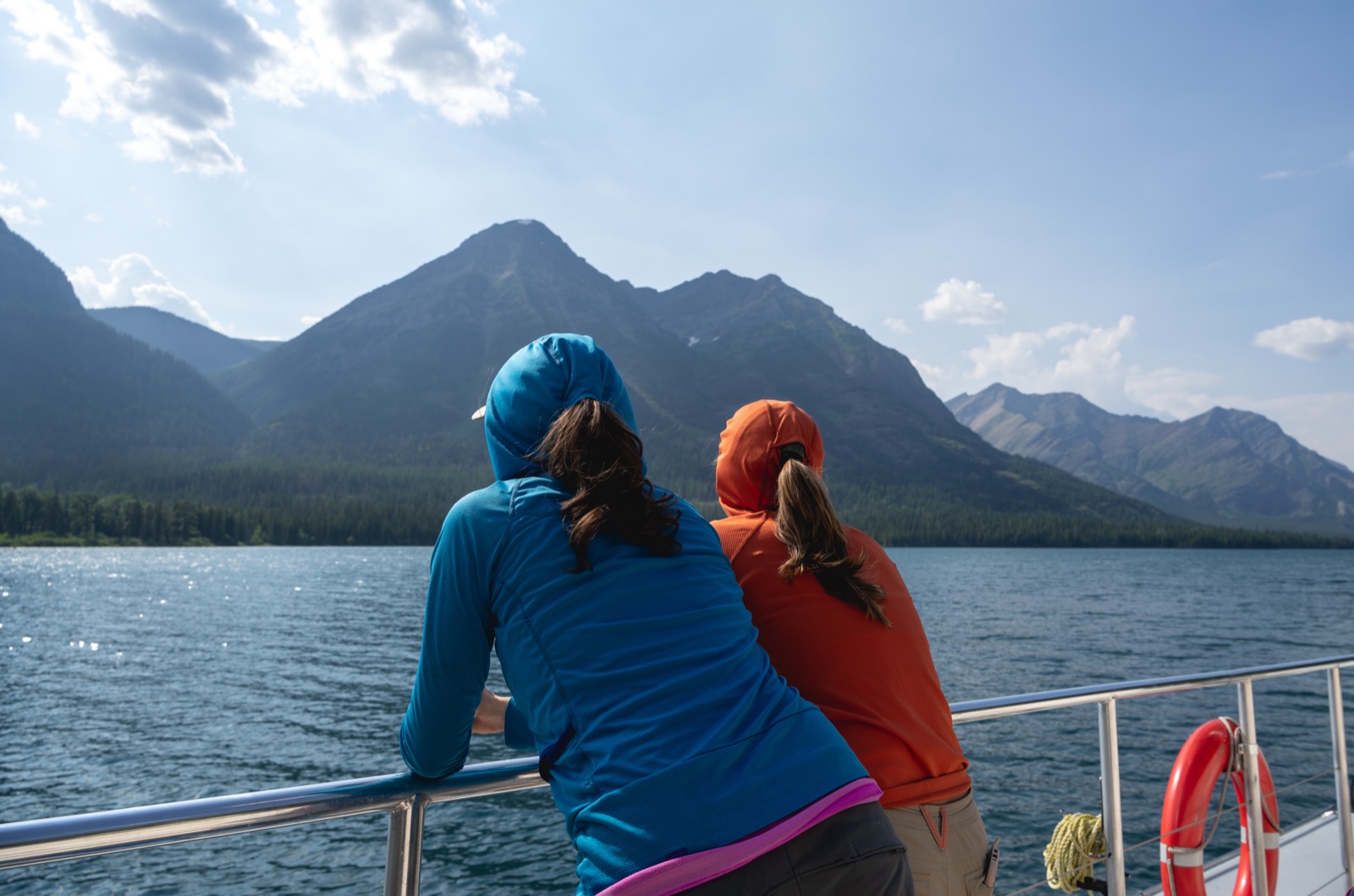
Find out what to wear based on temperature, wind, activity level and precipitation. The layering principle in practice.
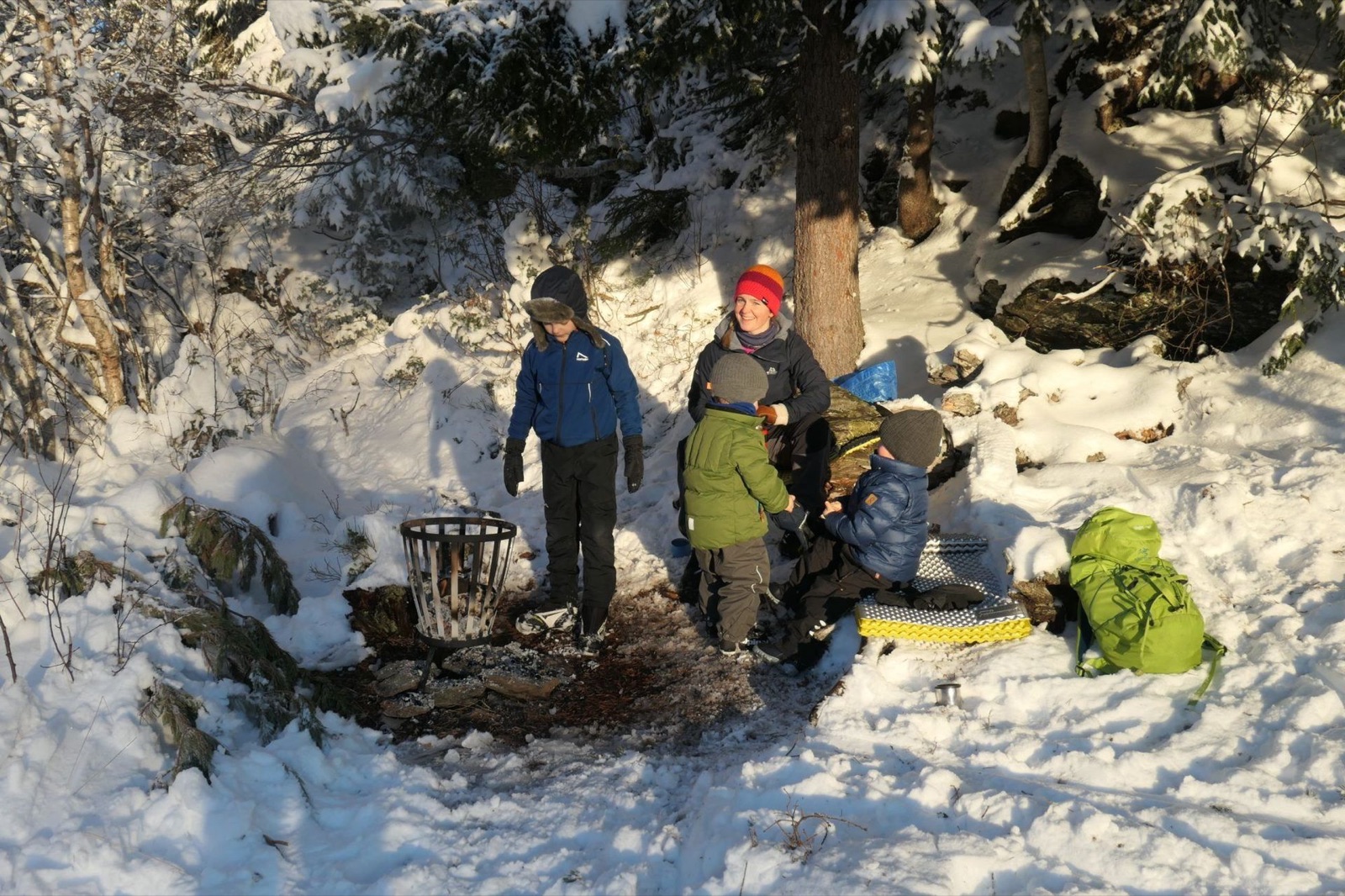
SINTEF researchers Julie Renberg and Øystein Wiggen both work in work physiology, with clothing and activity in the cold as their special field.
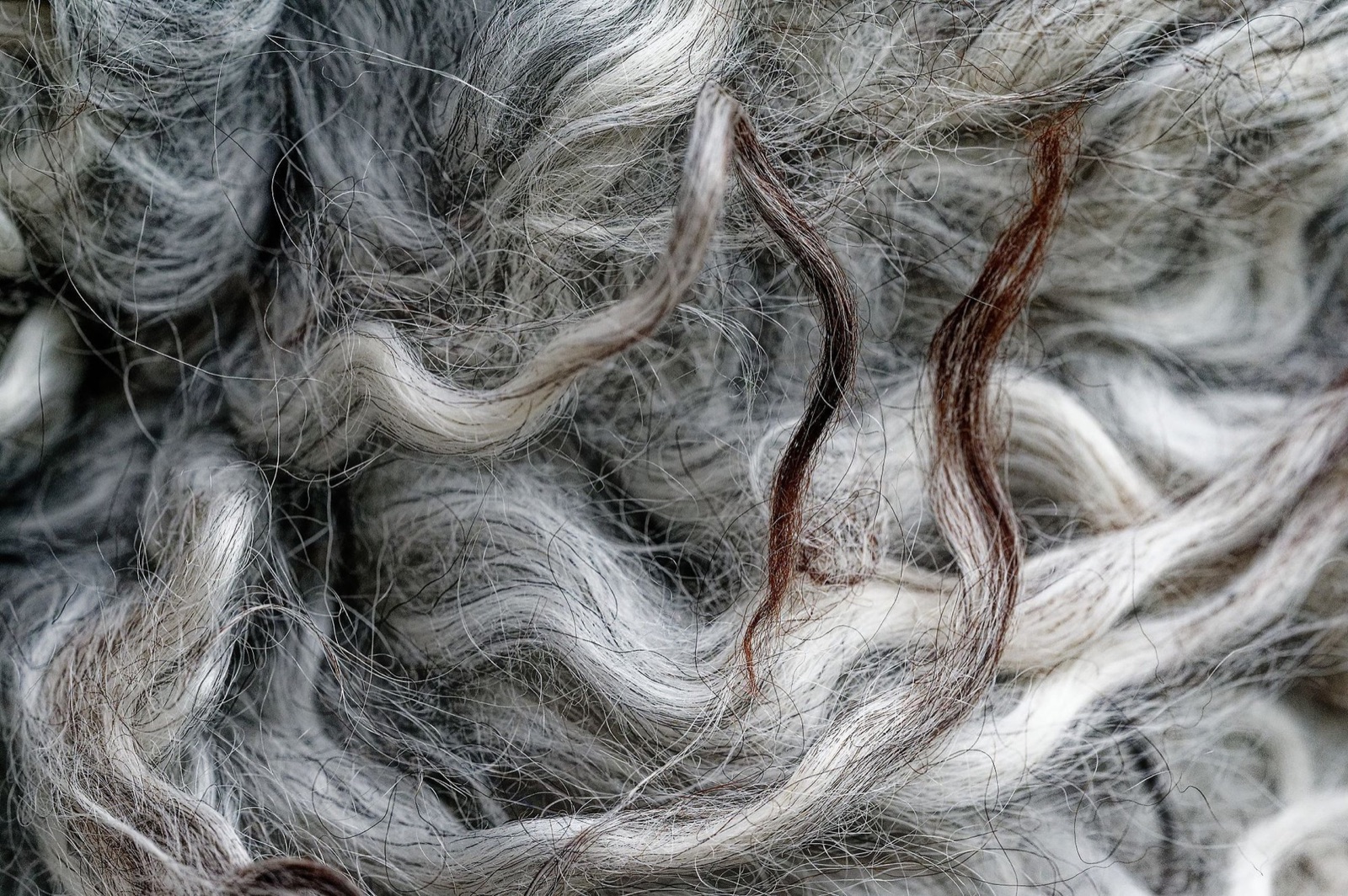
Picture a pot of water boiling. This water cools in several ways:
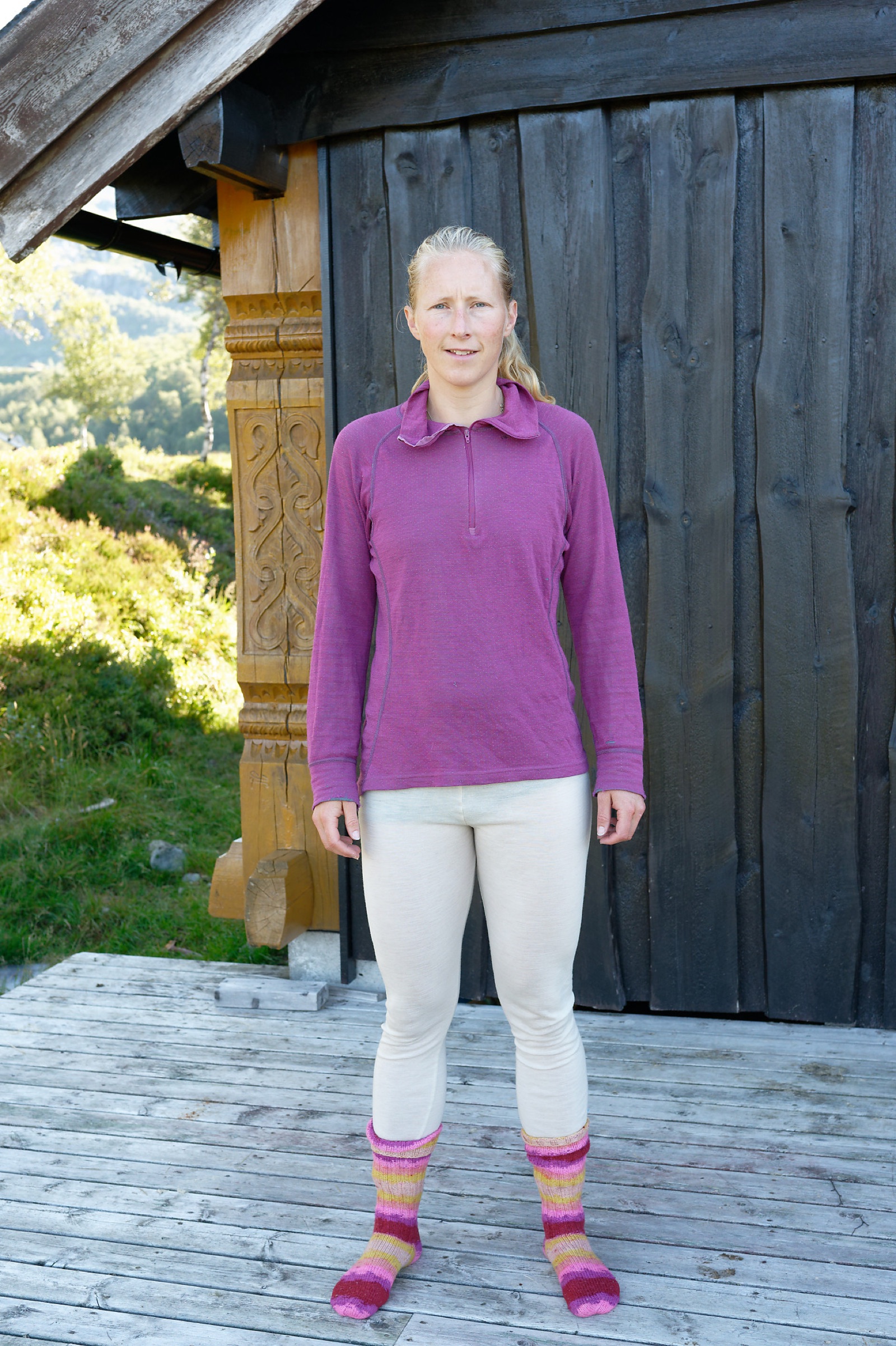
You dress for the weather, the wind, the temperature and your level of activity, and you do it in layers: a base layer, one or more mid layers, and an outer layer.
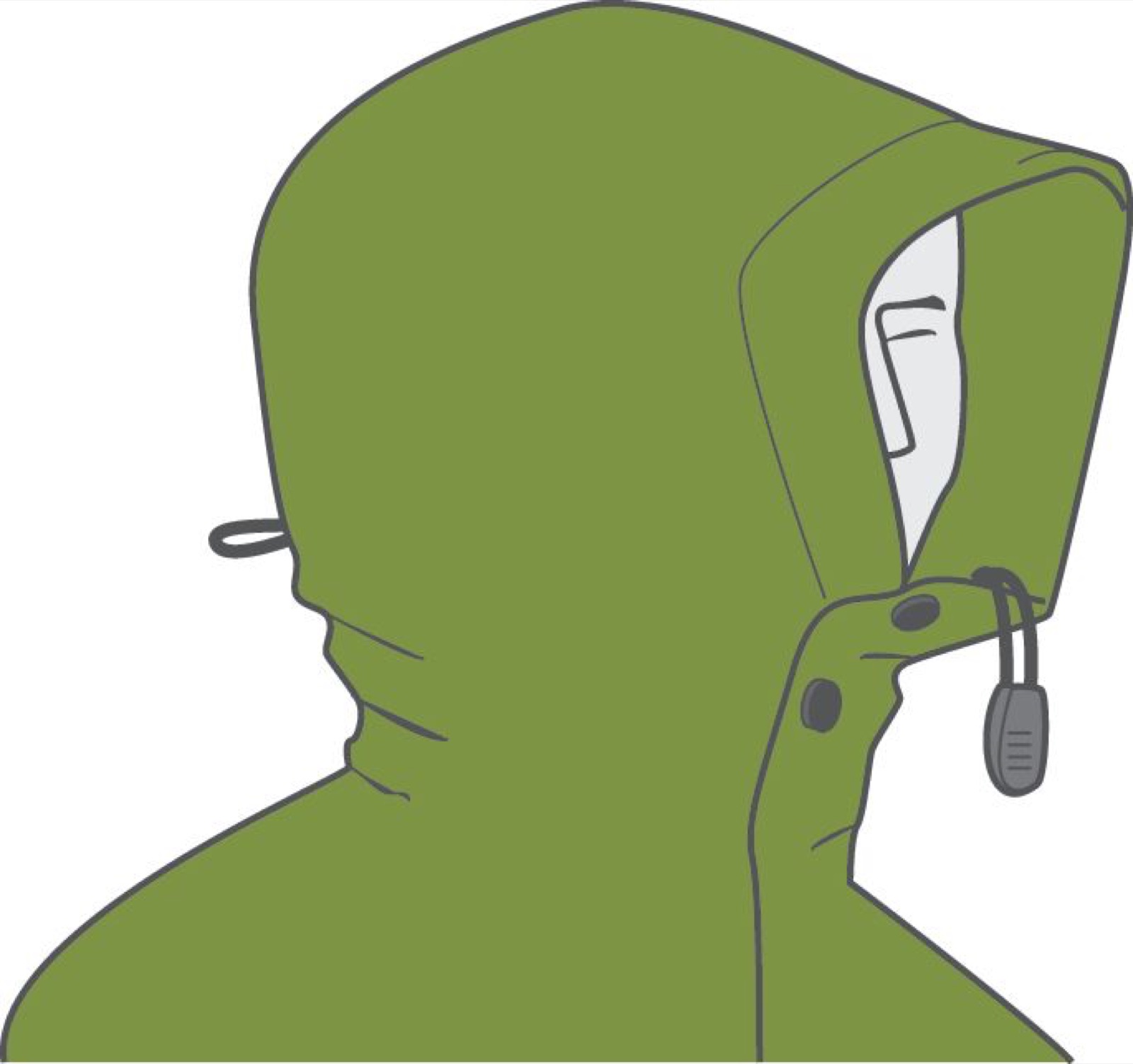
In winter you need a little more clothing than in spring, summer and autumn. This is mainly because of the temperature, but also because we have to protect ourselves against snow and wind.