A punctured sleeping mat
A hole in an inflatable sleeping mat means no warmth and no comfort. Here is how to find the leak and fix it with urethane glue or a patch from the repair kit.
32 articles

A great deal breaks after time spent in nature. Woollens get holes, the down jacket is damaged by embers from the fire, the tent fabric tears, and one day the zip gives way. Most of it can be repaired.
Norway is the country that spends the most money per person on outdoor gear in the world. That is a cost — both financial and environmental. Repair is the simplest counterweight.
On a tur — what you do in the field with limited gear. Canvas tape and a bit of cord are the most versatile tools. The aim: keep it going until you get home.
After the tur (at home) — what you do with time, calm and a sewing machine. The aim: a properly durable repair.
Repair on a tur → · Repair after a tur → · Repair after a tur — sewing →
Going by the traffic on snuitide.no, these are the most sought-after repairs:
For a complete list — everything from broken plastic buckles to split back zips:
On a tur:
At home:
Maintenance is often simpler than repair — and it stops small problems from becoming big ones:
Every garment repaired is one fewer on the rubbish heap and one less new item produced. The textile industry accounts for ~10% of global CO₂ emissions and uses enormous amounts of water.
For anyone who uses a lot of gear, repair is also economy: a good shell jacket costs 4,000–8,000 kr new, but 50 kr of glue and an hour of work can extend its life by years.
Sustainability and leave-no-trace travel → · Borrow, hire or buy second-hand →
Text: Gina Wigestrand and Lars Peters, Snuitide (2022), revised 2026.
Key resources: DNT — miljøvettreglene · iFixit — Repair Manifesto
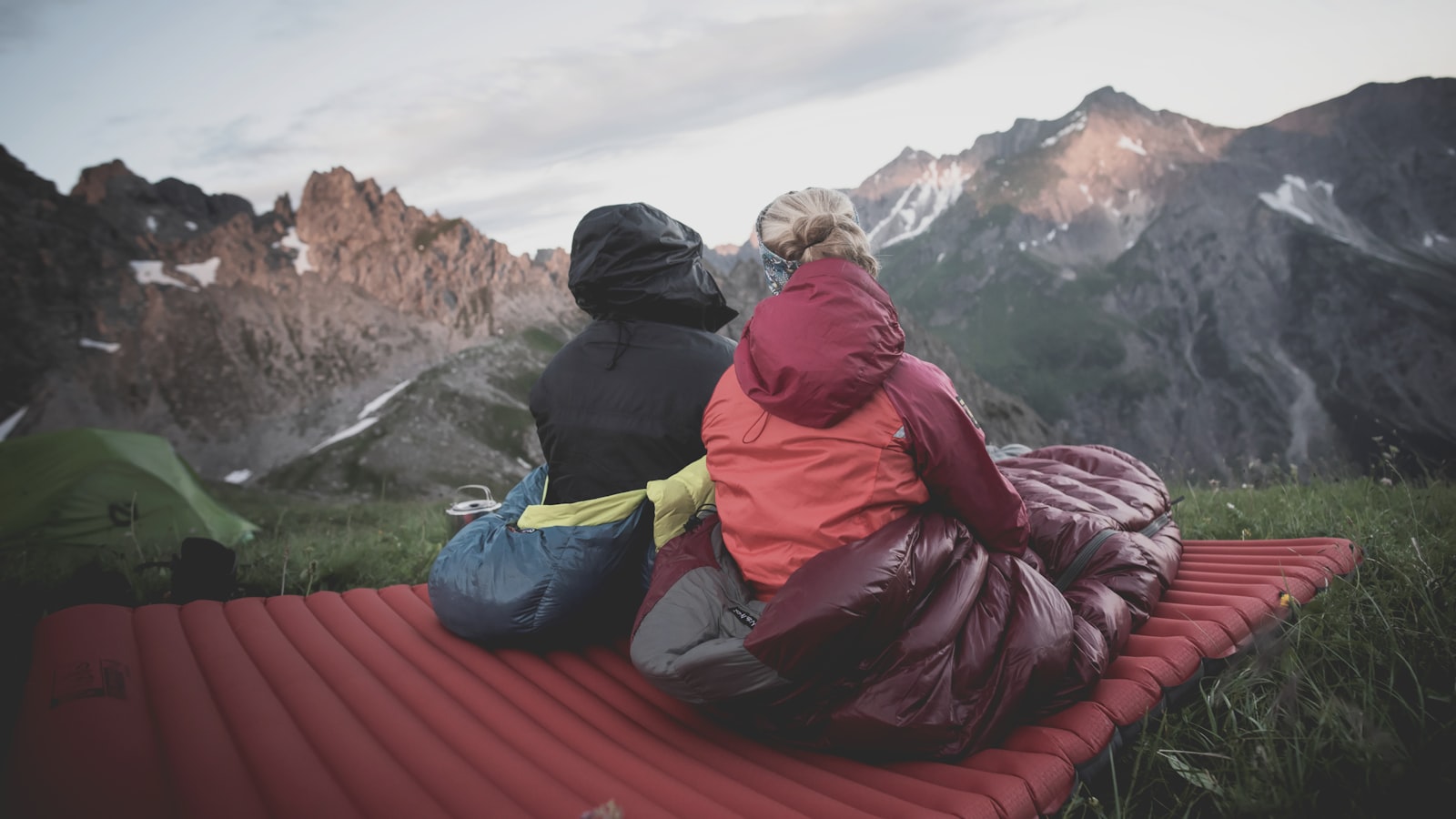
A hole in an inflatable sleeping mat means no warmth and no comfort. Here is how to find the leak and fix it with urethane glue or a patch from the repair kit.
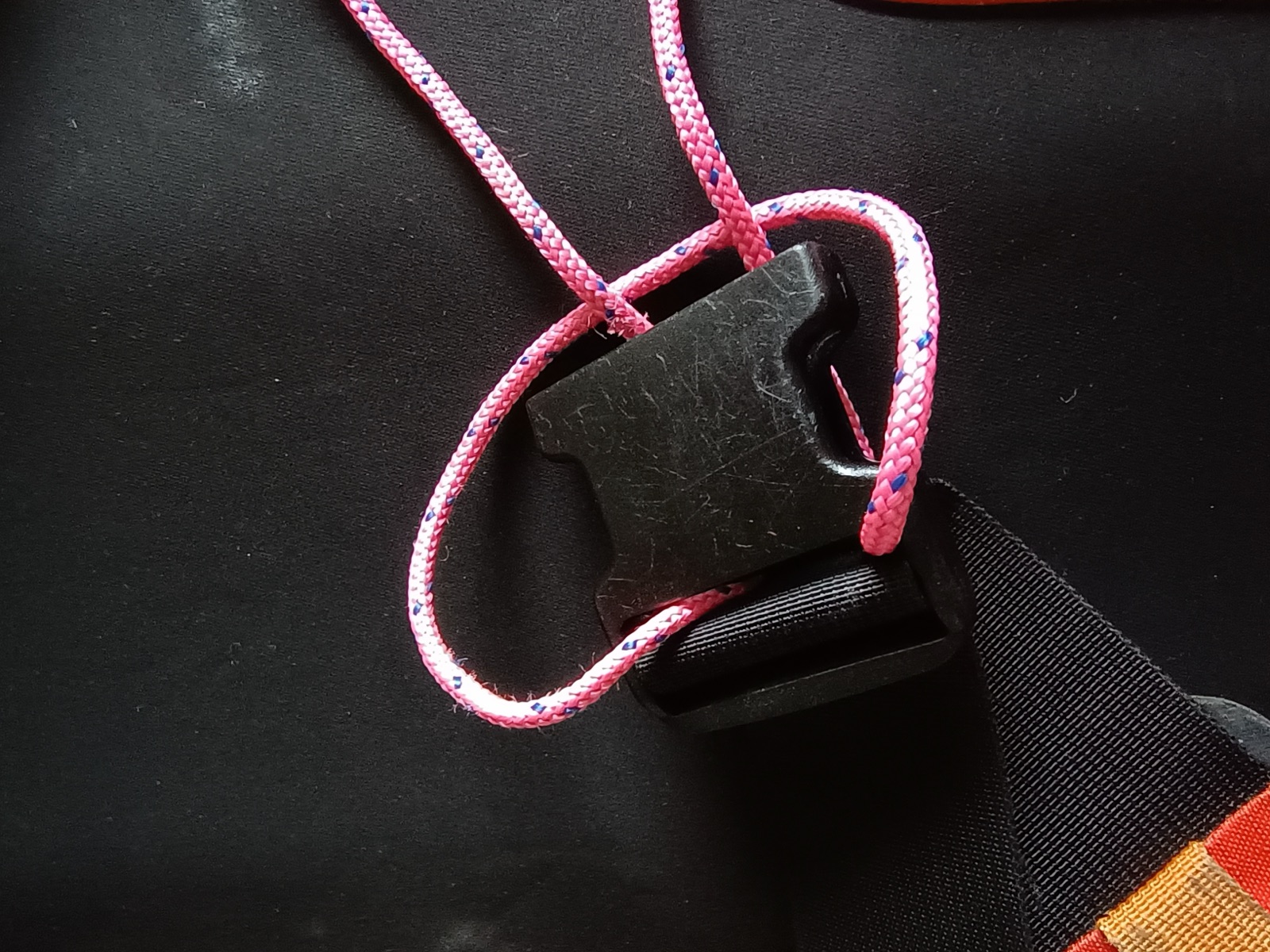
Snapped hip-belt buckle mid-way through a trip? A length of cord and a knot will hold the pack together until you get home. Three fixes for different buckle damage.
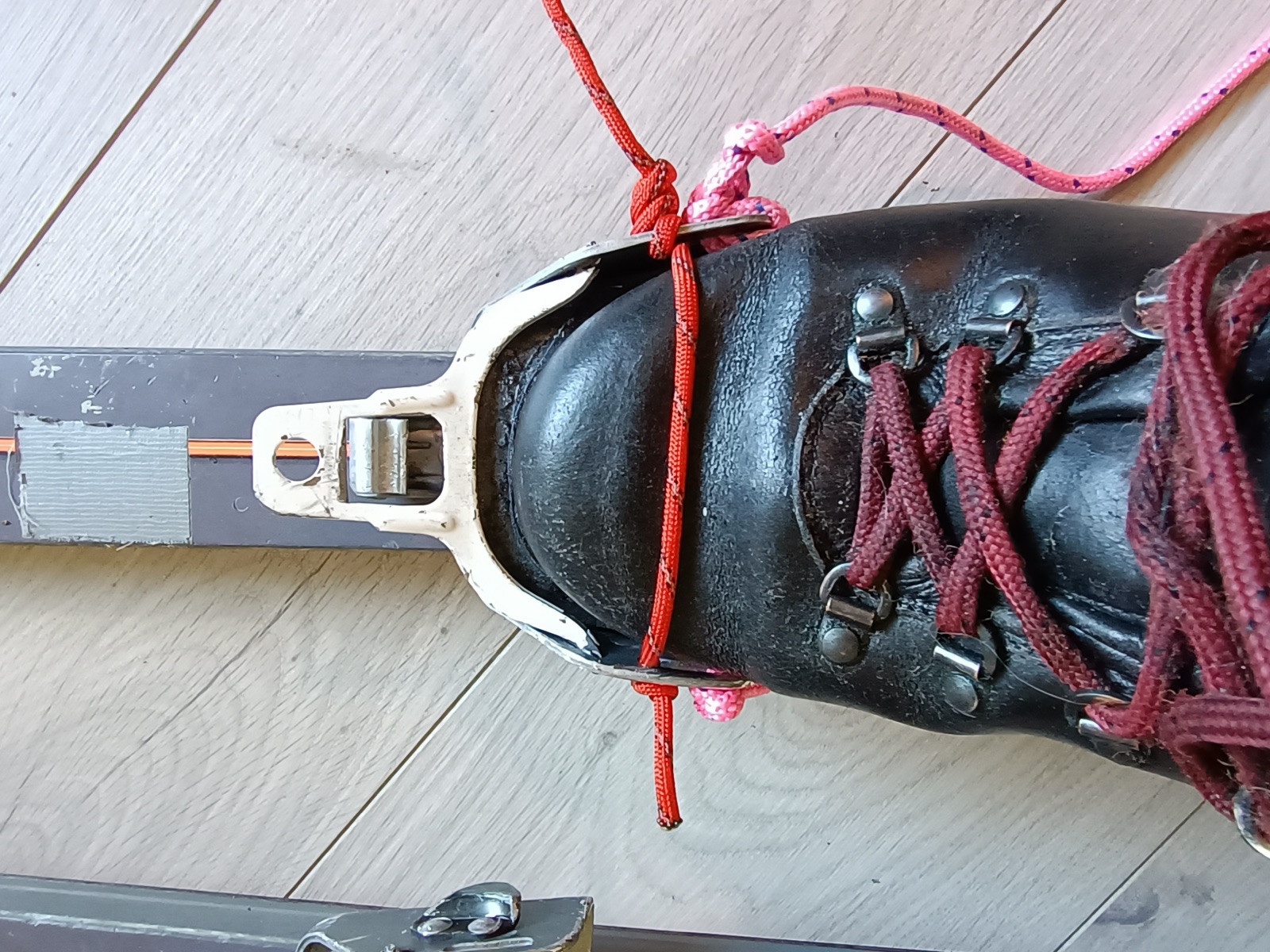
If the nose or the cable breaks in the middle of a mountain hike, a length of cord is your rescue. An improvised heel binding you can make in the field with a slipped ski knot.
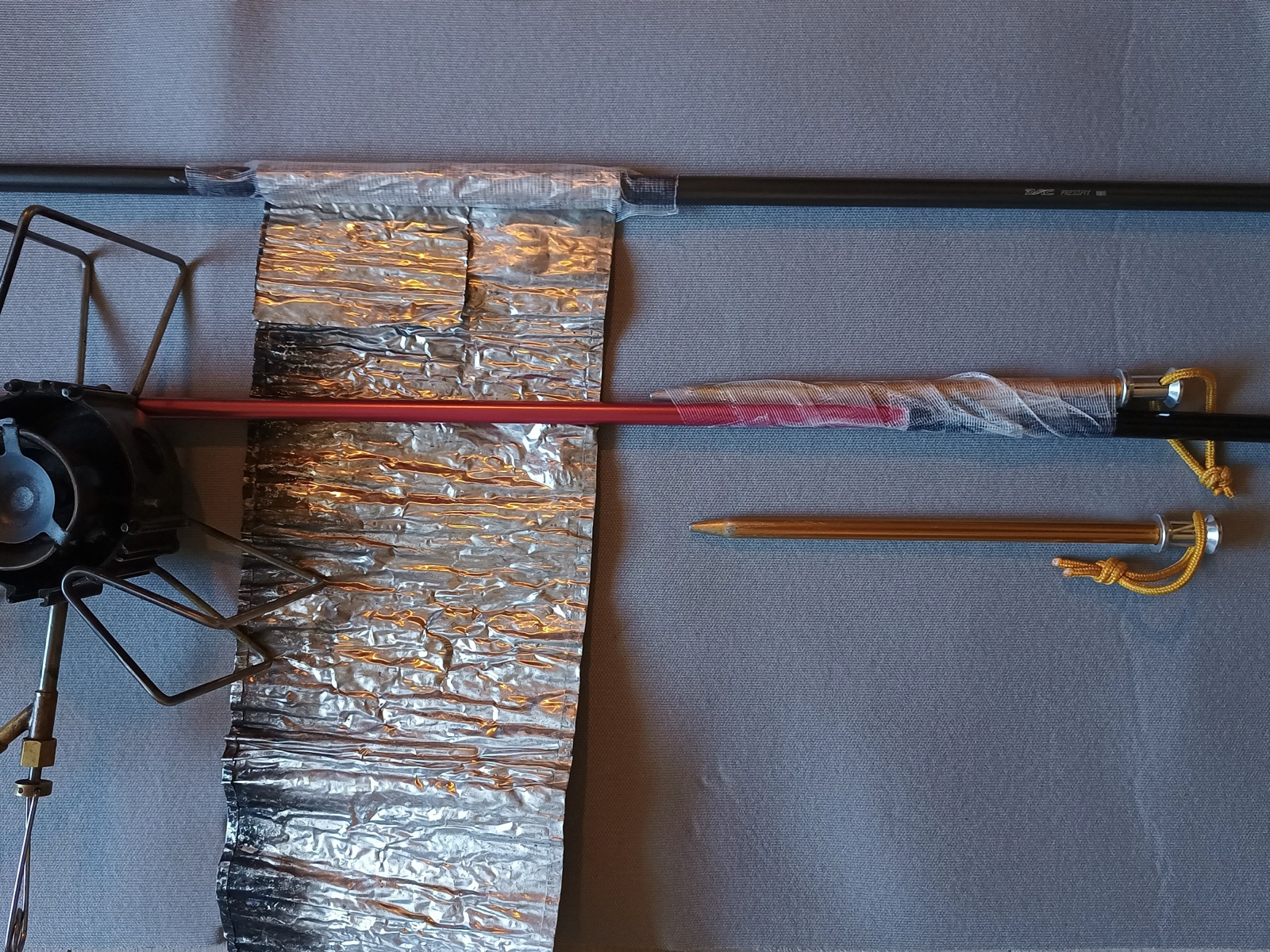
The repair sleeve that came with the tent is the quick fix — or a tent peg or multi-fuel windscreen if you have lost the sleeve.
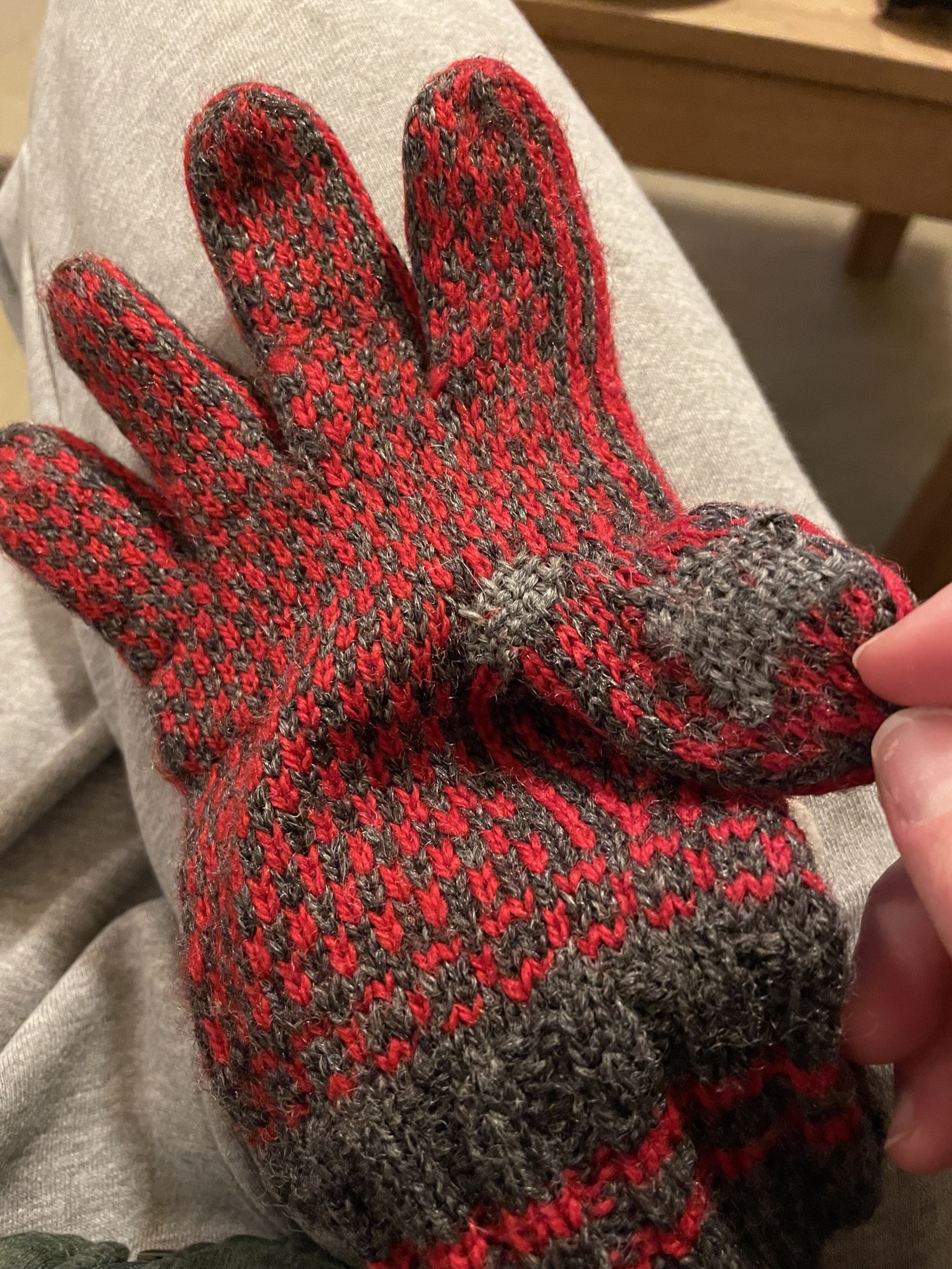
Darning is an old technique for mending holes in wool — sew long threads one way, then weave through the other way. Just as effective on socks, mittens and wool jumpers.
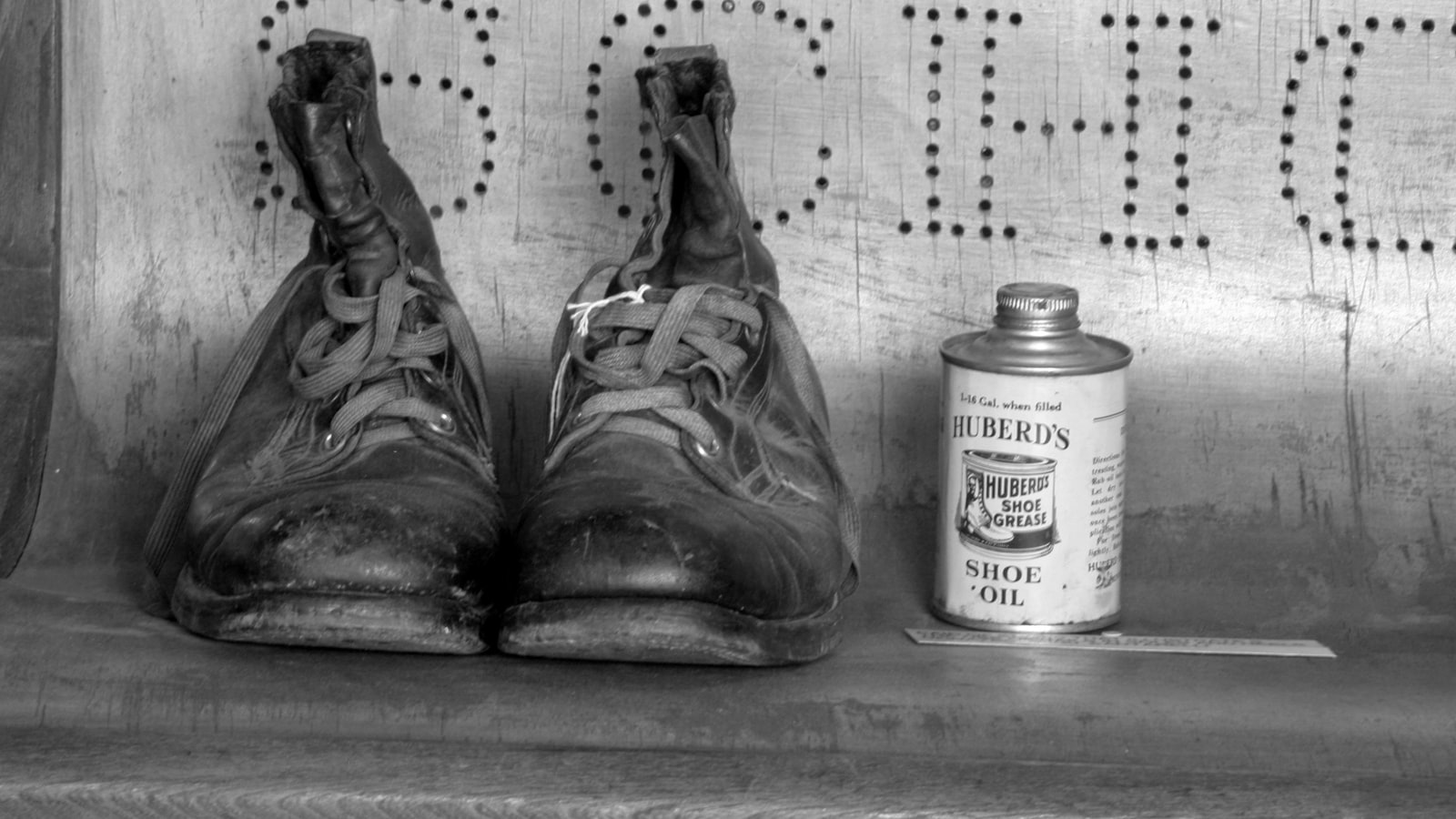
When the toe, heel or rubber rand of a mountain boot comes loose, you can fix it easily at home with the right adhesive. How to choose the adhesive, how to do the job, and what you have to wait for.
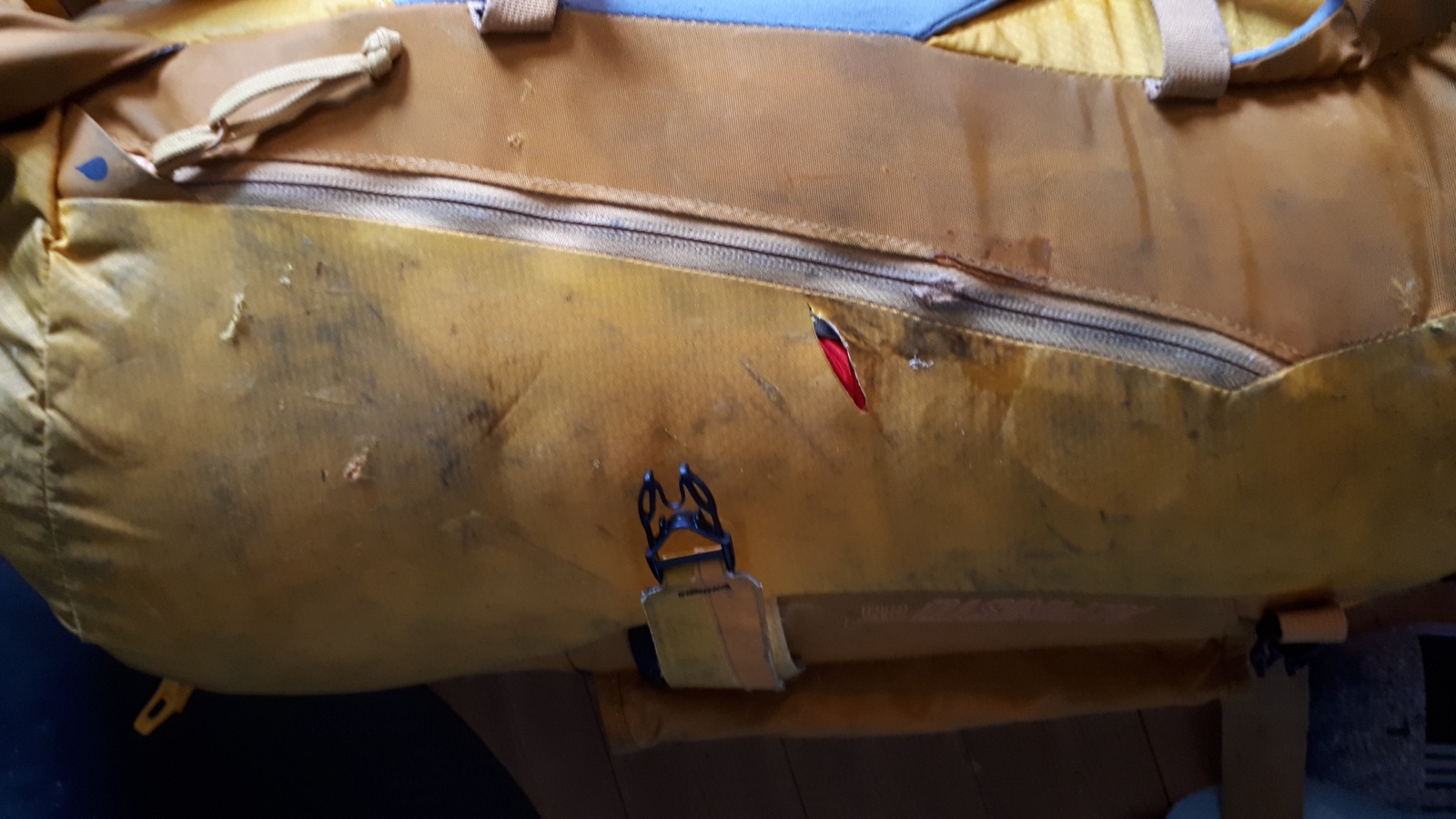
Spray adhesive or varmevinyl plus a fabric patch works on packs, clothing and other gear that is not machine-washed. Which adhesive works, and how to get a lasting result.
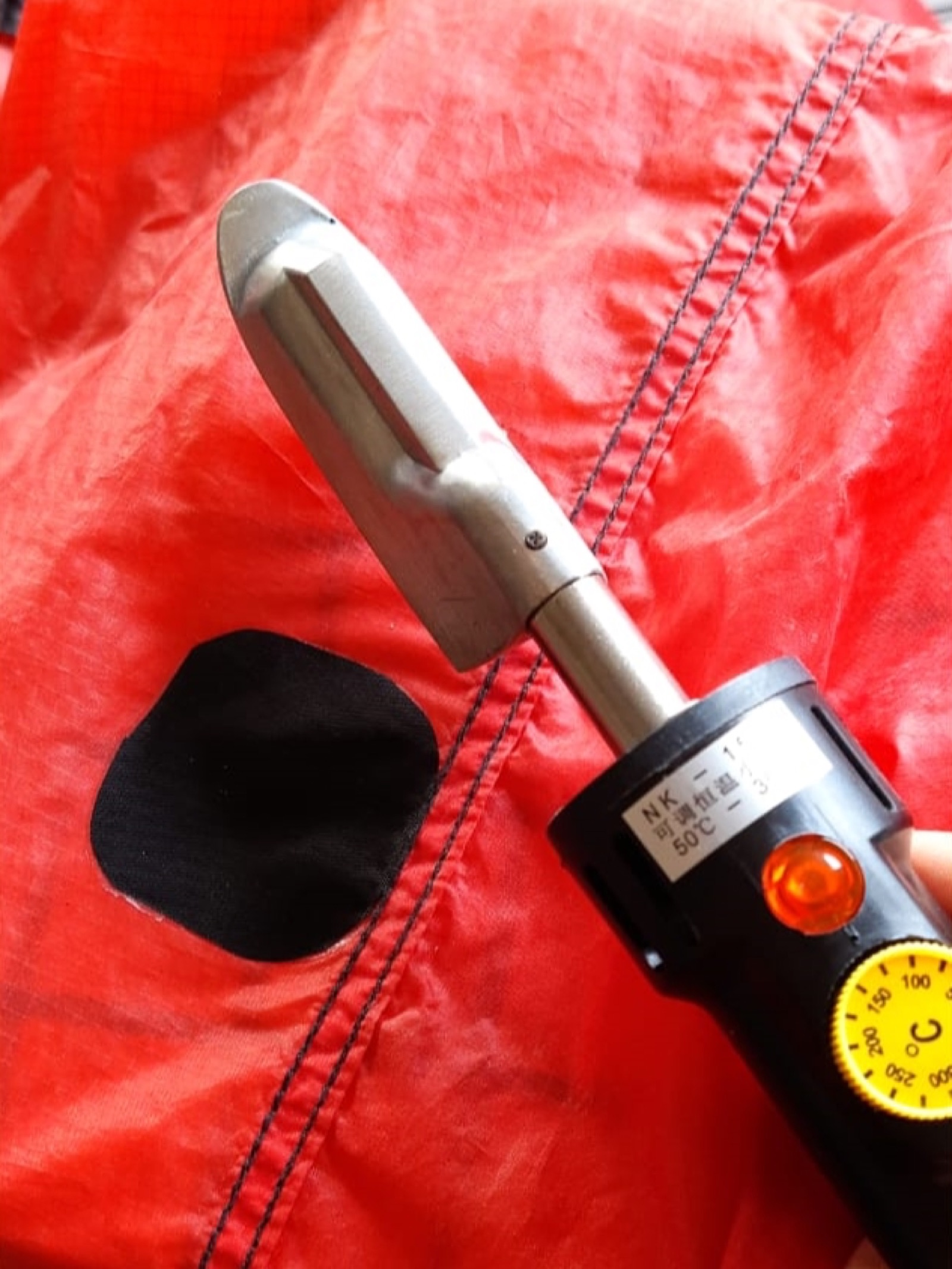
Heat-bonding vinyl plus a patch of tent fabric on the inside makes PU-coated tent fabric waterproof again. How to tell PU from silnylon, and why you must glue from the inside.
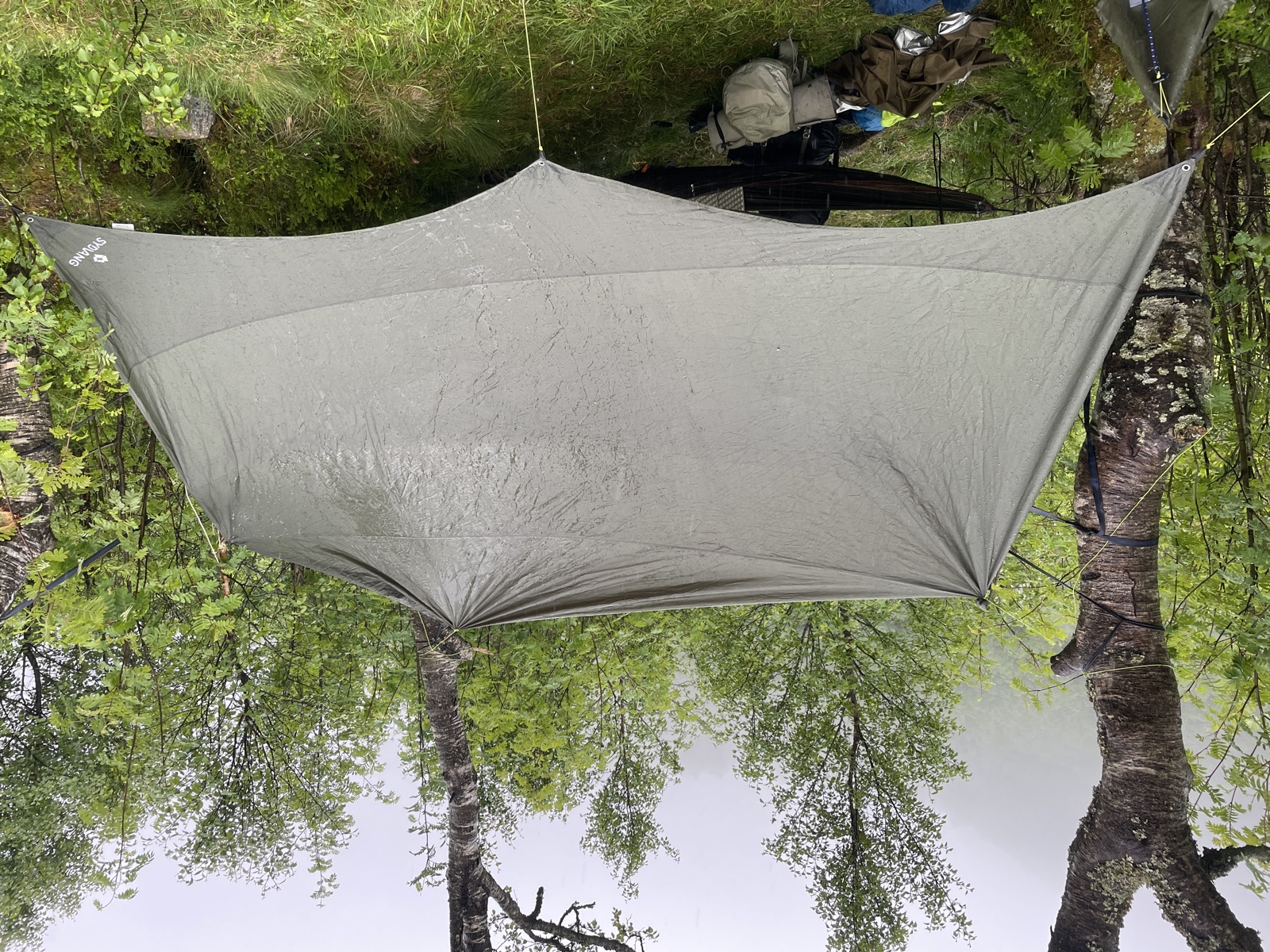
When the eyelet on the tarp tears, or you need an extra guy-line attachment point where there is none — a stone or cone on the inside plus a line on the outside fixes it in a minute.
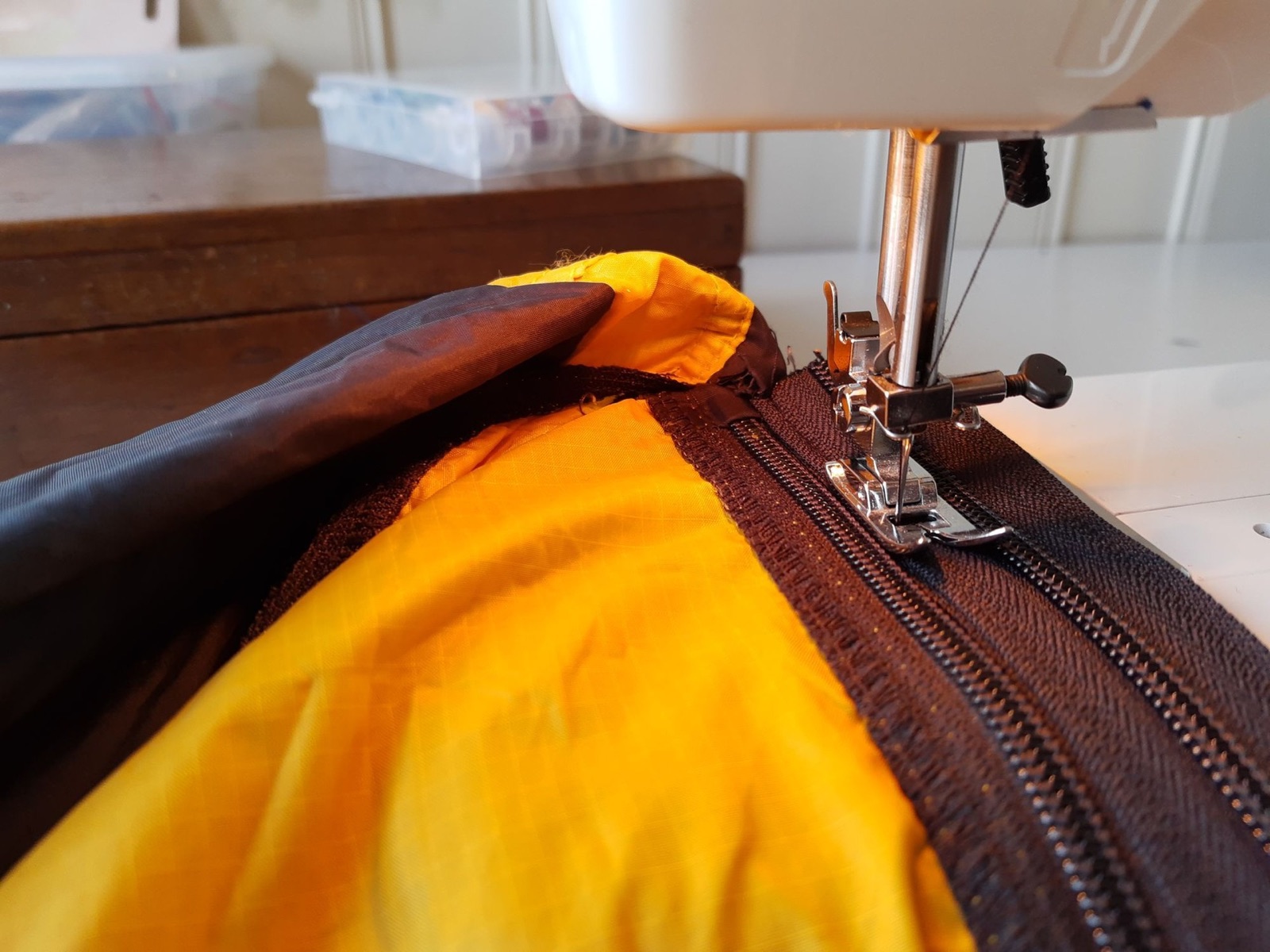
To give leather boots the longest possible life, it is important to treat them correctly. If you look after them well, you can enjoy your boots for many years.
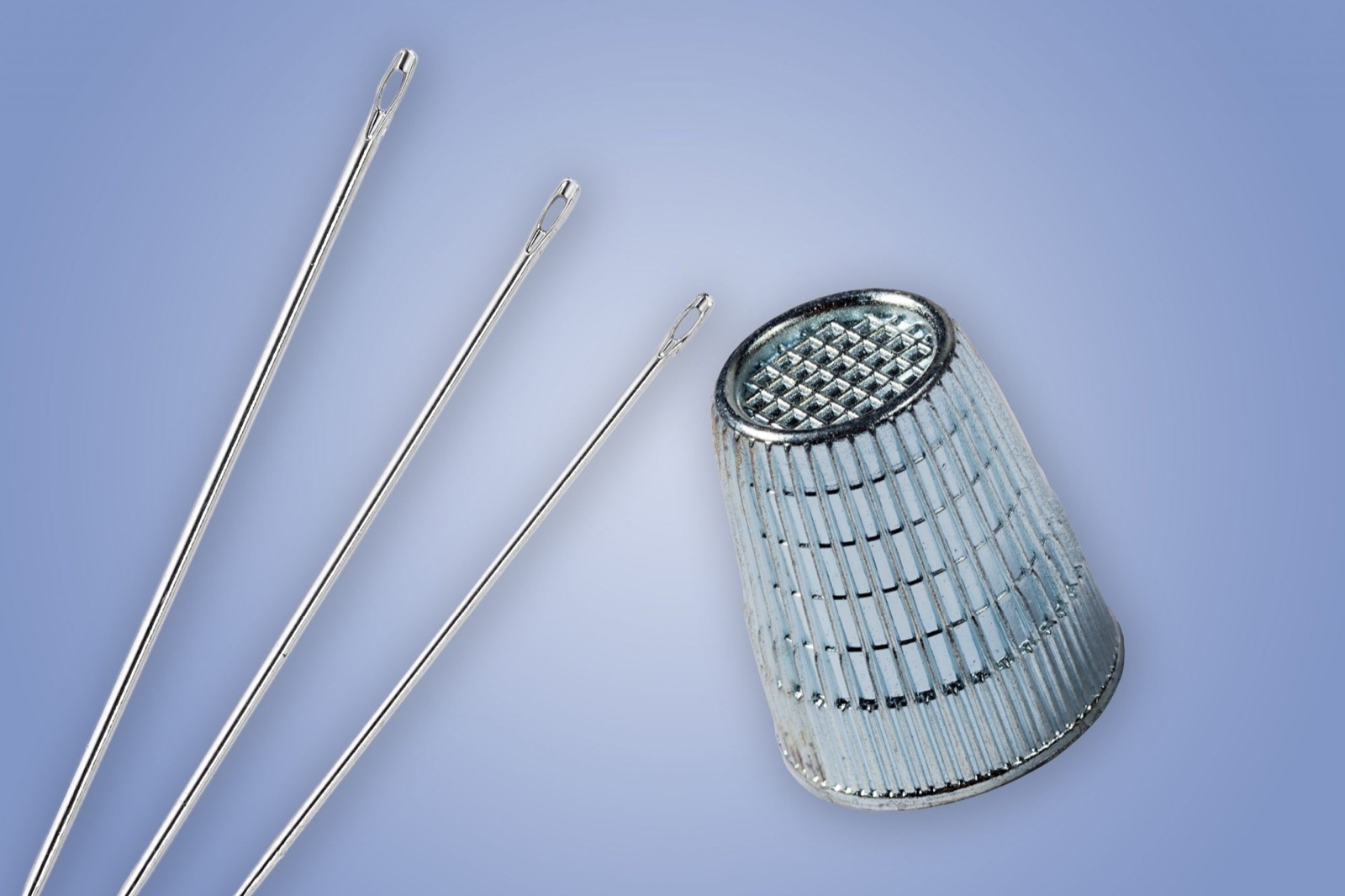
Online you can find instructions for almost any repair. But it can be good to get a little help, tips and advice the first few times you try your hand at the sewing machine, for example.
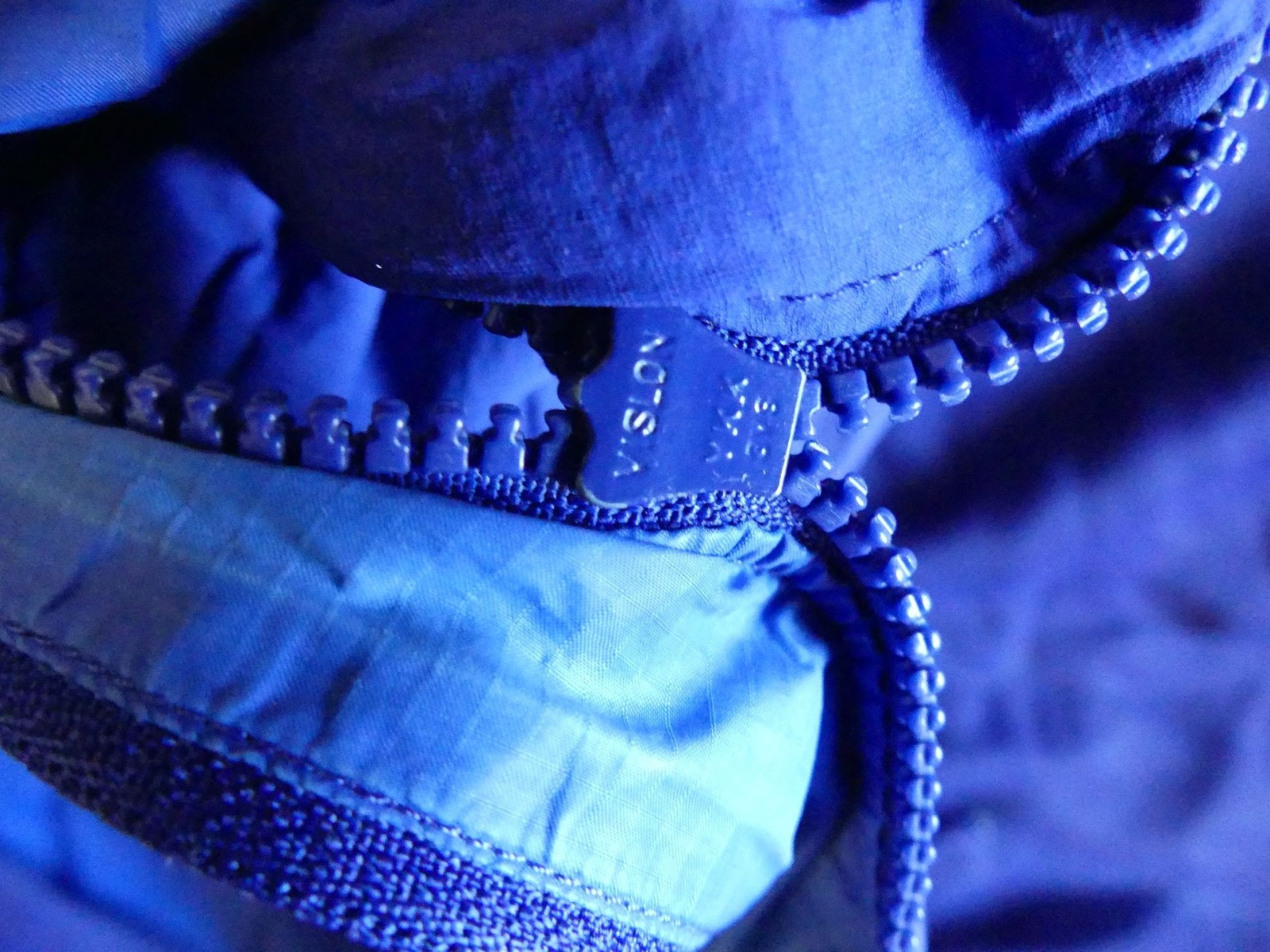
A complete list of Snuitide's repair articles — sorted by whether the repair is done out or at home, and which type of gear it concerns.
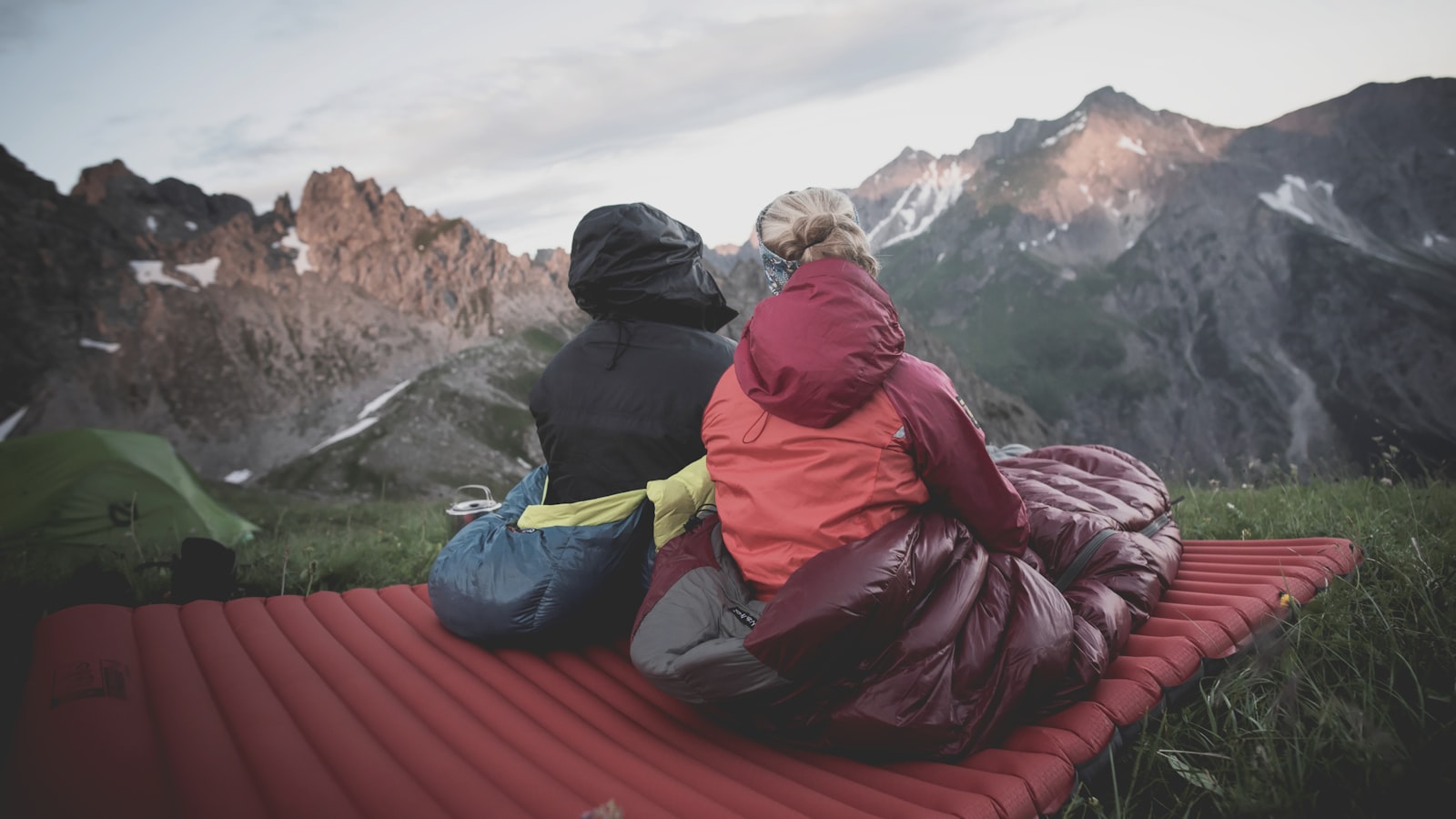
A hole in an inflatable sleeping mat in the middle of a trip means no sleep. Here is how to find the hole and fix it with the repair kit — or with gaffer tape as a temporary solution.
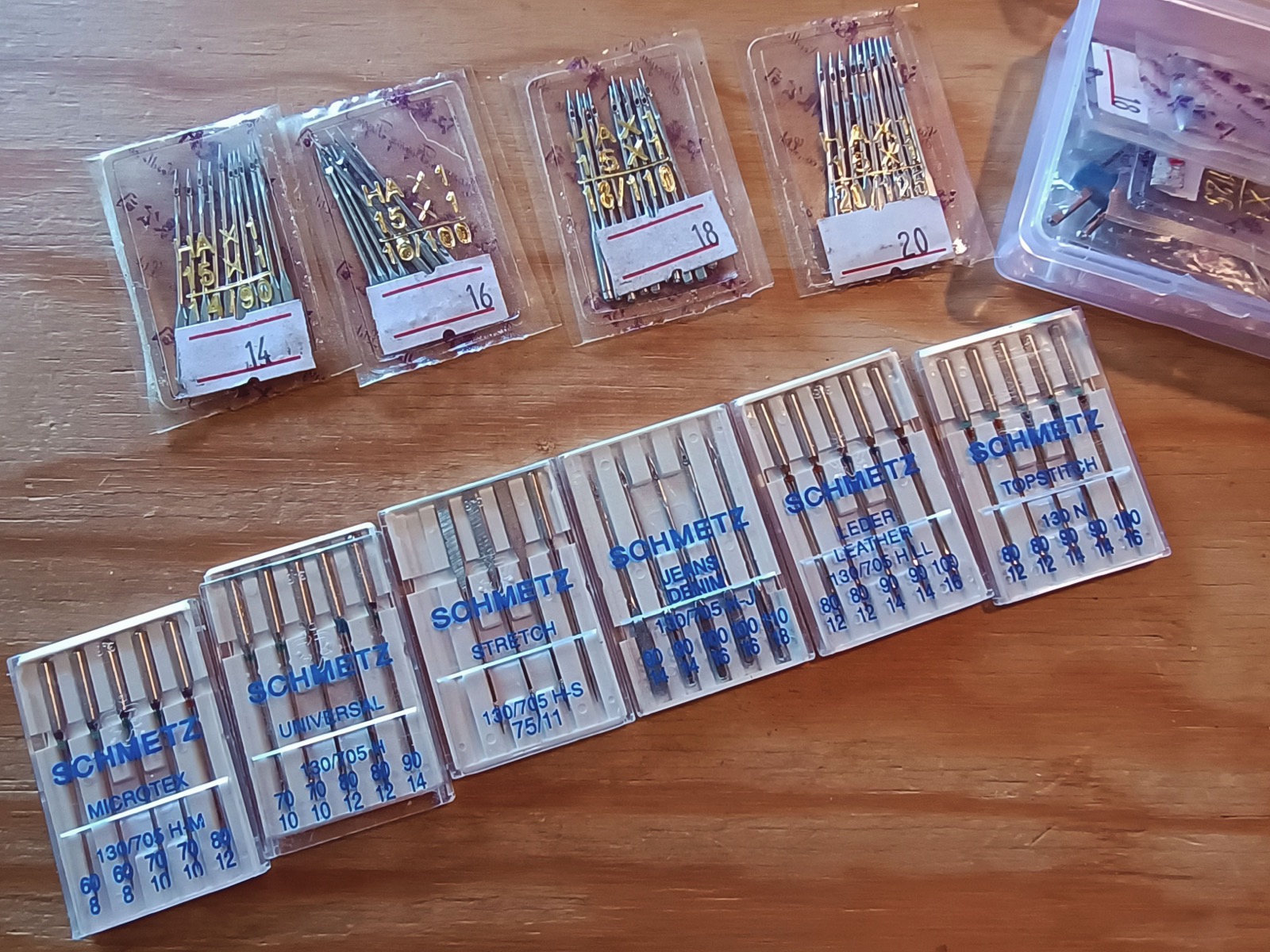
Repairing most outdoor gear places no great demands on a sewing machine; most household machines work just fine.
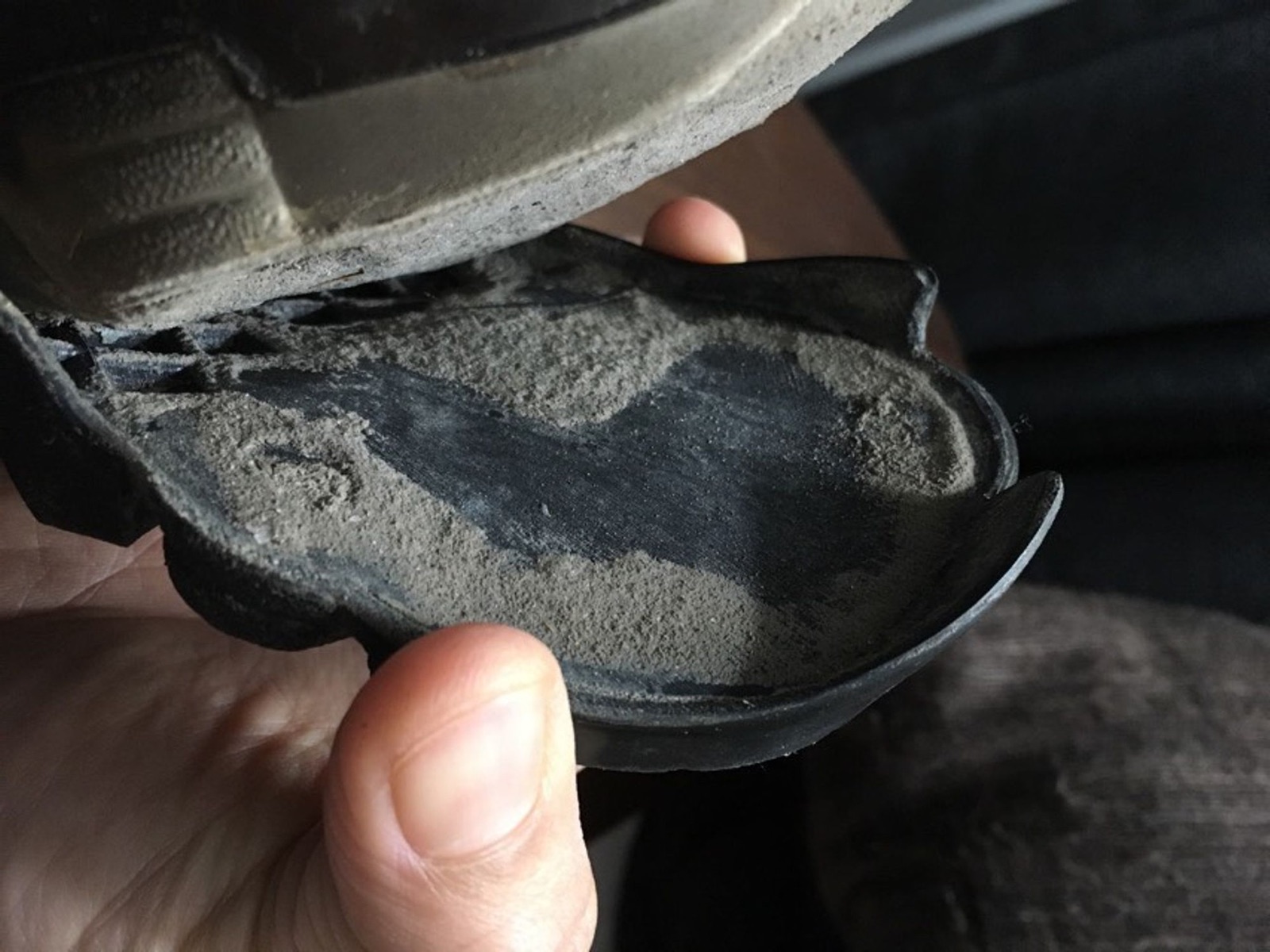
When you come home from a trip, you may have gear that needs attention. The emergency repairs we made on the trip need improving, or doing more neatly.
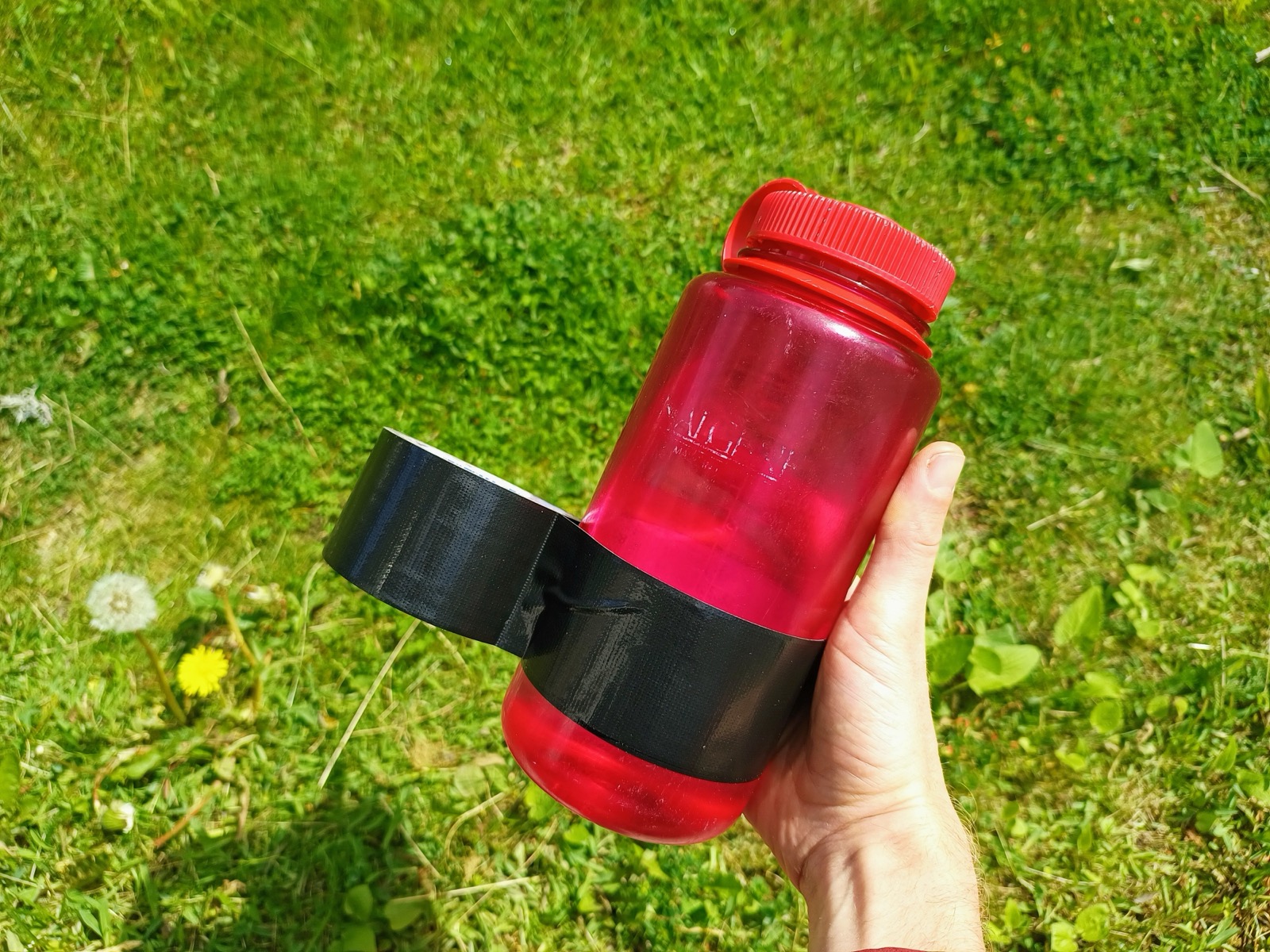
It is especially unfortunate when equipment breaks in the middle of a trip. A tent pole that snaps, a zip that gets damaged, or guy-line attachment points that give way.
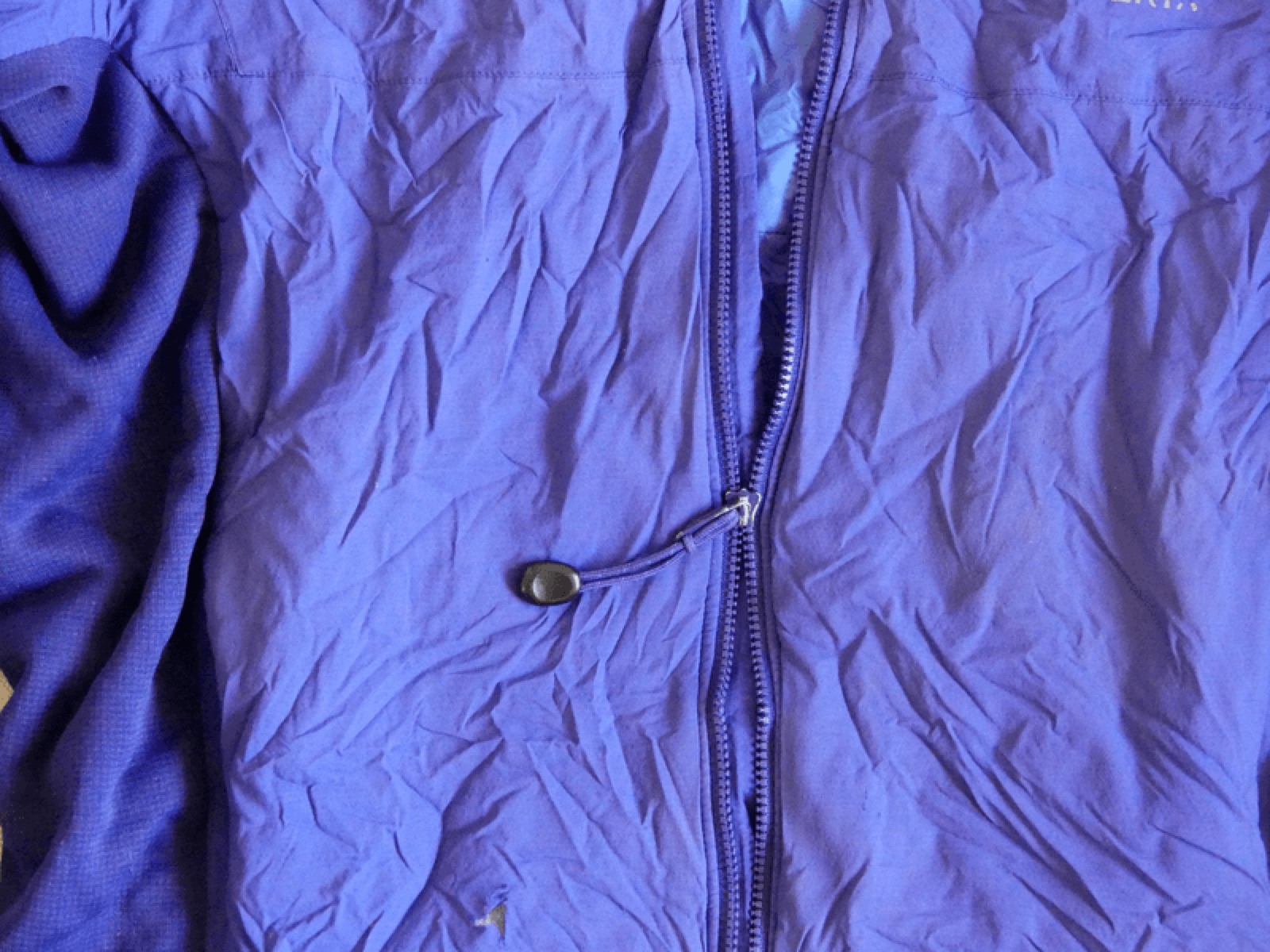
When the zip springs open but the teeth are still in place, you only need to replace the slider — a five-minute repair that adds years to a garment.
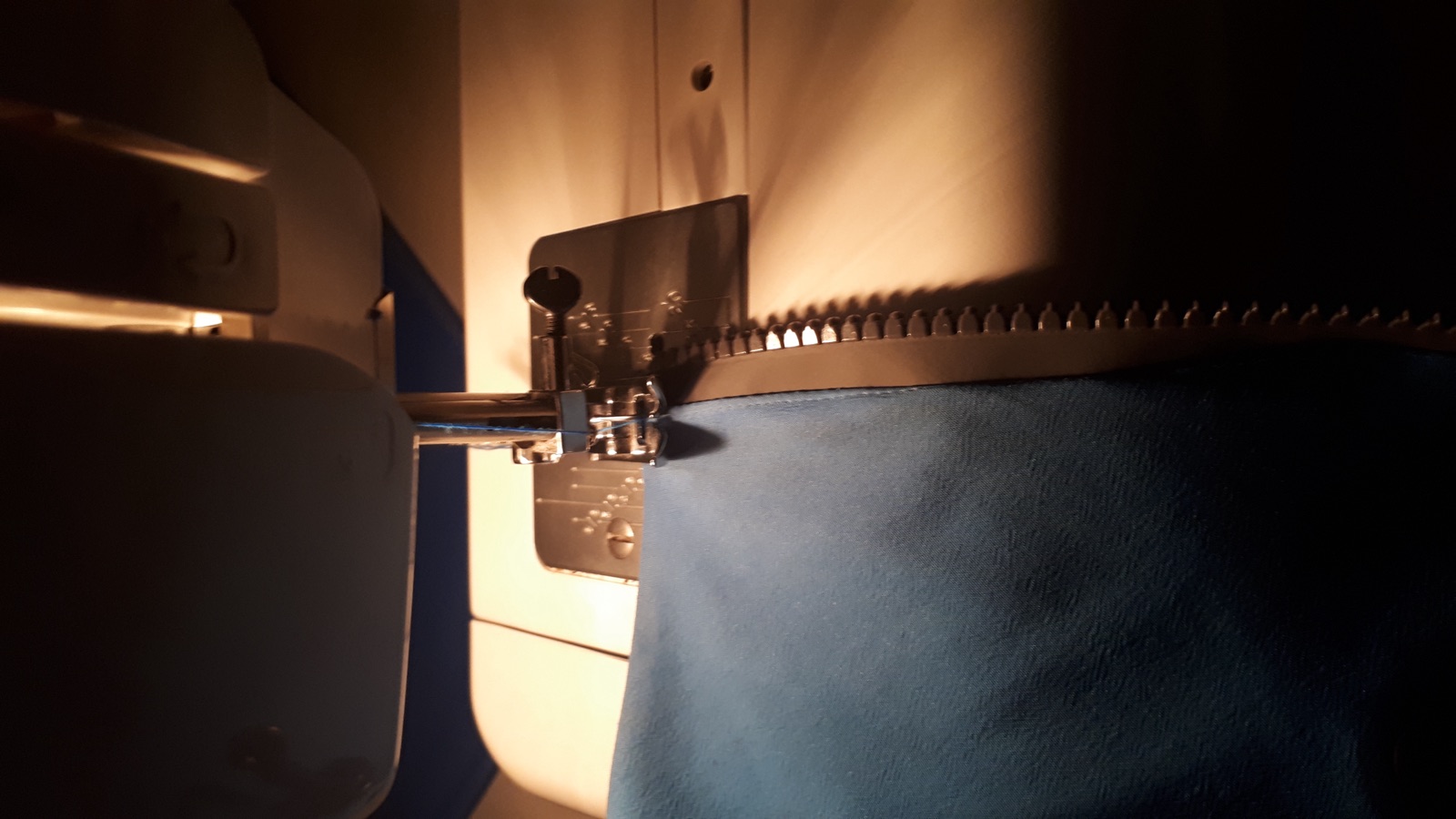
The coil has come loose, the teeth are missing, or the bottom stop is broken. Here is how to remove the old zip and sew in a new one — also on waterproof shell clothing where the seam must be sealed afterwards.
When the shock cord inside the tent pole has gone slack or snapped, the pole falls apart. Here is how to replace the cord — a 30-minute job at home.
When the tent floor starts to soak up moisture, the waterproof treatment has worn through. Here is how to apply a fresh PU coating.
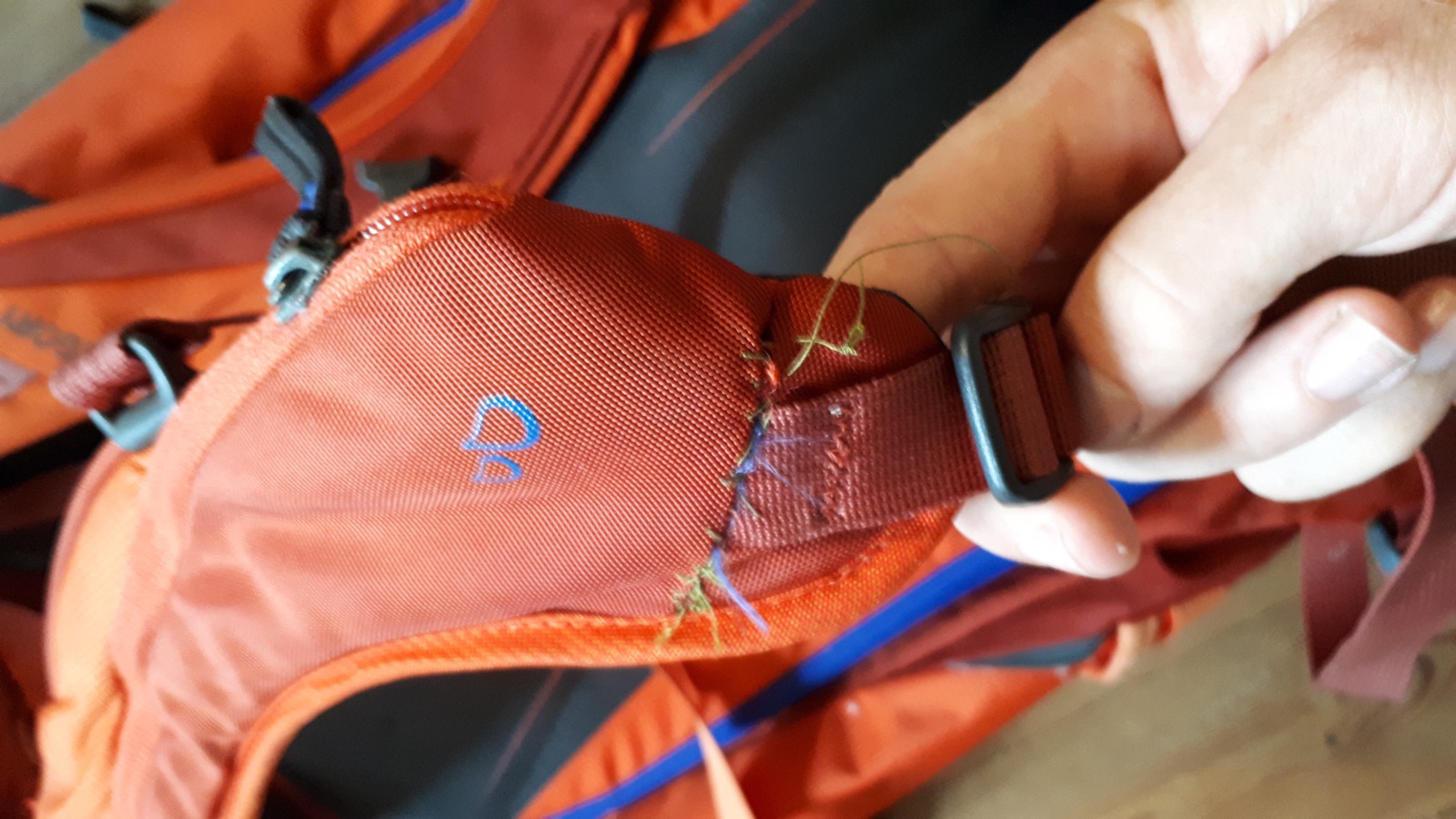
An open seam grows fast if you do not catch it. Here is how to sew over a blown seam with straight stitch — the simplest repair and one of the most necessary.
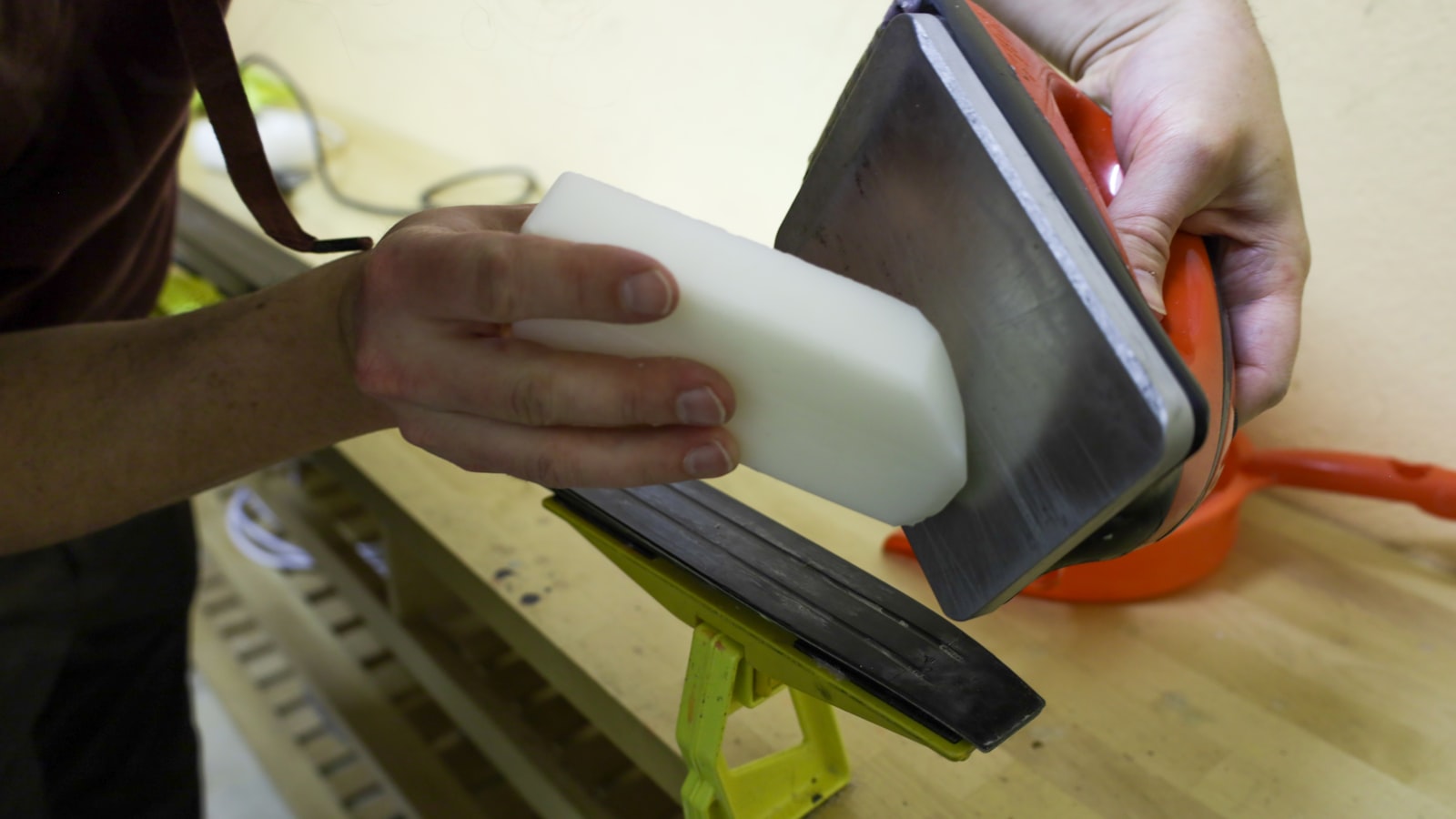
A polyethylene stick and a little heat — how to fill scratches in the ski base before they grow into real problems.
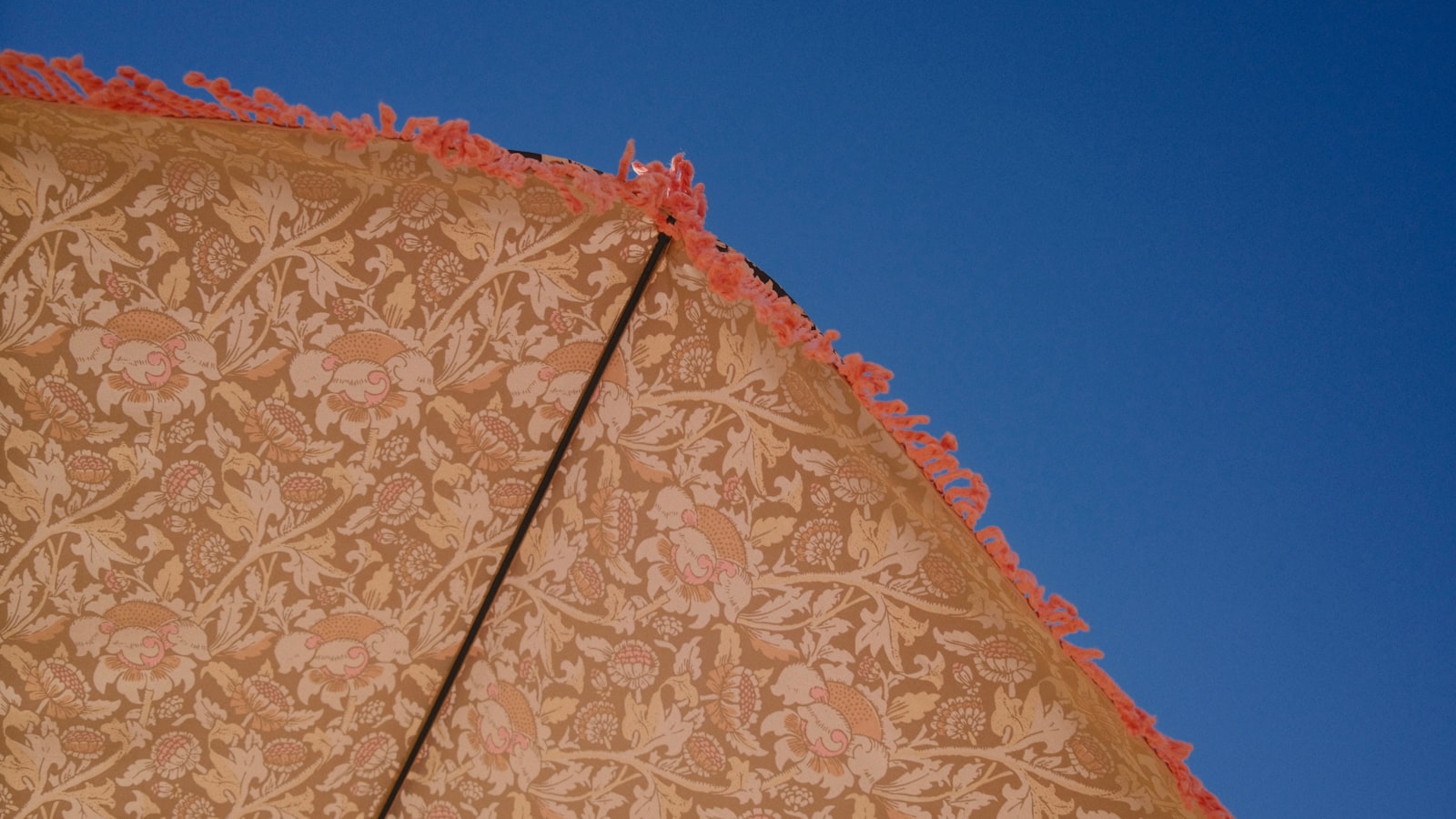
When a tent seam leaks, it is because the original sealing has broken down. Here is how to apply a new layer — and why PU and silicone need entirely different methods.
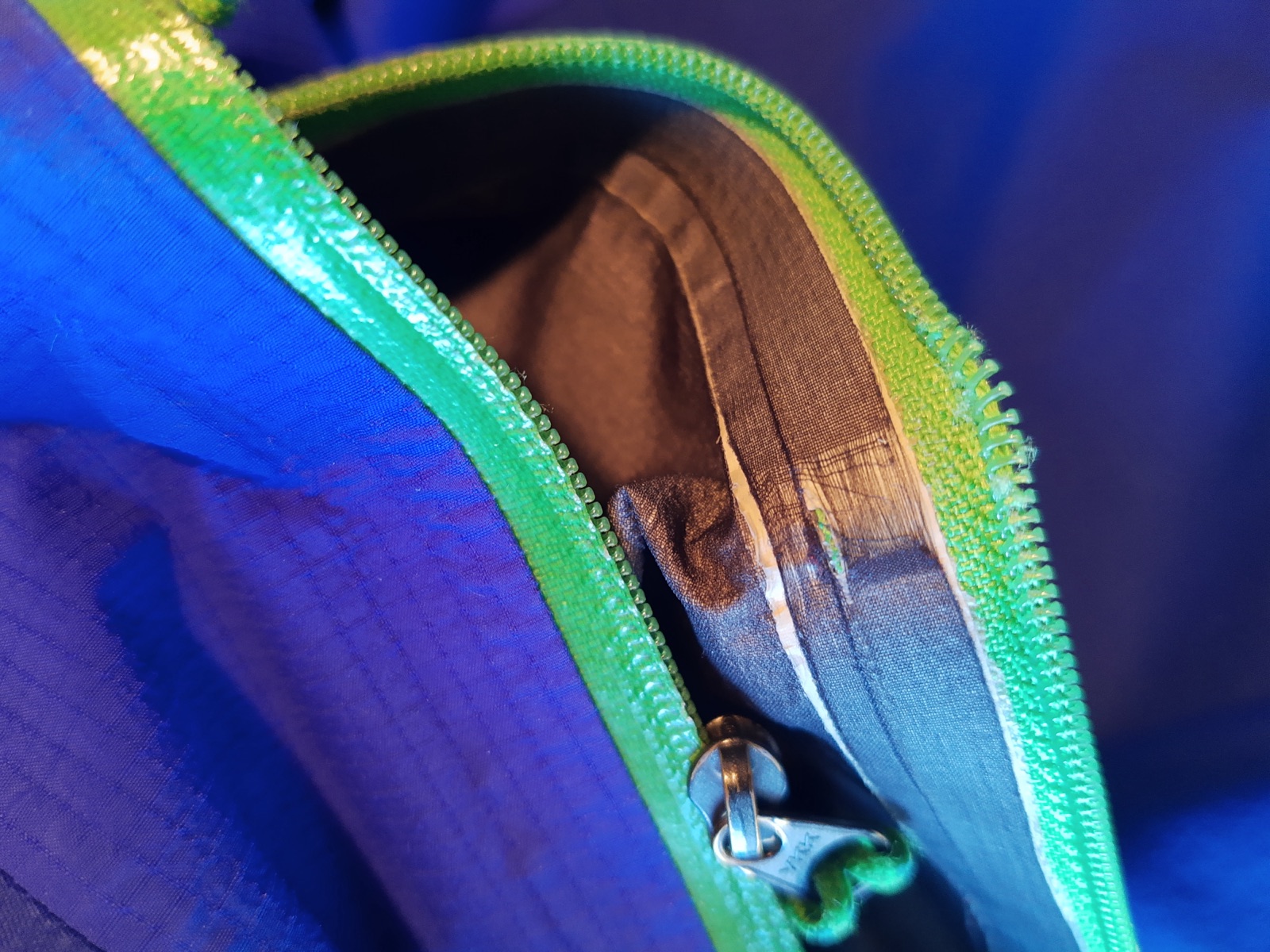
If the zip coil has started to come away from the tape, you can sew it back down with a straight stitch — worth a try before you replace the whole zip.
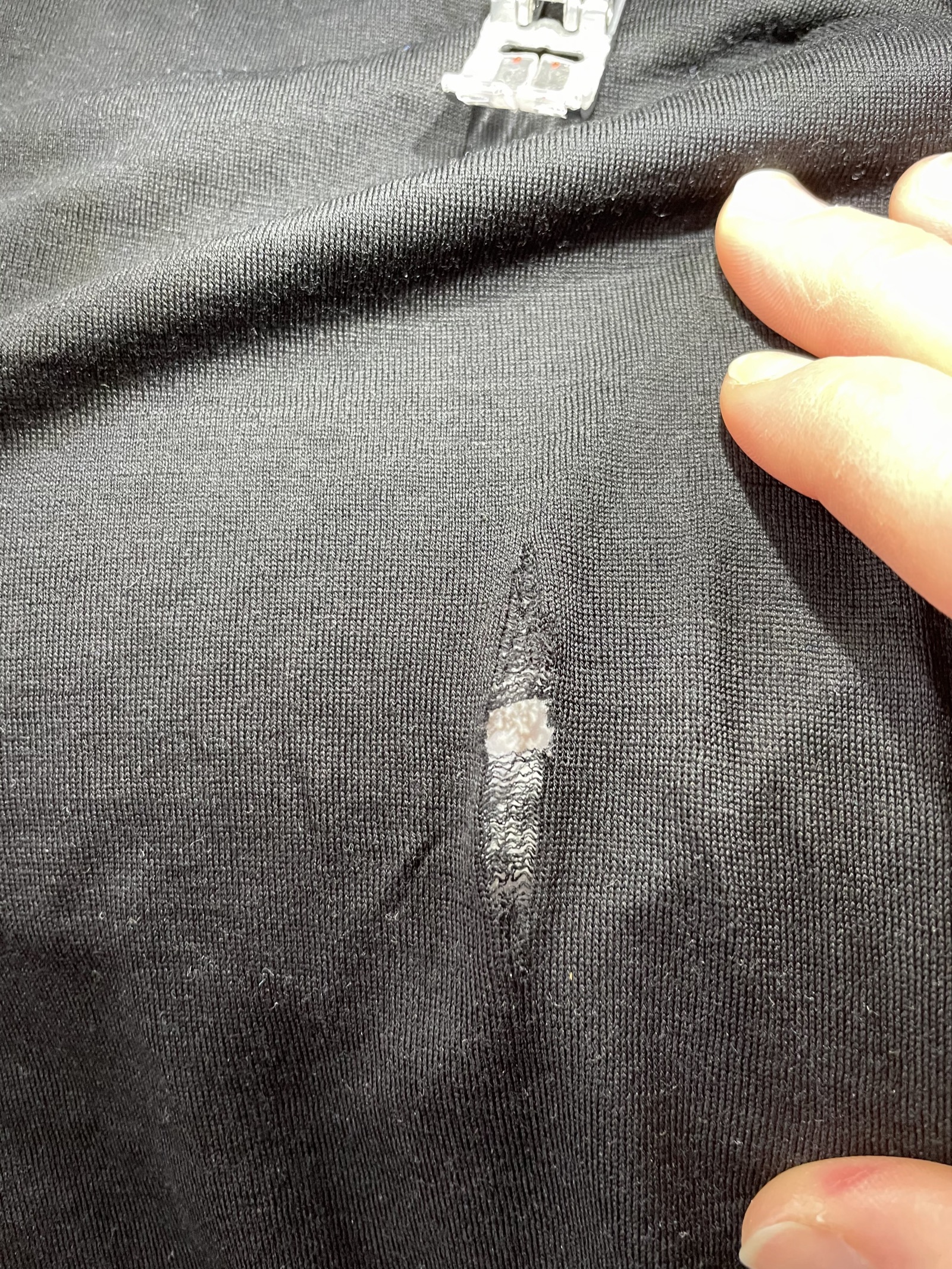
A reinforcing patch on the back + a zigzag over the hole. How to fix tears in wool, synthetics and shell clothing — including when you want to keep the waterproofing.
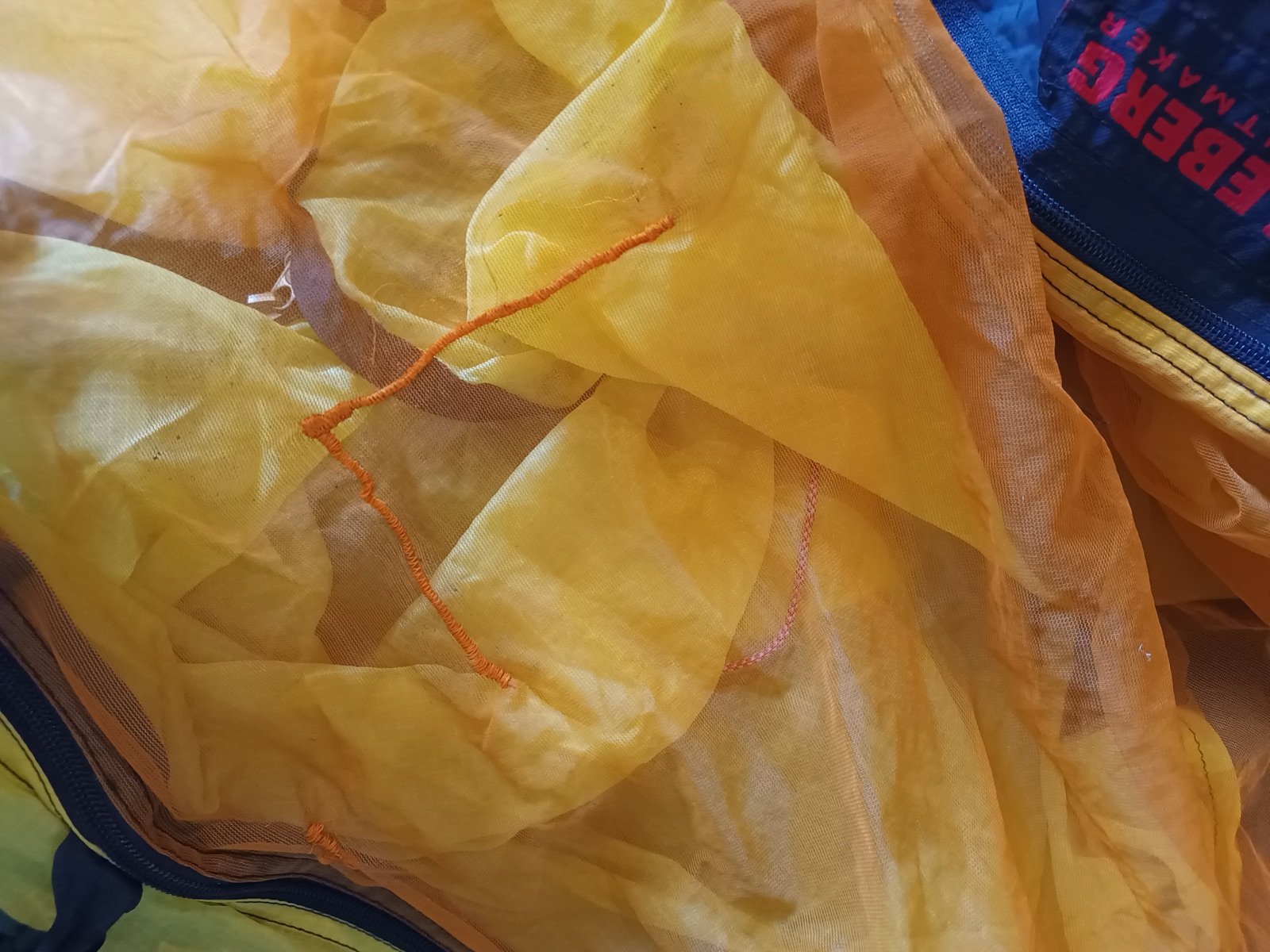
A zigzag stitch run straight over the tear with stitch length 0 closes the hole in mosquito netting. For larger holes: cut a patch and glue it on both sides.
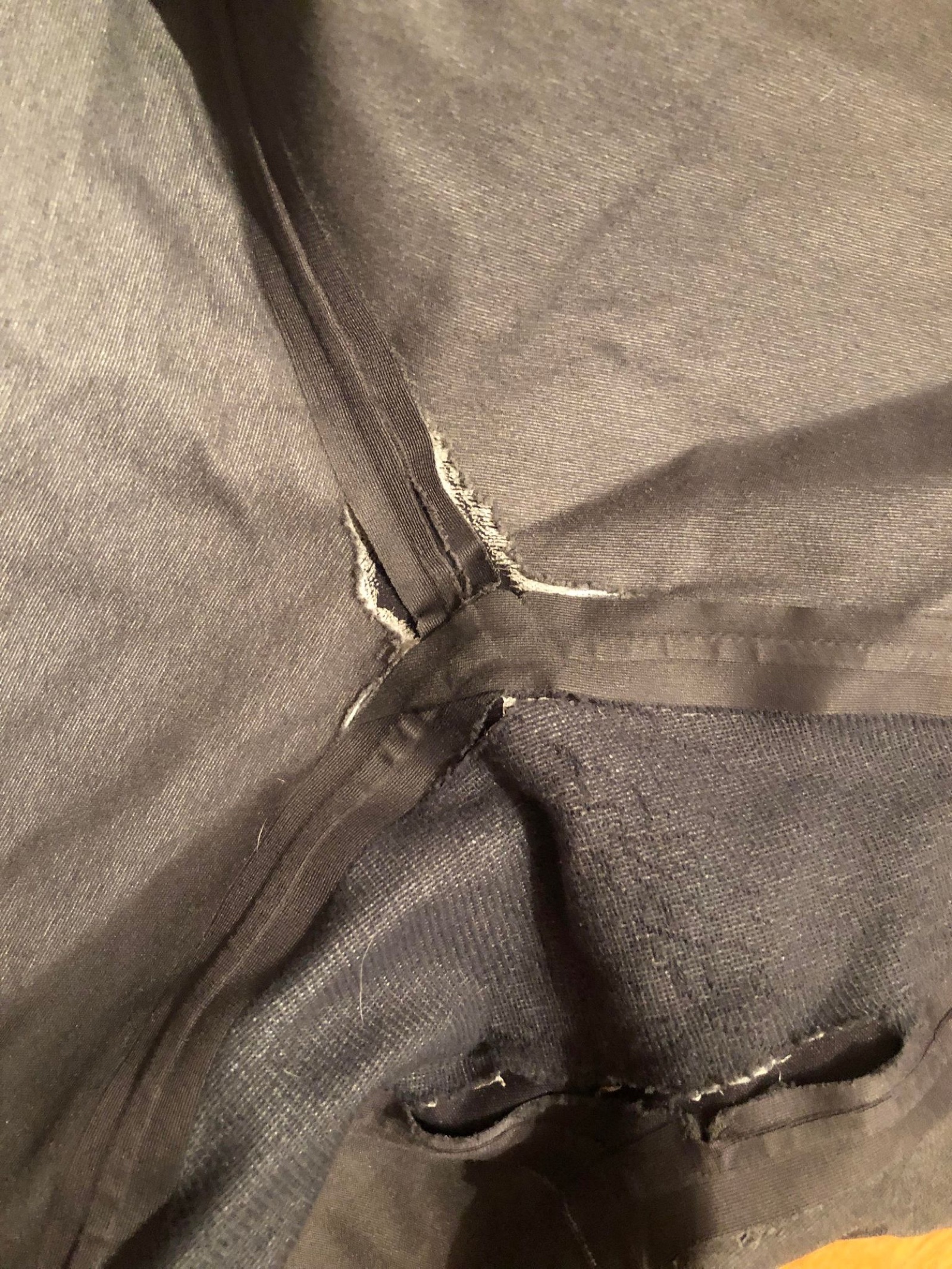
The crotch is the part of hiking trousers that gives way first. A reinforcing patch on the inside + a zigzag seam spreads the load and extends the life — here is how to do it properly.
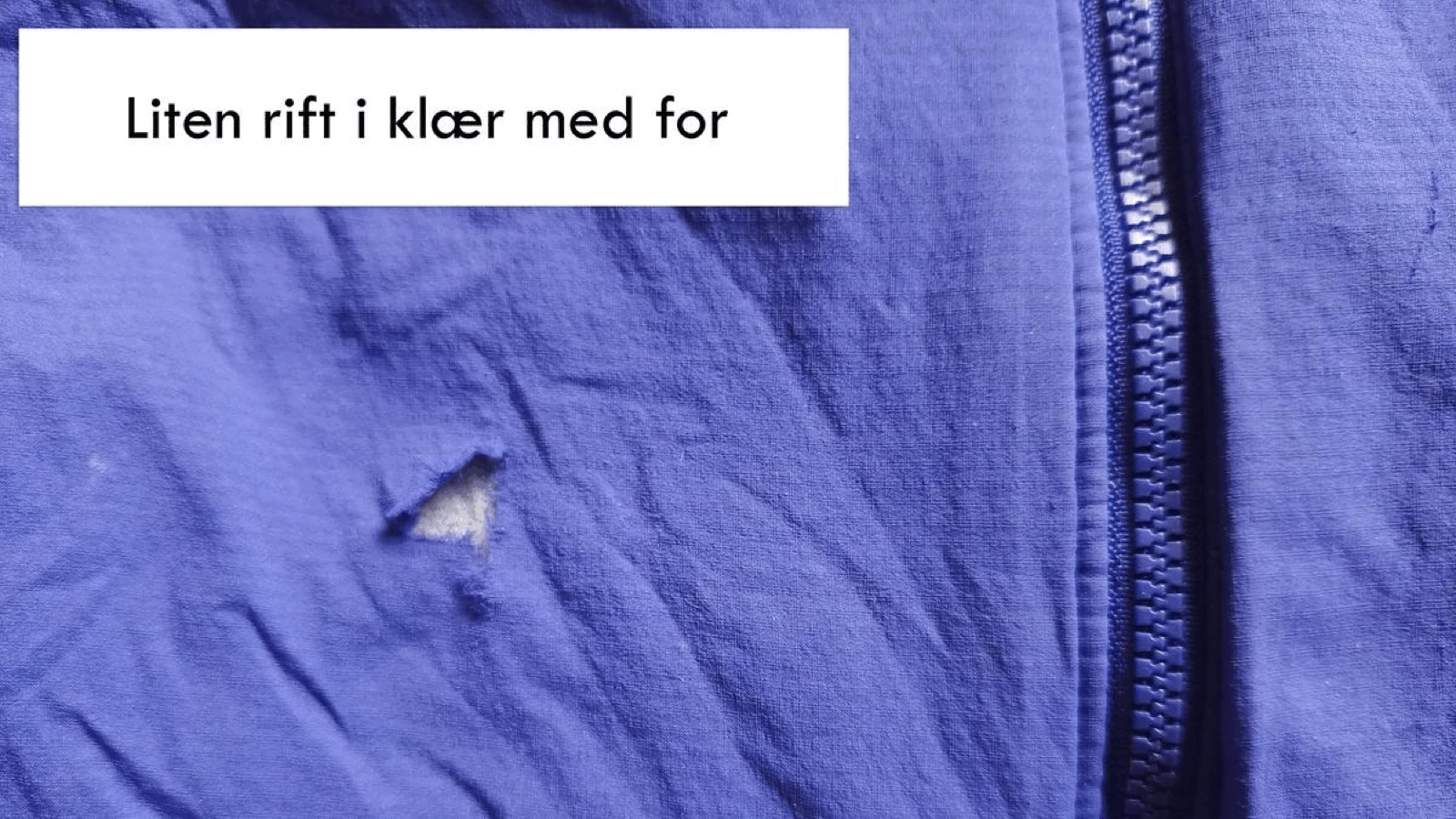
Varmevinyl (heat-bonding web) plus a fabric patch is the quickest repair for lined clothing. Here is how to do it for small and large tears — and why you should use rounded edges.
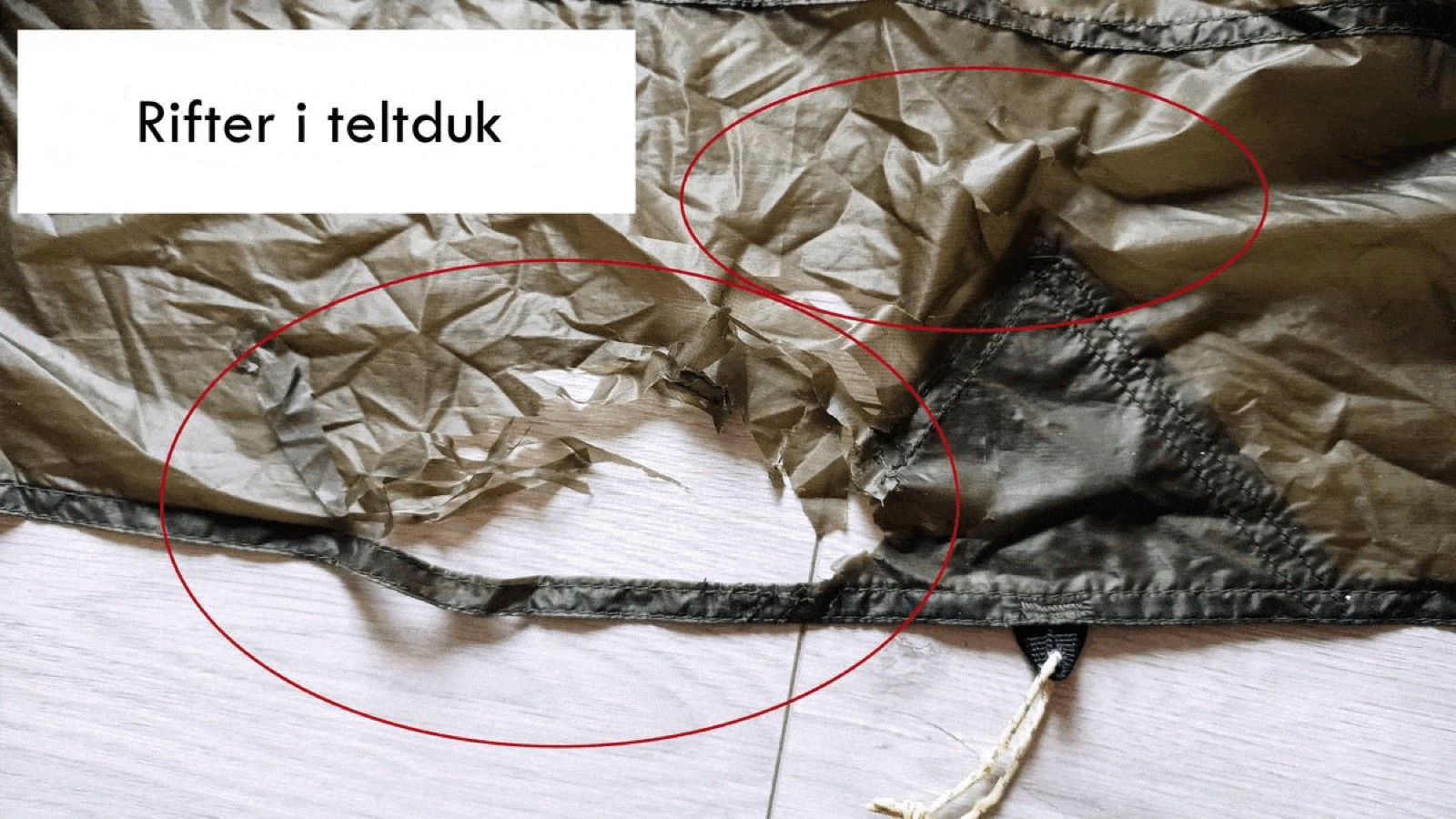
A patch on the outside, one on the inside, cutting away the damaged fabric. Here is how to fix tears in tent fabric so they become watertight again — without replacing the whole tent.
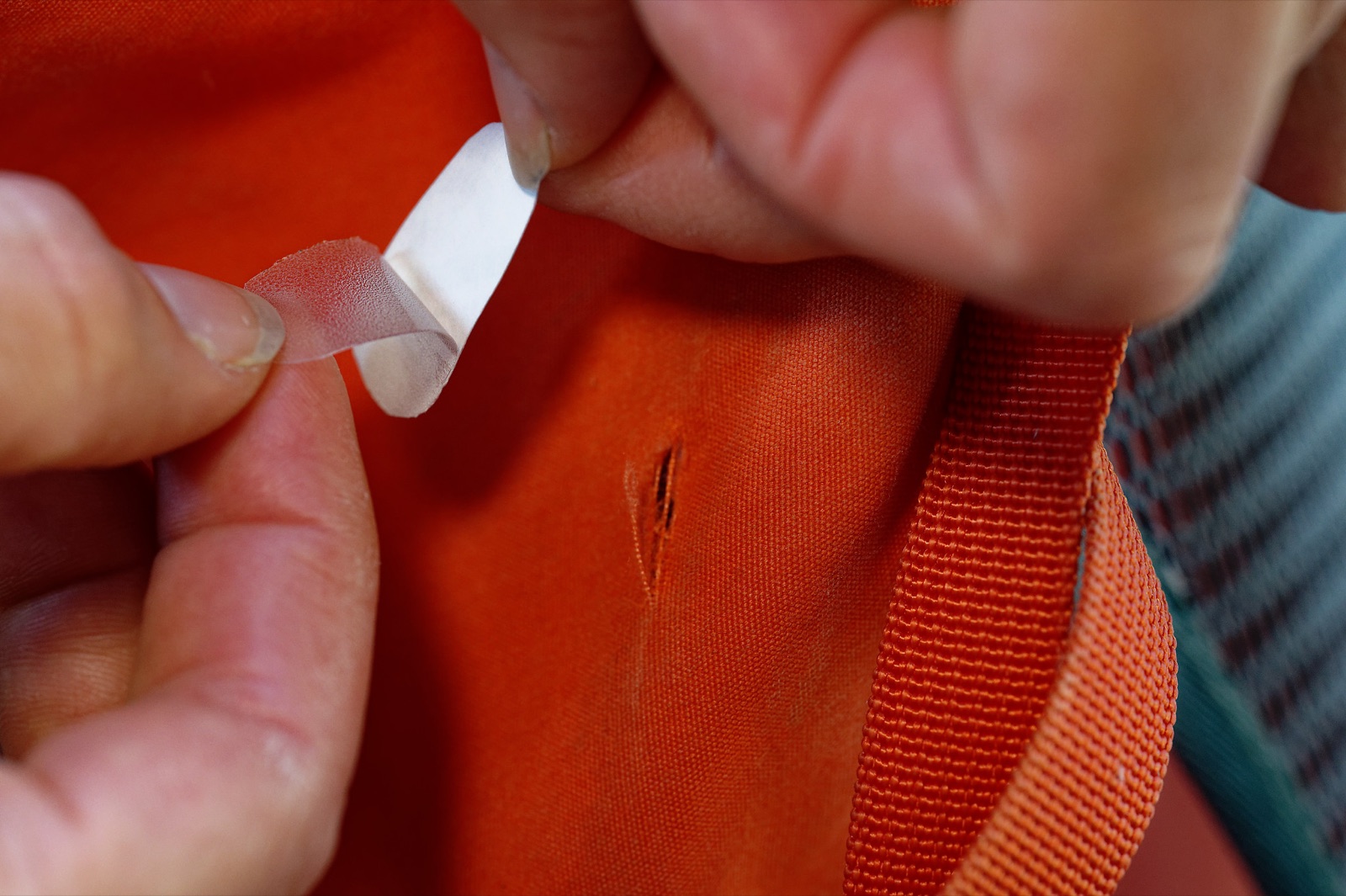
Gaffer tape or Tear-Aid over a hole in your pack, tent or jacket holds for the rest of the trip. Here is how to do it properly — rounded edges and clean fabric are the key.
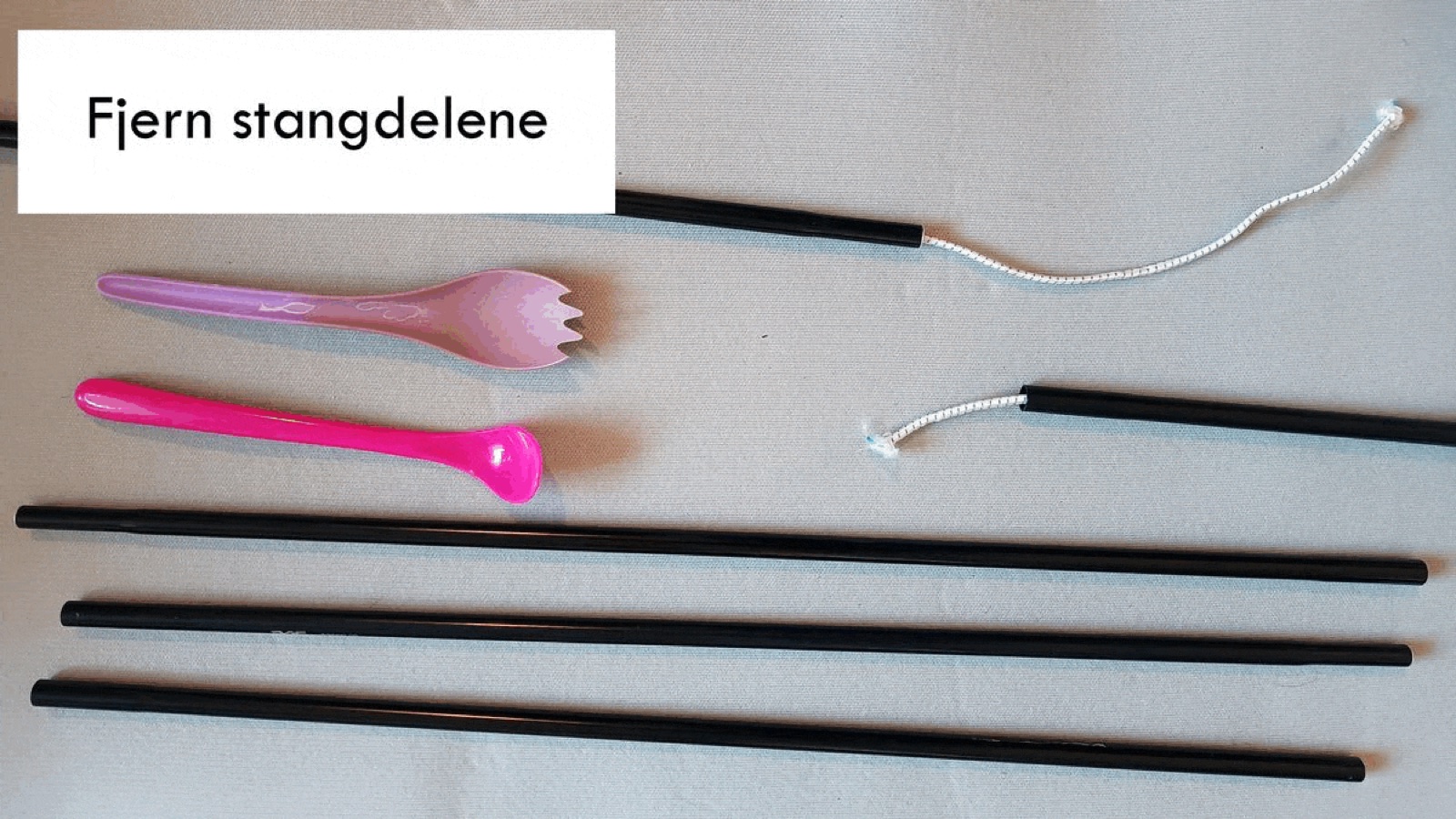
When the shock cord inside a tent pole snaps midway through a camping trip, you have to knot it back together on the spot. Here is how, using two half hitches and a fisherman's knot.
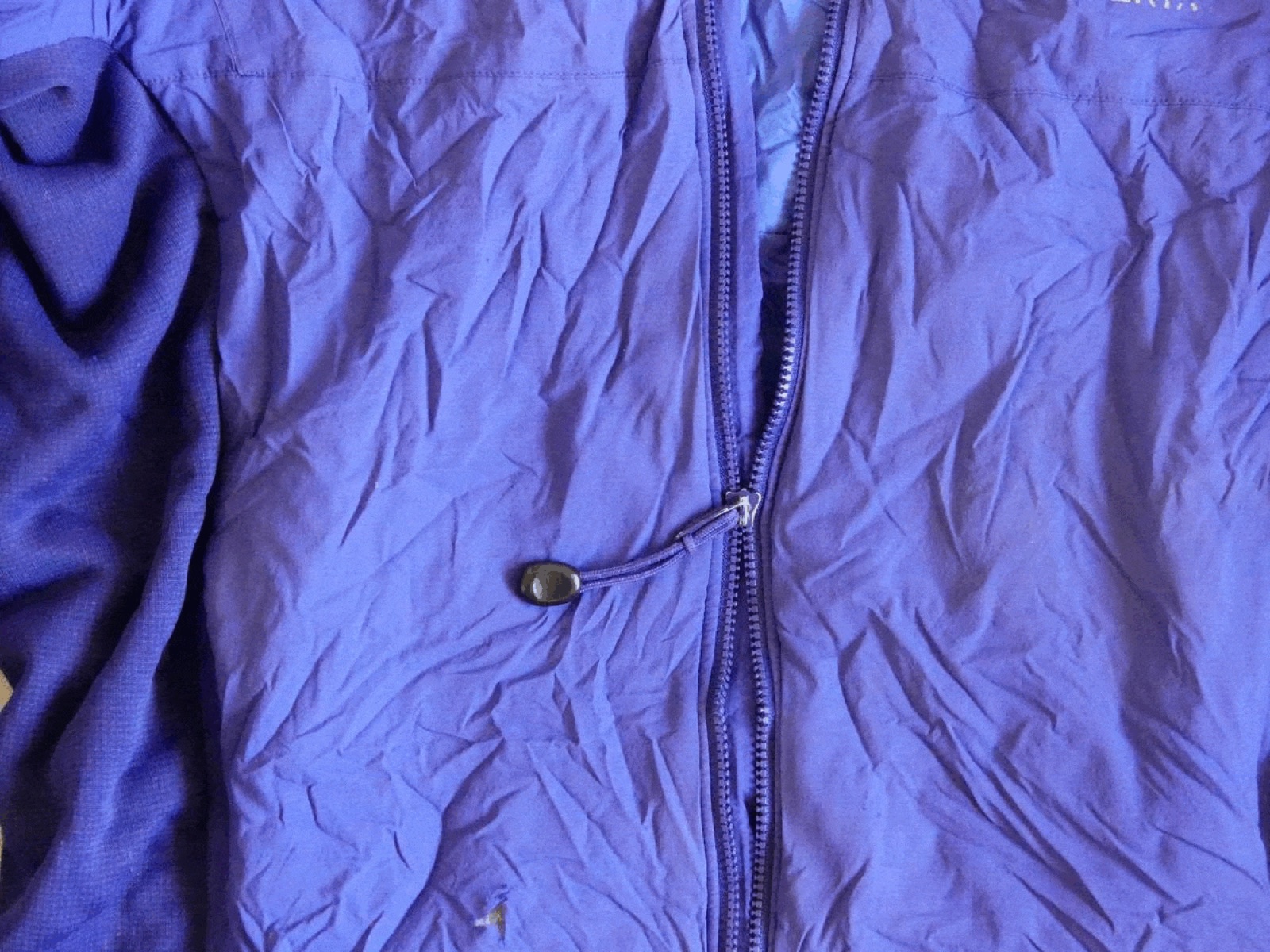
If the zip springs open in the middle of a hike, the slider has often spread apart. Here is how to squeeze it back into shape with a multi-tool or two stones.