Repair & Maintenance
Repair after a trip - sewing
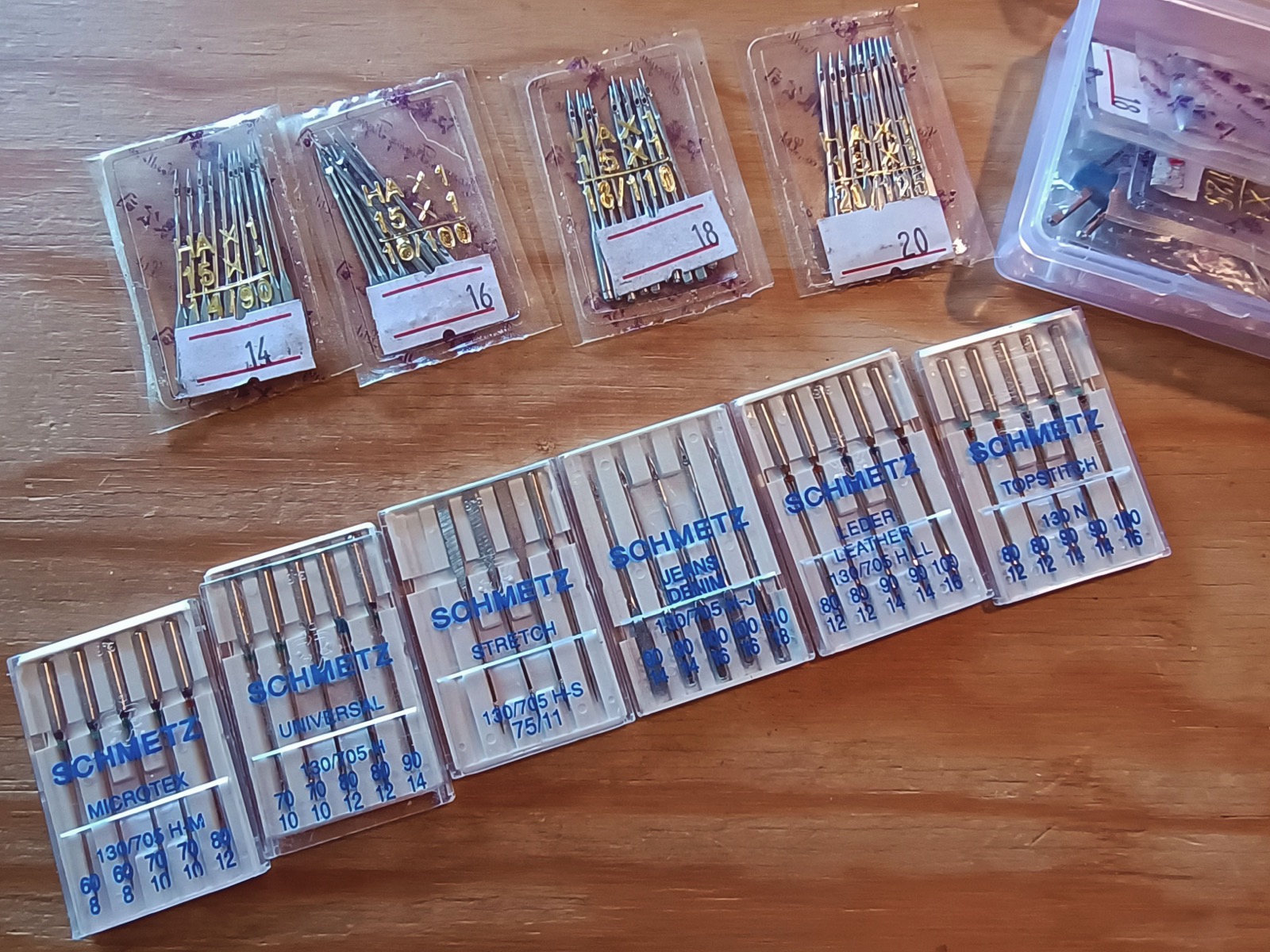
Repairing most outdoor gear places no great demands on a sewing machine; most household machines work just fine.
Contents
Repairing most outdoor gear places no great demands on a sewing machine; most household machines work just fine. Clothing, tents and other gear used on a trip are mostly made from thin and lighter materials that an ordinary sewing machine handles without trouble. If your sewing machine has straight stitch and zigzag stitch, you have everything you need for repairs.
Some tips for a good result when sewing by machine
Stitch types - straight stitch and zigzag stitch
For repairing clothing and gear you only need to know two stitch types: straight stitch and zigzag stitch.
- Straight stitch - the strongest and most widely used stitch.
- The only place it cannot be used is in seams that need to stretch, such as close-fitting garments like wool base layers.
- Zigzag stitch - less hard-wearing, since more of the thread is exposed between each stitch.
- The diagonal spacing gives this stitch type the ability to let the fabric stretch, so it is used in stretch fabrics.
- The stitch can be adjusted in width, so it is also handy for covering over holes.
Stitch length
On every sewing machine there is a small dial for adjusting the length between each stitch. The main principle is that thinner fabrics need more stitches than thicker and stronger fabrics.
- 1.5-2.5 - thinner textiles such as the thin outer fabric on thin down jackets.
- 2.5-4 - thicker textiles such as cotton/polyester blends.
- 0 (feeding by hand) - you have to move the fabric through yourself to set the spacing. Handy when you need to close up holes.
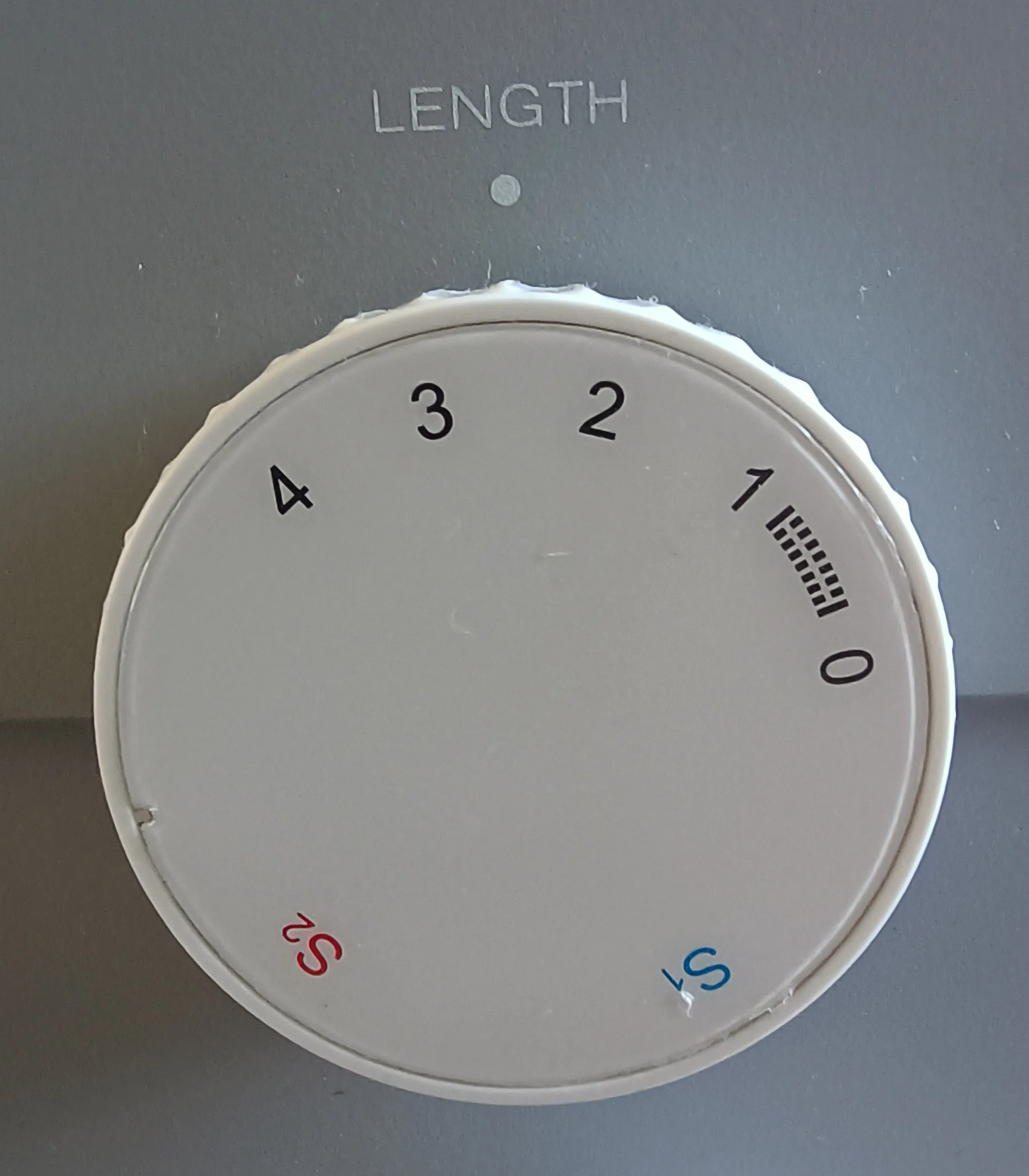
Image: Lars Peters
Stitch width (zigzag)
Adjusting the stitch-width dial on zigzag stitch varies a little from machine to machine. Some have it built into the dial where you select the stitch type, often from B (small) to C (widest). Other machines have their own dial with numbers that adjust the width.
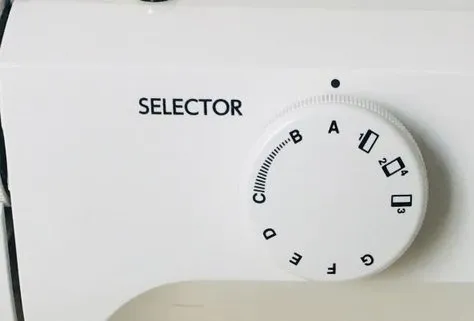
Photo: Lars Peters
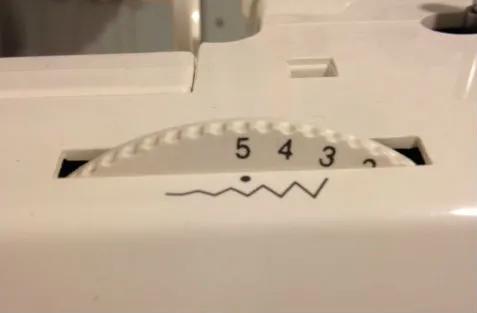
Photo: Lars Peters
Machine needle sizes
| Size | Use | Thread thickness |
|---|---|---|
| 70 | Thin and light textiles such as on down jackets, thin tent fabric, windproof jackets and the like. | Thin thread/ordinary thread |
| 80 | Ordinary cotton and wool. | Thin thread/ordinary thread |
| 90 | Medium-thick fabrics, cotton and polyester blends and so on (the most versatile needle). | Ordinary thread |
| 100 - 110 - 120 | Heavier textiles and several layers of fabric. | Thick (jeans) thread |
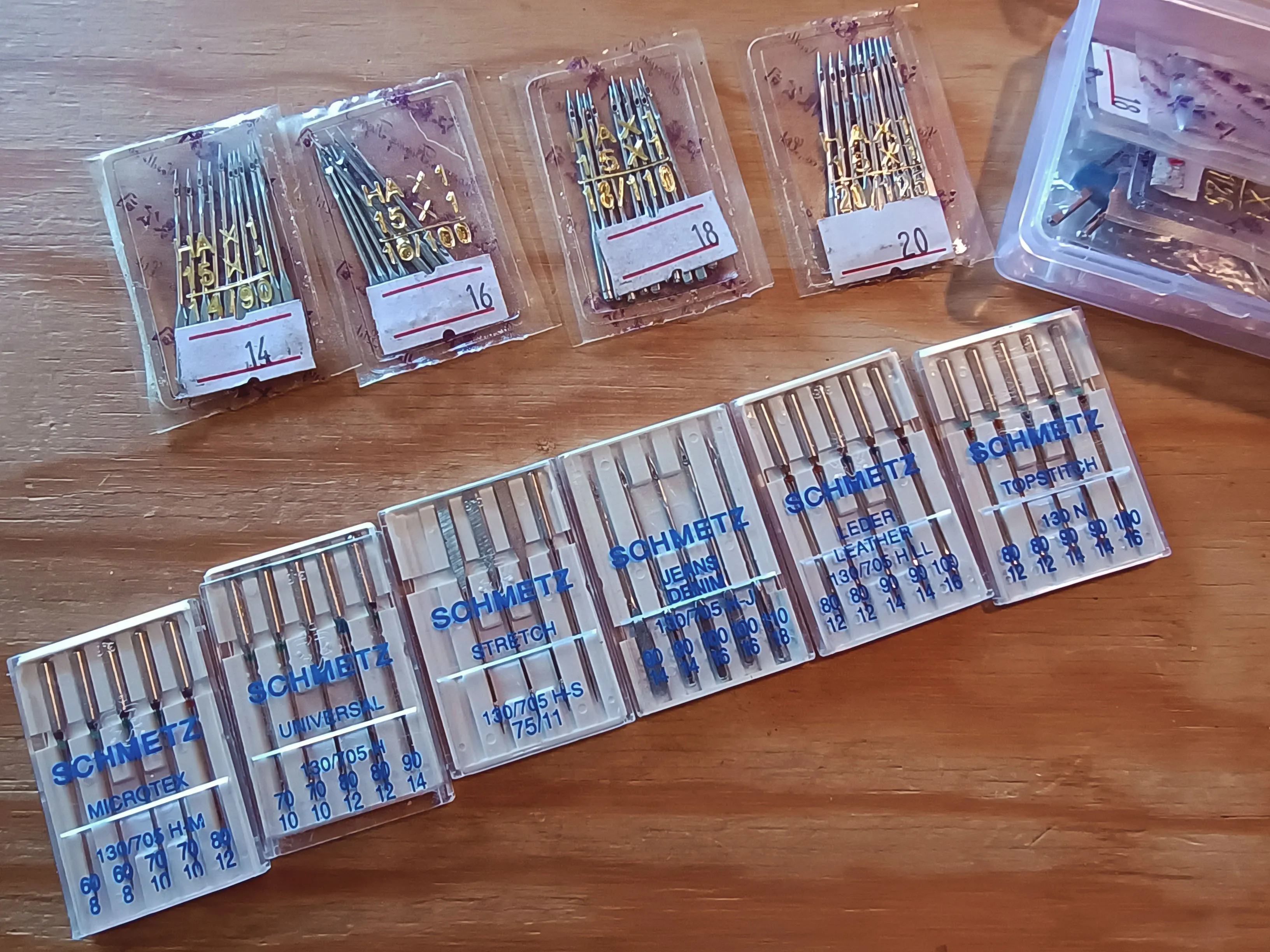
Photo: Lars Peters
Sewing thread
There are many different types of fibre. Natural and synthetic. Synthetic fibres are the strongest if you think in terms of sewing thread at the same grams per metre. That does not mean natural thread is unusable, but that you often have to go up a little in thickness to get the same strength in the thread.
-
Cotton
A soft thread of natural fibre that comes in many different qualities. That is exactly what makes it difficult. Good cotton thread, with long natural fibres from the plant, can be used for most things just fine. But stick to the known brands. The market is flooded with poor cotton thread (short natural fibres from the plant) that is not up to the job in clothing and gear.
-
Wool
Sewing thread in wool is a little stronger than cotton, since the wool thread has longer natural fibres than cotton. Especially «extra» thick thread can give a little insulation and a softer surface against the skin. The thread can, for example, be used just fine for sewing up holes in wool jumpers by hand. Thinner thread, ordinary sewing thread, in wool is so thin that there is no noticeable difference between it and cotton or synthetic silk.
-
Polyester
The strongest sewing thread is made from a polyester blend. There are various types, but those that are core-spun polyester thread are the strongest threads you can use for machine and hand sewing. Polyester thread is what is most widely used for clothing and gear.
-
Nylon
Nylon is also a synthetic sewing thread, like its stronger polyester brother. This one is softer and more fluffy than polyester thread. If you have the choice between nylon and polyester, you should choose polyester. One exception is «bonded» polyester. This is thick thread used in leather, sails and thick materials. It is made from a quite different type of nylon than thin sewing thread for clothing.
Thread tension
On every sewing machine you can set the thread tension on the upper thread. It regulates how much thread is used on each stitch. With high thread tension the seam will be tighter: you get less sewing thread per stitch. If the tension is low the seam is looser, because we get more thread per stitch.
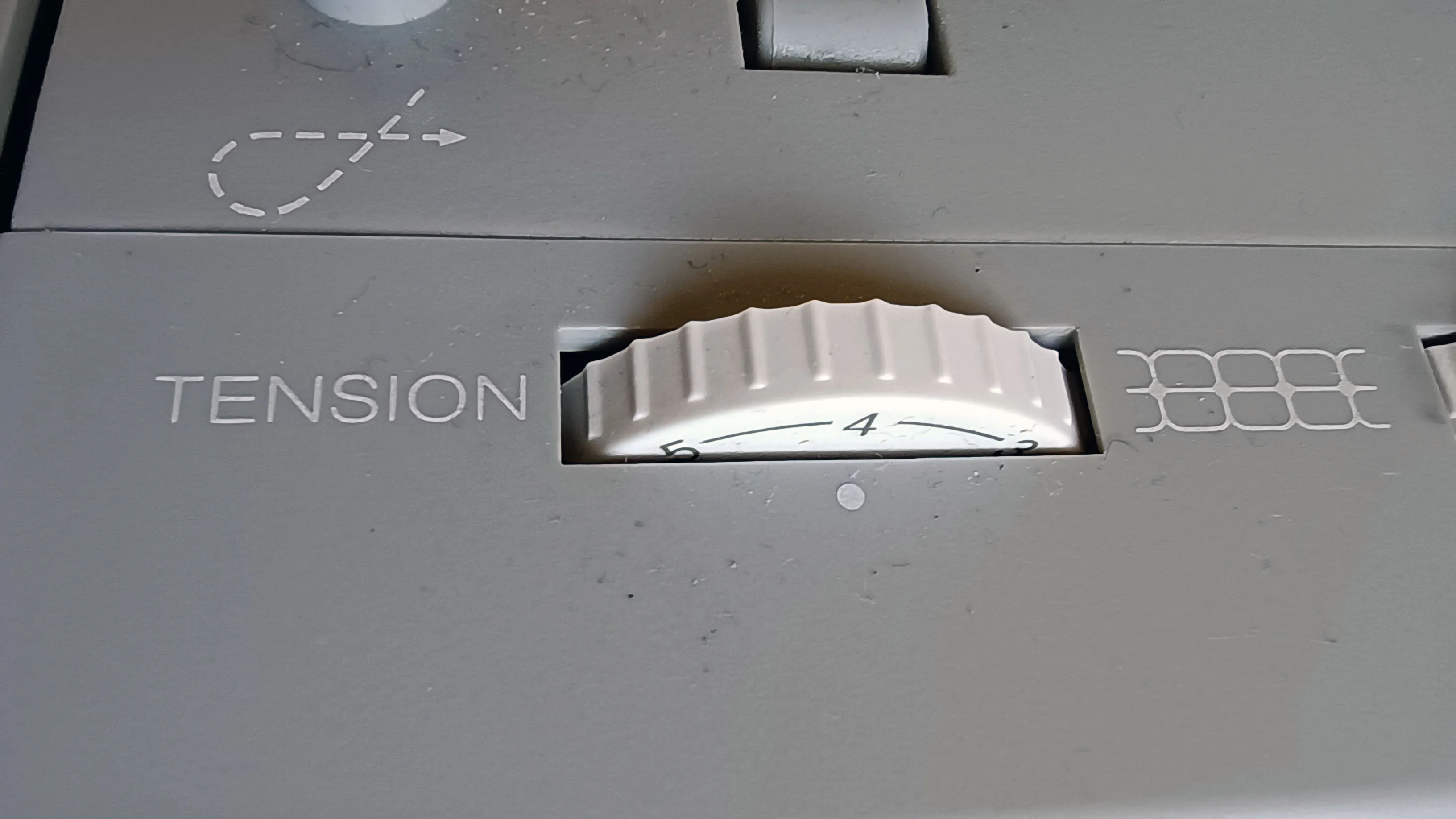
Photo: Lars Peters
The thread-tension setting has to be adjusted to the thickness of the sewing thread you have chosen to sew with and the fabric you are sewing on.
Stretch, mesh and thin fabrics: if you see that the fabric puckers or that there is loose thread on the top or underside of the fabric: loosen or tighten the thread tension a little and carry on with the seam. If that does not help: check whether you have threaded the sewing thread correctly through the sewing machine, both the lower and upper thread.
Short film showing what the seam looks like with incorrect thread tension, and the solution.
- Indication of correct upper thread on the seam:
- Straight stitch and zigzag stitch - the upper thread is only visible on the top of the fabric and the lower thread only visible on the underside.
- Indication of too tight an upper thread on the seam:
- Straight stitch - if the fabric is pulled together, especially with thinner fabrics, so that the fabric puckers, the tension is too high. The lower thread is pulled up onto the top.
- Zigzag - the lower thread is pulled up onto the top of the fabric, the zigzag pattern is a little uneven all the way along.
- Indication of too loose an upper thread on the stitch type:
- Straight stitch - the upper thread makes small loops on the top and is pulled down onto the underside of the fabric.
- Zigzag - the upper thread is pulled down onto the underside of the fabric, the zigzag pattern is a little uneven all the way along.
Repairs with a sewing machine or by hand
Untitled
Next steps
- Repair on a trip — acute repairs in the field
- Maintenance of outdoor gear — prevention
- More on repair and maintenance — subject background
- Repair — the hub
More on the subject
- Bra Reparasjon in Telemark — Lars Peters’ workshop
- DNT — sewing and repair courses — courses locally
- Klepp & Tobiasson — Lettkledd — sustainability and lifespan