Gear
Backpack
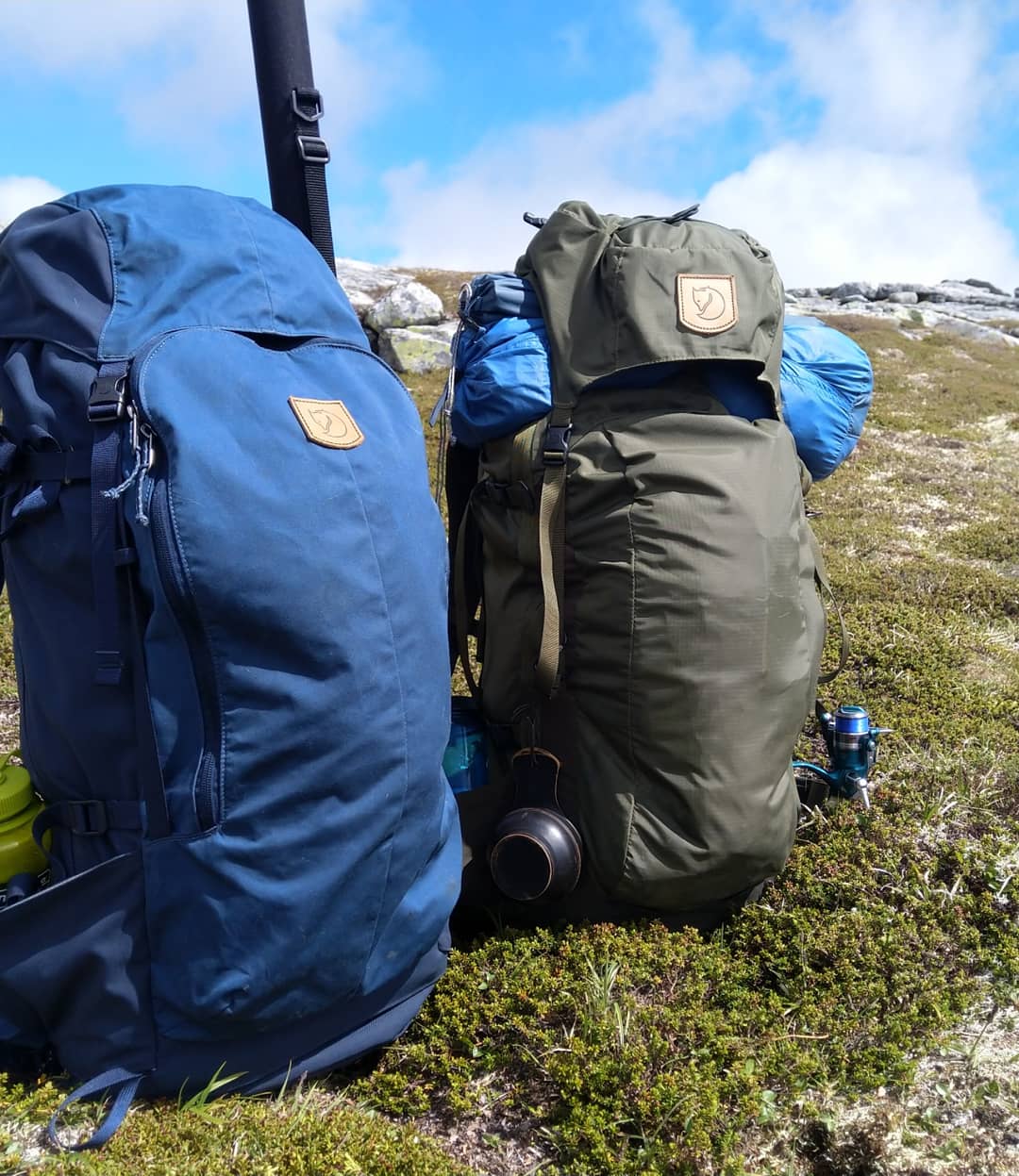
How to choose a backpack: what to consider, and types by trip length — from day trip to expedition.
There are three things that matter most:
- The backpack must fit you.
- The carrying system must be adjustable to your body and able to handle the weight you intend to carry.
- The size should suit the length of the trip and the amount of luggage.
A hiking backpack is like a pair of shoes — it has to fit the person who is going to carry it. Always try it on in the shop with weight inside before you buy.
Types
A backpack is usually categorised by size — which in turn is determined by the trip length and how much you need to carry. The day-trip pack should be versatile enough for short trips in nearby nature and the mountains. The hiking pack is the classic size for overnight trips of up to a week. The long-distance pack comes in on longer expeditions where you have to carry provisions and equipment for several weeks.
For most people, a good hiking pack will be the backpack that covers most of what they need on a trip. The day-trip pack is a logical addition for shorter trips, while the long-distance pack is for special purposes.
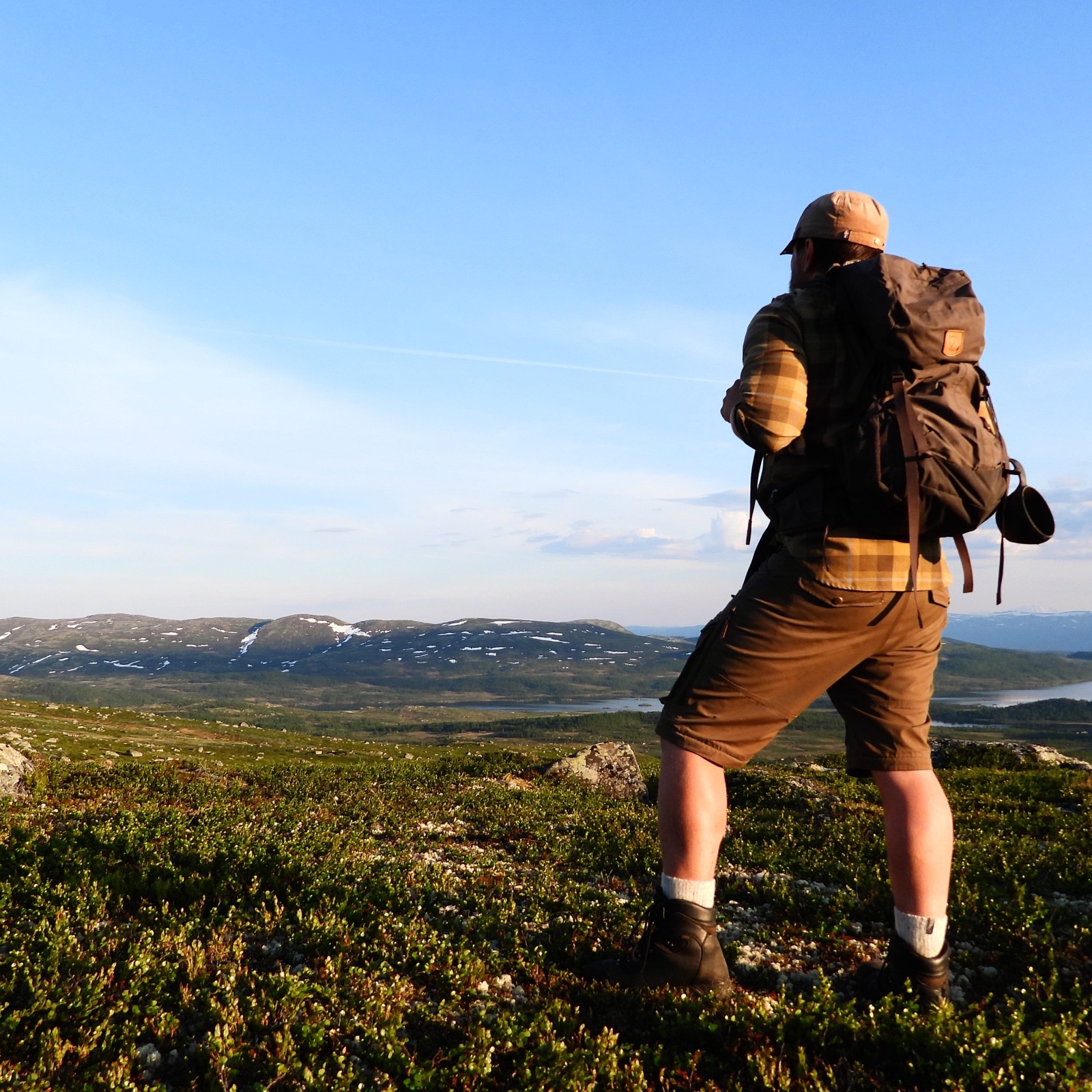
Daypack
A versatile 30–50 litre pack for shorter trips. It should compress well even with little inside, and have room enough for hut-to-hut trips.
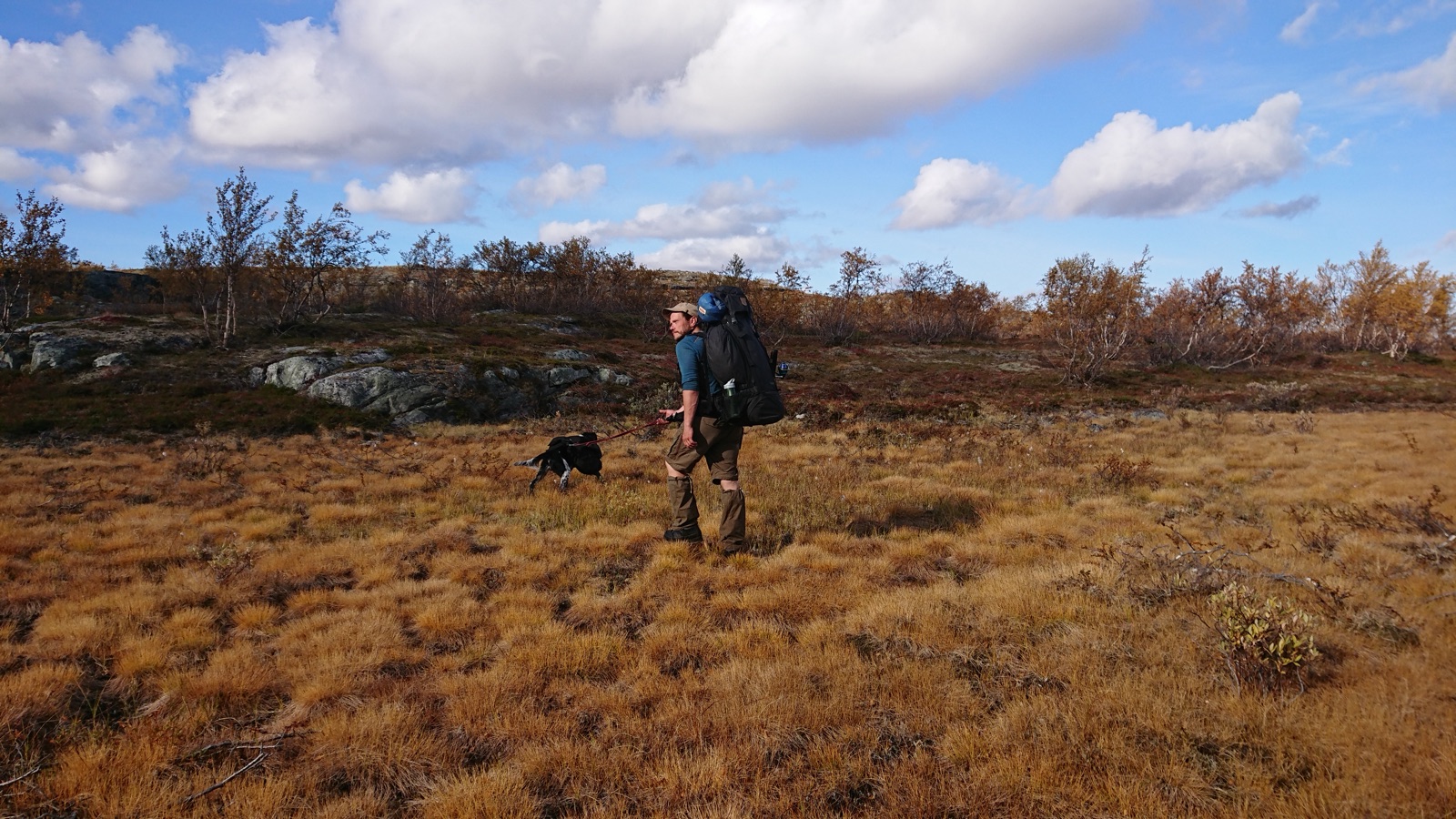
Expedition backpack
A large pack of 80–130 litres for trips of more than a week with no chance of resupplying. Anatomical or pack frame — the choice is governed by how heavy the load becomes.
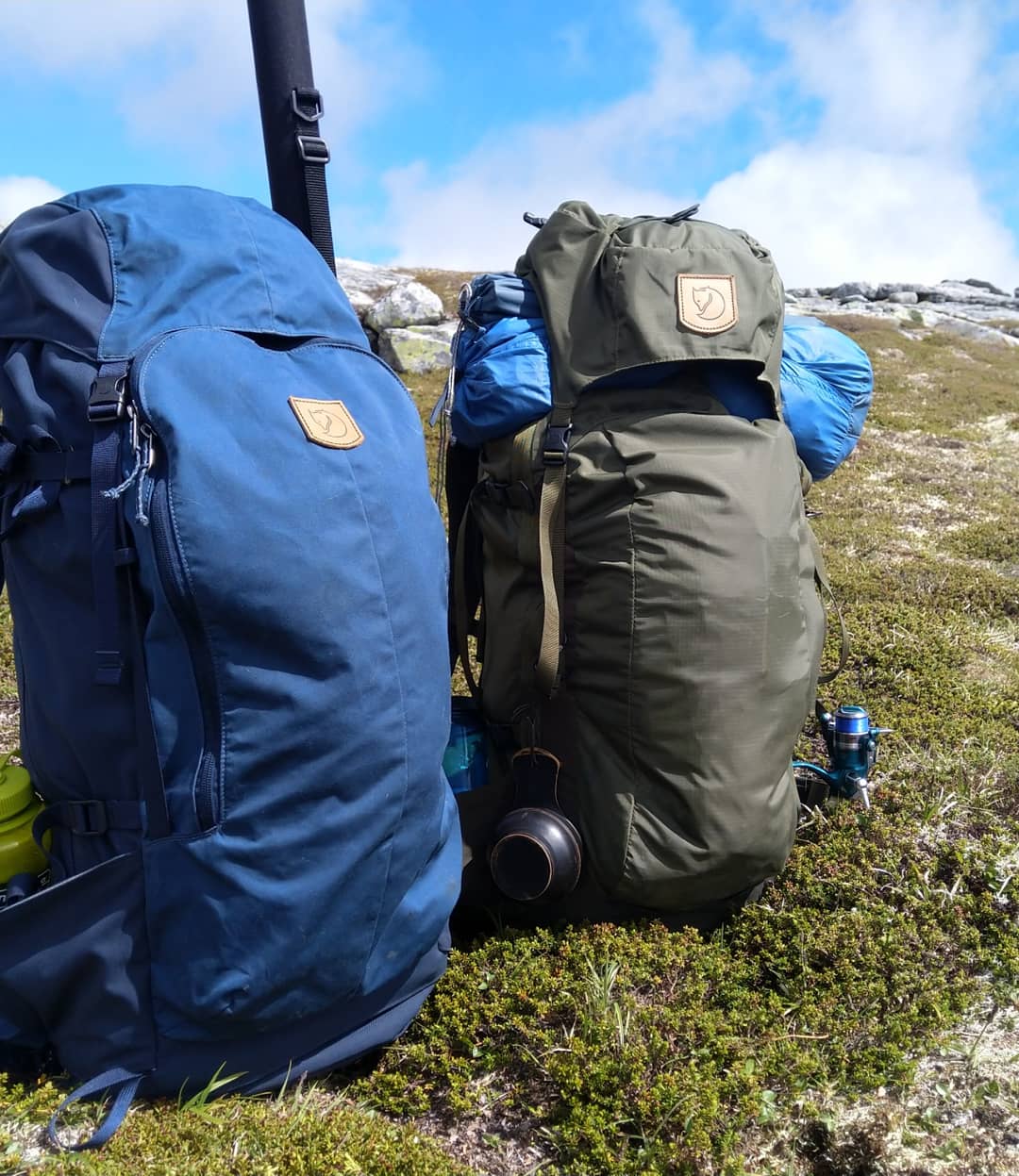
Touring Pack
A 50–80 litre pack for overnight trips of up to a week. The most common pack size for mountain trips with a tent or cabin overnight.
Adjustment
Loosen all the straps first. With the backpack on your back, fasten the hip belt on your hip crest. Adjust the shoulder straps up or down and tighten them so they follow the curve of your shoulder and bear the load evenly. Tighten the top tensioners and any side tensioners on the hip belt to draw the pack body closer to your body. If the backpack is not full, it should have enough compression straps on the sides.
Text and images: Bjørn Henrik Stavdal Johansen, Snuitide (2022)
Next steps
- Day-trip pack — volume under 30 l
- Hiking pack — 30–60 l
- Long-distance pack — 60 l+
- Equipment — the hub
Learn more
- DNT — equipment — recommendations and courses
- Friluftsmagasinet Fri Flyt — tests and specialist material
- Klepp & Tobiasson — Lettkledd — a sustainable approach to equipment