Gear
Daypack
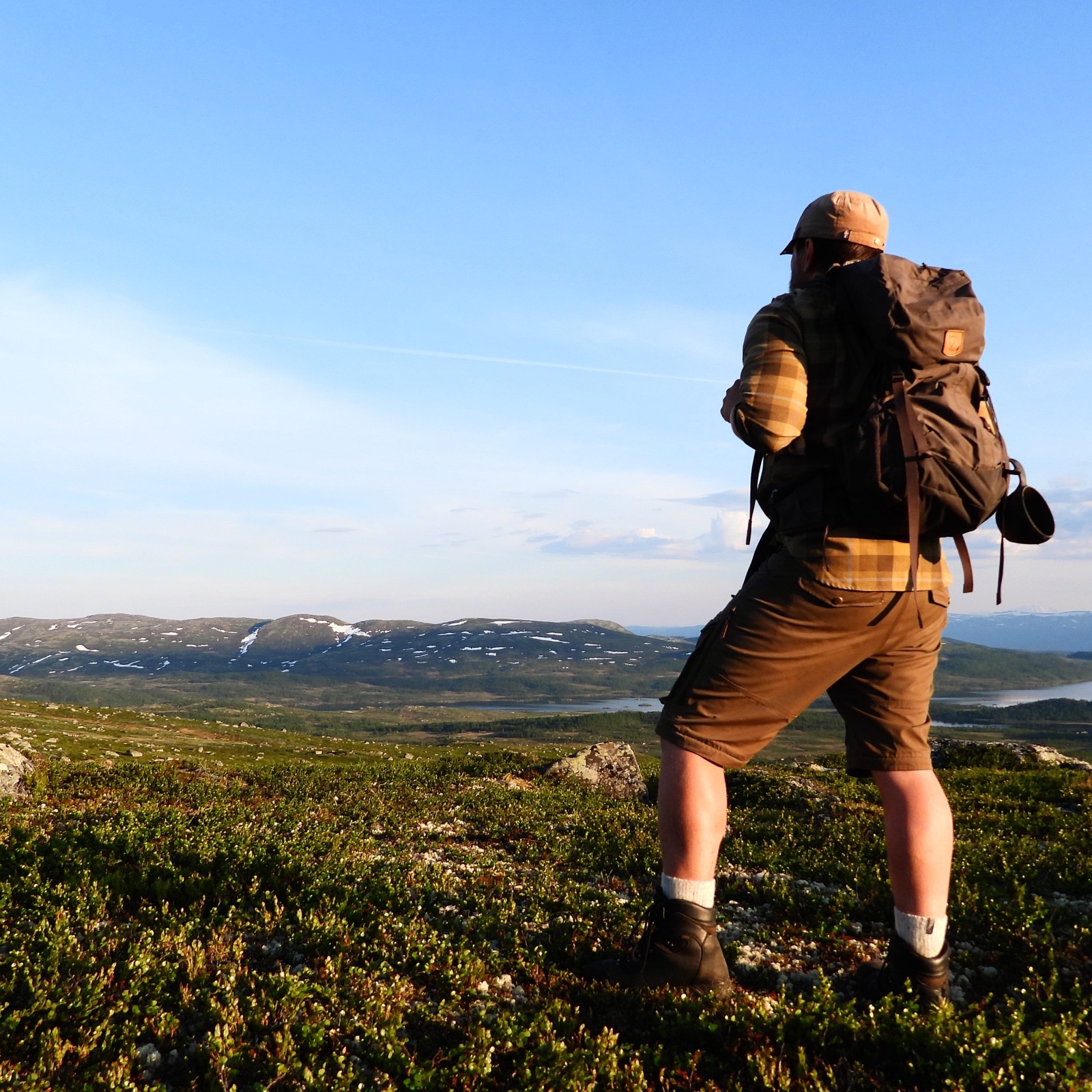
A versatile 30–50 litre pack for shorter trips. It should compress well even with little inside, and have room enough for hut-to-hut trips.
Day trips can mean anything from a stroll around the neighbourhood to airy summit trips in Jotunheimen. That variation means a daypack should ideally be versatile enough for a range of different activities.
Size
A good daypack should sit at around 30–50 litres. Better to have one pack you can use for different activities than one pack for each.
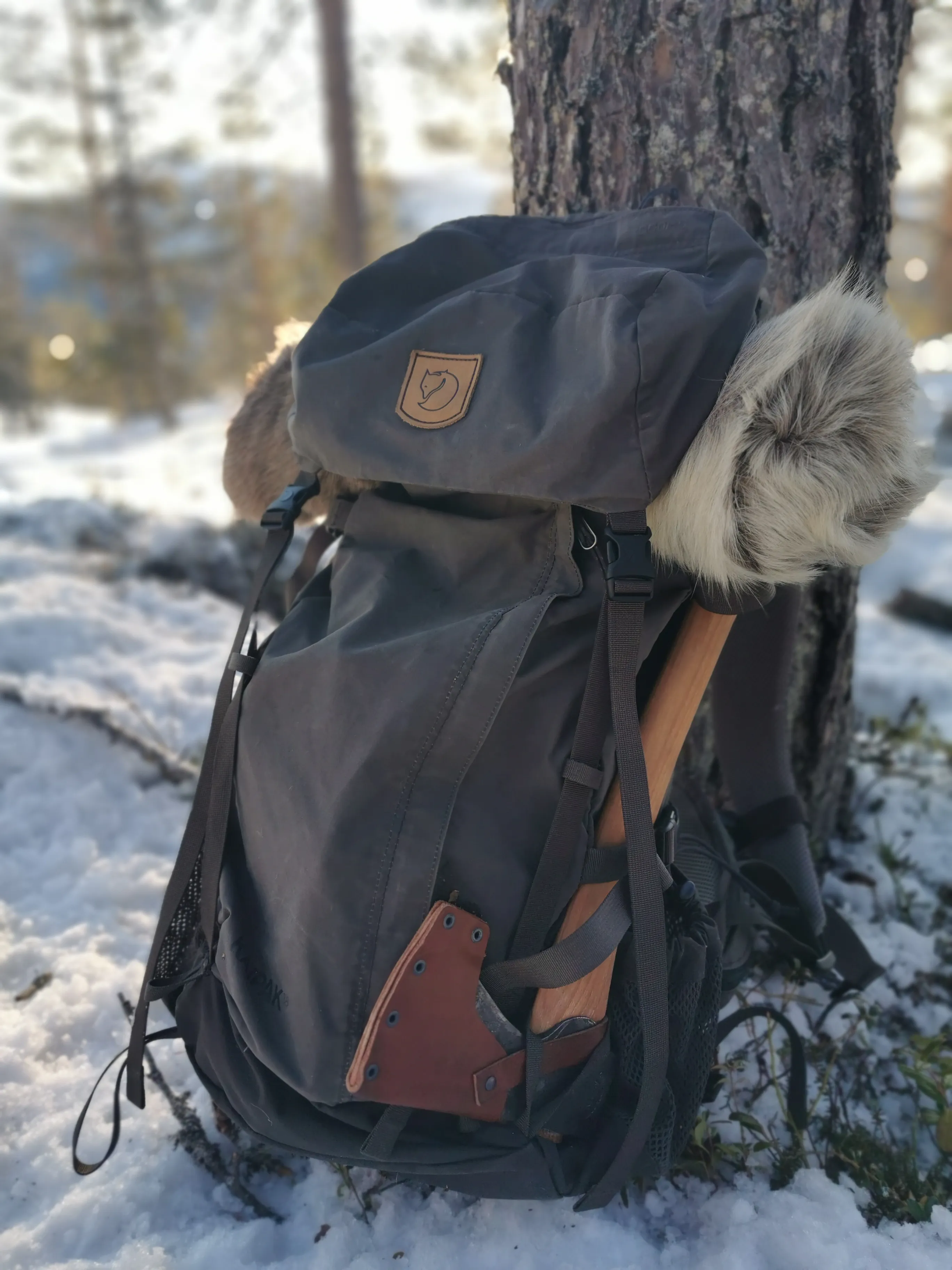
Compression and expansion
The daypack is used in many different conditions and is not always filled up — without good compression options it hangs limp on your back. On other trips it is filled to the brim; a liftable lid (fastened with straps that can be slackened on all sides) makes the pack so adaptable that it also works on hut-to-hut trips.
Carrying system
Even a daypack feels heavy on long trips. Well-padded shoulder straps and a sturdy hip belt with good adjustment options make the difference between a bad and a good daypack.
Other details
Outer pockets and fastening options matter: attachments for an ice axe, poles or fishing rod, and pockets with room for rain gear and a water bottle.
Next steps
- Pack — overview — which pack suits which trip
- Trekking pack — larger — trekking/multi-day trip
- Expedition pack — largest — weeks out
- What goes in the pack — what you pack
Learn more
- DNT — equipment — recommendations and courses
- Friluftsmagasinet Fri Flyt — tests and reference material
- Klepp & Tobiasson — Lettkledd — sustainable equipment thinking