Gear
Expedition backpack
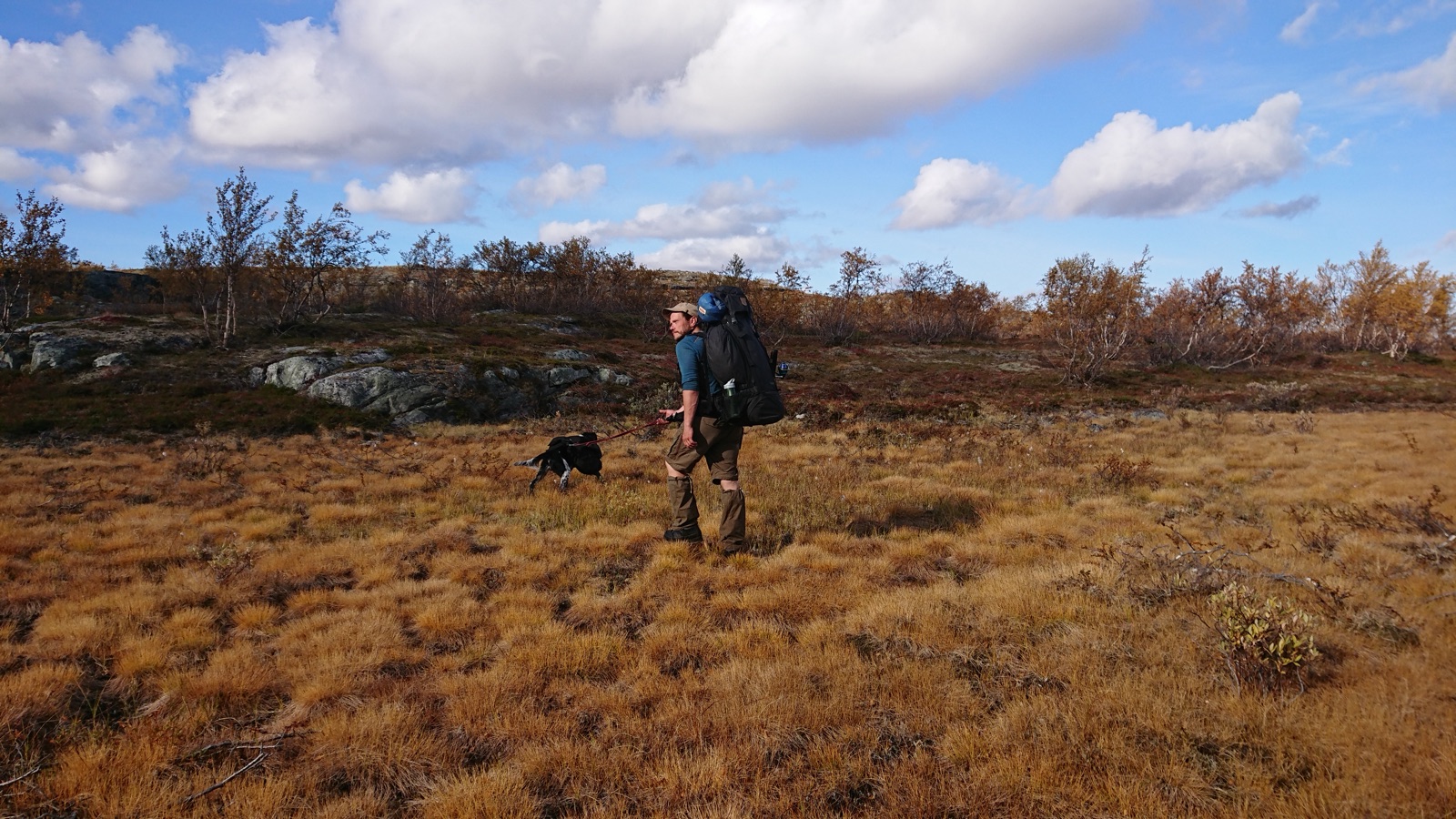
A large pack of 80–130 litres for trips of more than a week with no chance of resupplying. Anatomical or pack frame — the choice is governed by how heavy the load becomes.
When trips get longer with no chance of resupplying provisions along the way, the pack has to hold more. These large packs have a higher base weight because of their size and a sturdier carrying system.
Size
For trips of more than a week, packs in the 80–130 litre range come into play.
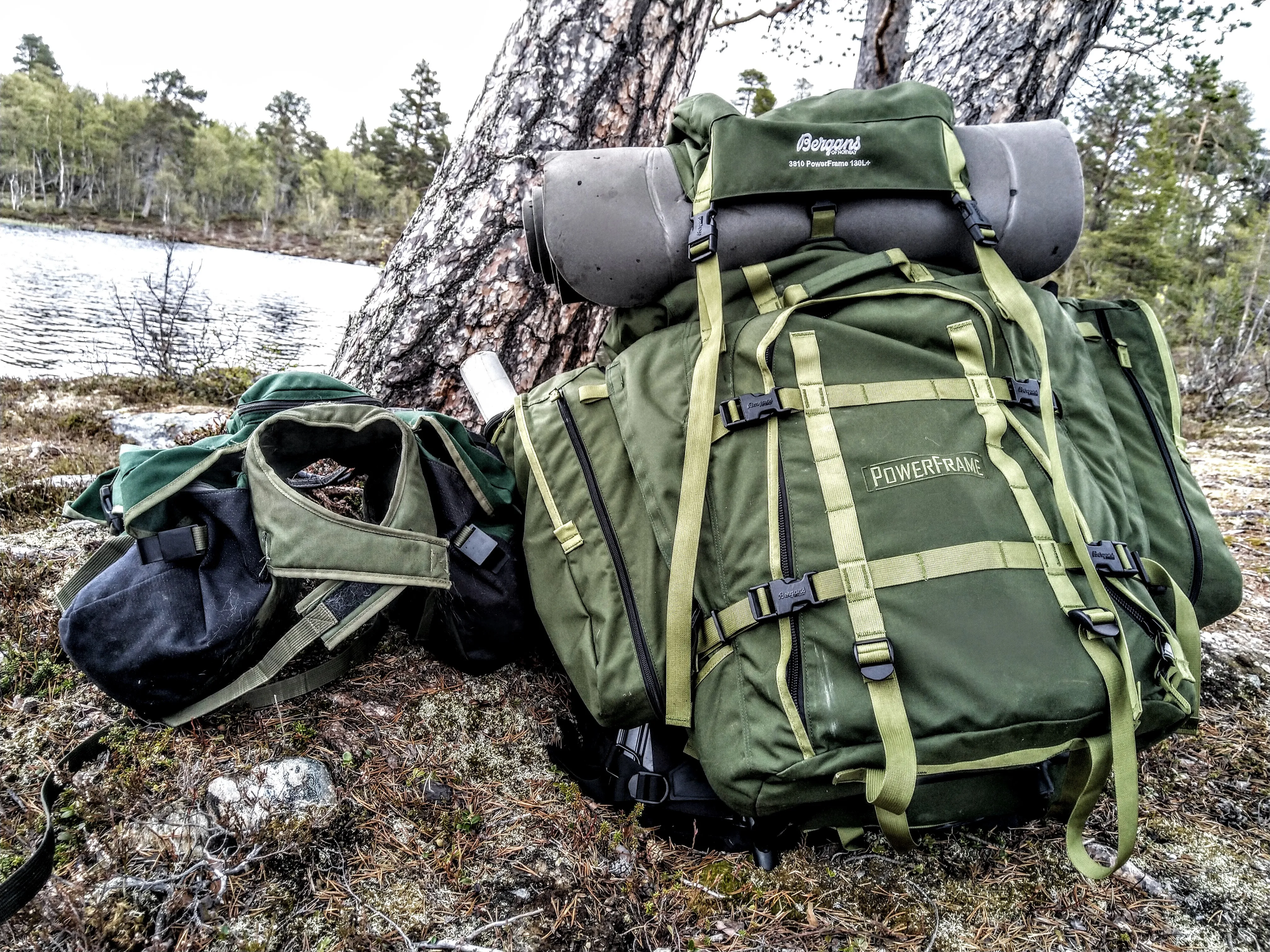
Carrying system: anatomical or pack frame?
It is only in this size class that the choice between the two basic forms of carrying system becomes a real one — smaller packs are largely anatomical.
Anatomical packs have more adjustment options, are lighter and sit better against the back. They follow the body’s movements, which is more comfortable on light packs, but feels heavier once the pack gets really heavy. The largest ones (70–120 litres, 2–4 kg) cope with 25–35 kg without too much discomfort. They require more considered packing (weight distribution) and are generally clammier against the back. Many manufacturers have their own women’s models with a shorter back length, narrower shoulder straps at the top and a wider hip belt.
Pack-frame backpacks have a sturdy metal carrying system and are fully stiffened by a metal frame (pack frame). A higher base weight (4–5 kg), but far more stable to carry — they are especially well suited to very heavy loads and often tolerate over 35 kg. The pack bag can usually be taken off so you can carry unwieldy items such as felled game, firewood or water containers. They also come as smaller hunting packs with an integrated seat.
For both, the requirements for particularly sturdy and padded shoulder straps and hip belts apply.
Other details
On these packs it is very practical to be able to turn the lid or side pockets into a day pack — it gives flexibility when you are settled in camp and want to take day trips from there.
Next steps
- Backpack — overview
- Trekking backpack — mid-sized
- Sleeping bag — on longer trips
- Sleeping mat — likewise — overnighting
Learn more
- DNT — equipment — recommendations and courses
- Friluftsmagasinet Fri Flyt — tests and specialist material
- Klepp & Tobiasson — Lettkledd — sustainable thinking about equipment