Gear
Sleeping bag
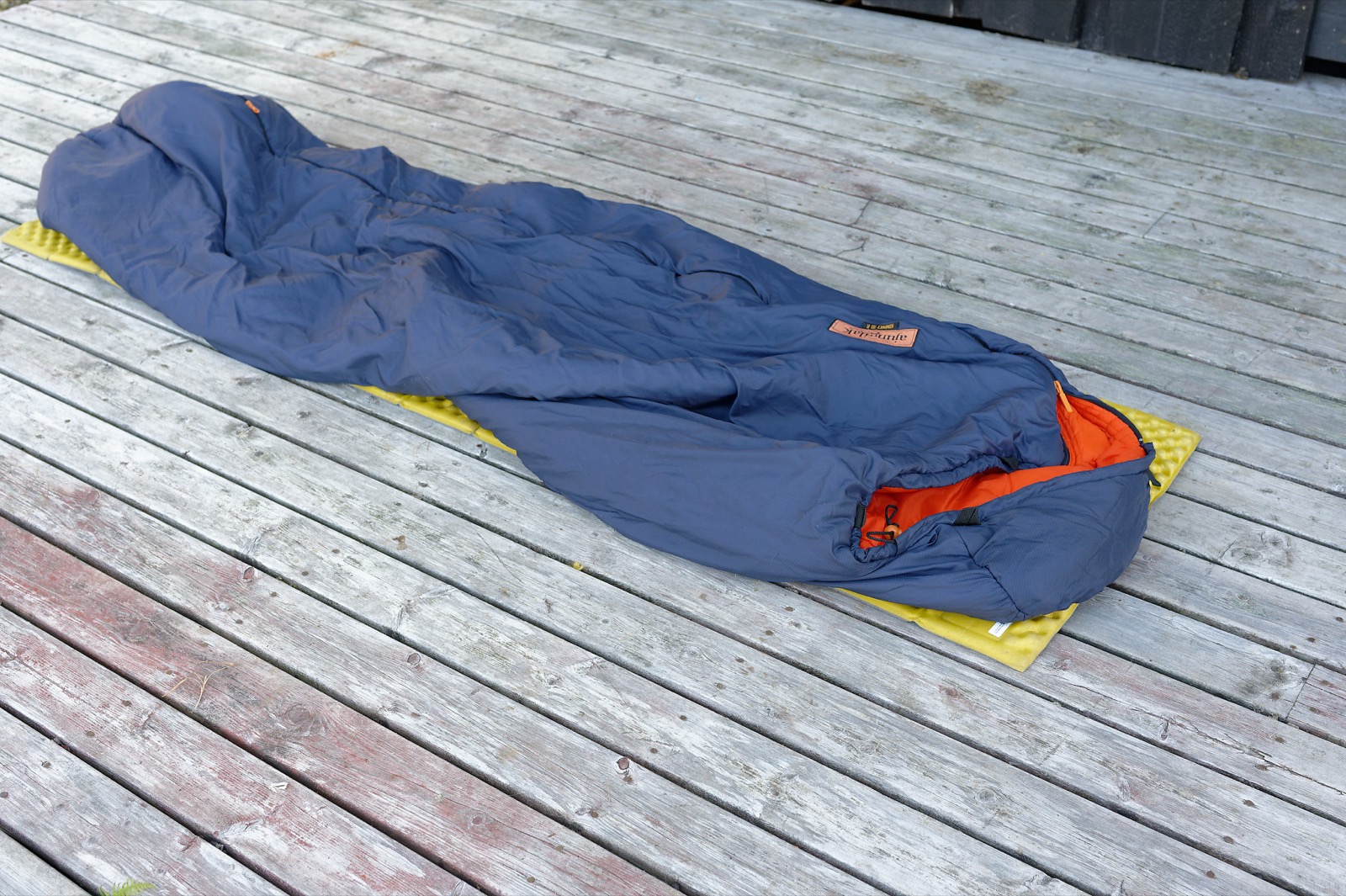
Which sleeping bag do you need? Season types and temperatures, fill (down vs synthetic), and why you should borrow one before you buy.
The sleeping bag is among the most important equipment for good trip experiences. A good sleeping bag is the difference between good and poor sleep — and therefore your ability to recover your strength from day to day.
Season as a starting point
Sleeping bags are often labelled by season. It is the simplest way to start when you are looking:
- Summer bag — comfort temperature around +5 to +10 °C. Light and thin. Works for summer nights in the lowlands or camping trips in milder climates. Too light for most Norwegian mountain overnight stays.
- 3-season bag (spring/summer/autumn) — comfort temperature around −5 to +5 °C. The most common bag and the safest choice for most Norwegian trips from May to October. Keeps you warm through typical trip conditions.
- Winter bag — comfort temperature from −5 °C and colder. Heavier, more fill, often with extra details such as a closed foot box, a neck collar and a hood. Necessary for a tent trip in the mountains outside the summer half of the year.
On cold winter trips you can also use two sleeping bags one inside the other instead of buying a dedicated winter bag — two 3-season bags give the warmth of a good winter version.
The temperature scale explained (EN 13537)
The season labelling above is practical shorthand. The European standard EN 13537 gives the precise version — three figures stated on the bag:
- T-Comfort — the temperature most people will sleep comfortably in. Stick to this when you choose.
- T-Limit — the transition from comfort to risk. Some sleep comfortably here, others get cold.
- T-Extreme — the point at which you will in no way have a pleasant night. Risk of getting chilled. An average woman can endure six hours here without freezing to death.
There is a difference between the sexes — the lowest comfort temperature is lower for men than for women. Check what applies to you, and feel free to choose a slightly warmer bag than you think you need.
Down or synthetic?
There are mainly two fills on the market — each with its advantages and disadvantages. The main difference becomes clear when the bag gets wet:
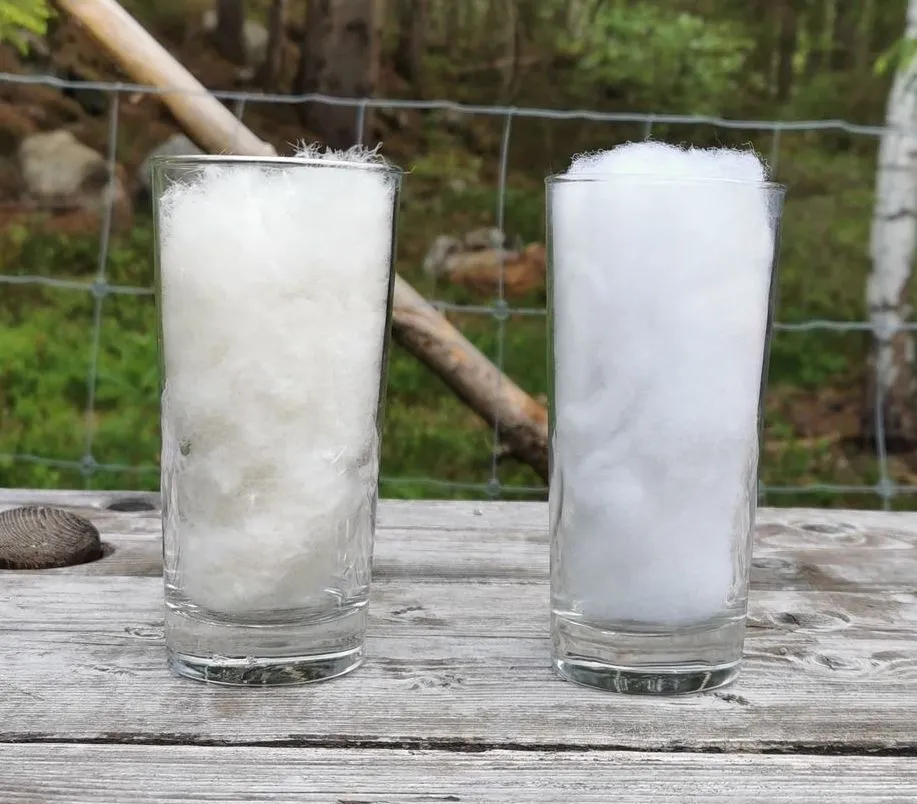
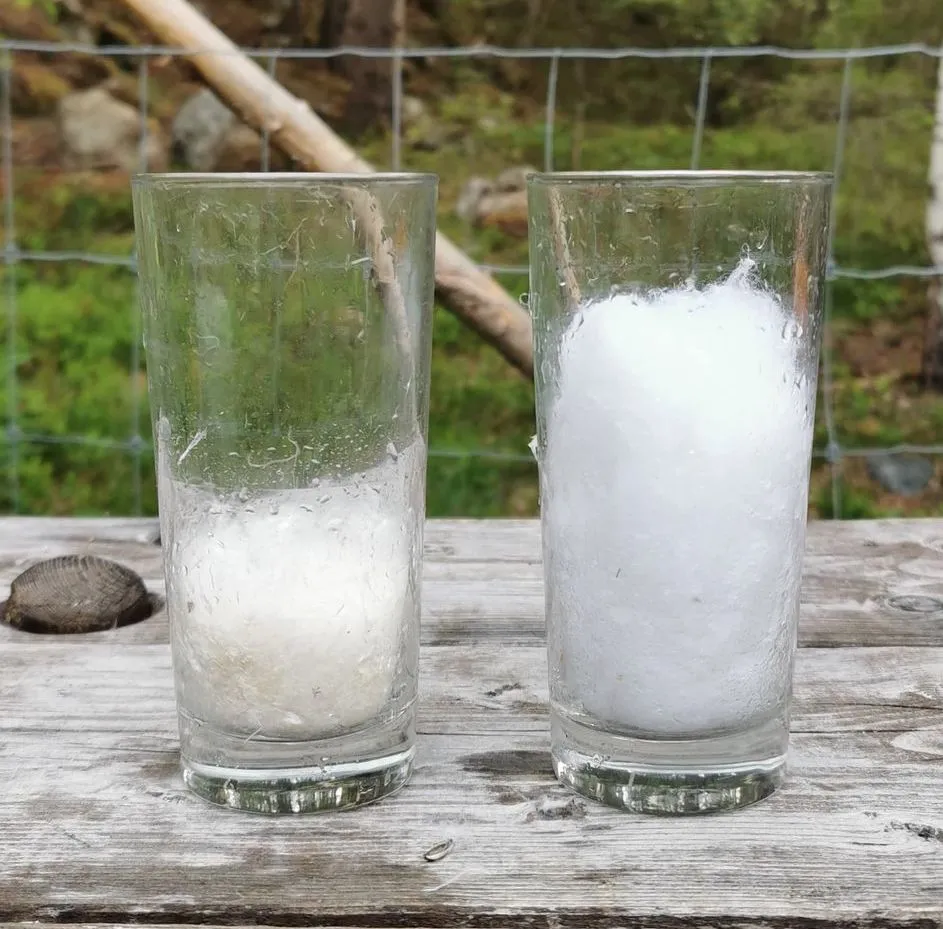
Down gives the best weight-to-warmth, but collapses when it gets wet and loses its insulating ability. Synthetic is heavier and bulkier, but maintains around 50% of its insulation when wet.
Down sleeping bag
Sleeping bags with a down fill. Lighter and pack smaller than synthetic — but vulnerable to damp, more expensive, and call for an ethical assessment of down production.
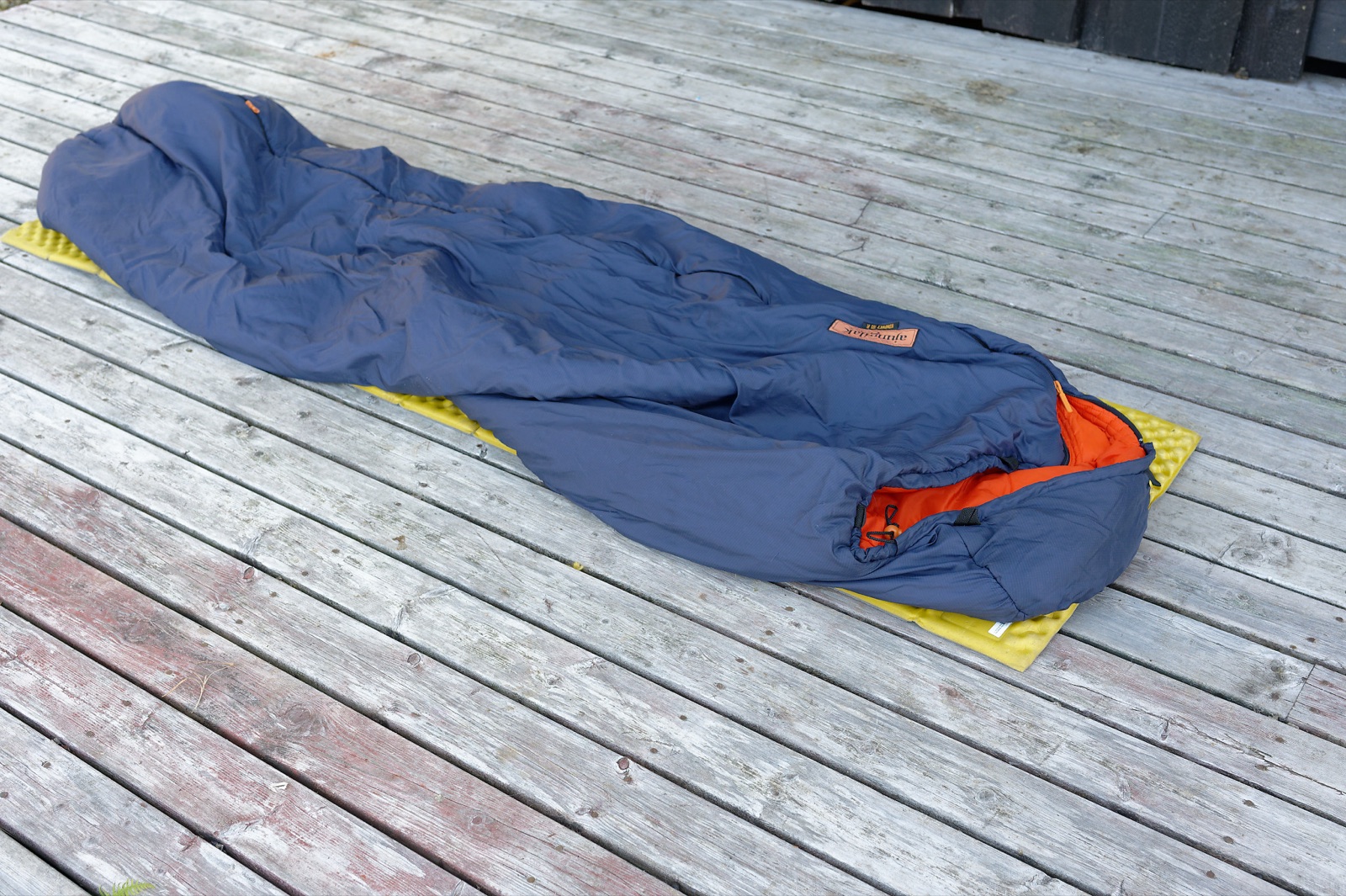
Synthetic sleeping bag
Sleeping bags with synthetic-fibre fill. Heavier and bulkier than down, but cheaper, more hard-wearing and far better at keeping their insulating ability when wet.
Length and shape
The sleeping bag should be the right length — you should be able to lie stretched out without it being cramped at the foot end. If it is too long, cinch it in at the bottom to the right length, otherwise it gets cold from the empty pocket of air.
Maintenance
A sleeping bag that is looked after lasts for many years. Airing it after every trip, correct storage (loose in a bag, not compressed), and washing it with the right soap when it needs it are the most important things. Down requires extra careful handling — wet down loses its insulation.
Caring for outdoor equipment →
Next steps
- Down sleeping bag — light and warm
- Synthetic sleeping bag — handles damp better
- Sleeping mat — insulation from below
- Overnight stays — the hub for sleeping outdoors
Learn more
- DNT — equipment — recommendations and courses
- The outdoor magazine Fri Flyt — tests and specialist material
- Klepp & Tobiasson — Lettkledd — sustainable equipment thinking
Text: Bjørn Henrik Stavdal Johansen and Gina Wigestrand, Snuitide (2021)