Gear
Synthetic sleeping bag
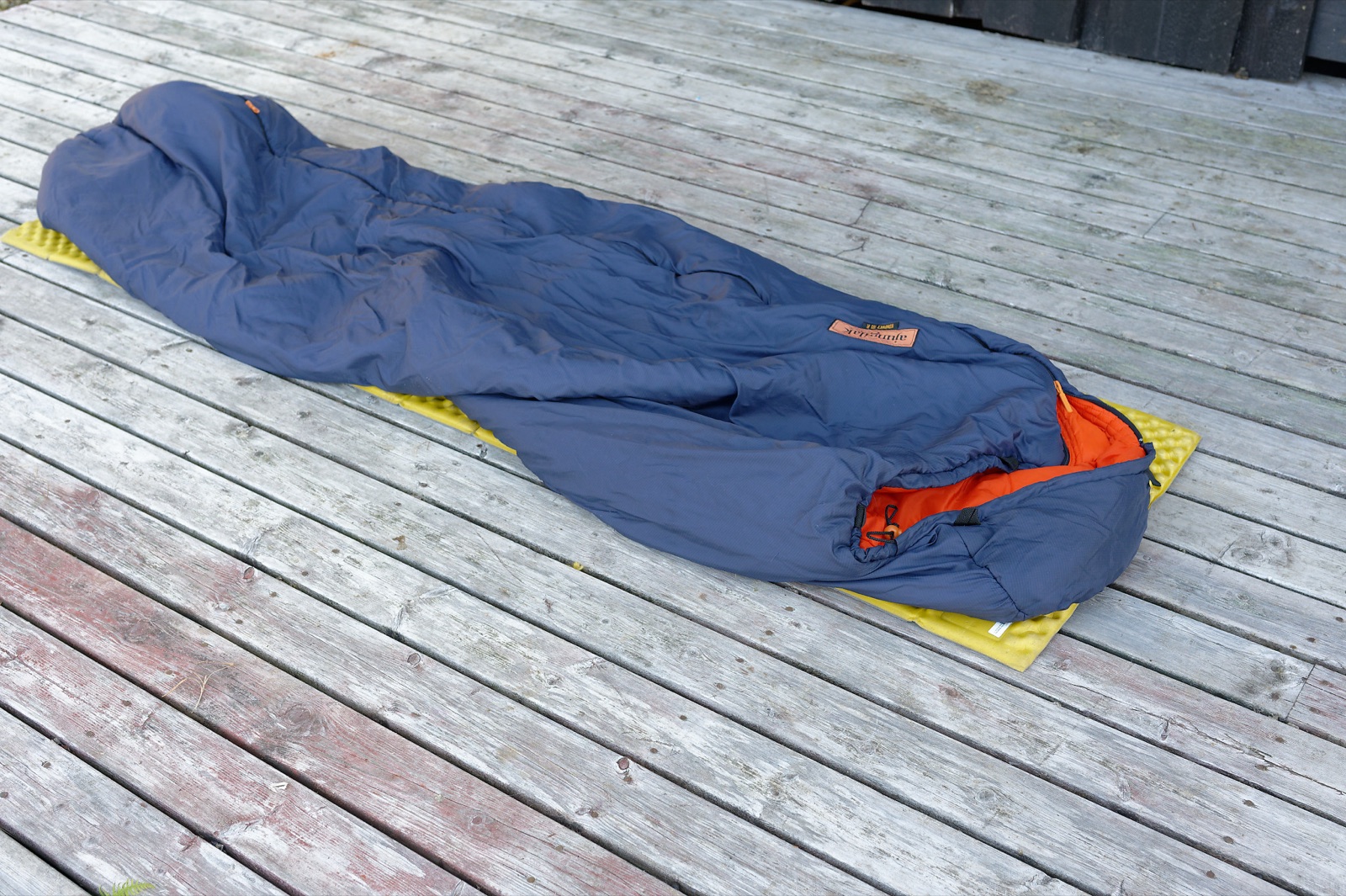
Sleeping bags with synthetic-fibre fill. Heavier and bulkier than down, but cheaper, more hard-wearing and far better at keeping their insulating ability when wet.
Sleeping bags with synthetic fill are generally cheaper than down bags. They are also considerably heavier and have a larger packed volume — but they have three big advantages:
- Cope with damp — they keep around 50% more of their insulating ability when wet compared with down.
- Hard-wearing — if you get a hole, the fill does not come out the way it does with down.
- Ethical questions around down production are not an issue.
The synthetic fibres keep their loft even when wet, so the layer of air is held in place — and it is the air that insulates.
When does it suit?
- Trips in damp conditions (the coast, autumn trips, rain)
- Longer trips where you cannot dry the bag between stages
- A limited budget — good warmth for the money
- You prioritise durability over packed volume
When does it suit poorly?
On demanding mountain trips or expeditions where every gram and every litre of pack space counts — there, down is superior.
Next steps
- Sleeping bag — overview
- Down sleeping bag — alternative — lighter
- Sleeping mat — insulation from below
- Overnight stays — the hub
Learn more
- DNT — equipment — recommendations and courses
- The outdoor magazine Fri Flyt — tests and expert material
- Klepp & Tobiasson — Lettkledd — a sustainable approach to equipment