Gear
Sleeping mat
How to choose a sleeping mat: insulation (R-value), types, and why the sleeping mat is often more important than the sleeping bag.
Think through what you need the sleeping mat for before you buy.
Insulation — R-value
A warm sleeping mat is more important than a very warm sleeping bag. The sleeping mat takes up far more cold from the ground than the sleeping bag can from the air. The sleeping bag has no effect where you lie on it (the insulation is squashed flat), so all the warmth beneath you has to come from the sleeping mat’s insulation.
The quality of a sleeping mat is first and foremost about the R-value — which tells you how well the mat keeps you warm. The table below shows which lowest comfortable temperature the R-value corresponds to:
| R-value | 0.7 | 1.5 | 2.1 | 2.9 | 3.2 | 4 | 4.6 | 5.9 | 8 |
|---|---|---|---|---|---|---|---|---|---|
| Temperature (°C) | 11 | 8 | 2 | −2 | −5 | −11 | −15 | −24 | −38 |
On cold winter trips it can pay off to combine several mats — the R-values add together. So two mats of 1.5 give an R-value of 3, which works at around −3 to −4 °C.
Types
There are mainly three types of sleeping mat: foam mats, self-inflating and inflatable. Reindeer hide can also be used as a natural option — particularly as a supplement in winter.
The foam mat is the robust, cheap and hard-wearing option — a safe choice as your only mat. Inflatable mats give the best comfort and warmth, but can puncture — which is why you should always keep a foam mat in reserve. Self-inflating sits between the two in price and insulation. Reindeer hide works best in combination, not on its own.
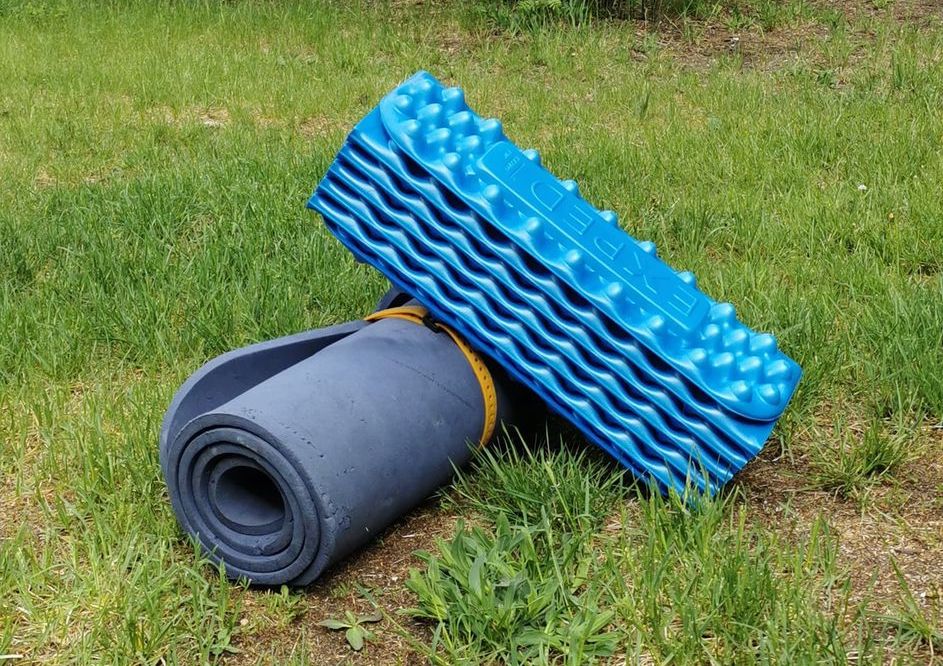
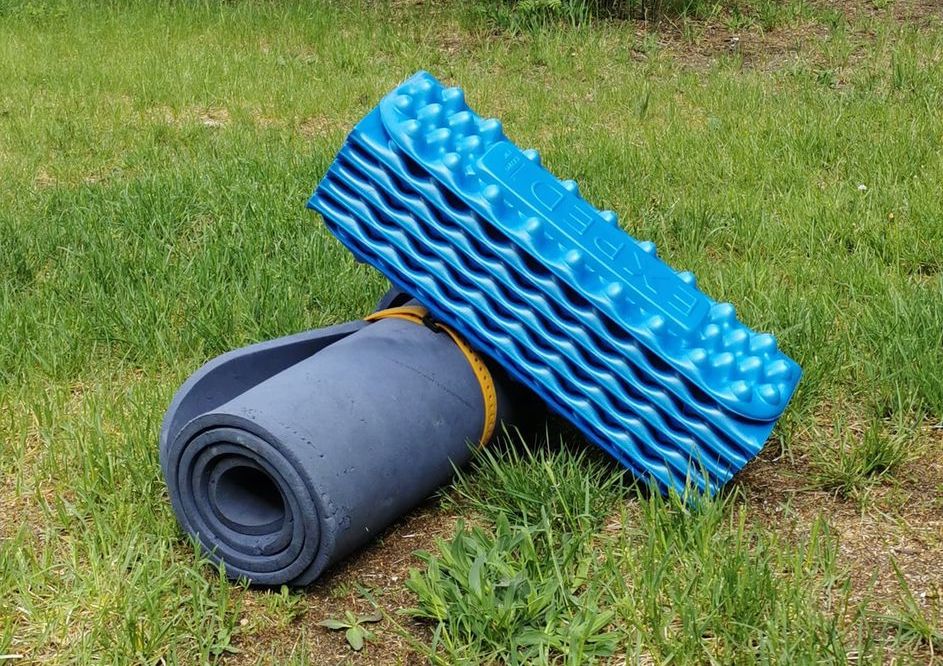
Foam mat
A robust and inexpensive sleeping mat that takes a lot. The obvious choice if you only want one mat — but it can be combined with others on cold trips.
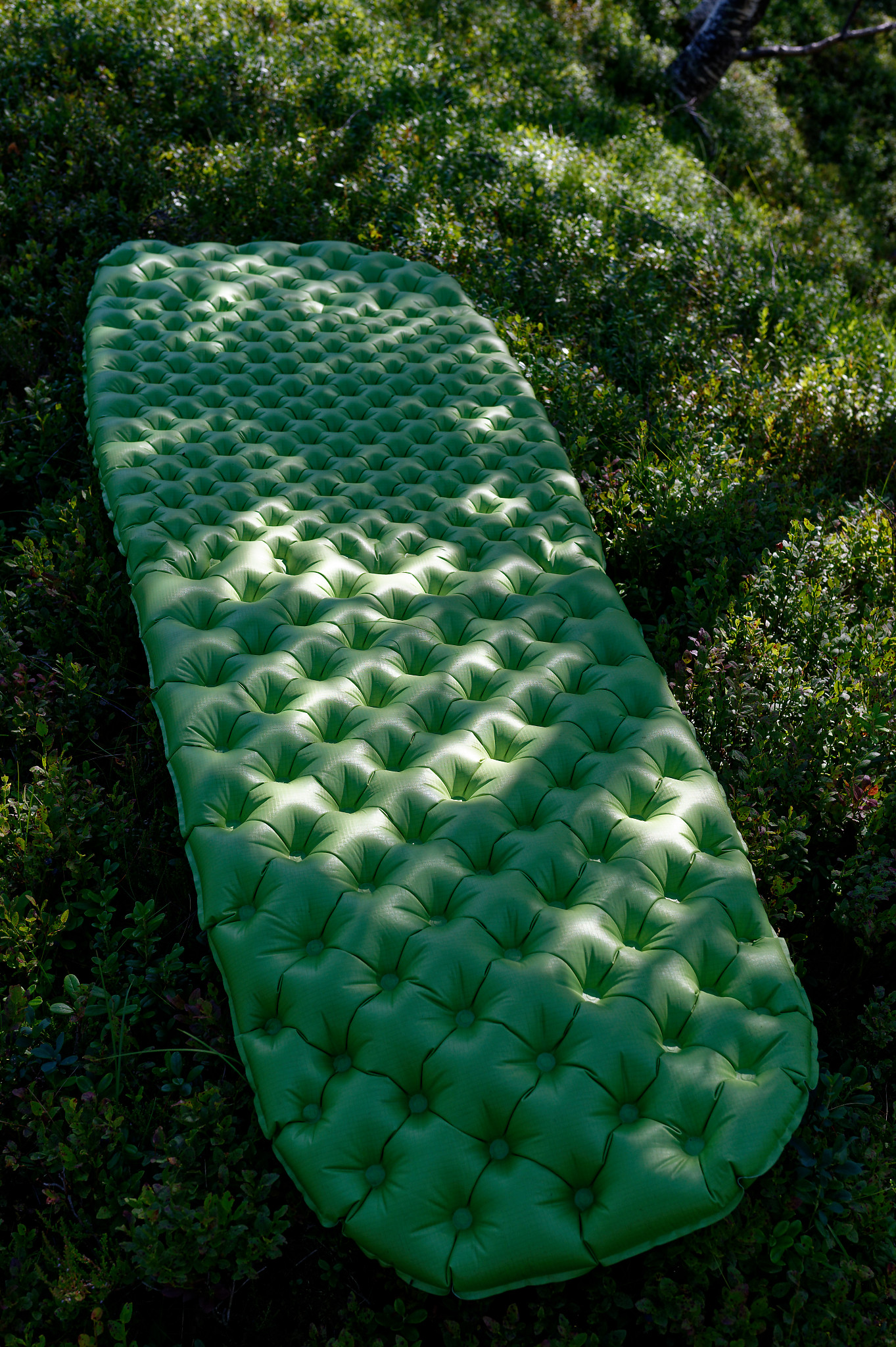
Inflatable sleeping mat
A light, packable sleeping mat inflated with a pump or pump bag. Insulated versions are the warmest — but also the most expensive, and they can puncture.
Reindeer hide
A natural product with good insulating power (R-value around 4). Best as a supplement to a foam mat — particularly in a lean-to in front of a campfire in winter.
Self-inflating sleeping mat
A sleeping mat with a valve that expands and inflates itself. Lower price than purely inflatable mats, but typically heavier relative to its insulation value.
Next steps
- Sleeping bag — pairs with the sleeping mat
- Overnighting — the hub
- Sleeping in the snow — insulation against snow
Learn more
- DNT — equipment — recommendations and courses
- The outdoor magazine Fri Flyt — tests and expert material
- Klepp & Tobiasson — Lettkledd — sustainable thinking about equipment
Text: Bjørn Henrik Stavdal Johansen and Gina Wigestrand, Snuitide (2021)