Gear
Blister plasters and sports tape
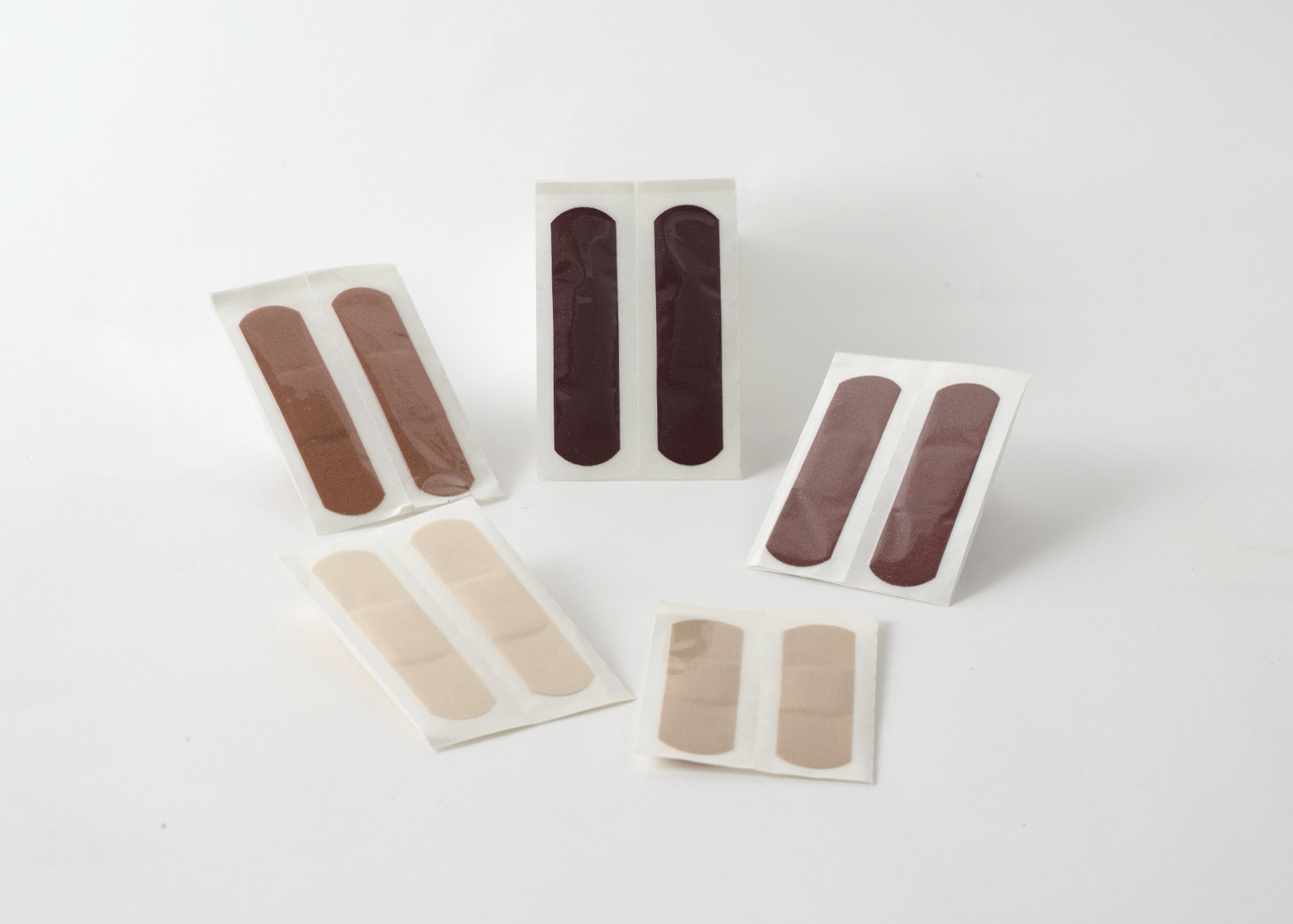
Compeed-style gel plasters and Leukotape P are the most important contents of the trail first-aid kit. Prevention, treatment, and why you should tape BEFORE the shoe rubs.
Blisters are the most common injury on a hike on foot — and one of the few that can genuinely ruin a trip completely. The right plaster and the right tape are the difference between a trip you finish and an evacuation in poor spirits. Both should come along on any longer hike, and preferably in the pack on a day trip too.
Two tools with distinct roles
Blister plasters (gel plasters) are for treatment of a blister that has already formed. They sit like an artificial skin over the wound, protect against further rubbing, and let the wound heal while you keep walking.
Sports tape (especially Leukotape P) is for prevention — stuck onto the skin BEFORE the shoe rubs, working as “extra skin” that takes the wear instead of your own.
Both are necessary. Tape alone means small blisters grow into large ones. Gel plasters alone mean you have to stop and treat every time something starts to hurt.
Blister plasters — the Compeed style
The classic one is Compeed Advanced Blister Plaster — a hydrocolloid gel plaster that sticks fast over an existing blister. Properties:
- The gel layer breathes but is waterproof — you can shower and swim with it
- Lasts 3–5 days — you do not take it off until it falls off by itself
- Reduces pain immediately by removing mechanical rubbing
- Lets the blister heal without air contact (moist healing, faster than dry)
Price: 50–100 kr for a pack of 5–8 plasters. It comes in several sizes (especially “toe plasters” for small sore points).
Use: clean and dry the skin, apply the plaster with pressure for 30 seconds so the adhesive activates. Do not remove it even when it goes soggy — it should stay on until it falls off.
Alternatives: Hansaplast Blister Plaster, Coloplast Comfeel, Schoettmann — all hydrocolloid-based and work the same way.
Sports tape — Leukotape P
Leukotape P (BSN Medical) is a strong adhesive tape used mostly in physiotherapy and sport. For trips it is the most reliable prevention tape:
- Sticks well — holds for hours even in rain and sweat
- Strong — withstands hard loading without tearing
- Easy to tear — can be removed in a clean strip without scissors
- Durable adhesive — stays on for 3–5 days if the skin is clean when applied
Price: ~120–200 kr per roll (4 cm × 10 m). Lasts through many trips.
Use for prevention: clean and dry the skin AT HOME before the trip (not outside where it is damp and cold — the adhesive will not bite). Cut a strip to a suitable length, fix it with pressure over the area most at risk (typically the heel, little toe, front of the toe). The tape stays there for several days if applied successfully.
Alternatives: KT Tape, RockTape (both more elastic, for support rather than prevention). For pure prevention, Leukotape P is the standard choice.
Where it rubs most
- The heel — especially at the back, where the pull of the shoe edge hits
- The little toe — on the outside, where the toe is pressed against the shoe wall
- The front toe (the big toe) — against the shoe front on descent
- The inner arch of the foot — especially with wet socks
Tape these areas BEFORE you set out if you know you are vulnerable. After the first rubbing you are already injured and must slow down in addition to treating it.
Prevention beyond tape
Other measures that reduce blisters:
- Wool socks (sweat less than synthetic, give less friction)
- Two pairs of socks (a thin liner pair + a thick one — remains the standard for long mountain trips)
- The right insoles for shoes that do not fit perfectly
- Change socks midway through the day if they get wet
- Shoes that fit — shoes that are too big or too small are guaranteed to rub
Packing
In a waterproof bag in the first-aid kit or in the top of the pack — easily accessible. It should be retrievable without opening the main compartment.
Maintenance
Compeed/gel plasters: no maintenance. Check the shelf life each season (5+ years when new, but check the packet).
Leukotape: keep it dry. A cut piece can be stuck to the pack for the next trip.
First-aid equipment → · Shoes →
Text: Snuitide (2026), based on the Norwegian Red Cross’s first-aid guide and DNT’s recommendations for long-distance trips.