Gear
Medication on the tur
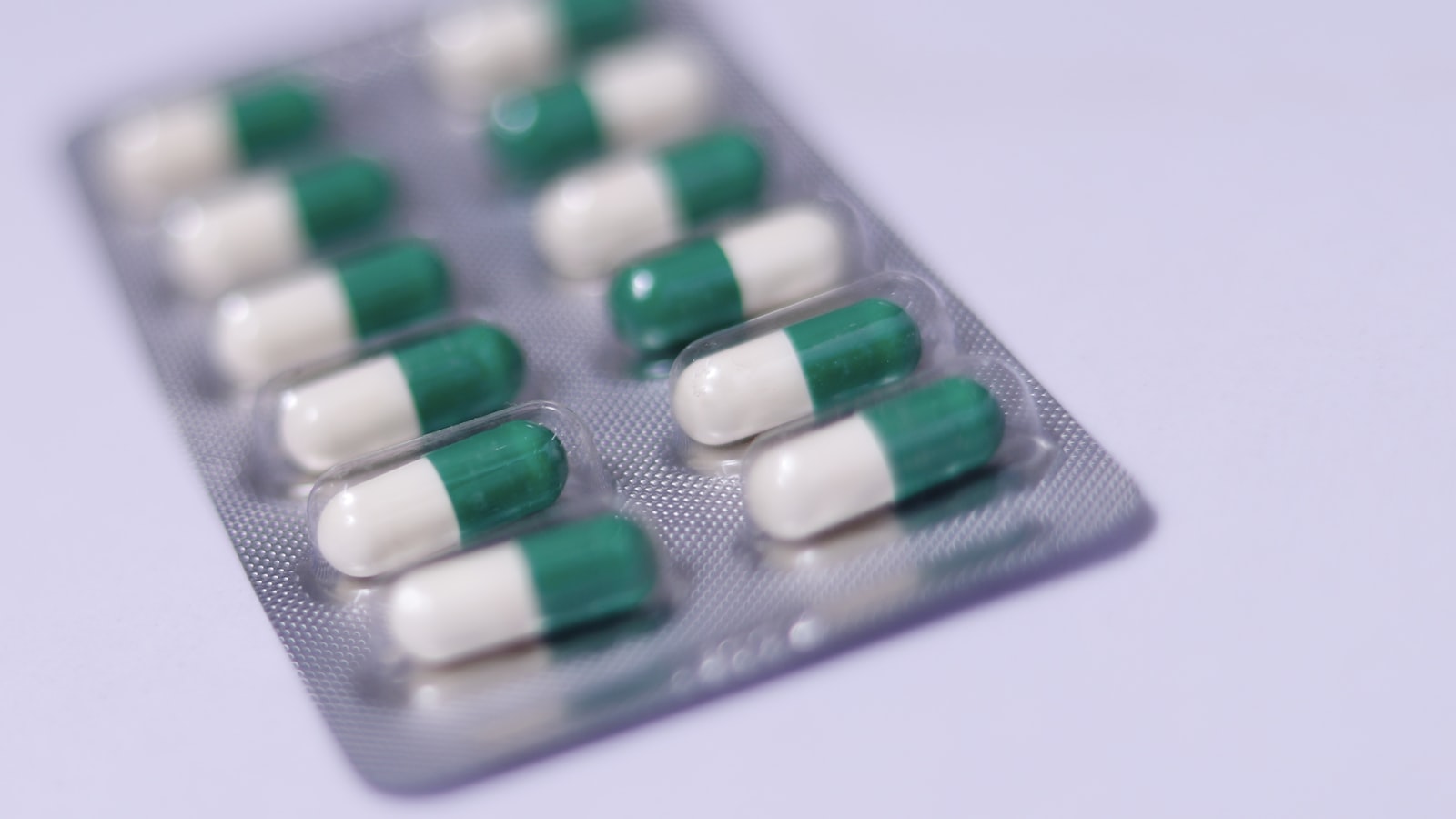
Which medication you should bring — painkillers, antihistamines, anti-diarrhoeals, plus personal medication. Shelf life, storage in cold and heat, and why you must tell fellow walkers what you are carrying.
Medication in your pack falls into two categories: personal (what you take yourself — asthma inhaler, heart medication, EpiPen, antibiotics, hormones) and standard tur medication (what most people bring regardless of personal diagnoses — painkillers, antihistamines, anti-diarrhoeals).
Both categories belong in the pack on every tur lasting more than a few hours. The most common medication problem on a tur is not lacking medication — it is forgetting to tell others that you have asthma, or where the EpiPen is packed.
Standard tur medication
Painkiller — ibuprofen (Ibux, Brufen): 200 mg tablets, 10–20 in the pack. For headache, sore muscles, minor injury. Their anti-inflammatory action also makes them good for a sprained ankle.
Painkiller — paracetamol (Panodil, Paracet): 500 mg tablets, 10–20. For fever and pain when ibuprofen is not suitable (stomach problems, heart medication). Can be combined with ibuprofen for greater effect.
Antihistamine — cetirizine (Zyrtec, Reactine) or fexofenadine (Telfast): 5–10. For an allergic reaction to pollen, insect stings, food. Begins to work after about 30 minutes.
Anti-diarrhoeal — loperamide (Imodium): 4–6. For acute diarrhoea that cannot wait until you get home. Not for “pelleting” infections — only to make the situation manageable over a short period.
For longer trips and expeditions you may also include:
- Antibiotics (after consulting a doctor)
- Strong painkillers (on prescription)
- Heart medication (aspirin, glucose tablets, etc.)
Personal medication
These are individual and decided by your doctor:
- Asthma inhaler (Ventoline, Bricanyl) — always easily accessible
- EpiPen for those with severe allergies — in an outer pocket, not at the bottom of the pack
- Insulin for diabetics — with cooling accessories in heat, warming accessories in cold
- Hormones (thyroid medication, contraception) — do not forget them on longer trips
- Antidepressants and psychiatric medication — continuity matters, especially on long trips
Check expiry dates before every longer trip. Check whether the dose may need to change with extreme physical activity (especially insulin and heart medication — talk to your doctor).
Packing and storage
In a dry bag with a zip together with the first-aid kit, or separately if personal.
Protect against extremes:
- Heat destroys insulin, EpiPens, and certain tablets — keep them in the middle of the pack, out of the sun
- Cold weakens the EpiPen and can freeze insulin — an inner pocket in winter
- Damp destroys tablets — a waterproof bag
Write your name and a short instruction on the outside of the pack — in case you are unconscious and fellow walkers must handle the medication.
Shelf life
Most medication loses effectiveness past its expiry, but is not directly harmful (with exceptions):
- Tablets: typically 3–5 years past expiry, still 80–95% effective
- EpiPen: STOP. Past its expiry it may fail when you need it most. Replace it immediately.
- Insulin: STOP. Its effect falls rapidly past expiry.
- Antibiotics in liquid form: 1–2 weeks after opening. Tablets keep longer.
Check and rotate out expired medication before every season.
Where to get the medication
Over-the-counter: ordinary pharmacies, large shops (Vitusapotek, Boots, Apotek 1, Coop, Rema, Kiwi carry the most commonly used ones).
Prescription-only: must be prescribed by a doctor. Talk to your GP in good time before longer trips if you need something specific.
For trips abroad: bring copies of prescriptions (especially for opioid-based painkillers) and the original packaging for border crossings.
Maintenance
Check the pack before every season — discard what has expired, restock what has been used. Top up after every trip on which something has been used.
Text: Snuitide (2026), based on the Norwegian Directorate of Health’s recommendations for first aid on the tur.