Gear
Hand sanitiser and soap
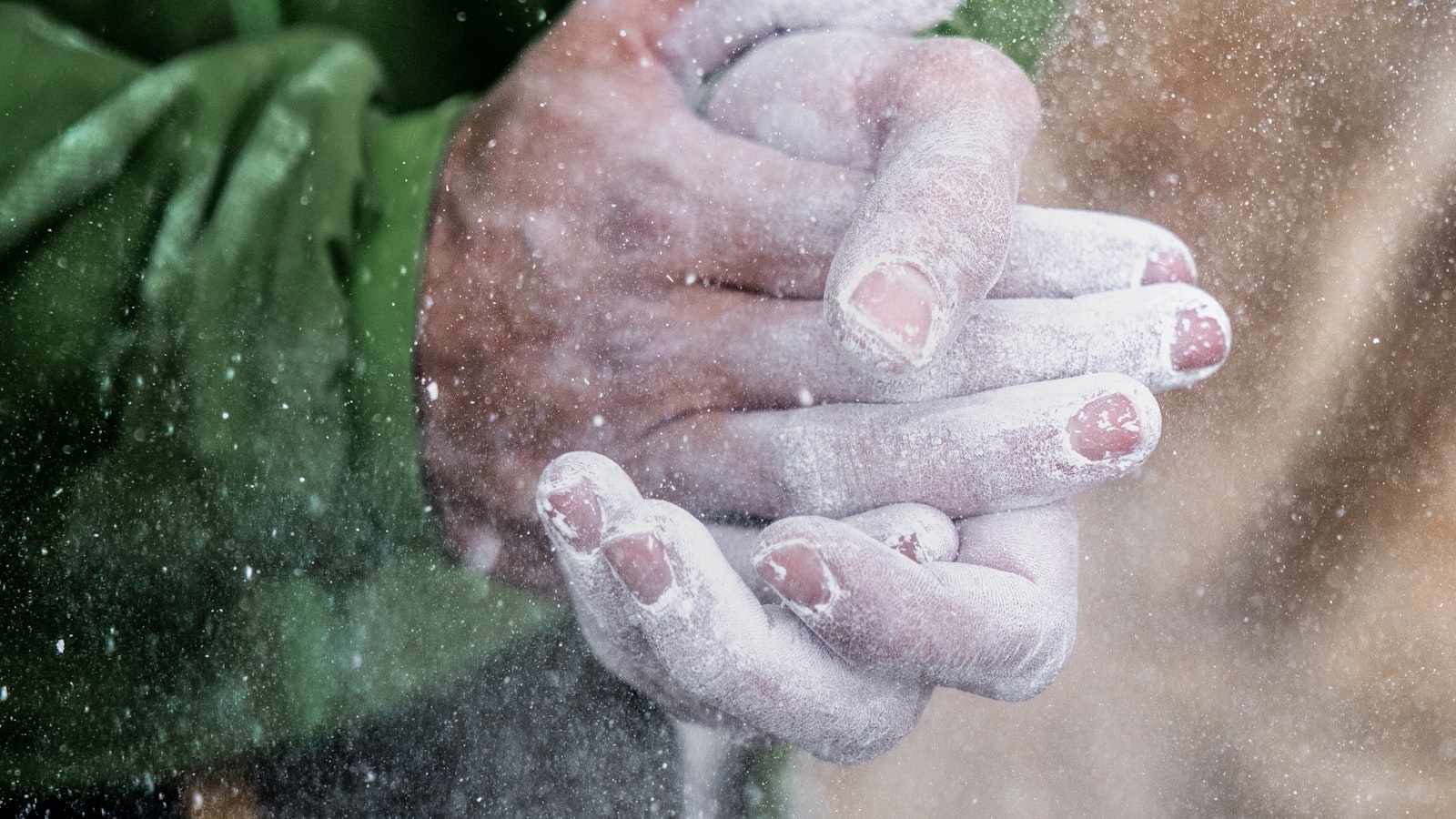
Why hand hygiene on a trip is mainly about food, not about general washing. Concentrations that work, biodegradable soap and the 60-metre rule, and where hand sanitiser falls short.
Hand hygiene on a multi-day trip is not about being clean — it is about not making yourself or your trip companions ill. The most common source of illness on a trip is not the water; it is hands that have been in contact with faeces or raw meat and then with food. Two small bottles take care of it.
Why hand hygiene on a trip
Norovirus, E. coli, campylobacter and giardia are the typical stomach problems you can pick up on a trip — and most are spread via the hands, not via drinking water. It is after going to the toilet and before cooking that washing your hands is critical, not just “a little before dinner”.
Two routines cover most of it:
- After going to the toilet — always. Also after urinating if you have been in contact with the ground or vegetation, because soil and bacteria under the nails are passed on to the food regardless of where they came from.
- Before all food preparation — particularly if several people are eating from the same pot.
Washing your hands generally every time you have touched a rucksack or a rock is excessive and uses up resources that none of us carry in unnecessary amounts.
Hand sanitiser — what works
Alcohol-based hand sanitiser works on most viruses and bacteria that cause stomach infections, and it is the simplest solution to carry in a pack. Its effectiveness depends on the concentration.
- Below 60% alcohol — not effective enough, particularly against certain viruses.
- 60–70% alcohol — the sweet spot. It has a killing effect on most relevant micro-organisms, and the moisture stays on the skin long enough for the alcohol to actually work (15–30 seconds).
- Above 80–85% — the alcohol can evaporate a little too quickly and the skin dries out more, but 60–90% is generally regarded as effective. Only above ~90% does effectiveness drop noticeably, because there is too little water for the alcohol to have time to work.
Choose a gel or liquid variant around 70%. Antibac, Pharma Nord, Apotek 1 and Sea to Summit all have versions in 50 ml bottles weighing 50–60 g — about right for a week for one person, or a weekend for two.
Norovirus (a stomach bug) partly withstands hand sanitiser — there, soap and water are more reliable. But in 90% of situations on an ordinary trip, sanitiser is enough.
Soap — biodegradable does not mean “free for anything”
When you do need to wash your hands thoroughly, or use soap for washing up or washing your body, the LNT principle (Leave No Trace) applies: never wash directly in the stream or in the water, however “natural” or “biodegradable” the soap is.
Biodegradable means that the soap breaks down over time in soil — not that it is harmless to the river system. Even the purest castile soap affects organisms in fresh water. The rule is simple:
- Fetch water in a pot and carry it at least 60 metres from the source (LNT recommends 60 m; many American sources say 200 feet, which is the same thing).
- Use little soap — one or two drops are enough.
- Pour the water out over a large area, not concentrated in one spot.
Choose a concentrated liquid soap in a small bottle. Three well-known ones:
- Dr. Bronner’s Pure Castile Soap — 18-in-1, so concentrated that a few drops are enough. The peppermint variant doubles as a toothpaste substitute in an emergency.
- Sea to Summit Wilderness Wash — biodegradable, odour-neutral, comes in an 89 ml travel bottle.
- Helsport All-Purpose Soap — Norwegian, thoroughly tested, for the body, clothes and washing up alike.
A 50–100 ml bottle lasts a week for two people with sparing use.
What to pack
For a day trip — one small bottle (50 ml) of hand sanitiser. No soap.
For a weekend trip without a latrine ceremony — hand sanitiser plus a small bottle of biodegradable soap (50–89 ml) for hands and washing up.
For a multi-day trip or group trip — hand sanitiser within easy reach in a hip pocket, a small 100 ml bottle of soap for washing up, and ideally a small microfibre towel.
Next steps
- How to go to the toilet outdoors — where hand hygiene is most often critical
- Microfibre towel — what you dry your hands with after washing
- Toothbrush and toiletries — the rest of the personal hygiene kit
- Hygiene on a trip — the whole of which hand sanitiser and soap are a part
- Contents of the rucksack — what actually goes in
Learn more
- How to go to the toilet outdoors — where hygiene most often fails
- Folkehelseinstituttet — Smittevern på tur
- Leave No Trace — Sju prinsipper for sporløs ferdsel
Text: Snuitide (2026).