Gear
Footwear
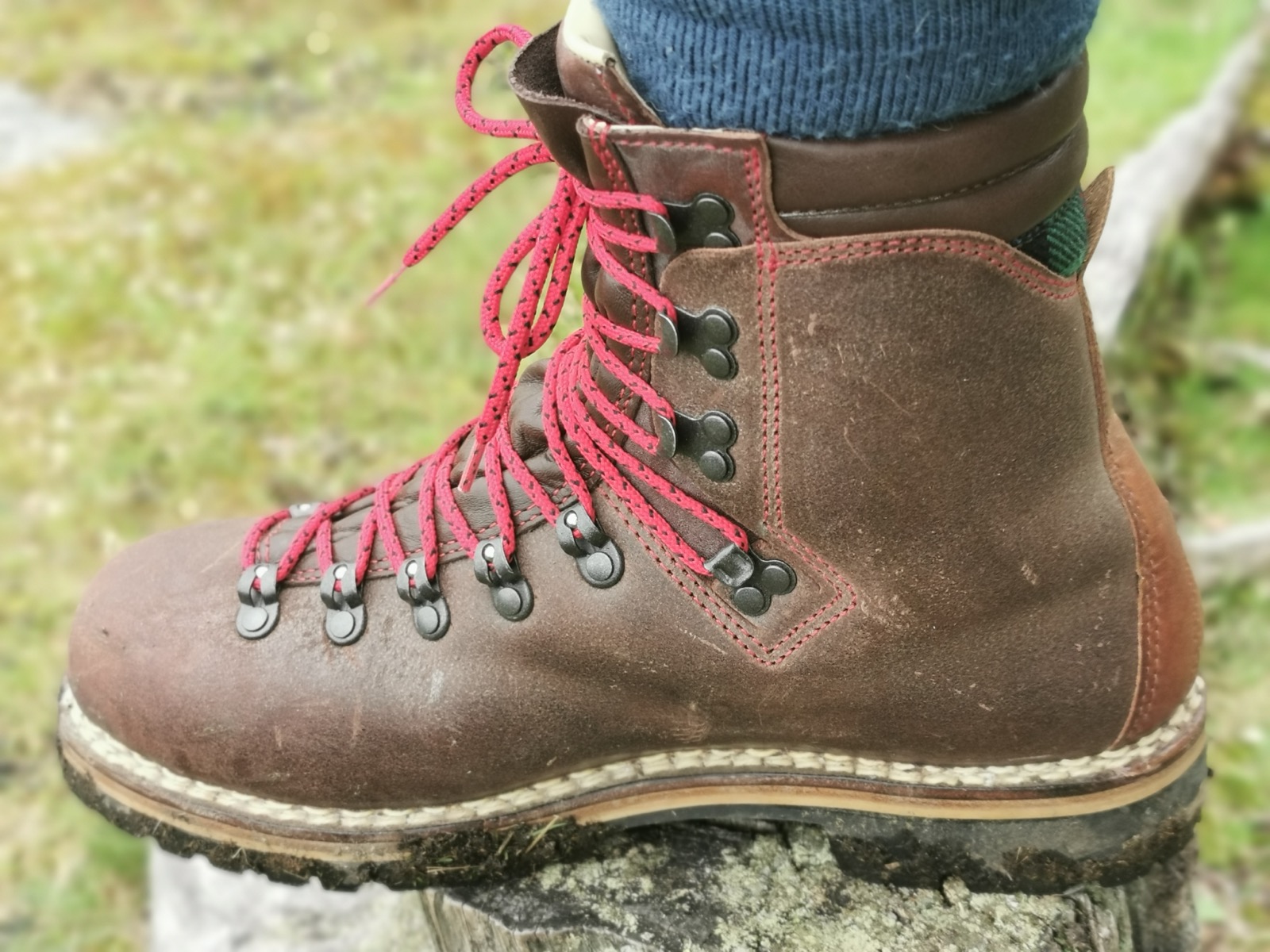
How to choose walking footwear: types, selection criteria and what to check in the shop. Different types of footwear for different terrain and patterns of use.
Choosing walking footwear is perhaps the hardest thing we do when buying outdoor kit. The footwear has to fit the person who is going to wear it — which makes tips and advice about particular brands and models meaningless. Here you need to get out to the shops and try the footwear on your feet.
Choose footwear that gives enough support and cushioning for the kind of terrain you mostly walk in. Find out which footwear sits well on the foot and what you yourself prefer.
Types
There are in principle three types of footwear for outdoor use: mountain boots (fjellstøvel), hunting boots and wellington boots. Low trail shoes are best suited to short day trips without a load. What suits you depends on the terrain you most often move through, how heavy a pack you carry, and how much wet ground you meet.
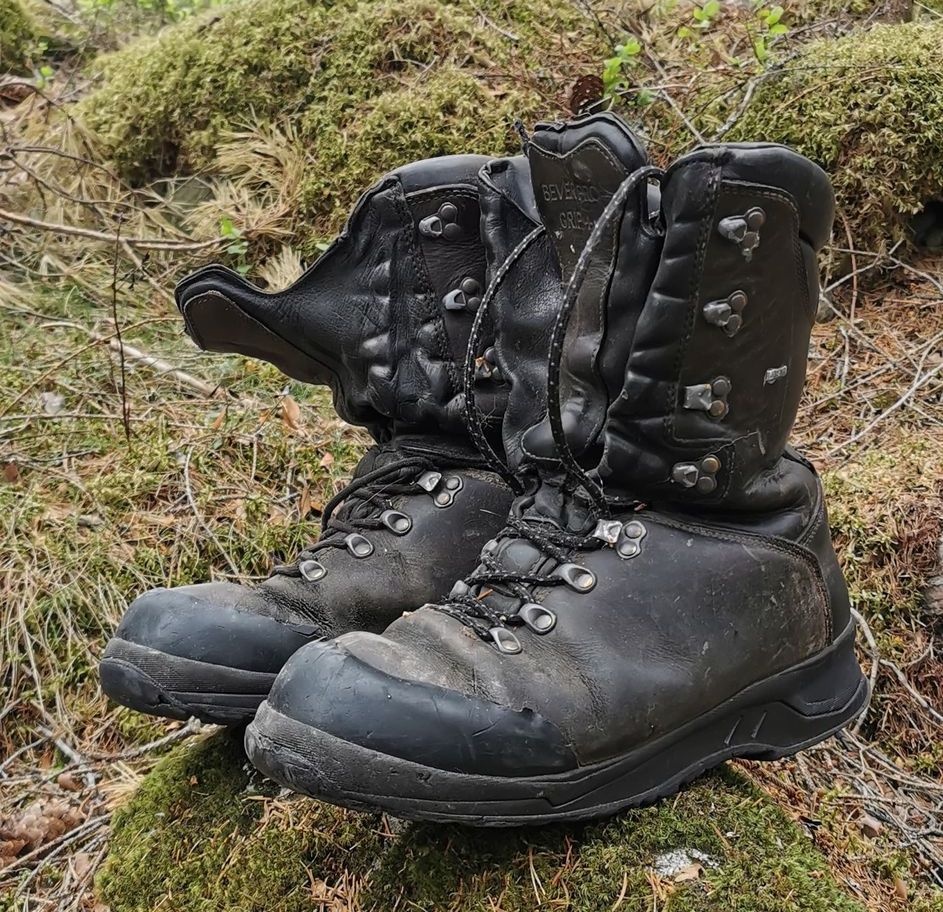
Hunting boot
Tall boots with good support. Heavier than mountain boots, but keep your feet dry in woodland terrain and under a heavy load.
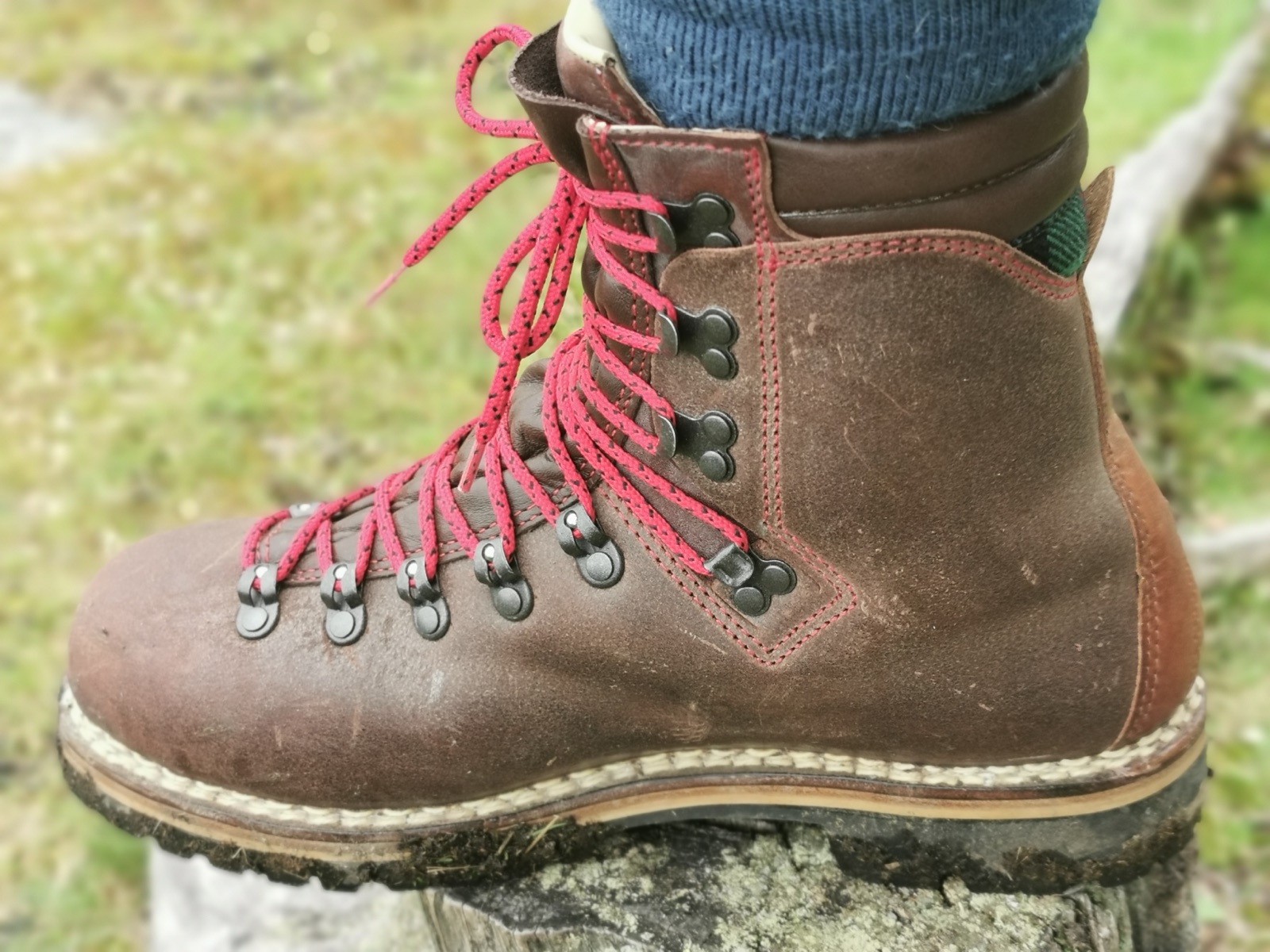
Mountain Boots
Stiff boots that come a little above the ankle — they give good support without becoming too heavy. The most common walking boot for a mountain hike.
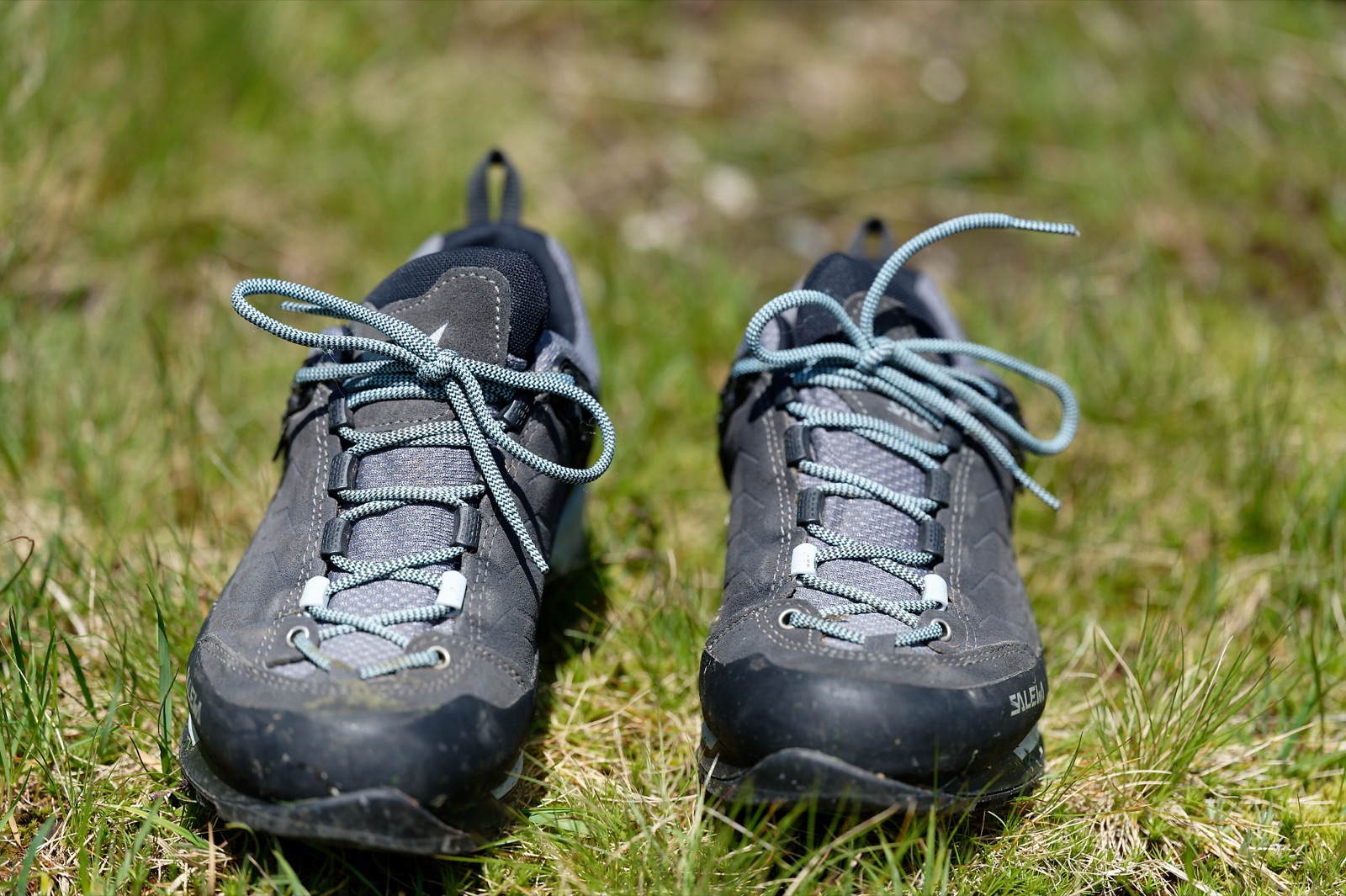
Trail shoes (low walking shoes)
Low shoes like trainers, best suited to good paths and gravel tracks close to home. Let water in easily, little support with a heavy pack.
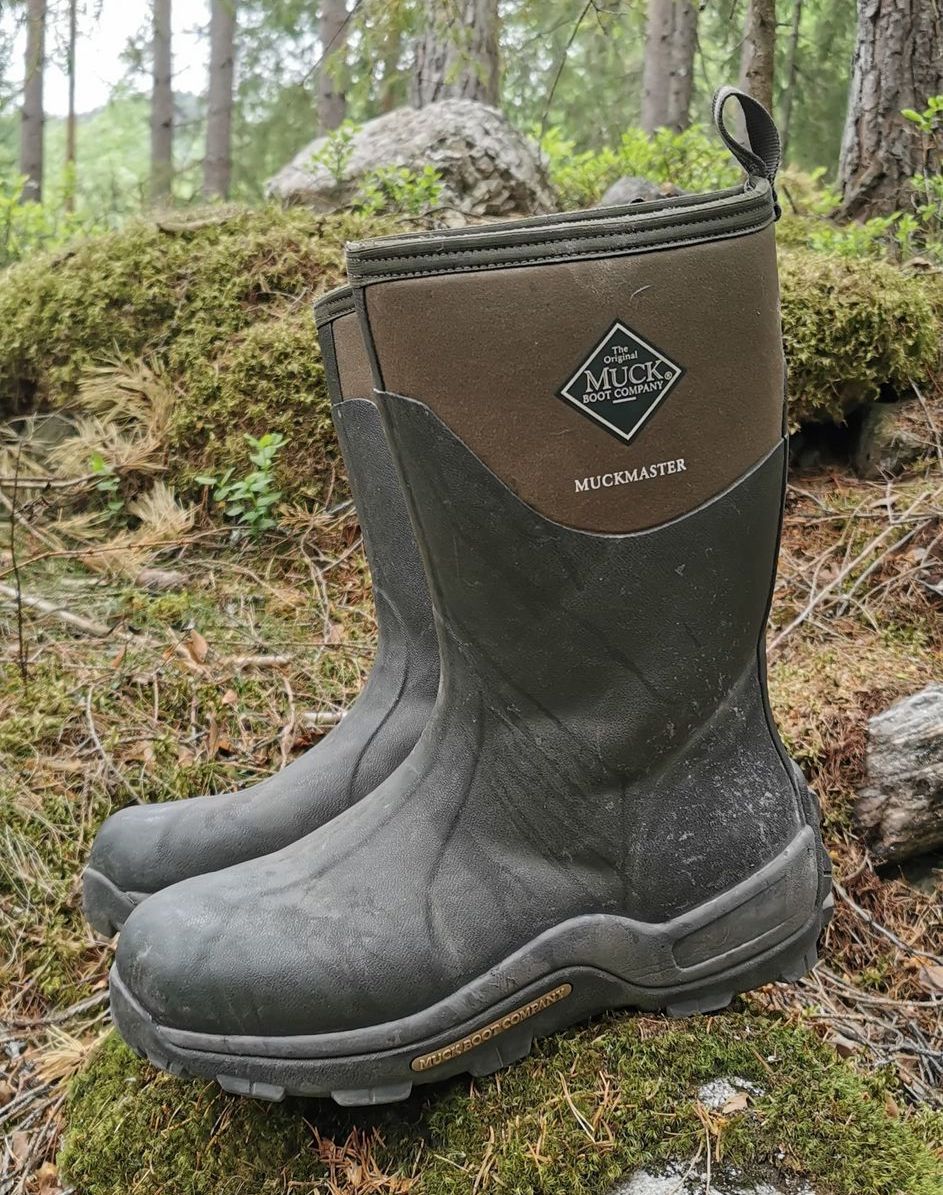
Wellington boot
Waterproof, tall boots — ideal for wet terrain such as bog and stream beds. Poor support and poor breathability make them less suited to a long hike.
What should you choose?
Beyond the type of footwear there are several things worth thinking about. What matters to you depends on your use and needs.
Membrane or not?
Most mountain boots and hunting boots sold today come with a waterproof membrane. The membrane makes the boot waterproof and helps keep the feet dry for longer. But if the boot gets wet when crossing rivers, the membrane also stops the footwear from drying — so they stay wet longer once they do take in water. The membrane often cracks over time, and the breathability gets worse. Footwear without a membrane gets wet more quickly, but dries more quickly.
Leather or synthetic?
Leather boots are heavier, but mould better to the foot and last longer with the right care. Synthetic materials are lighter and need less maintenance, but have a shorter lifespan and have to fit well from the start — they do not mould to the foot the way leather does.
Good grip or durability?
A softer rubber compound in the sole gives better grip, but wears out fast. Harder soles last longer, but are more slippery. If you are going to use the footwear a lot, check whether the sole can be replaced.
Shell boot or lined?
Most boots are lined on the inside with foam — moulded to the foot, but they absorb a lot of water. Shell boots are unlined; the socks form the lining (typically two layers of wool). Advantages: lower weight, faster drying time, better stability. Disadvantages: higher price, lower comfort when dry.
Check this in the shop
- Size — walking boots should be at least one size larger than usual, to leave room for thick wool socks and to keep the toes from reaching the tip on steep descents. Test with the same socks you use on a trip.
- Fit — the footwear should not pinch the foot across the width. The toes should be able to splay a little naturally. No pinching, no discomfort.
- Lacing — should be easy to adjust, and ideally have a locking hook at the ankle so you can have it looser over the foot and tighter at the ankle.
- Insole — the one that comes with them is often poor. Bring your own insoles to the shop and try the footwear with them.
- Quality — look for stitching (glue is a bad sign), leather rather than a lot of synthetic in the details. Price is not always a good indicator.
Next steps
- Mountain boot — a specific type
- Clothing — the hub for clothing
- Packing lists — packing your footwear
- Equipment — the hub
Learn more
- DNT — equipment — recommendations and courses
- Friluftsmagasinet Fri Flyt — reviews and specialist material
- Klepp & Tobiasson — Lettkledd — sustainable thinking on kit