Gear
Bothy bag
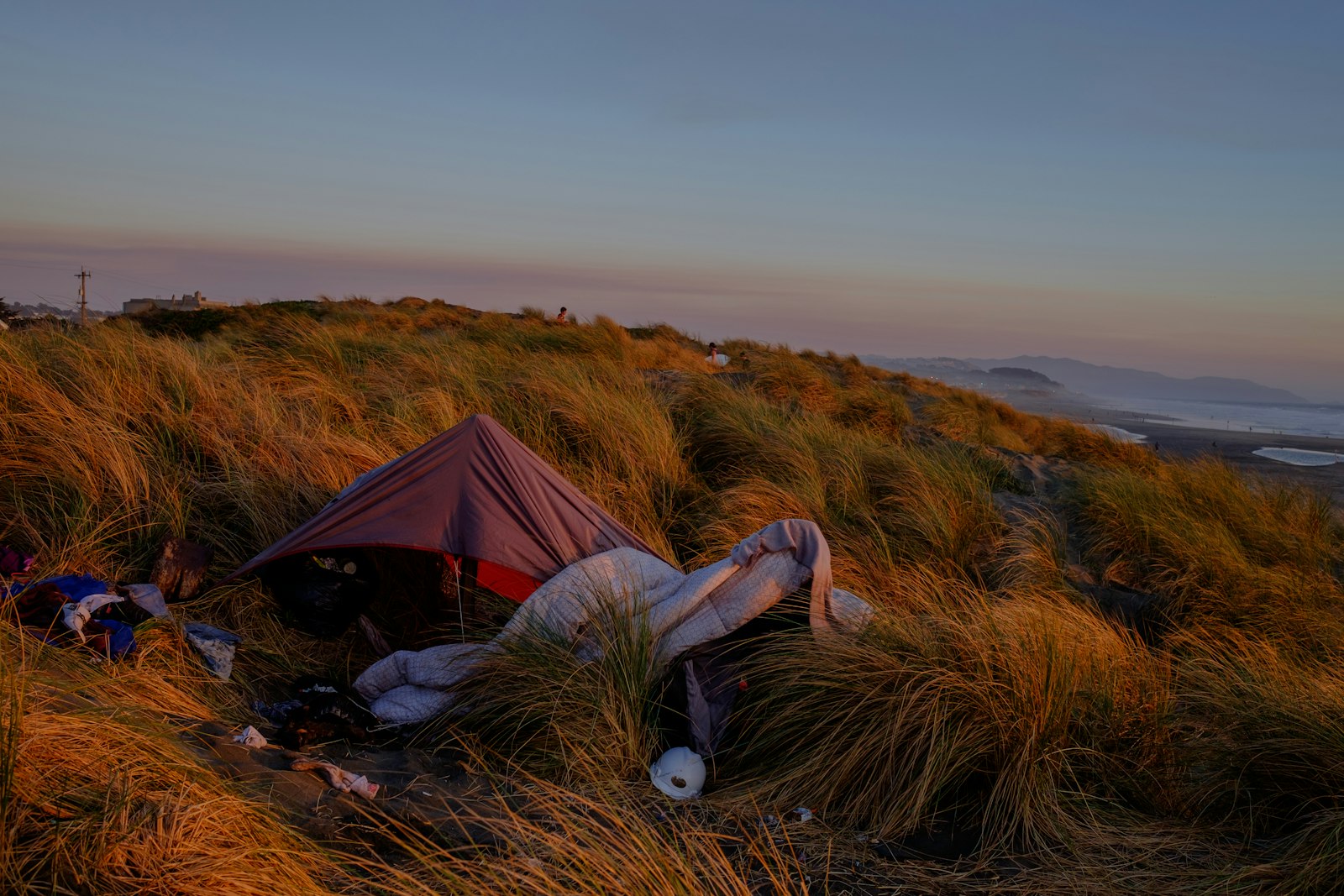
The bothy bag is a piece of kit that weighs little, costs little and can save lives. What it does, which sizes exist, and why it belongs in the pack even on a day trip.
The bothy bag is a windproof sack with an opening along one short end, large enough for two or three people to sit inside. It typically costs 400–1,200 kroner, weighs 300–700 grams, and packs down to the size of a fist in the bottom of the pack. It is never used on most trips — and that is exactly why it is nearly always in the pack of anyone who has had use for it once.
What it actually does
In practice the bothy bag is used for five things:
- A break in strong wind. Two or three people inside, close the opening, and the temperature within rises quickly from body heat. You can eat, drink, wipe away sweat under a buff, check the map in peace.
- Changing into dry clothes without exposing the skin to wind and snow.
- A windbreak or screen against the wind when you have to do something outdoors (change gloves, boil water, go to the toilet).
- Protecting an injured person while you wait for help or transport. Wrap the person up well with warm clothing and put them on an insulating mat — the bothy bag alone does not replace a sleeping bag, but it stops the wind from drawing out the little warmth you have.
- A snow sail, where conditions allow and you know what you are doing.
What it is not: a bivouac sack for a planned overnight stay. It does not insulate — it blocks wind and traps body heat. The difference is large in cold conditions.
Sizes
The main sizes on the market:
- 2-person (~400 g) — the most common choice for a trip in a pair or a small group. Sees a family or walking party through an ordinary storm break.
- 4-person (~700 g) — for walking groups and school classes. Heavier, but gives considerably more room and more practical space for one or two people who need to lie down.
- 8-person (~1,200 g) — DNT groups, classic hire models. Rarely suited to a carrying trip, but often found at self-service cabins.
For an ordinary mountain trip a 2-person is enough — one each in each group. For families or regular walking parties a 4-person is a safe choice.
Materials
Most bothy bags are made of nylon ripstop, often with a PU or silicone coating that gives water resistance. Classic manufacturers in Norway: Bergans, Helsport, Ajungilak (older models), Snowsled. The Norwegian bivouac brand Jervenduk has been a generic name for the bothy bag in Norway since the 1960s, and is often used synonymously with “vindsekk” in everyday speech, even though it is in fact one specific product.
Newer models tend to have transparent windows for visibility, air holes to prevent condensation, and a colour of orange or red that makes you visible from the air — important if a rescue becomes necessary.
Where it should be packed
At the top of the pack or in an easily accessible side mesh pocket. The whole point is that it should be to hand within seconds when the weather turns. A bothy bag in the bottom of a packed-full rucksack will not come out before conditions are already a problem.
Maintenance
Very little. Dry it after wet trips (hang it up indoors — not in sunlight, which breaks down the coating), and pack it loosely in the bag at home. Check the seams and zip yearly — a tear can be taped on the spot with duct tape, but a rotten seam calls for cleaning or replacement.
Text: Snuitide (2026), based on recommendations from DNT, the Norwegian Red Cross and Jervenstuga.