Gear
Paddling shoes (water-friendly footwear for kayak and canoe)
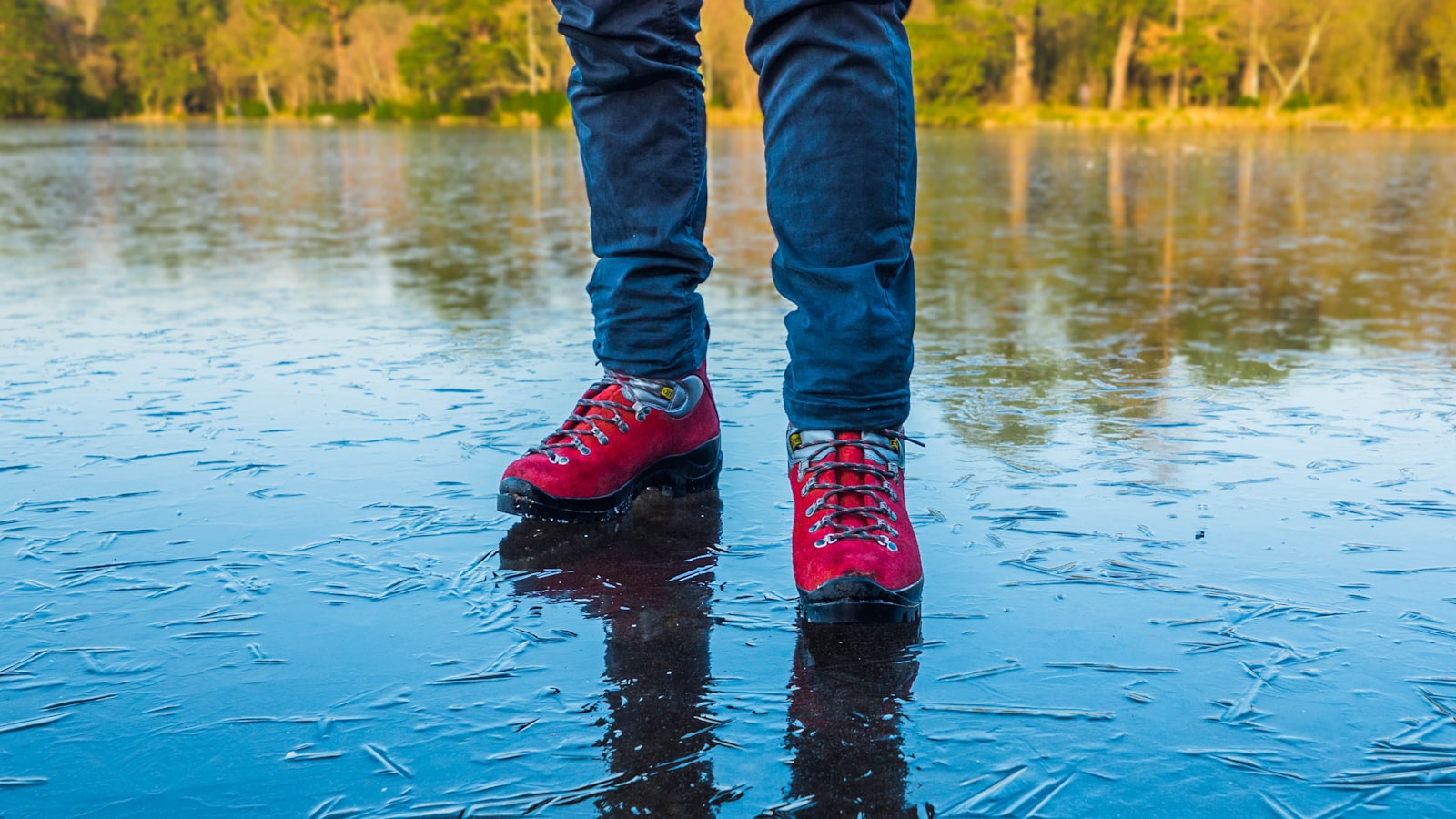
Paddling shoes are shoes meant to get wet. Here is how to understand neoprene shoes vs sandals, the drainage principle, and when neoprene socks plus ordinary shoes beat dedicated paddling shoes.
Paddling shoes are shoes that can take getting wet and do not compromise your trip when they are. On a paddling trip you stand in the sea while you load the kayak, you walk over slippery rock to launch, and you may end up standing for a while at the water’s edge. Ordinary walking shoes fill with water and become a clammy nightmare for the rest of the day. Paddling shoes are built for the opposite: drainage in seconds, protection against rock and sand, and warmth enough that your feet keep working.
Two main types
The paddling-shoe market splits into two basic forms:
Neoprene shoes are closed shoes in 2–5 mm neoprene with a rubber sole. They hold some warmth in cold water, protect against sharp rock and obstructions on land, and drain by letting water run out through the seams and the sole over a few minutes. The standard choice for sea kayaking and touring kayaks in Norwegian water temperatures.
Paddling sandals are open sandals with a sturdy sole and quick-drying straps in nylon or polyester. Better ventilation than neoprene, no cold-foot problem in summer heat, but they offer little protection against cold sea and require you to be willing to have wet skin for longer periods. Used mostly in summer and in warmer water — in the south of Norway in July and August, or when travelling in southern Europe.
For Norwegian conditions, neoprene dominates. The water temperature along the coast often sits at 6–15 degrees for much of the year, and that is cold enough that sandals only work for a few weeks in the middle of summer.
Drainage and fit
Two details separate a good paddling shoe from a poor one:
Drainage holes or a draining seam. The shoe must release the water you stand in quickly — within 30–60 seconds. Drainage holes in the sole or a thin draining membrane in the side seam are both solutions. A neoprene shoe without drainage will never get fully dry on a paddling trip.
A heel grip tight enough. The shoe must stay put at the heel so it does not slip off when you walk in soft clay or wade in the sea. Lace closure, velcro or elastic entry are all solutions — what matters is that the heel does not float out of the shoe when it is wet.
The fit should be a little tighter than an ordinary shoe. Neoprene expands when it gets wet, and a shoe that is too large when dry becomes floppy and slips off after an hour in the water. Try paddling shoes wet in the shop if you can, or put them under the shower at home — that is the only real test.
Specific brands
The market is moderately large, and the products are relatively similar:
- Astral — American, known for paddling shoes and river products. Models such as the Brewer and Loyak are popular.
- NRS — a broad range of neoprene shoes and sandals, well distributed in Norway.
- Kokatat — premium paddling kit from the USA, good neoprene boots for cold-water paddling.
- Patagonia — has paddling sandals and neoprene shoes in sustainable production.
- O’Neill and Body Glove — surfing brands that make solid neoprene shoes at a moderate price.
- Helly Hansen — Norwegian, has neoprene socks and simple paddling shoes.
Price level:
- 400–1000 kr for a basic pair of neoprene paddling shoes.
- 800–1800 kr for premium neoprene with good drainage and warmer construction.
- 600–1200 kr for solid paddling sandals.
When neoprene socks plus an ordinary shoe are better
For cold-water paddling — winter paddling, autumn in the north, or early spring — neoprene paddling shoes alone are usually not enough. Your skin is cold before the hour is out. The standard solution is:
Neoprene socks (3–5 mm) inside a larger shoe or rubber boot. The sock keeps the insulation against the skin; the outer shoe protects the sock against wear and gives better grip. Many experienced sea-kayak paddlers combine 5 mm neoprene socks with a light shoe (Astral, NRS) a size up.
A drysuit with integrated neoprene socks plus paddling shoes. On a drysuit trip the socks are already part of the suit, and you only need an outer shoe a size up to protect the socks. It is the warmest solution and the one that works best in winter paddling.
For summer paddling in the south and in warmer water, neoprene shoes alone are enough. For cold water or a multi-day trip the sock-plus-shoe combination is what works.
Who needs what
For ordinary touring and sea paddling in the summer half of the year: light neoprene shoes (2–3 mm) with good drainage. The sweet spot for most paddlers.
For cold-water paddling and drysuit use: neoprene socks (3–5 mm) inside a light shoe or rubber boot a size up.
For river paddling: heavier neoprene shoes with a solid rubber toe cap. Rock in white water causes minor damage to light shoes.
For SUP and summer stand-up: paddling sandals or bare feet if the temperature allows it.
For canoeing in inshore water: ordinary neoprene shoes or sandals are sufficient — your feet rarely get fully wet in a canoe.
Maintenance
- Rinse with fresh water after sea water. Salt wears on the elasticity of the neoprene and makes the material stiff over time.
- Dry in a well-ventilated place. Fill the shoe with dry paper if it has to dry quickly, and change the paper after an hour.
- Never dry on a radiator or in direct sun. Neoprene is broken down by heat and UV.
- Check seams for wear. Cracking neoprene seams can be sealed with Aquaseal or similar, but when the sole starts to come away from the shoe material it is time for a new pair.
Lifespan: 2–5 seasons of regular use for neoprene shoes. Sandals last longer because there is less material that breaks down, but the rubber sole is what typically wears first.
Next steps
- Drysuit and wetsuit — the cold-water solution the paddling shoes work together with, with integrated neoprene socks.
- Socks — a neoprene sock inside a shoe a size up is the cold-water combination we recommend.
- Shoes — how walking shoes differ from paddling shoes, and why you do not paddle in them.
- Sea kayak — the activity the paddling shoes are built for.
- Your first paddling trip — what you need on your feet before you set out for the first time.
Learn more
Text: Snuitide (2026).