Gear
Sleeping-bag liner
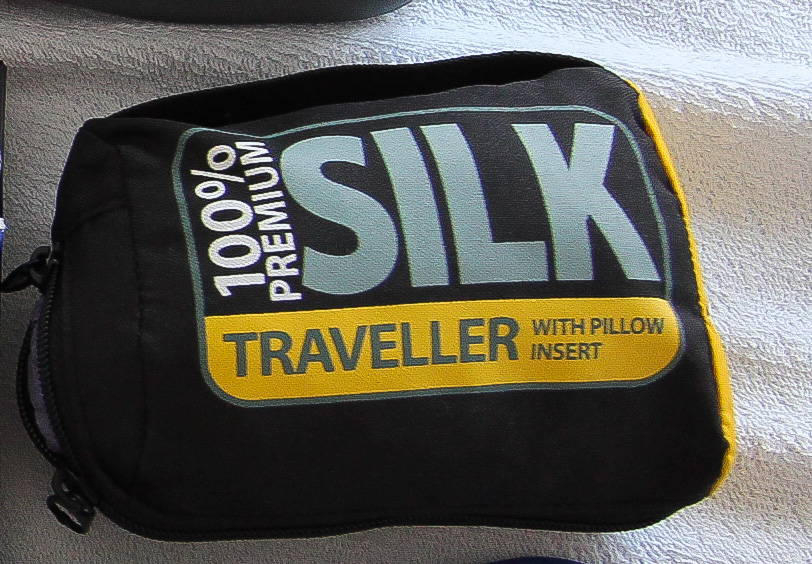
A thin fabric bag used inside the sleeping bag — at DNT cabins it is mandatory, and at home it is the simplest hygiene measure you have.
A sleeping-bag liner (also called a liner or silk liner) is a thin fabric sack the size of the sleeping bag, used inside the sleeping bag. It adds some insulation (5–10 °C better with a good design), protects the sleeping bag from sweat and skin oils (extending its life), and is mandatory at DNT staffed and self-service cabins.
Materials
Cotton — the classic choice. Heavy (~250–400 g), packs larger, withstands many washes. Price: 200–400 kr.
Silk — light (~120–180 g), packs very small, feels pleasant against the skin, expensive (~600–1,200 kr). The classic for multi-day trips.
Microfibre/Coolmax — light (~150–250 g), dries quickly, cheap (~200–300 kr). Practical for winter trips.
More exotic materials (bamboo, modal, wool blends) — varied properties, often more expensive.
For a Norwegian hut trip, cotton or microfibre is standard. Silk is for those who count every gram or go on multi-day trips often.
Shape
Mummy shape matches a mummy sleeping bag — narrow at the foot, wider at the top, with or without a hood. Packs the most compactly.
Rectangular is wider, with more room, typically used in rectangular sleeping bags or at self-service cabins.
Travel version — thin and wide, used in hostels and inside a sleeping bag. Not always as well suited to a Norwegian mountain trip.
For sleeping-bag use, choose the mummy shape that matches the shape of your bag.
Packing
It usually packs into the supplied bag (often a fabric bag with a drawstring) — packed size 8×15 cm to 12×20 cm. Stow it with the sleeping bag in your pack.
Maintenance
Wash it every time you use it (especially if you sleep with a sweaty body). An ordinary washing machine at 40 °C with ordinary detergent. No tumble dryer for silk (it may shrink).
Replace it when there are holes, when it is worn through, or when it smells impossible to wash out.
Text: Snuitide (2026).