Gear
Vacuum flask
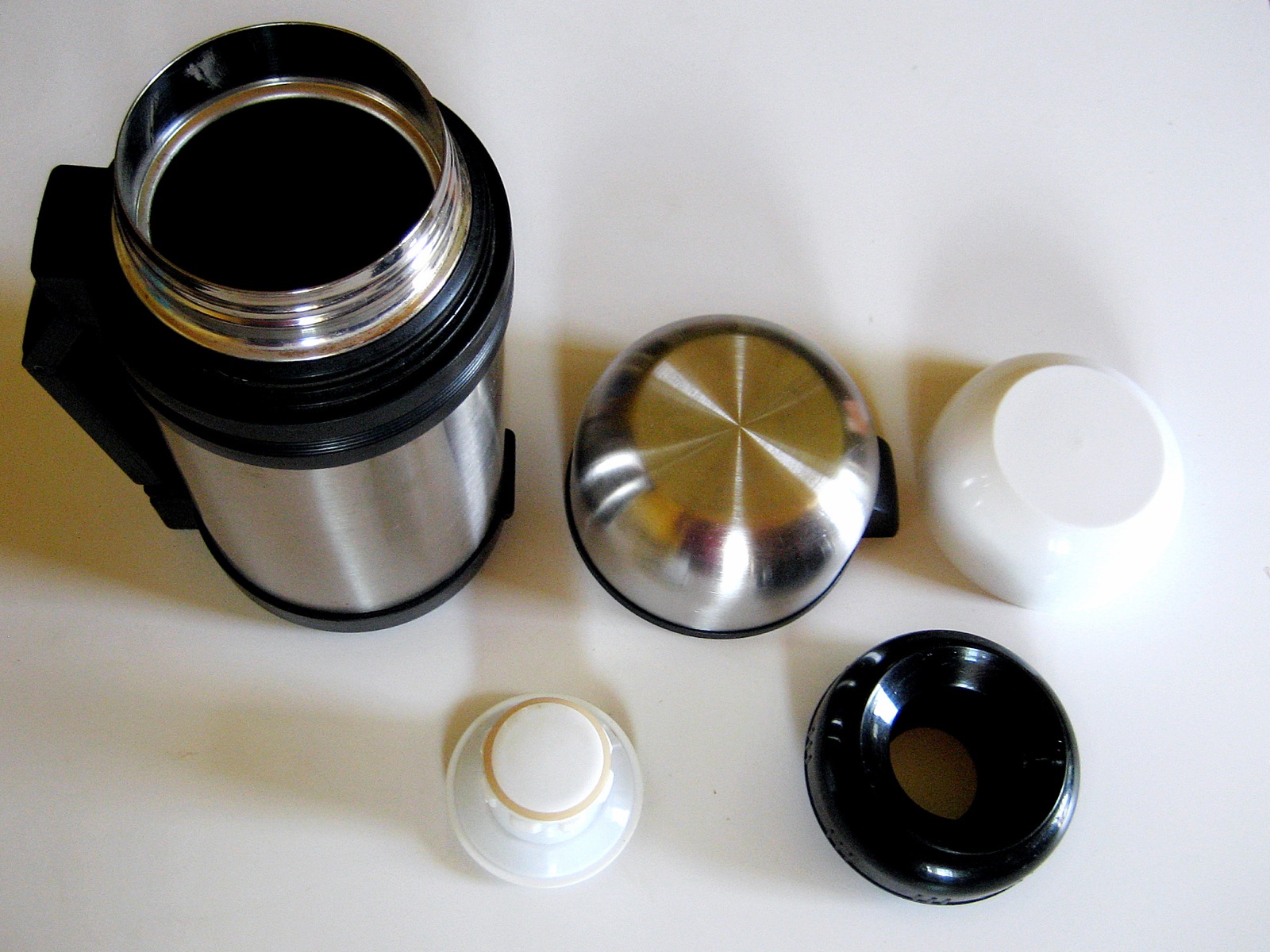
A stainless-steel vacuum flask keeps coffee hot for 12 hours and cold for 24 — sizes, lid types, and why a flask is underrated in summer too.
A vacuum flask is a double-walled metal bottle with a vacuum between the walls. The vacuum prevents heat transfer, so the contents are kept hot or cold for hours. On a Norwegian winter trip, a flask of hot drink is one of the most cost-effective comfort measures you can invest in — on a summer trip it is underrated as a hot-water carrier for quick-heated food.
Material
The standard material is stainless steel — durable, resistant to knocks, does not rust. Classic makers: Stanley (the classic), Thermos (the brand name itself), Hydro Flask, Klean Kanteen, Nansen, Helsport.
Aluminium flasks are rare and not recommended — poorer insulation and shorter service life.
Sizes
- 0.3–0.5 L — one or two cups of coffee, a day trip for one person
- 0.75–1.0 L — standard for one person on a day trip or two at a break
- 1.5–2.0 L — group trip, longer day
- 2.0+ L — base camp, longer stays
For a typical Norwegian winter trip, 0.75 L is the standard for one person. Many add a 0.5 L drinking bottle for cold drinks.
Lid types
Screw lid with built-in cup — the classic Stanley model. Cup plus lid means easier washing-up, but you have to unscrew the whole lid to pour. Works well in the cold with mittens.
Push-button lid — modern, quicker to use, but more complex and can fail in the cold if the mechanism freezes.
Screw lid without cup (Hydro Flask style) — you need your own cup. Lighter and more compact.
For trip use in the cold, the classic screw lid with built-in cup is the most reliable.
Holding time
A good flask keeps:
- Hot (above 60 °C): 12–24 hours
- Ice-cold (below 8 °C): 24+ hours
The Stanley Classic is often tested to 24 hours hot — that is the class for trip use. Cheap models (Coop, Rema, Biltema) typically hold 6–10 hours — enough for a day trip, not for an expedition.
What to fill it with
Coffee and tea are the classics. Other options:
- Soup (especially on a winter trip — broth, tomato soup, home-made)
- Hot water for pouches (Real Turmat, Trek’n Eat) when you do not want to light the stove
- Cocoa (especially for children’s trips and winter stops)
- Hot squash (winter, gives energy at a break)
Packing
A steel flask has a good weight-to-volume ratio, but it is still the heaviest single item of water/drink kit in the pack. Place it in the middle of the pack for balance.
In the cold: keep it horizontal or with the lid up so the lid does not “lock” itself shut with frost.
Maintenance
Wash with hot water and biological soap — not the dishwasher (it can damage the insulation over time). Dry it open after every trip.
If the flask smells odd inside, fill it with hot water plus baking soda and leave it overnight. Rinse thoroughly.
The lid seal can wear out — replacement is often possible from the classic makers.
Text: Snuitide (2026).