Gear
Spray deck
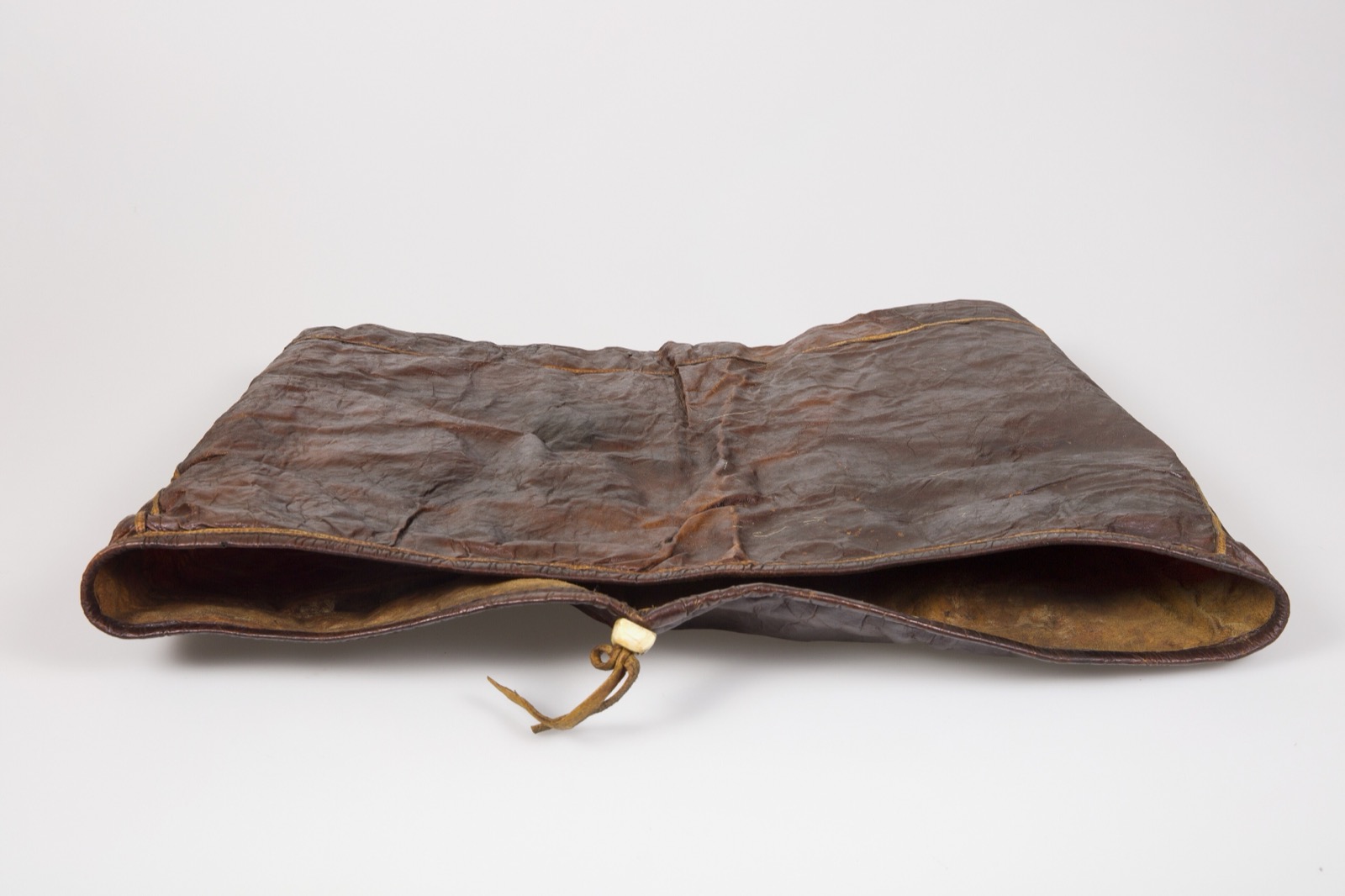
The garment that keeps the cockpit dry in sea and river kayaks. How to understand nylon versus neoprene, why fit and the release strap are safety-critical, and when you actually need one.
A spray deck is the fabric skirt that seals the cockpit on a closed kayak. You stand in it, pull it on like a skirt around your waist, and fasten the lower edge over the cockpit rim before you set off. Once it is in place, the cockpit becomes a closed space — waves and spray do not get in.
For sea and river kayaks, a spray deck is a mandatory part of the kit when conditions call for it. Without it, the cockpit fills quickly in a sea, and the kayak becomes heavy and unstable before you have time to react. With it, you can paddle through waves without the day being ruined.
Two main material types
Spray decks are made in two basic materials, each suited to its own use.
Nylon is the most common among touring and sea paddlers. Light, easy to put on and take off, lower in price, and it produces less heat build-up inside the cockpit on summer days. It seals well against spray and light waves. This is what most club and touring paddlers use.
Neoprene is tighter and stiffer, and stays sealed even with a lot of water contact — for example when rolling, surfing or paddling in waves. Neoprene decks sit more snugly around the cockpit rim and around the waist, so that water does not get in between body and deck when you roll. A little harder to take off, and warmer, but it is the right choice if you paddle in rougher conditions or do a lot of rolling.
For river paddling, neoprene is almost always used. For sea and touring paddling, nylon is standard, with neoprene as an upgrade for those who paddle in waves or roll regularly.
Fit — important both for sealing and for safety
A spray deck has two fit elements:
Cockpit fit. The lower edge of the spray deck has a reinforced rim of rubber or kevlar that is stretched over the cockpit rim. The spray deck must fit the kayak — manufacturers list the cockpit size in catalogues and on the label of the deck. A deck that is too large will not stay in place; one that is too small will not go over the rim at all.
Waist fit. The upper section sits around your waist. A drawcord or an elastic edge holds it in place and stops water from running in from above. For nylon decks, the waist often has an adjustable cord; for neoprene it is tight elastic rubber.
When you need a spray deck
You need a spray deck on a closed kayak when there is a sea, spray, rain, or if you roll. On a calm lake on a summer day you can paddle with an open cockpit (without a deck) if you want better ventilation.
For river paddling it is practically always on — rapids fill the cockpit in seconds if the deck is not in place.
For SUP, canoe and packraft it is not relevant. A SUP has no cockpit; a canoe is open and uses other solutions (typically a buoyancy unit installed under the thwart); a packraft has its own deck design, usually together with a watertight zip.
Maintenance
A spray deck needs little, but a few things:
- Rinse with fresh water after sea use. Salt wears on the elastic and the rubber edge.
- Dry it in a well-ventilated place before you put it away. Mould is the most common damage on decks that are packed away wet.
- Check the rubber rand and the fittings for cracks before each season. Cracked rubber needs replacing — not all models are repairable, and many have to be scrapped.
- Check that the release strap is intact and easy to grip. Replace it if it is worn.
The lifespan is typically 5–10 years for nylon, longer for neoprene with good care. When the elastic slackens or the rubber rand cracks, it is time to replace it.
Who needs what
For touring and sea paddling in moderate conditions: a nylon spray deck is the right choice. Light, cheap, gives enough freedom of movement, and seals well enough.
For sea paddling in waves or for those who roll: a neoprene deck gives better sealing and stability in rougher conditions.
For river paddling: a neoprene deck is the norm, often with extra reinforcement and a cockpit fit specific to river kayaks.
For club and rental paddling: the decks the clubs have ready are often nylon. Check that they fit the kayak before you set off, and that the release strap is out.
Next steps
- Bilge pump — what you empty the cockpit with when the spray deck lets water in anyway.
- Paddle float — the self-rescue gear you use after a capsize, before you seal the cockpit again.
- Buoyancy aid — the buoyancy gear that always goes on before you put on the spray deck.
- Rescue in a kayak — where the spray deck’s release strap is trained under stress.
- River paddling — the use where a neoprene deck is the norm and the cockpit fills in seconds.
Learn more
Text: Snuitide (2026).