Gear
Paddle float (self-rescue after a capsize)
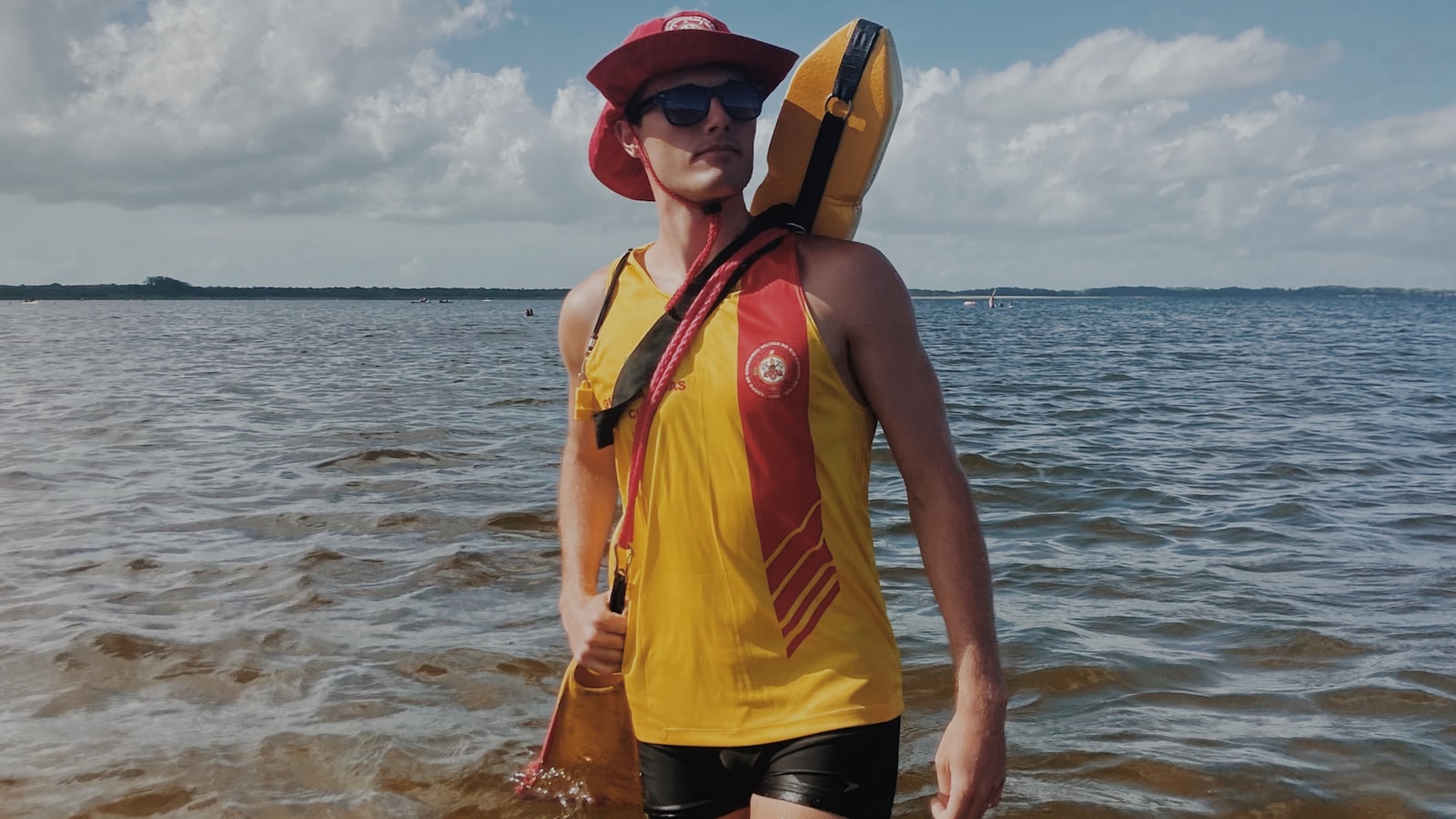
A paddle float is the flotation device you fasten to the paddle blade to build an outrigger and climb back into your kayak alone after a capsize. The NPF baseline for sea kayaking on a day trip — and one of the rescue techniques you practise before you actually need it.
A paddle float is a buoyancy bag that you fasten to one of the paddle blades after a capsize. With the bag fitted, the paddle becomes an outrigger — you lay it across the kayak behind the cockpit and use it as support to climb back onto the deck. It is the most common self-rescue method in sea kayaking when you do not have a reliable roll, and it is one of the things Norges Padleforbund (NPF) regards as baseline for sea kayaking beyond calm inshore water.
Why it is on the kit list
The NPF’s recommendations for sea kayaking distinguish between required and recommended equipment, and the paddle float is on the list as recommended safety equipment for self-rescue in a sea kayak. The reasoning is simple: if you paddle alone, or if the companion rescue does not work for some reason, the paddle float is the technique that gives you a working alternative.
That does not make it the most important piece of safety equipment. A T-rescue with a partner is faster and more reliable, and a good kayak roll more so still. But the paddle float is the kit that always works — regardless of whether you have practised your roll that season, and regardless of whether your partner is available.
How it is used
The sequence for a paddle-float rescue is this:
- You have capsized and are out of the kayak. Hold on to the paddle and the kayak — both are flotation aids.
- Right the kayak by pushing down on one side and pulling up the other.
- Fetch the paddle float from the deck rigging or from the cockpit where it is stowed.
- Slide it onto one of the paddle blades and inflate it (or fit it if it is foam-filled).
- Lay the paddle across the kayak behind the cockpit with the float out in the water as an outrigger.
- Climb onto the deck with your feet in the water, belly-down across the deck, and rotate down into the cockpit while keeping the paddle steady.
- Pump out the water with the bilge pump, the spray deck on, and you paddle on.
The whole sequence takes 2-5 minutes once it is dialled in. More in rescue in a kayak.
Inflatable vs foam-filled
There are two basic types:
Inflatable is the most common choice. A folding nylon pack with one or two chambers and an oral valve. You inflate it after a capsize — typically 8-12 breaths per chamber. It packs down very small (tied together it is about the size of a hat) and weighs 200-400 g. It takes 30-60 seconds to activate from the moment you have it in hand. The drawback is that you need enough breath left in 8-15 degree water after a capsize.
Foam-filled is a bag with closed-cell foam inside. It is ready to use immediately — no inflation needed — and you simply fasten it to the blade and you are off. It weighs 300-500 g and takes up more room on the deck. It is used mostly by instructors and by people who paddle in demanding conditions where every second counts, or by paddlers who practise a lot of self-rescue and do not want to inflate every time.
For day-trip paddlers, the inflatable is the most common choice. It is the one found in clubs’ hire equipment, and the one cheap enough that most people have one at home.
Fastening principle on the paddle
The paddle float usually has one or two straps that tighten around the paddle blade. Two things matter for it to stay put:
The blade width must fit. A paddle with very large blades can burst a standard paddle float; one with very narrow blades gives the float a poor grip. Most floats are built for touring and sea-kayak blades in the 600-700 cm² range — which is the usual size.
The strap must be easy to fasten with cold skin. Plastic buckles that demand fine motor skills are a problem after a capsize. The best paddle floats have simple quick-release buckles or velcro that works even with wet hands.
Fasten the float firmly enough that it does not float off when you put weight on the outrigger — but not so tight that it punctures on a sharp paddle edge.
Specific brands and price
The market is moderately large, and the products are relatively similar:
- NRS Paddle Float — American, the top inflatable choice, two chambers for redundancy.
- Sea to Summit Solution Paddle Float — well distributed in Norway, inflatable.
- North Water Paddle Float — Canadian, both inflatable and foam versions.
- Northwater and Salamander — foam-filled options for instructor use.
Price level:
- 400-700 kr for an inflatable paddle float from an established brand.
- 600-1000 kr for a foam-filled version.
It is not a piece of kit it makes sense to economise on — a paddle float with a faulty release or poor seam welding can fail in a situation where you have no other alternative.
Why not optional on a sea-kayak day trip
On inshore flat water without wind, you can argue that a paddle float is superfluous if you are in an organised group with people who have practised the T-rescue. On open water or an exposed coast, that argument disappears. The wind can change, your partner can be out of sight over a wave crest, and your roll may not be where it was in June. The paddle float is the independent alternative that does not depend on other factors lining up.
It is also the least dramatic rescue to practise. It does not require other people to practise with, a perfect training day, or particular weather. You can practise it alone in a sheltered bay one evening in June and go home with a working skill.
Maintenance
Little, but some:
- Rinse with fresh water after salt water. Salt deposits in the valves make them seal poorly over time.
- Dry it open and on the inside before you pack it. Mould grows inside paddle floats that are packed wet.
- Check the seams, valve and straps every season. An inflatable bag that does not hold its air over an hour should be replaced.
- Inflated paddle floats can keep their shape over time if they are stored inflated at home in a wardrobe — it stresses the seam less than folding and packing.
The lifespan of an inflatable paddle float is typically 5-10 years. Foam floats last longer as long as the foam does not take up water.
Next steps
- Rescue in a kayak — the technique the paddle float is part of, practised step by step.
- Bilge pump — the other self-rescue kit you need, for emptying the cockpit after you are back up.
- Life jacket — the flotation gear that keeps you up while you work with the float.
- Spray deck — seals the cockpit again before you paddle on.
- Sea kayaking — the activity the paddle float belongs to.
Learn more
Text: Snuitide (2026).