Gear
Tents
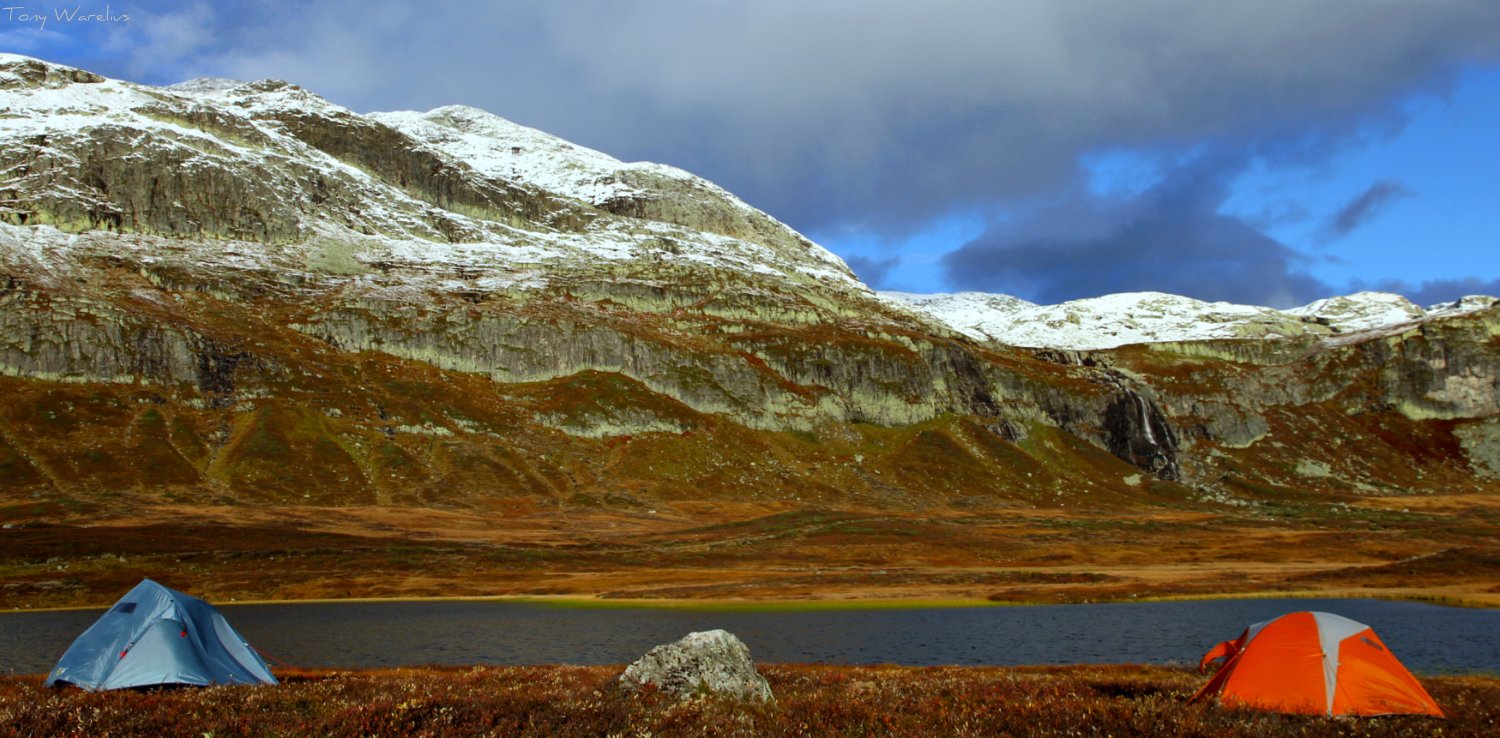
How to choose a tent: weight, wind stability, season, poles and fabric. The main types — dome, tunnel, mountain tent, tarp and hammock — and who each one suits.
The tent is the largest piece of equipment you bring on a camping trip, and the one that matters most for how good the night turns out. A good tent keeps you dry in rain and calm in wind. For using the tent — where you may pitch it, allemannsretten (the right to roam), leave-no-trace — see overnighting with tent and lavvo. This article is about the equipment choice.
What you actually need to think about
Four things decide whether a tent suits what you do:
- Weight. For cabin or car camping, weight is secondary. For hiking and mountain touring, every gram counts. A 2-person three-season tent typically weighs 1.8–3.5 kg; a solid winter tent 3–6 kg.
- Space. A ‘3-person’ tent is usually 2.5 adults realistically — manufacturers measure tightly. Count on wanting room for a pack inside as well.
- Wind stability. Shape and pole system decide how much wind the tent can take. Geodesic and dome tents take wind from all directions; a tunnel tent has to stand with the short end into the wind to be stable.
- Season. Three-season (spring, summer, autumn) or four-season (winter as well). Most Norwegian friluftsliv (the Norwegian tradition of unhurried, outdoor open-air living) from May to October is covered by a three-season tent.
Season — three-season or winter
The same principle as with sleeping bags: most people manage with a three-season model and hire or borrow a winter tent for the few winter trips that require it.
Three-season (3-season). Lighter construction, more mesh for ventilation, wind resistance up to a moderate gale. Weight 1.8–3.5 kg for two people. Covers most of the period from May to October.
Winter (4-season) / mountain tent. Fewer mesh windows, stronger poles, a snow skirt around the foot of the flysheet, better snow-load tolerance. Weight 3–6 kg for two people. Necessary for a camping trip in the mountains outside the summer half of the year.
Poles
Aluminium is the standard. DAC Featherlite NSL and Easton aluminium are the industry benchmarks — light, durable, and can be straightened after slight bending. Check that the tent has DAC marking or an equivalent recognised supplier.
Carbon fibre is lighter, but snaps abruptly under sideways load. For racing or for the person who counts every gram.
Glass fibre is found on the cheapest tents. Heaviest and cracks over time. Fine for fixed camping in the garden, less fine on a trip where the tent goes up and down every day.
The poles are often segmented (split into sections with elastic inside). A snapped segment can be repaired with a sleeve on the mountain — see a broken tent pole on a trip and replacing the shock cord in tent poles.
Fabric and sealing
The flysheet must be waterproof. Two main materials, and two types of coating:
Siliconised nylon (silnylon). Strongest and lightest, rolls up well. Stretches a little when it gets wet — you have to retension it after a rain shower. Used on more expensive lightweight tents.
PU-coated nylon or polyester. Cheaper, holds its shape better when wet, but is heavier. Standard on budget and standard tents. The PU coating breaks down over time and has to be renewed after many years of use — see renewing the coating on a tent floor.
Hydrostatic head is measured in mm. Above 1500 mm is regarded as waterproof by the standard, but most touring tents are 3000–5000 mm on the flysheet and 5000–10 000 mm on the floor (the floor is exposed to body pressure and has to take more).
Seam sealing. New budget tents and older tents often leak at the seams — use seam sealer along all the outer seams.
Single or double wall
Double wall is the norm: a flysheet that stops rain and wind, and an inner tent with breathable properties and a mosquito net. The air between the two layers reduces condensation. Heavier, but drier inside.
Single wall is one layer that both stops rain and breathes. Used on some expedition and ultralight tents, often in combination with high-tech membranes. Lighter, but gives more condensation — you tend to wake up with a dew-damp top to your sleeping bag.
For the Norwegian climate, with its high humidity, double wall is the safe choice.
Vestibule and number of people
The vestibule (porch space) is the room between the flysheet and the inner tent where you keep your pack, boots and cooking gear. Two vestibules are practical for two people — an entrance and storage space each. A roomy vestibule is the difference between cooking safely in shelter and cooking in the sleeping quarters.
The number of people is stated tightly. A 2-person tent has room for two people in sleeping bags, side by side, with no room for more. A ‘3-person’ tent is 2.5 adults realistically — or two adults plus a little gear inside. Think of the figure as a maximum limit, not a comfort capacity.
Price — rough sorting
- 1,500–4,000 kr — budget. Glass-fibre poles, PU coating, heavier. Fine as a starter tent or garden tent.
- 4,000–8,000 kr — mid-range. DAC poles, silnylon or solid PU nylon, well-thought-out details. Most Norwegian friluftsliv is covered here.
- 8,000 kr and up — mountain tents and expedition tents. Hilleberg, light Dyneema models, winter-specialised. Built to last 20+ years if you look after it.
For a first-time buyer in Norway, Helsport, Bergans or a mid-range MSR is a safe choice that covers most touring needs.
The main types
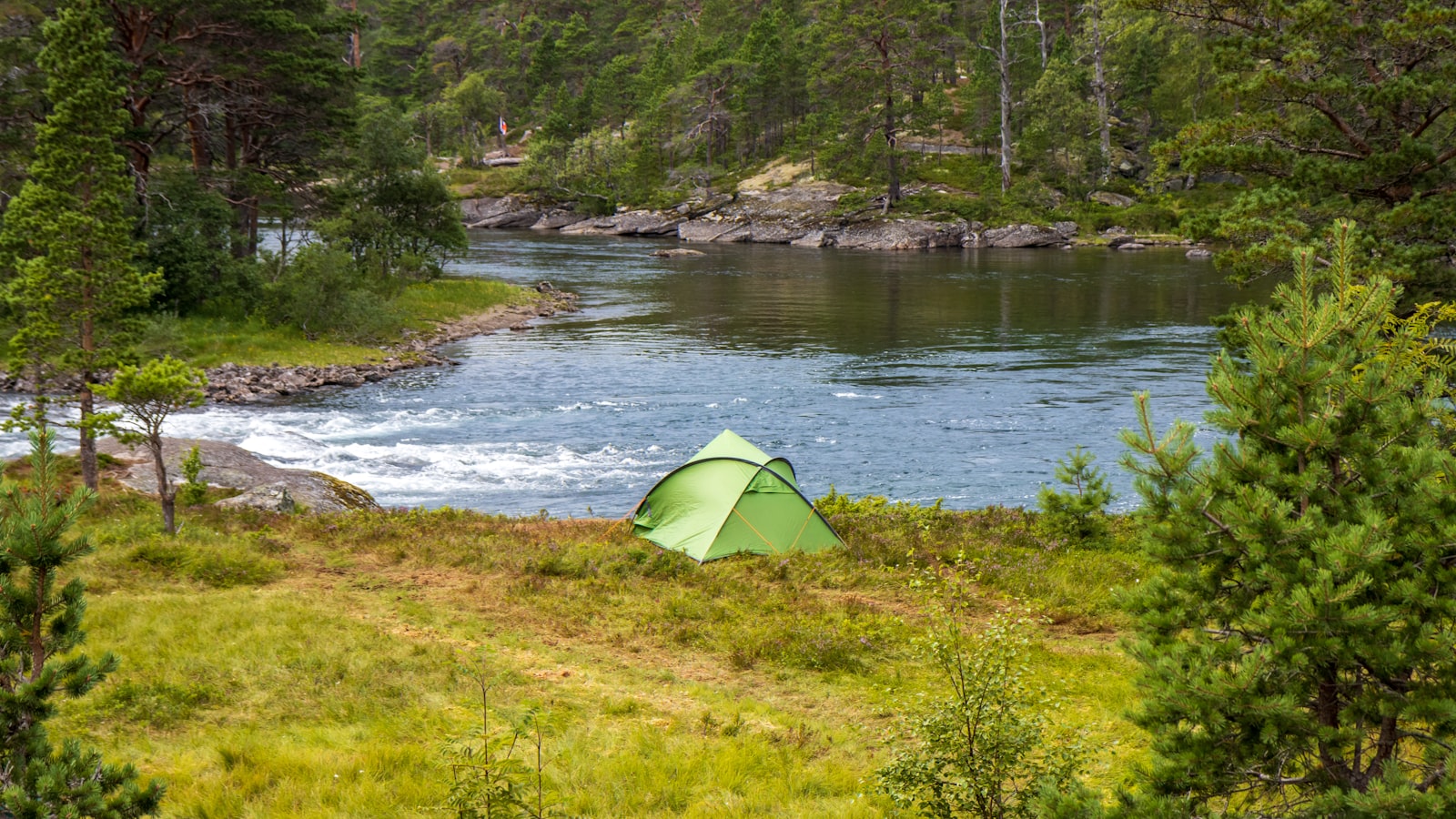
Dome tent
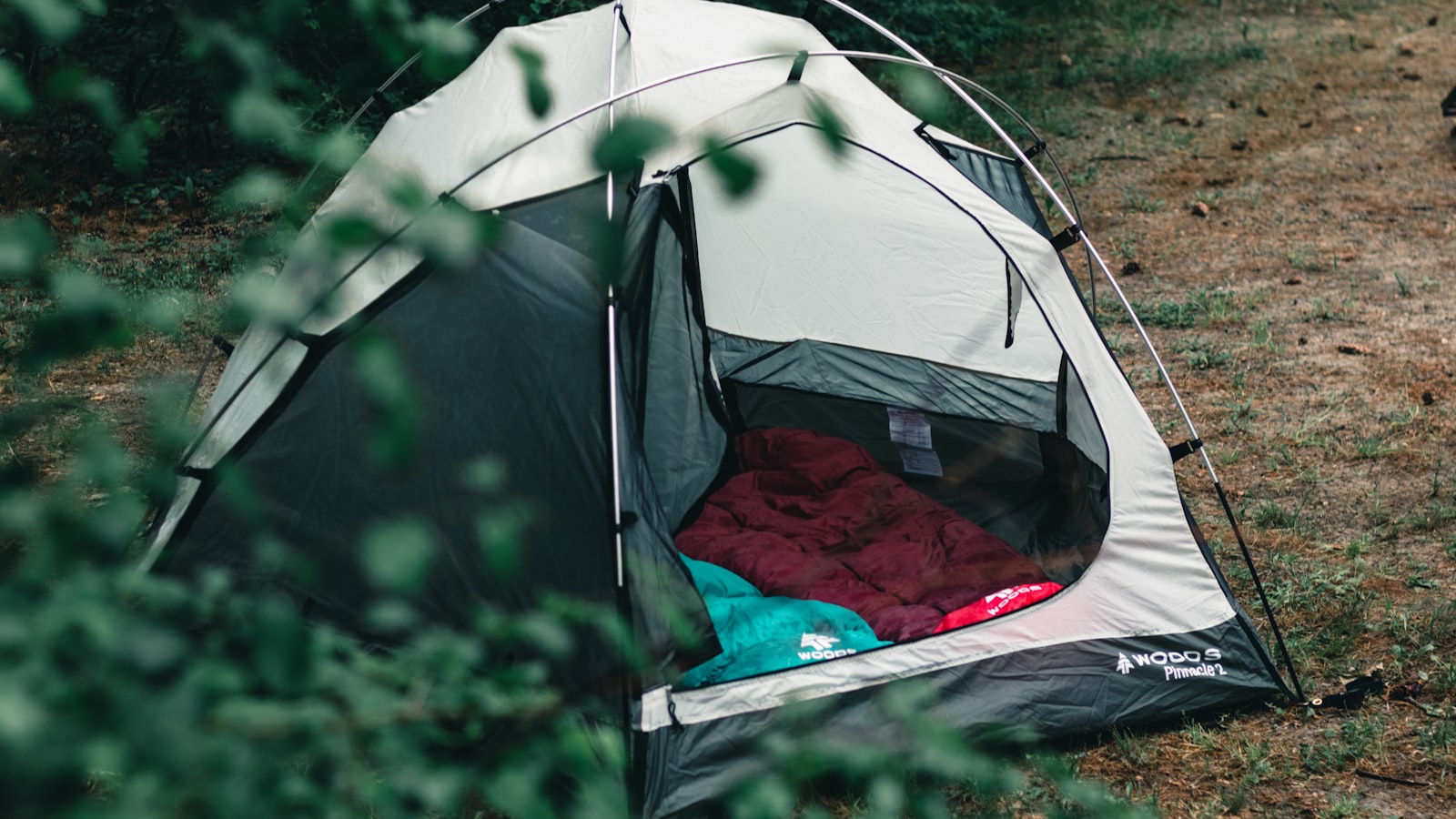
A free-standing three-season tent with two crossed poles. The all-rounder for the mountains, the garden and most things in between — good wind stability and roomy enough to be practical.
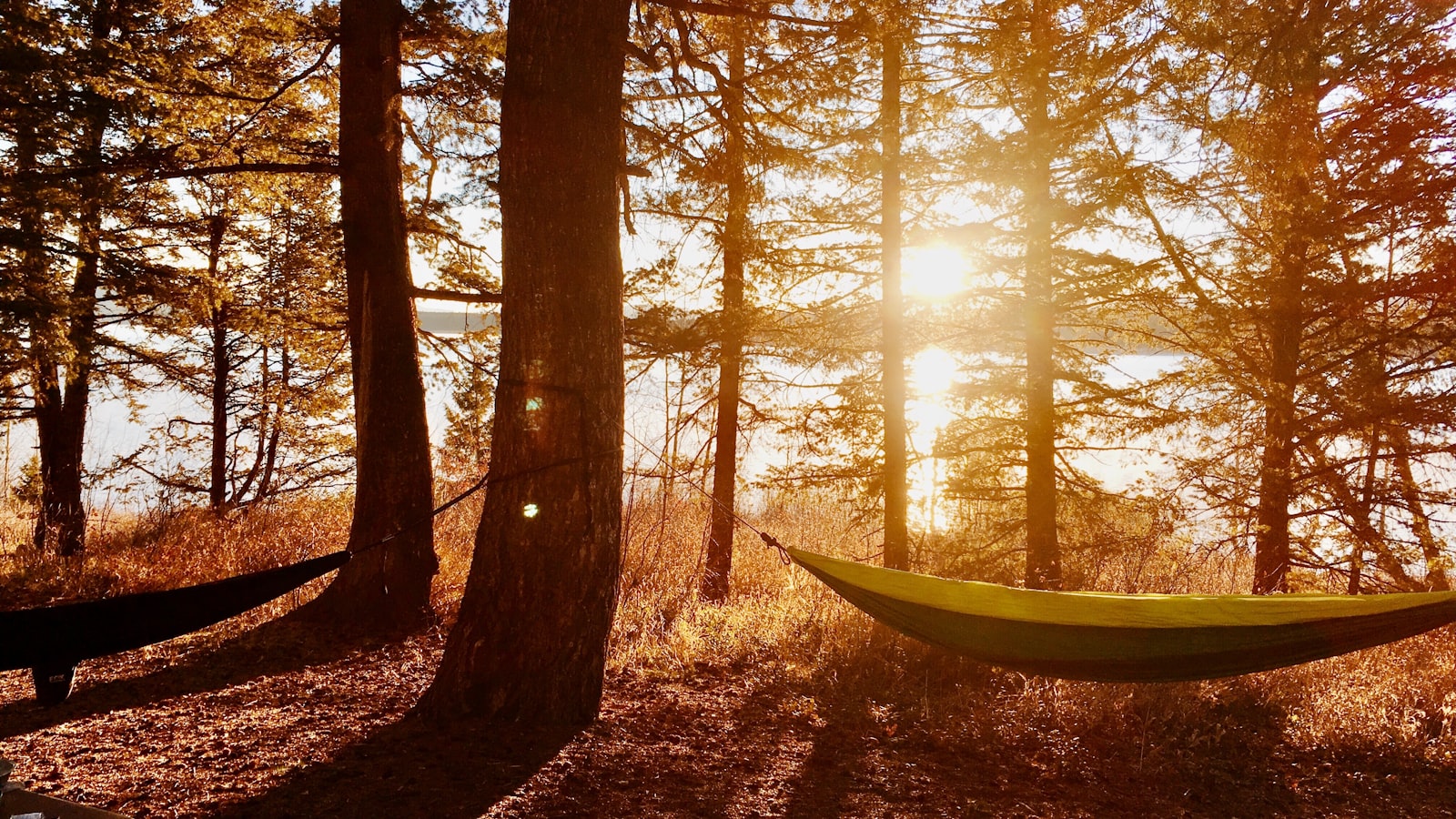
Hammock with mosquito net (tree tent)
Sleep in a hammock between two trees with a tarp and mosquito net overhead. Comfortable on uneven ground, but it needs trees — the use case is forest terrain, not the mountains above the treeline.
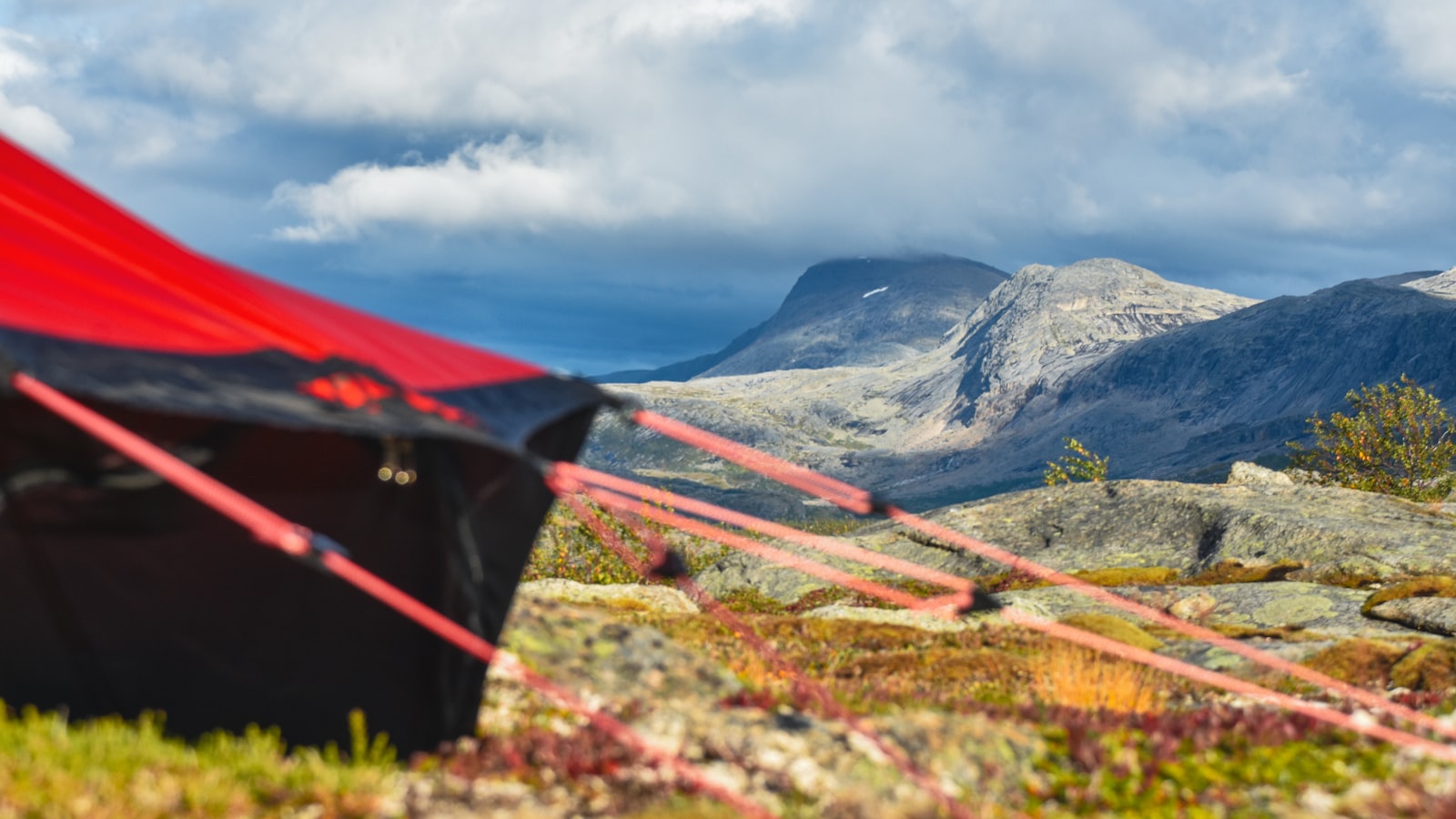
Mountain tents and expedition tents
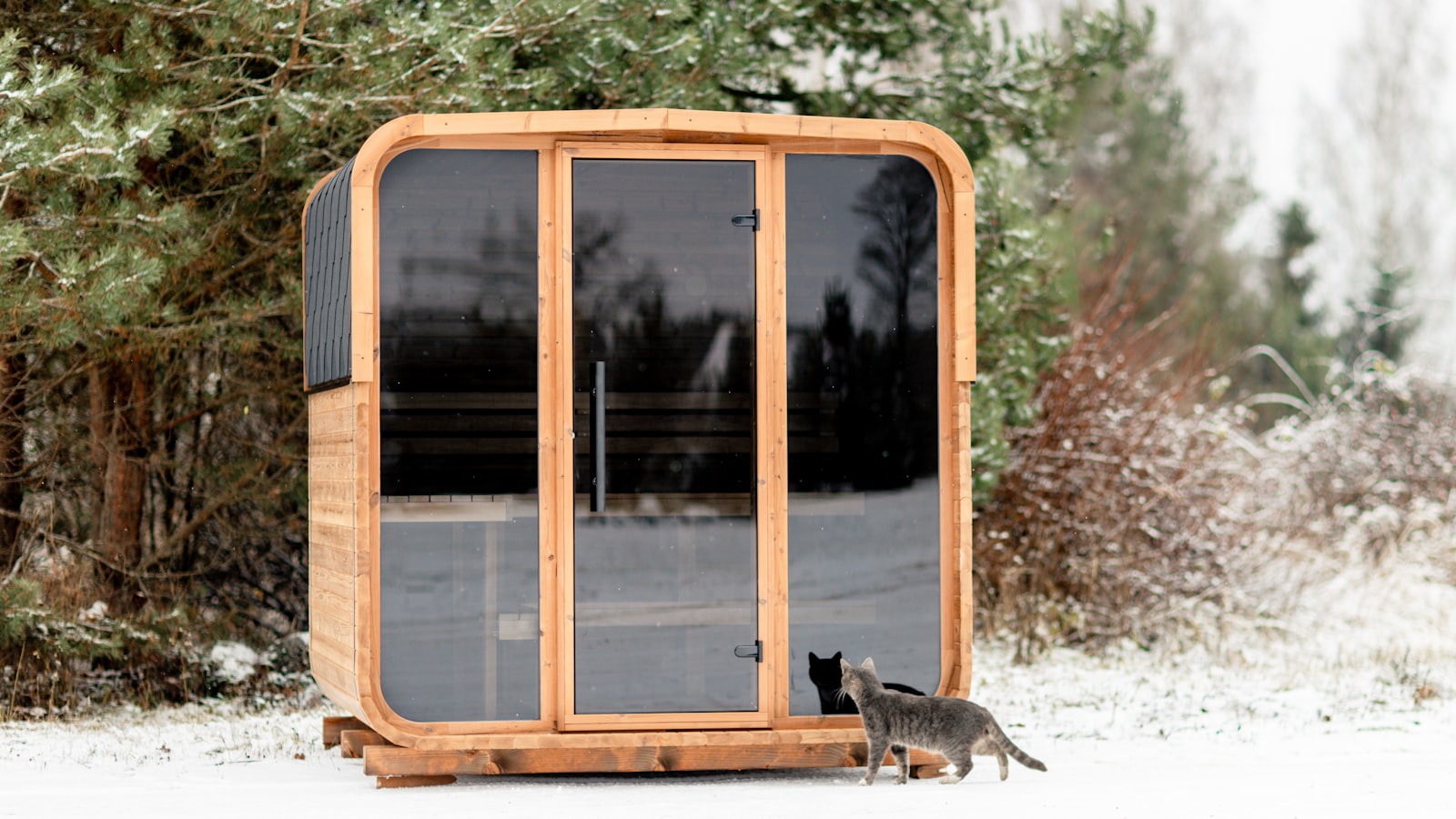
Four-season tents built for winter, the high mountains and expeditions. Heavier, more expensive and more robust than three-season tents — with snow valances, strong poles and minimal mesh.
Tarp tents and shelters
Minimalist overnight solutions: a tarp plus a mosquito net, or a pyramid shelter with a central pole. Low weight, demands skill — for the ultralight tradition and experienced summer trippers.
Tunnel tents
Parallel poles in series give the best space-to-weight ratio and good lengthwise orientation. Not free-standing and requires careful pitching — but the lightest option for a long tour when every gram counts.
Maintenance
Dry the tent completely before storage — a damp tent develops mould on the seams. Rinse with fresh water after exposure to the sea (salt breaks down PU coating and corrodes aluminium). Re-proofing is needed after 50–100 nights, once water no longer beads on the outside.
Maintenance of outdoor equipment → · Gluing holes and tears in tent fabric → · Replacing the shock cord in tent poles →
Next steps
- Tunnel tents — best space per gram for a long trip, but requires guying out
- Dome tents — freestanding and wind-stable from all directions
- Mountain tents and expedition tents — four-season for winter and exposed mountains
- Tarp tents and shelters — the ultralight end of the scale
- Tent and lavvo — using the tent: where you may make camp, and leave-no-trace travel
- What goes in the pack — where the tent fits into the overall packing
Learn more
Text: Snuitide (2026).