Gear
Power bank
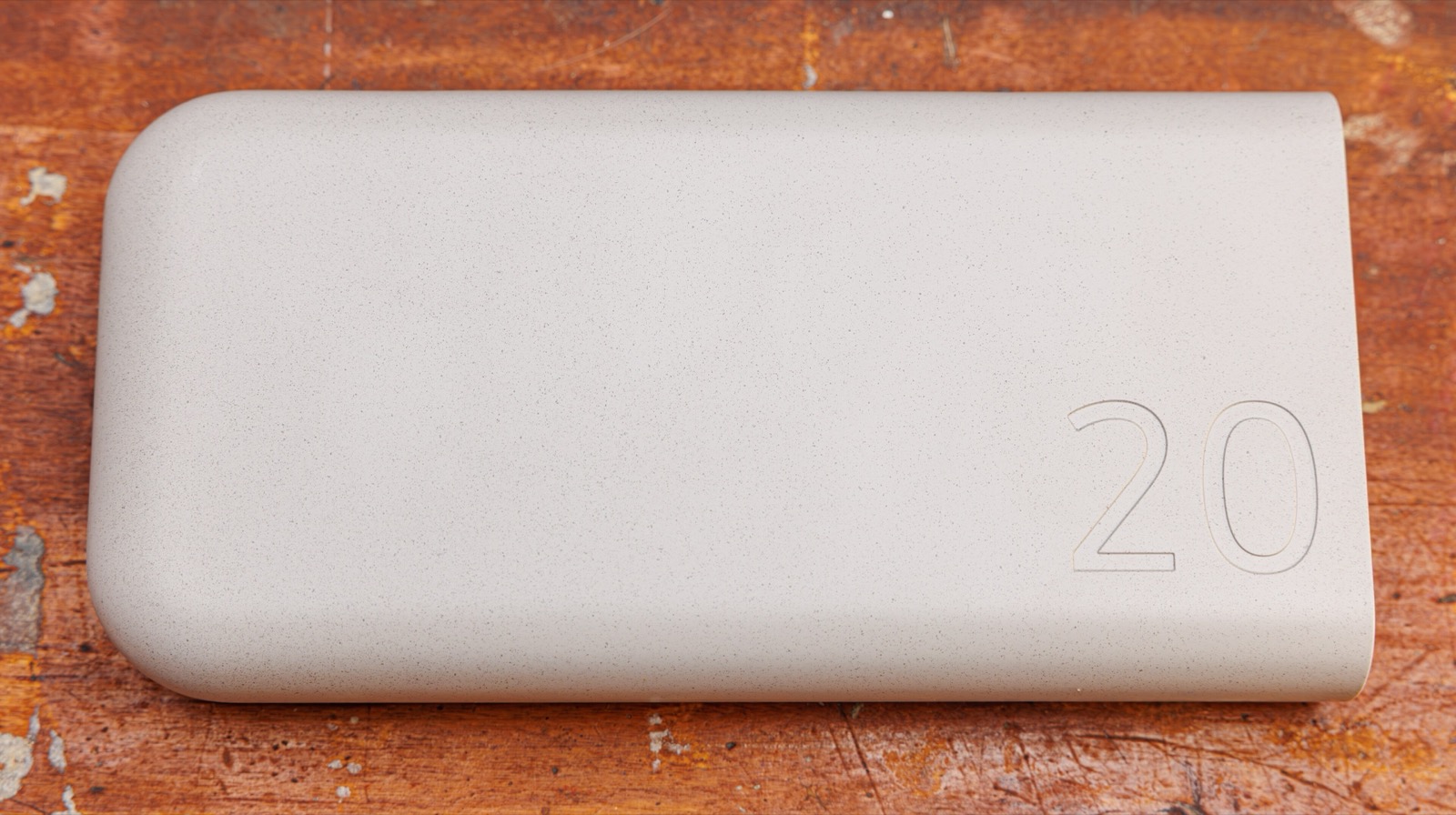
A spare battery for phone and head torch — capacity in mAh, weight-to-capacity, and why you should keep it warm in the cold.
A power bank (also called an external battery or portable charger) is a portable Li-ion battery with a USB output that you use to charge a phone, head torch, GPS, or other electronics on a trip. Weight: 100–500 g. Price: 200–800 kr. An almost mandatory piece of equipment on longer trips where the phone needs to remain usable.
Capacity — what do you need?
Measured in milliamp-hours (mAh). For reference:
- iPhone 14: 3,200 mAh battery
- Samsung Galaxy S23: 3,900 mAh battery
- Petzl Actic head torch: 1,250 mAh battery
- Garmin GPSMAP 66: 5,000 mAh battery
Rule of thumb for a trip:
- 5,000 mAh — one full phone charge plus a little margin. Day-trip backup.
- 10,000 mAh — two full phone charges. Weekend trip for one person.
- 20,000 mAh — four full phone charges, or shared between two. Longer trip.
- 30,000+ mAh — expedition, group, many devices.
For a typical Norwegian walking trip, 10,000 mAh is the sweet spot — weight 200–250 g, charges a phone 2–3 times.
Weight-to-capacity
Efficiency varies between brands. Rule of thumb:
- Good efficiency: 50–60 mAh per gram
- Standard: 40–50 mAh per gram
- Heavy/poor: under 40 mAh per gram
For a trip, prioritise models with good efficiency — Anker, Nitecore, RAVPower and Goal Zero have good trip models. Avoid super-thin “design” power banks that sacrifice capacity for looks.
Cold-weather behaviour
Li-ion batteries lose capacity in the cold:
- At 0 °C: ~20% capacity loss
- At −10 °C: ~30% capacity loss
- At −20 °C: ~50% capacity loss
Strategy:
- Keep the power bank in an inner pocket against your body heat on a winter trip
- Charge devices inside the sleeping bag — a warm device charges faster, and you save battery
- Charge the power bank fully before every trip — 80% is not enough in the cold
Input port and output port
The input port (charging the power bank itself) is typically USB-C or micro-USB. Check whether the power bank supports fast charging (Power Delivery, Quick Charge) — it can halve charging time at home.
The output port (charging devices) is typically USB-A or USB-C. Models with USB-C PD (Power Delivery) can charge a laptop and high-power phones quickly.
For a trip you normally need 2 output ports (phone + head torch at the same time) and at least USB-A or USB-C on the input side.
Solar panel — worth it?
For longer trips over several weeks (Hardangervidda north–south, a long Nordland trip, an expedition) a foldable solar cell may be worth considering. A 20-watt solar cell in good sun can charge a 10,000 mAh power bank in 6–8 hours.
For Norwegian weather the results are variable — cloud cover and low sun angles reduce output drastically. Less relevant during the polar night. For a summer mountain trip on a long holiday: perhaps. For a weekend or week-long trip: no.
Classic models
- Anker PowerCore 10000 — solid sweet-spot, ~190 g, 10,000 mAh
- Nitecore NB10000 — super-light, ~150 g, 10,000 mAh
- Goal Zero Flip 36 — robust cool-box model, 10,000 mAh
- RAVPower 26800 — plenty of capacity, 26,800 mAh, ~430 g
Packing
Pack it in a waterproof dry bag together with cables. Not directly with metal (keys, coins) — it can short-circuit.
In the cold — an inner pocket, not in the rucksack.
Maintenance
Charge to ~50–80% before longer storage (months), not fully and not empty. Check the battery indicator every 6 months and top it up if necessary.
Power banks typically have 500–1,000 full charge cycles before the capacity drops noticeably. After ~3–5 years of active use it is normal to replace one.
Text: Snuitide (2026).