Cooking on a trip
Porridge for breakfast, a cup of coffee or cocoa, hot soup for dinner, pancakes for supper. All of this requires some form of heating.
32 articles
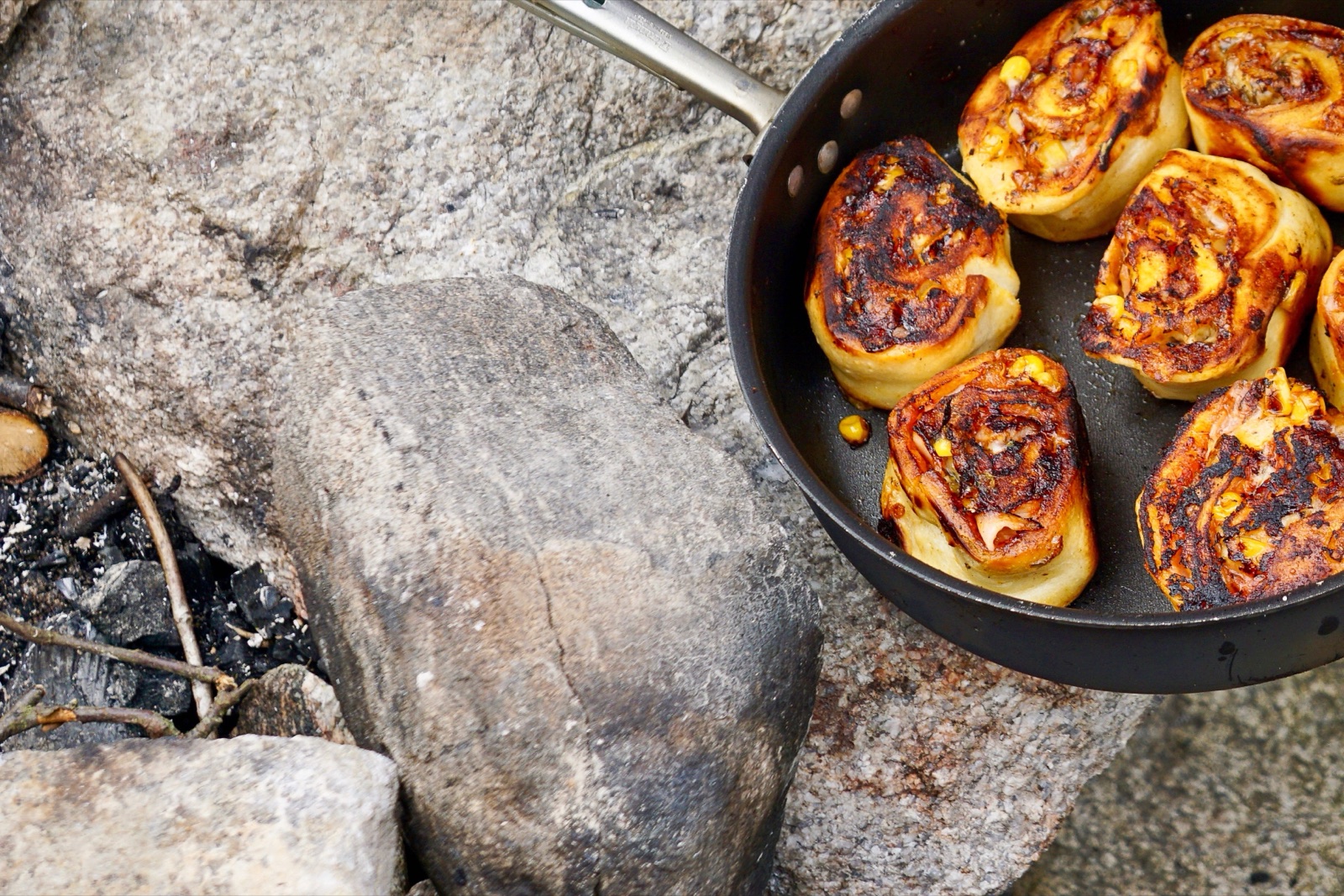
Good food on a tur matters a great deal for the experience. The body needs fuel to function, but a meal is more than fuel — it is a pause, company, and one of the few things on a tur that you almost always remember afterwards. A soft ice cream on the summit, bilberry pancakes over the fire, or just a cup of lukewarm cocoa in the mist.
On a tur the kitchen is different from at home. Fewer pans, more planning, and food that can sit a week in your pack without going off.
On a tur you burn +50 % more calories than at home — typically 3,000–4,000 kcal a day for an active day, up towards 6,000 with intense activity (a long ski tour, climbing, a winter tur). The breakdown:
You want to carry as little as possible for as much energy as possible. A comparison:
For a long tur, fat-dense food is the standard choice.
Trip provisions — packed per day →
Niste (sandwiches, crispbread, polarbrød with cheese/liver paste/cod roe) is still the most common thing on a day trip. On a mountain tur and longer trips you also see:
Food from nature — wild plants → · Food from nature — mushrooms →
Three main ways to prepare food:
Cooking on a tur → · Food over the fire →
On longer trips, and for those who want to be self-sufficient with their food calibration, dehydrating at home is a good skill. You can dry meat, stews, soups, fruit — and save half or more of the price of freeze-dried.
The Norwegian right to roam (allemannsrett) gives you the right to pick berries, mushrooms and some plants in utmark — as long as it is for your own use and you take care:
The right to roam does not apply to:
For mushrooms: learn one at a time, and use an app or a mushroom consultant when in doubt. Confusing them with poisonous species (fly agaric, destroying angel, among others) is deadly.
More on food from nature → · The historical use of useful plants →
We have a collection of tur recipes under the food category — from classic pancake batter to chanterelle stew, nettle soup, mushroom sauce, tortilla flatbreads and more. Use them as a starting point and adapt to what you find.
Related equipment: Cookware → · Cutlery → · Heat sources for cooking →
Tekst: Gina Wigestrand, Snuitide (2021), bearbeidet 2026.
Sentrale ressurser: Helsedirektoratet — kostholdsråd · Mattilsynet — sopp og bær · Norges sopp- og nyttevekstforbund
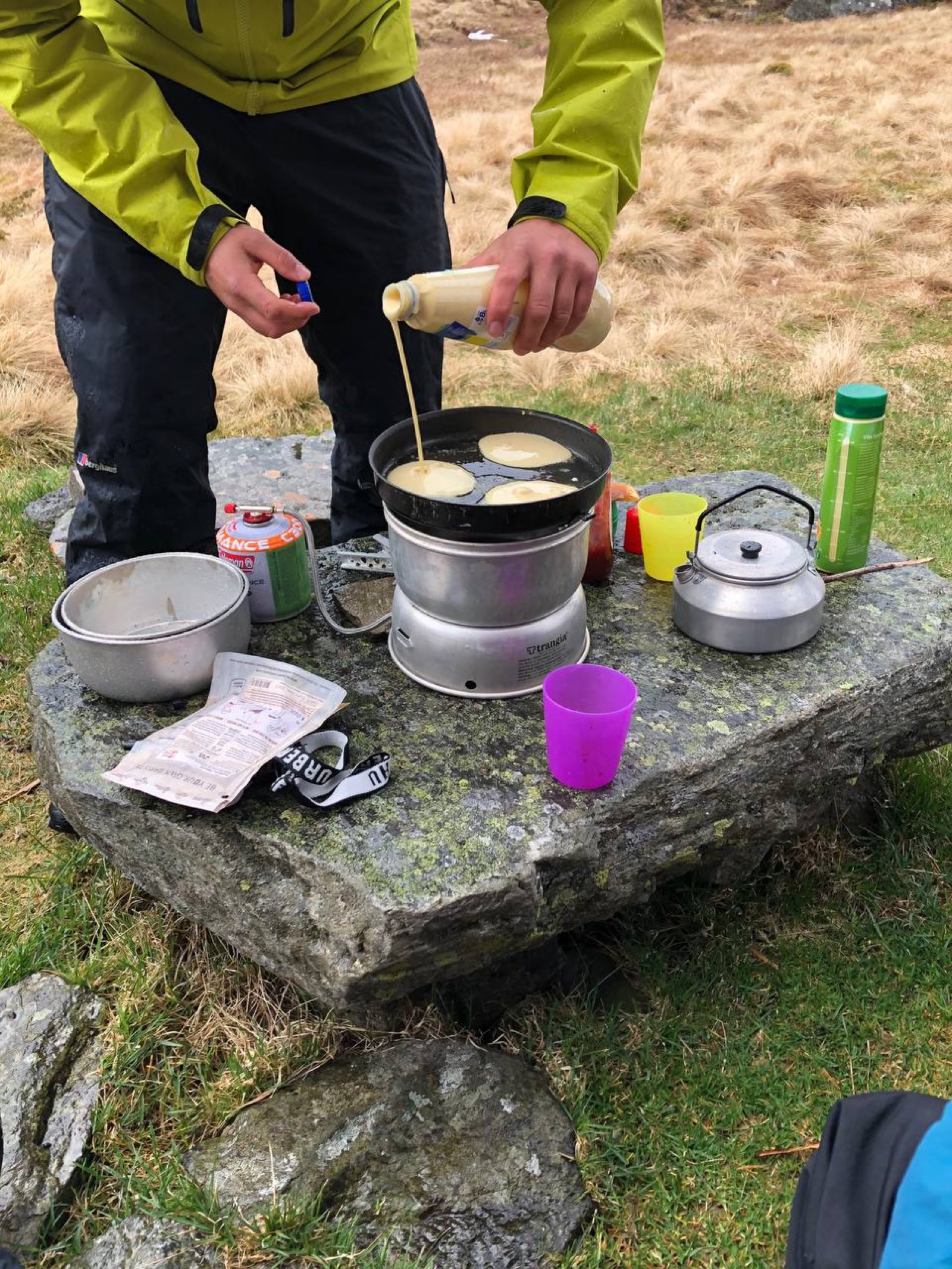
Porridge for breakfast, a cup of coffee or cocoa, hot soup for dinner, pancakes for supper. All of this requires some form of heating.
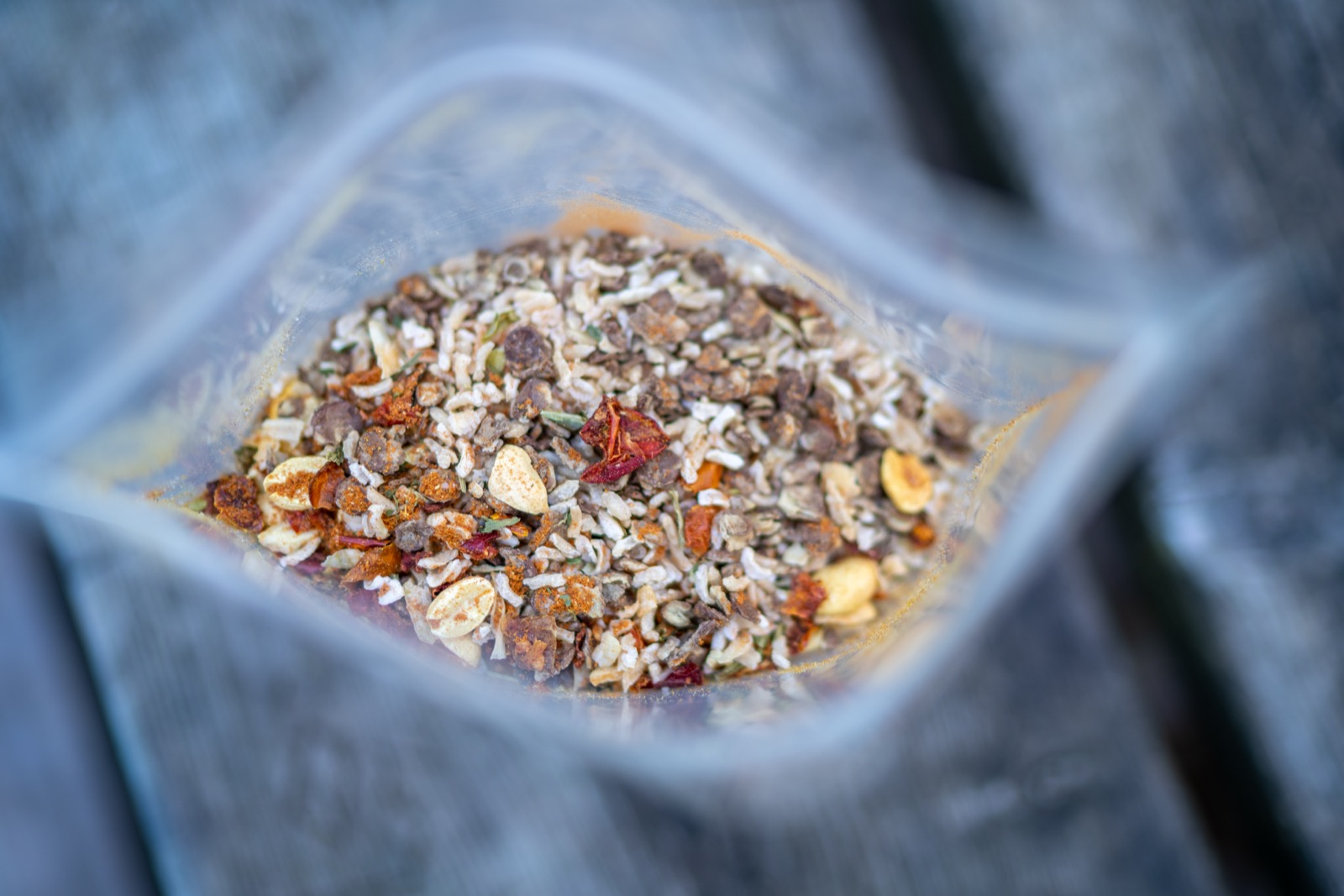
Trail food can be bought over the counter, but if you are heading out on a long trip, it is better and more economical to make and dry your own provisions.
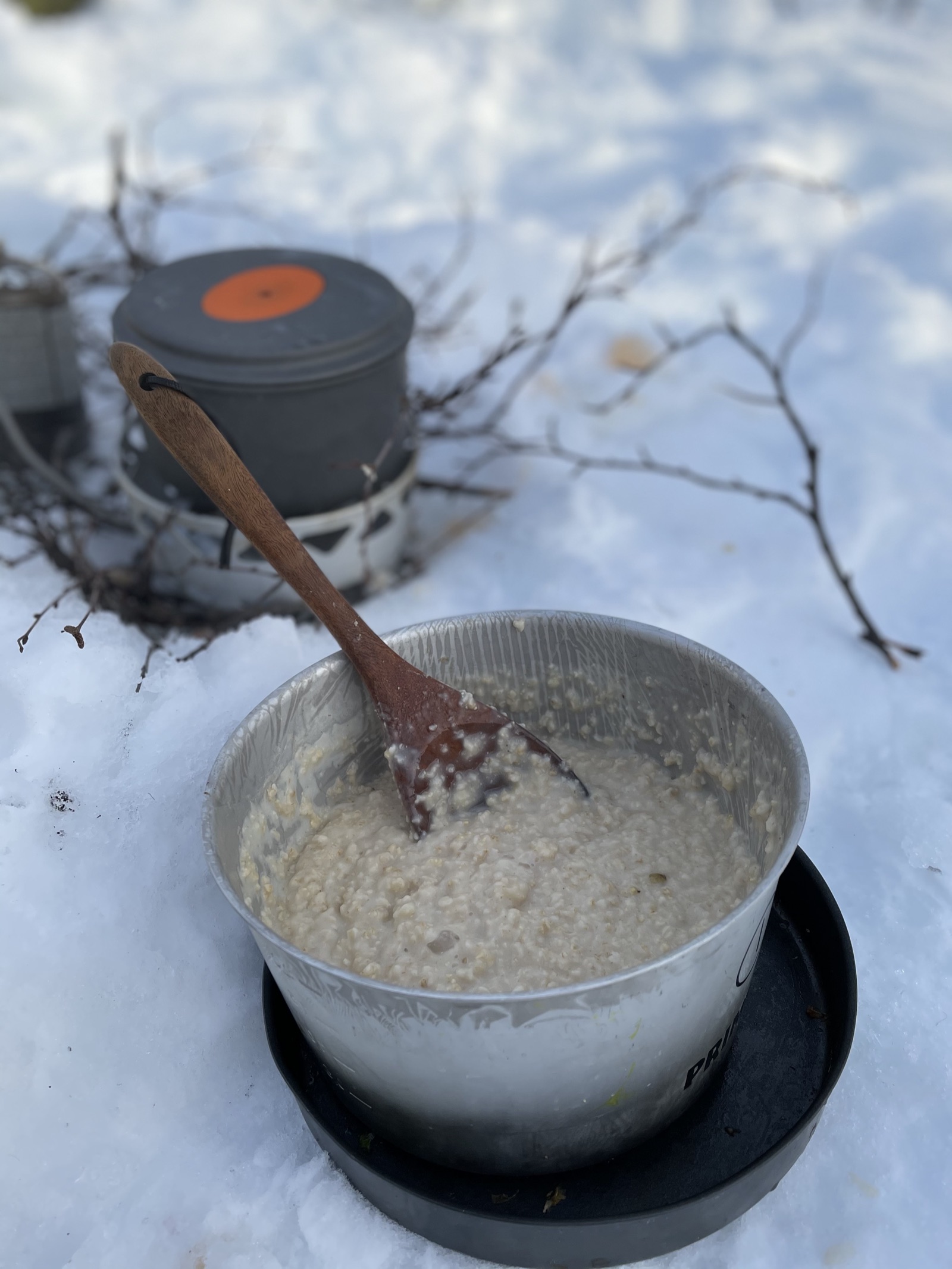
The body needs fuel in the same way a car does. The food we eat can be divided into the following nutrients: proteins, carbohydrates and fat.
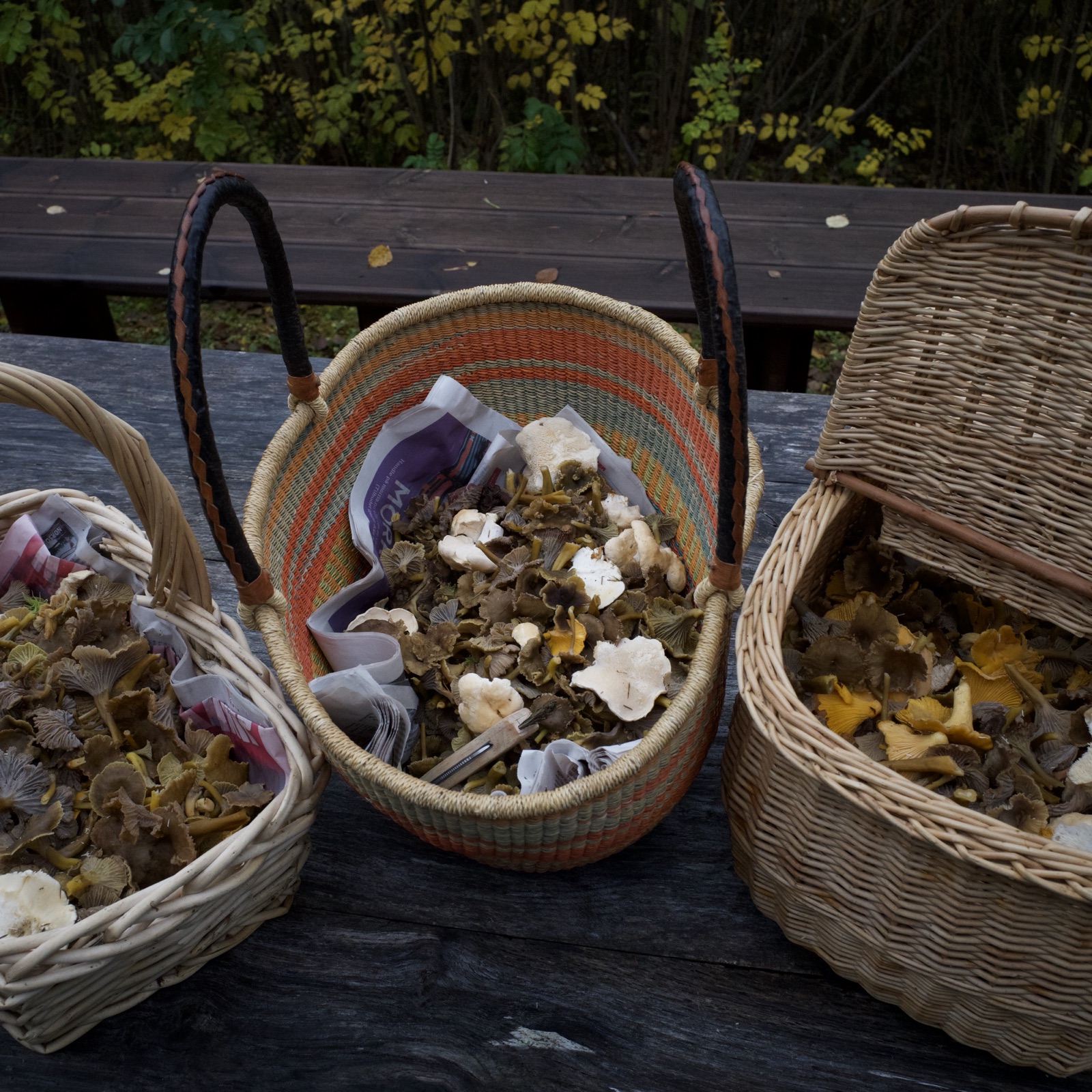
from the Norwegian Mycological and Foraging Association (Norges sopp- og nyttevekstforbund).
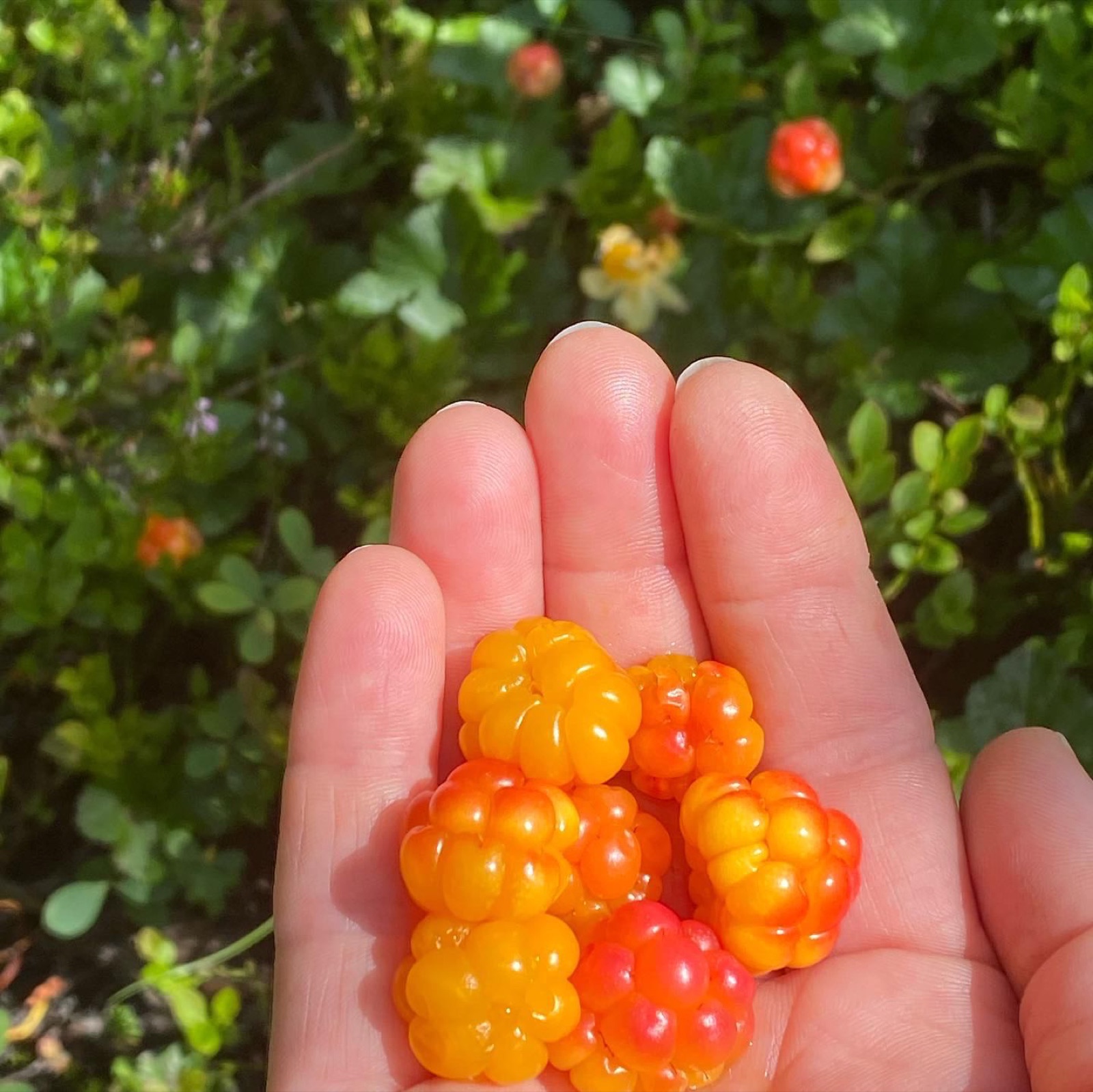
In the old days, wild plants were an important and necessary part of the diet. In hard times it may have been precisely this knowledge that kept people alive.…
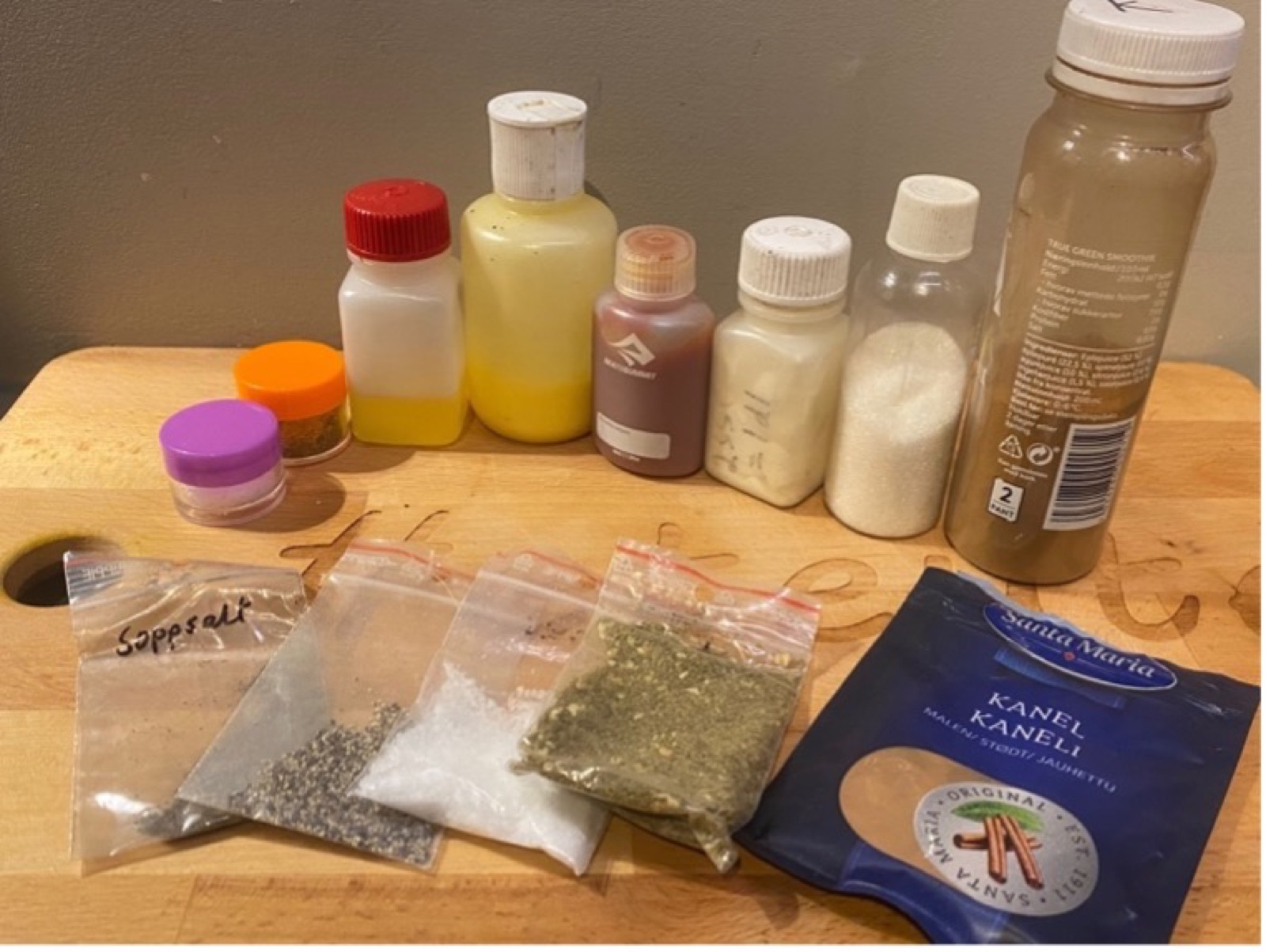
When you are going to cook outdoors you have to plan differently from at home. You cannot pop into the shop if you have forgotten something.
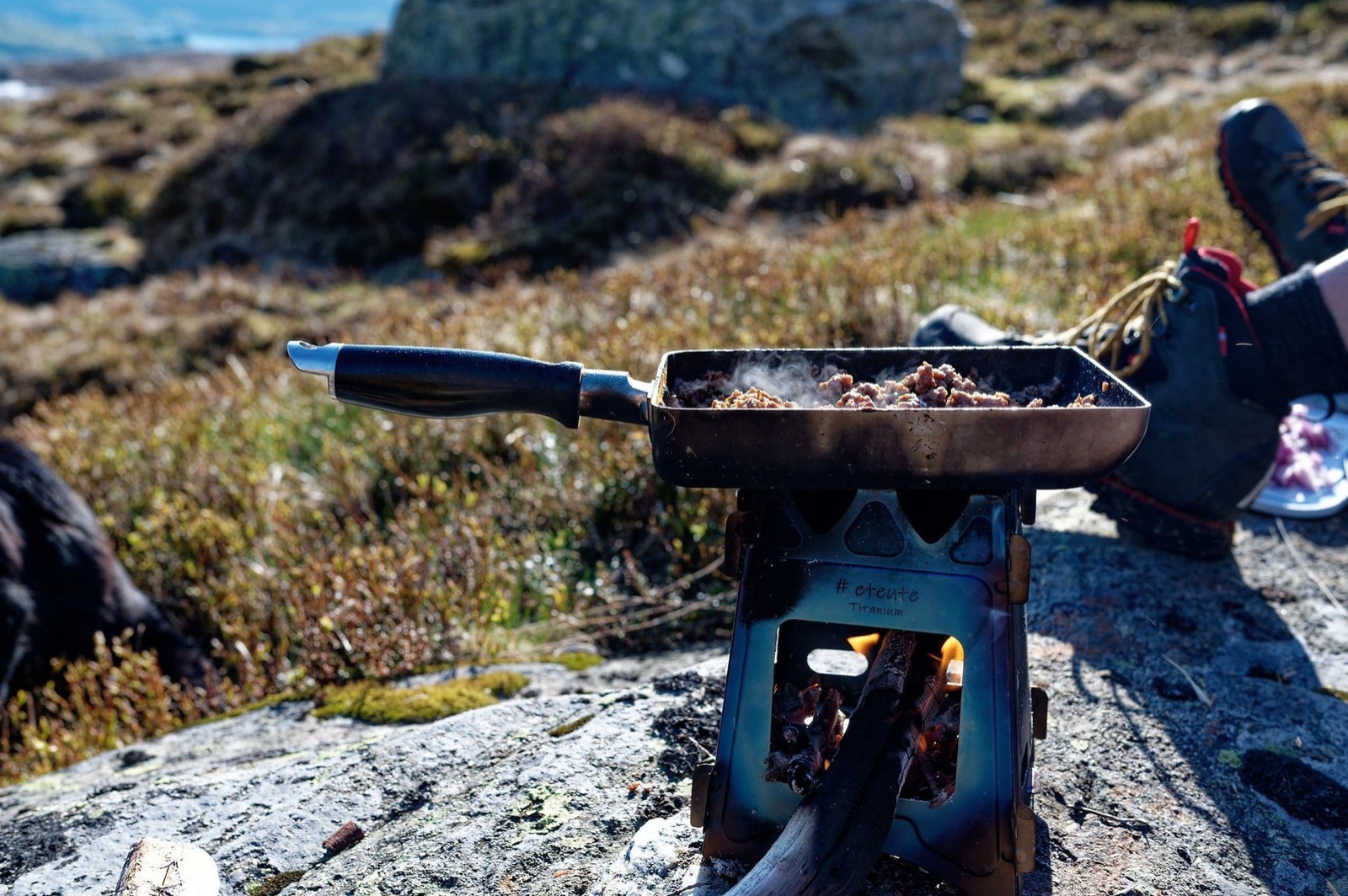
Many of our leafy vegetables, herbs and spice plants are often described as weeds, rabbit food and famine food.
25 entries