Food
The historical use of useful wild plants
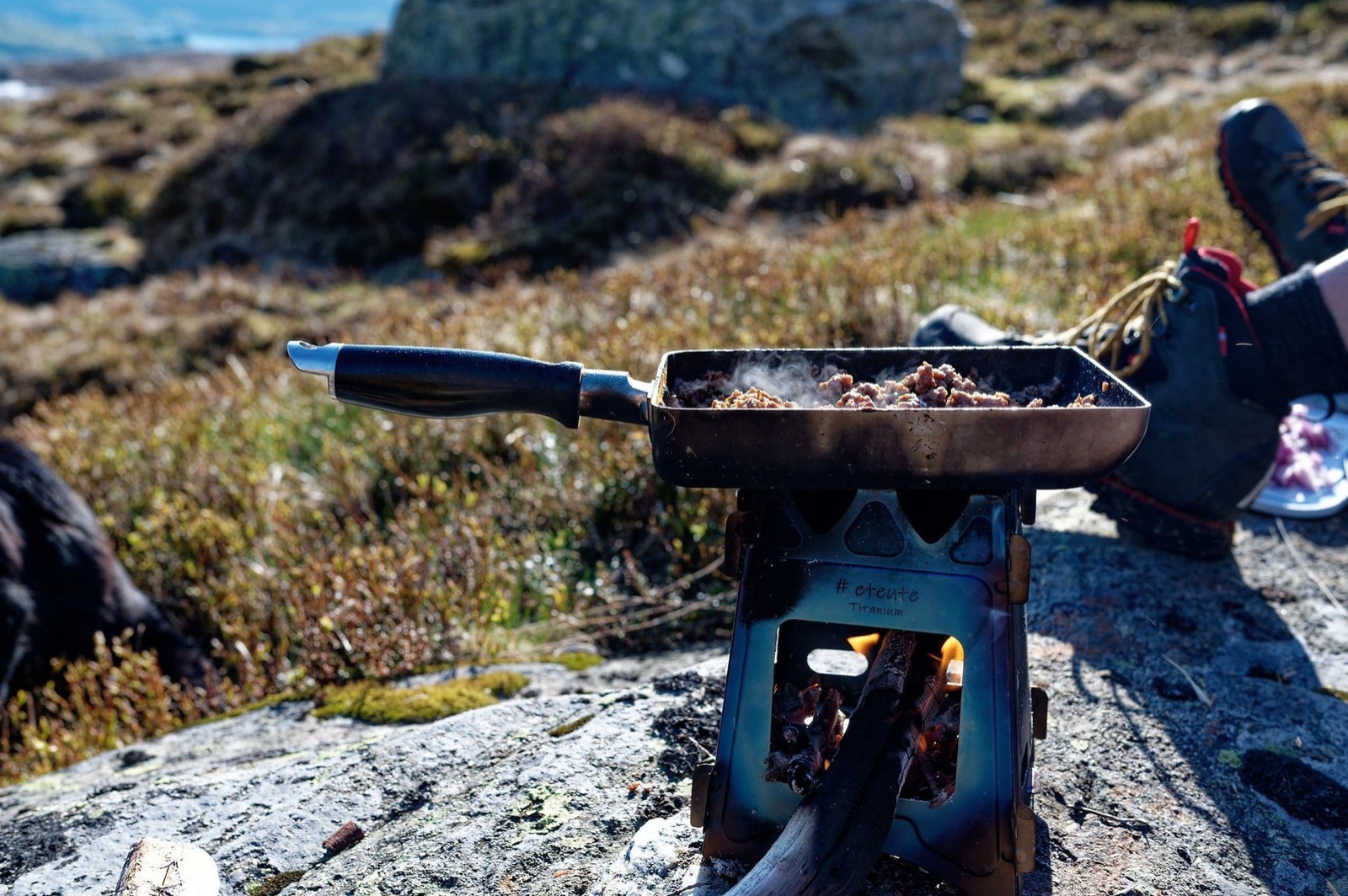
Many of our leafy vegetables, herbs and spice plants are often described as weeds, rabbit food and famine food.
Many of our leafy vegetables, herbs and spice plants are often described as weeds, rabbit food and famine food. The plants have also been used as animal fodder, and this creates a negativity around the use of the wild useful plants.
It is often in times of crisis, such as war and years of failed harvests, that people have used wild plants as food. This is probably one of the reasons the plants have gained such an undeservedly poor reputation.
 *
*
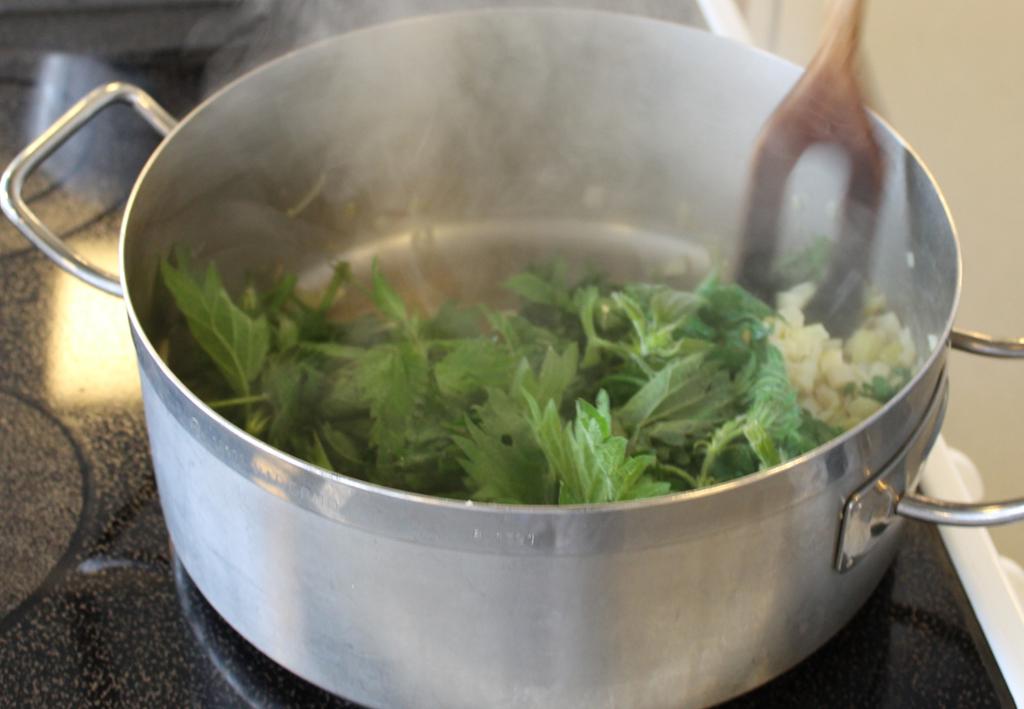
The nettle has been used as a source of nourishment far back in our history. Foto: Unni Kulhuset Granheim, CC BY-SA
Many of the wild herbs originally came from Europe
It was only in the period 1050–1537 CE that people in Norway began to use herb plants in earnest. Monks and nuns from countries further south in Europe brought with them seeds from herbs and plants and laid out monastery gardens. In this period many monasteries were established in Norway, and each monastery had its own herb garden. Several kinds of plant that grow wild in our flora today originate from the monastery garden.
Wild plants as a food supplement in hard times
During the war and in the post-war years, from 1914–1950, food supplies were poor in Norway. What could be gathered from nature was an important supplement in the household, and the knowledge from the 1700s was put to use once again. Bark, roots, leaves and seeds were ground up and added to flour to make it go further. Barley, chicory root and dandelion root were ground up and added to coffee or used on their own as a coffee substitute.
In 1941 the book Gratis mat av ville planter by Jens Holmboe was published. This book met a great need to learn how to use the resources in nature.
Up until the 1960s, wild useful plants were seen as a necessary addition to cooking.
Wild plants were part of the diet in the Iron Age
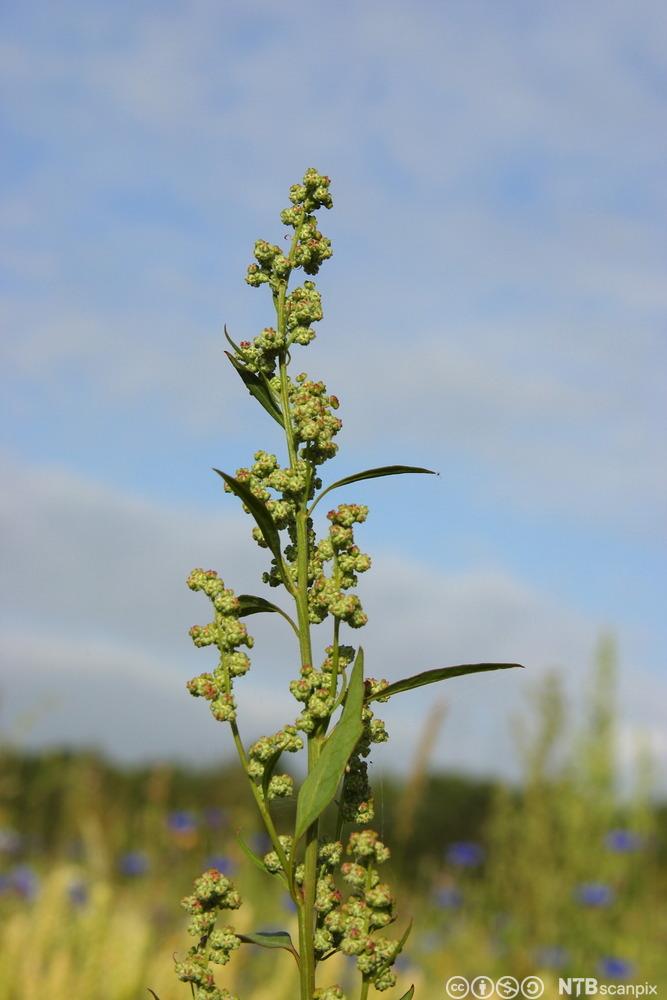
Crowberry, garden angelica, bogbean, stonecrop, common sorrel and a tea made from fresh pine buds were already being used in the 1500s to prevent outbreaks of scurvy. Several finds from the Iron Age show that herbs such as the nettle and fat hen were used as part of the diet. Fat hen was a nutritious herb that was ground up and added to porridge and bread doughs, and stinging nettle was used as a cabbage.
Spices were used to mask the fact that food was beginning to smell bad or taste different. Meat was a precious commodity, and it was important to keep food for as long as possible. Spoiled food was therefore spiced so that it became edible.
People often added spices to beer to conceal that the brewing had not been successful. Spices and herbs were also added to spirits to soften and hide the strong taste. Since spirits were used as medicine, the addition of spices and herbs became important to get patients to swallow it.
 *
*
Fat hen was a nutritious herb that was ground up and added to porridge and bread doughs. Foto: Karsten Schnack, NTB Scanpix, CC BY-NC-SA
The history of useful plants from Europe
It was the Greeks and other peoples around the Mediterranean who first began to use useful plants in earnest. The Phoenicians dominated the Mediterranean region from around 1200 BCE, and this seafaring people brought back many plants from their voyages. The port city of Tyre became a hub for the trade in spices, and in this way the Greeks gained insight into the use of the medicinal plants. The Greeks began to record plants and to write down what they could be used for, and it was the medicinal effect they were interested in. In time the Greeks discovered the plants’ good taste and began to use them in food.
 *
*
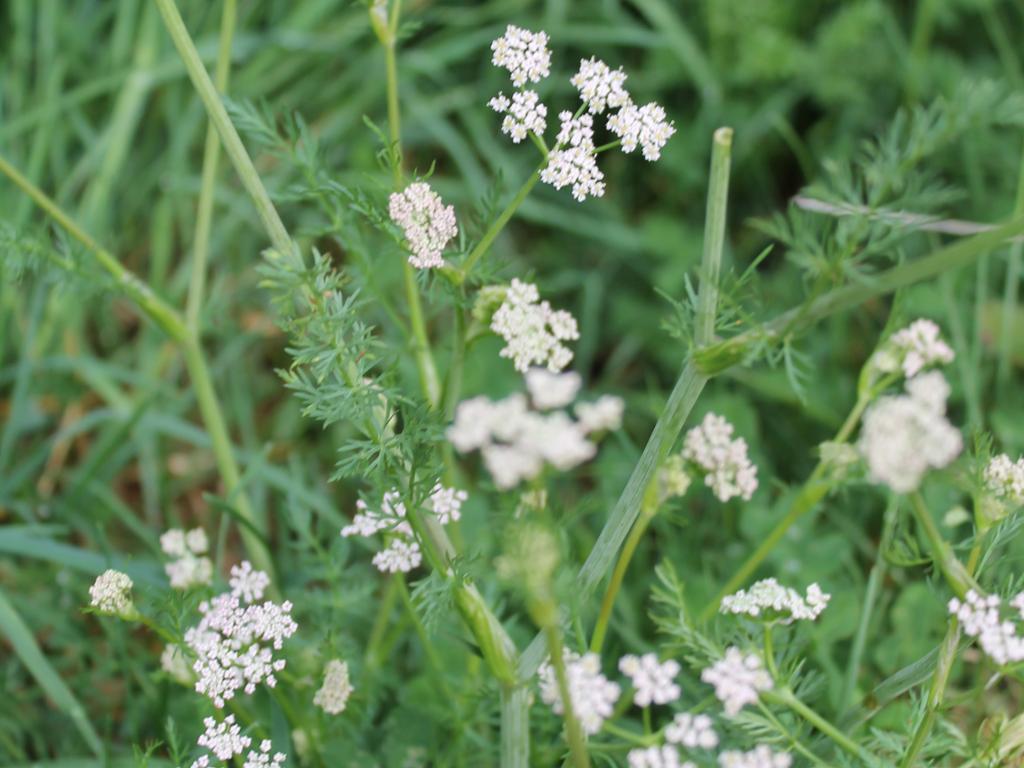
Caraway can be confused with yarrow and cow parsley. Once you become familiar with the herb, it is easy to recognise. Foto: Unni Kulhuset Granheim, CC BY-SA
The note to remember
Wild plants have been an important resource for us humans since the dawn of time. Before it became common to cultivate the soil, people were gatherers and hunters, and they lived off what nature gave them.
Next steps
- Food from nature — wild plants — practical harvesting
- Food from nature — mushrooms — practical harvesting
- Traditional friluftsliv — cultural framing
- Foraging — activity hub
Learn more
- Mattilsynet — drinking water and hygiene — food safety outdoors
- The Norwegian Directorate of Health — dietary advice — nutrition
- Sopp- og Nyttevekstforbundet — mushrooms and wild plants
- DNT — trail food — recipes and tips
Text
Unni Kulhuset Granheim, Hege Resell Amdahl, Cathrine Stavnes og Martin Sveen (2020), NDLA. (CC BY-SA)