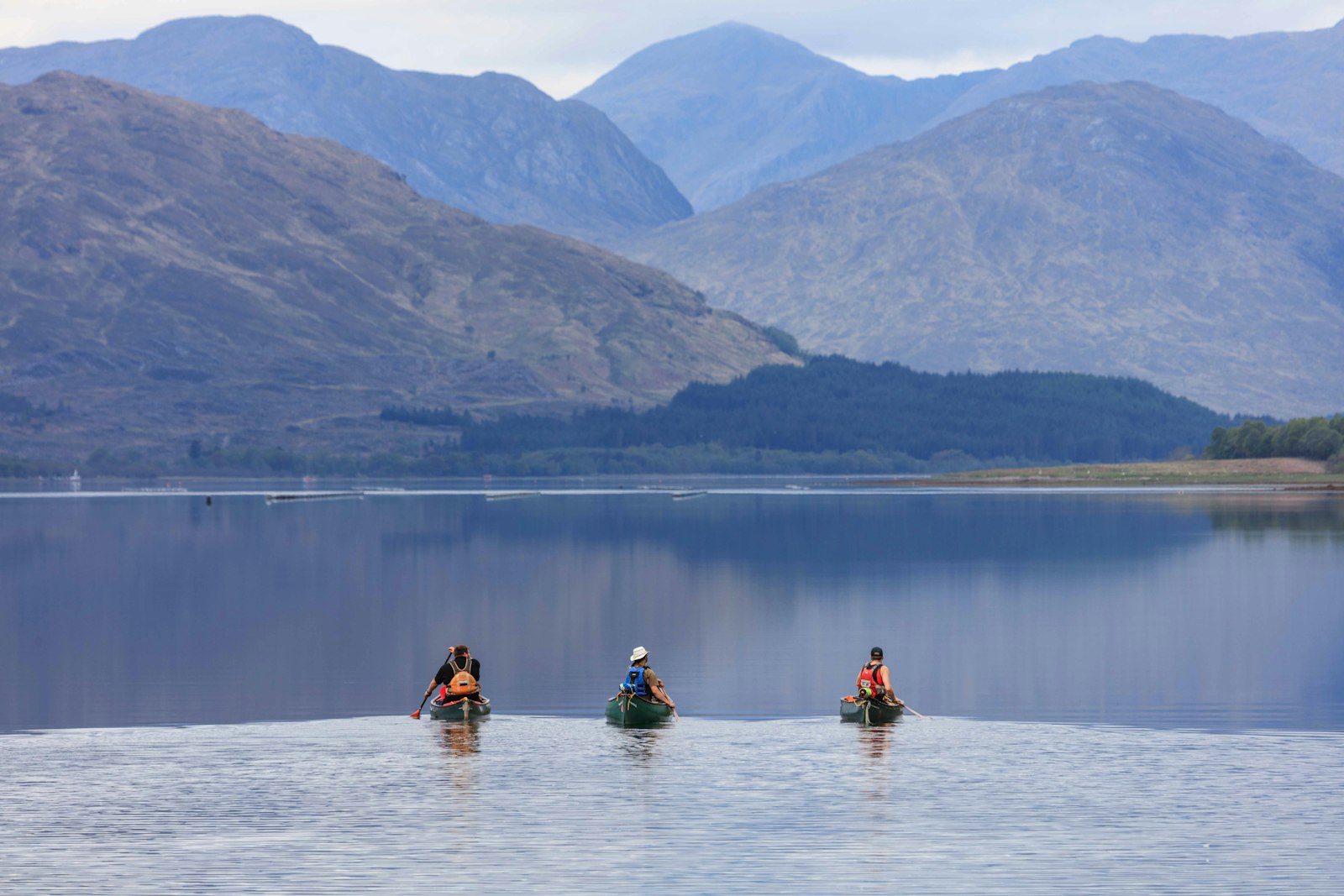
Norway has a geography that seems made for paddling. A hundred thousand kilometres of coastline, more than two hundred thousand lakes, fjords that cut deep into the country, and rivers that run through every kind of landscape from the high plateau to the coast. Even so, paddling long stood in the shadow of walking and skiing in the broad outdoor consciousness. That changed in the 2000s, when rotomoulded plastic kayaks made the sea kayak affordable enough to become mainstream — and then came the SUP wave around 2010 and the packraft from roughly 2015. Today about a quarter of the population has tried paddling, and participation is growing faster than for most other outdoor activities.
Paddling is an umbrella term covering five clearly distinct sub-disciplines — sea kayaking, river paddling, canoeing, SUP and packrafting. Each has its own equipment, its own vocabulary and its own risk profile. What they share is that Norwegian waters are cold enough that building skill is not optional but a precondition.
The sub-disciplines
Paddling is an umbrella term covering several different activities with substantially different equipment, technique and competence requirements. The point is not to master them all — people specialise, and the knowledge is rarely directly transferable between them. The main branches are:
Sea kayaking is the dominant discipline in Norway measured by reach and infrastructure. Long, slender kayaks for coastal paddling and open water. It calls for sea-sense (sjøvettkunnskap), the ability to read wind and waves, and, critically, command of rescue techniques for cold water.
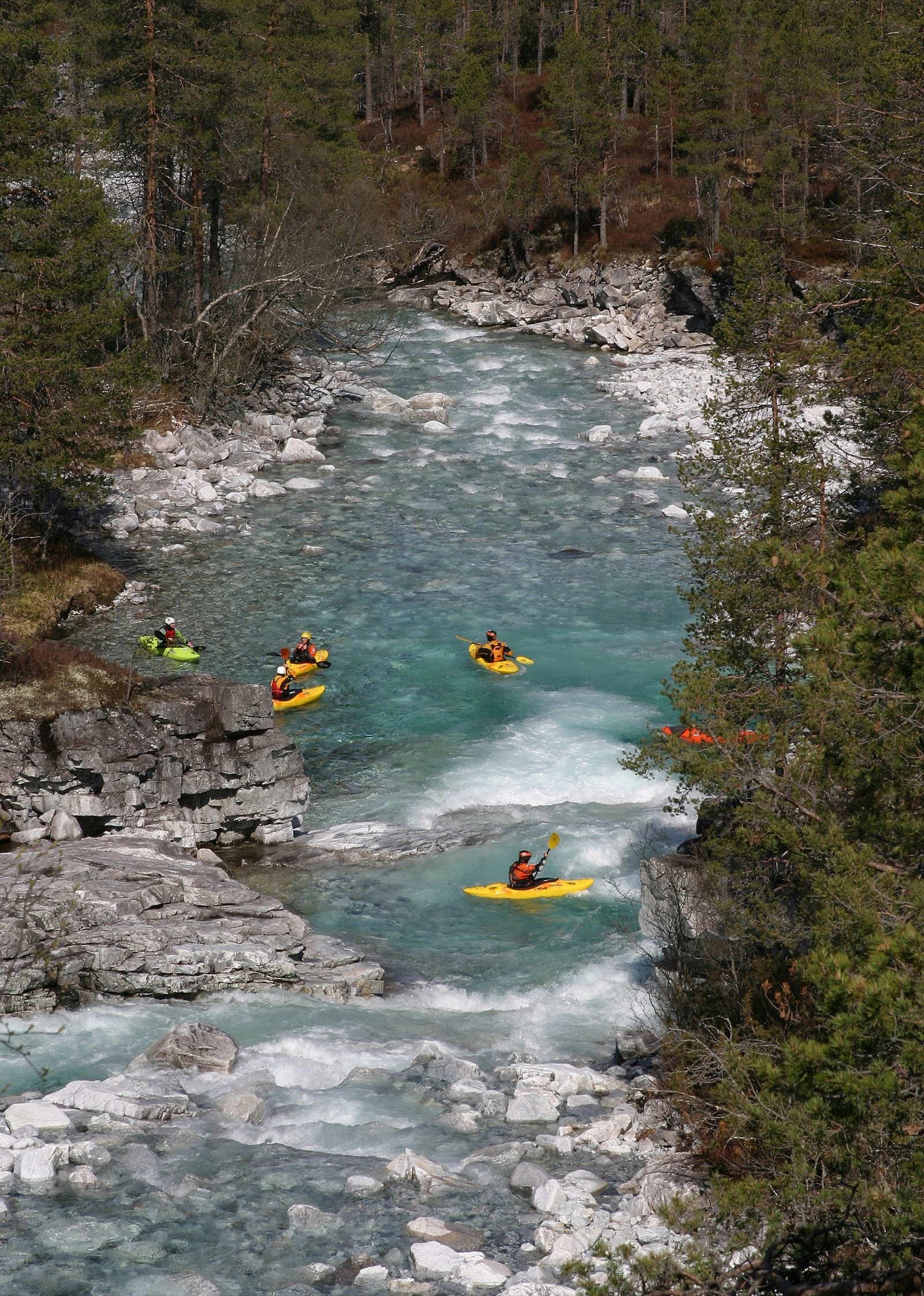
River paddling uses shorter, rockered kayaks for rapids and moving water. A world of its own with its own vocabulary: rapid grades (class I to VI), strainers, underwater obstructions, the eddy line. It calls for rolling technique and specific knowledge of current.
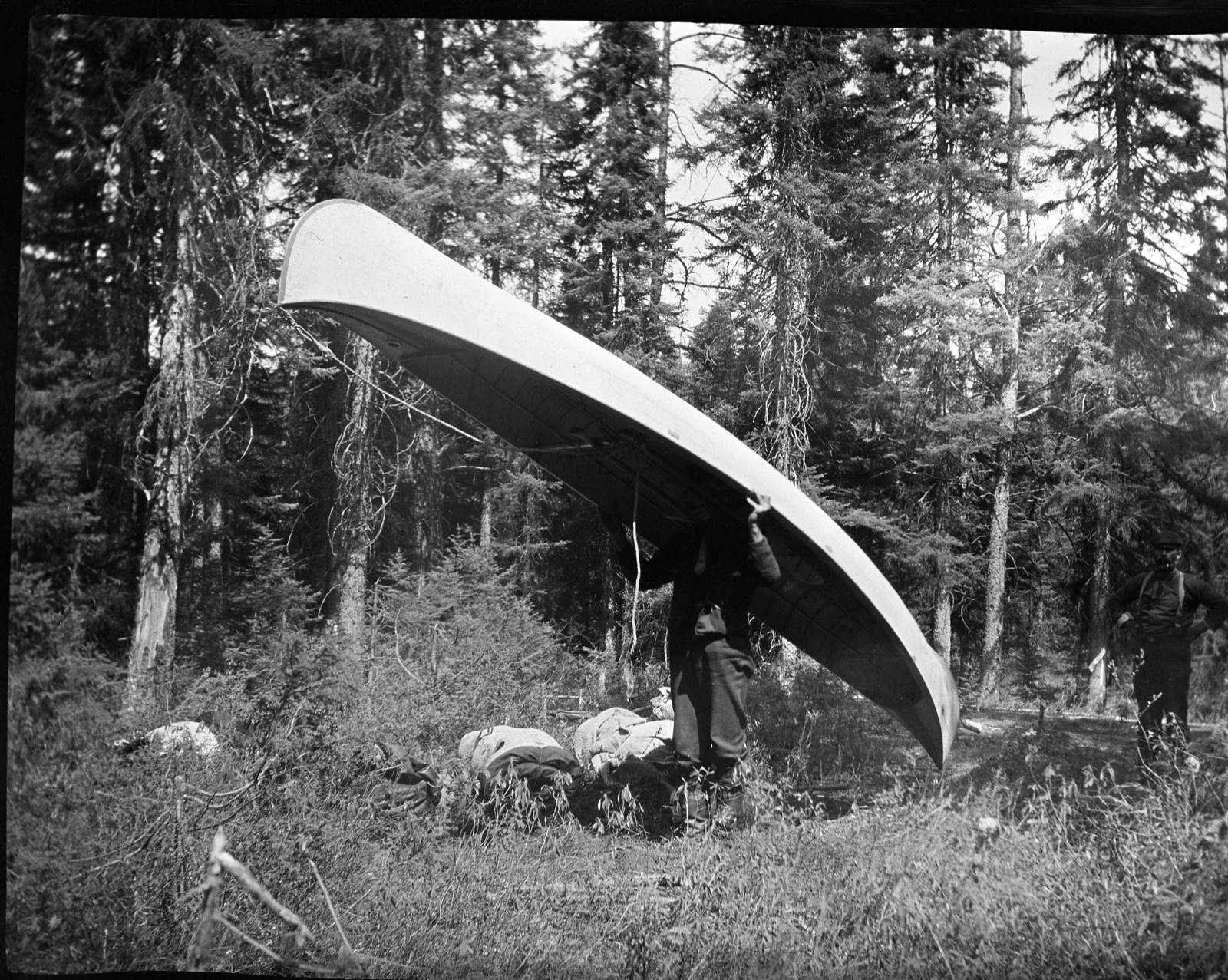
Canoeing uses an open craft — what most people think of as the ‘Canadian canoe’. For lakes, calm rivers and family outings. The simplest paddling activity to start with, and one of the most flexible: a canoe carries gear and people in a way a kayak simply cannot.
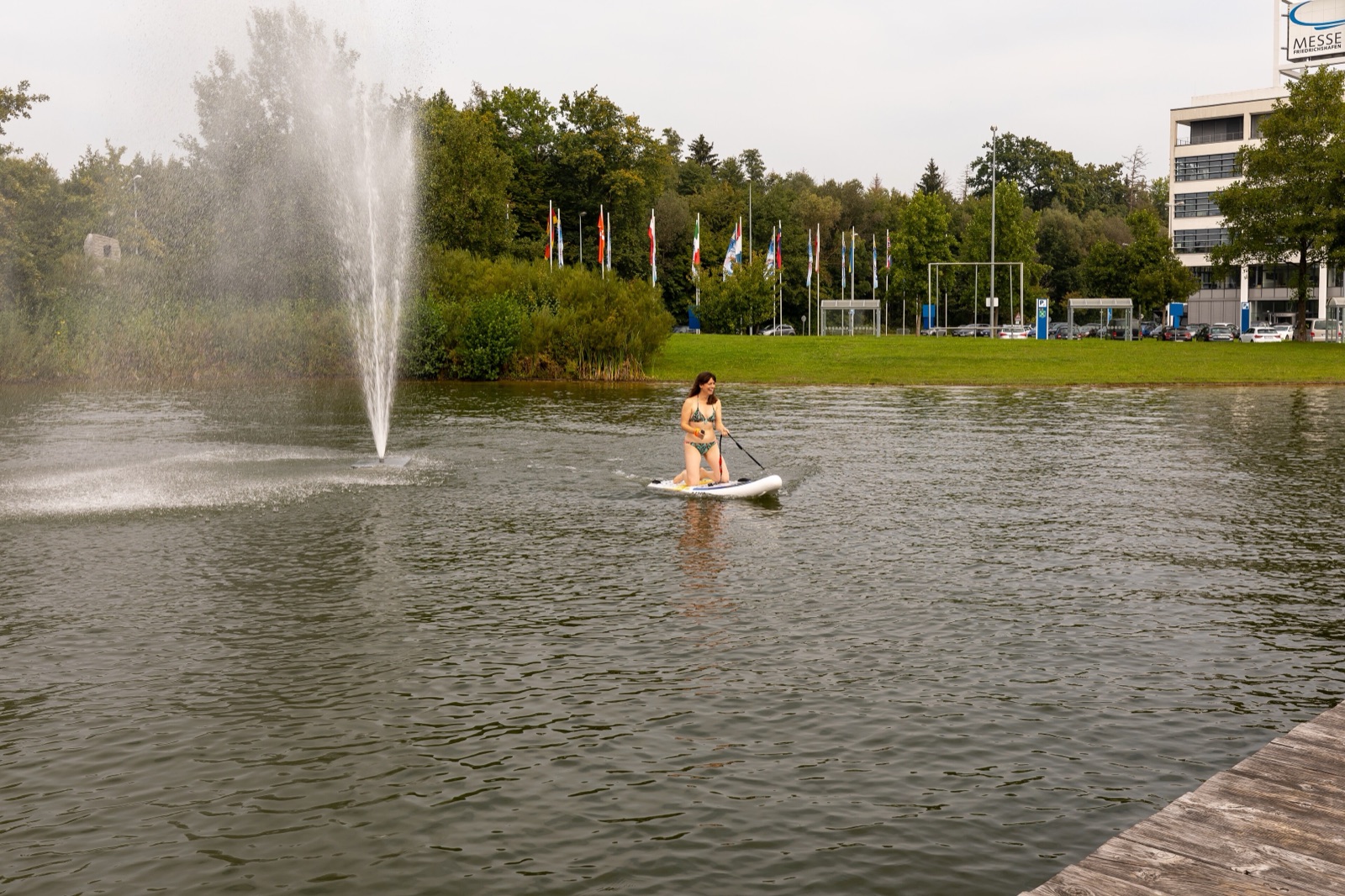
SUP (stand-up paddleboard) is the youngest main segment. A low threshold to start, but it can turn serious in wind and cold water. SUPs have also been used for long coastal trips — it is not a ‘light version’ of paddling, it is a discipline in its own right.
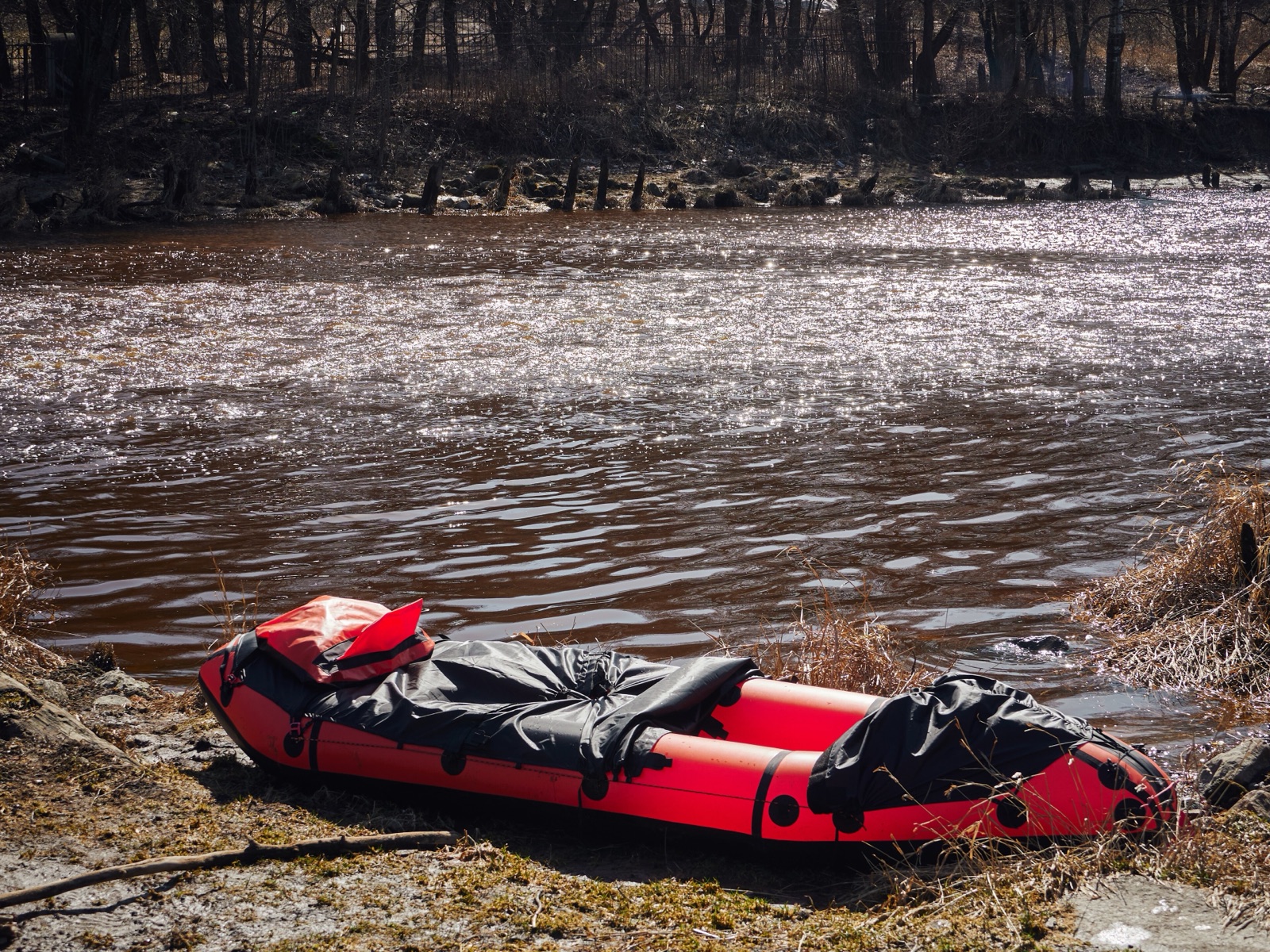
Packrafting is the newest addition to the Norwegian paddling scene. Inflatable, foldable, it packs down into a rucksack. It opens up combination trips that were not possible before: walk across Hardangervidda, then paddle out. Demanding in its own way, because you tend to paddle in unfamiliar terrain far from help.
Roots and the situation today
Norges Padleforbund (NPF) was founded in 1934 (originally as Norges Kajakkforbund) and has long been one of the smaller federations under Norges Idrettsforbund — even though unorganised paddling activity outside the clubs is extensive. Its most important organisational contribution is the Våttkort system, launched in the spring of 2006, which has become the de facto certification standard for paddling in Norway. As of 2023, around 210,000 Våttkort had been issued.
The background to Våttkort was a serious one: a series of accidents, particularly among foreign paddling tourists on Norwegian rivers, led the community itself to take the initiative to build a coherent progression of competence. It is a typically Norwegian model — not state regulation, but a voluntary progression that is nonetheless broadly accepted as the standard.
Paddling activity in Norway is not static. The sea-kayak boom around the year 2000 opened the coast to a new generation. The SUP wave around 2010 sharply lowered the threshold for lake paddling. Over the past five to ten years the packraft has tied paddling and mountain sport together in an entirely new way. Today paddling is growing strongly, and many municipalities have built out launch sites, parking and simple hire arrangements to make the activity more accessible.
Where in Norway
Norway’s paddling geography is almost unfairly good. The most important areas for each main discipline:
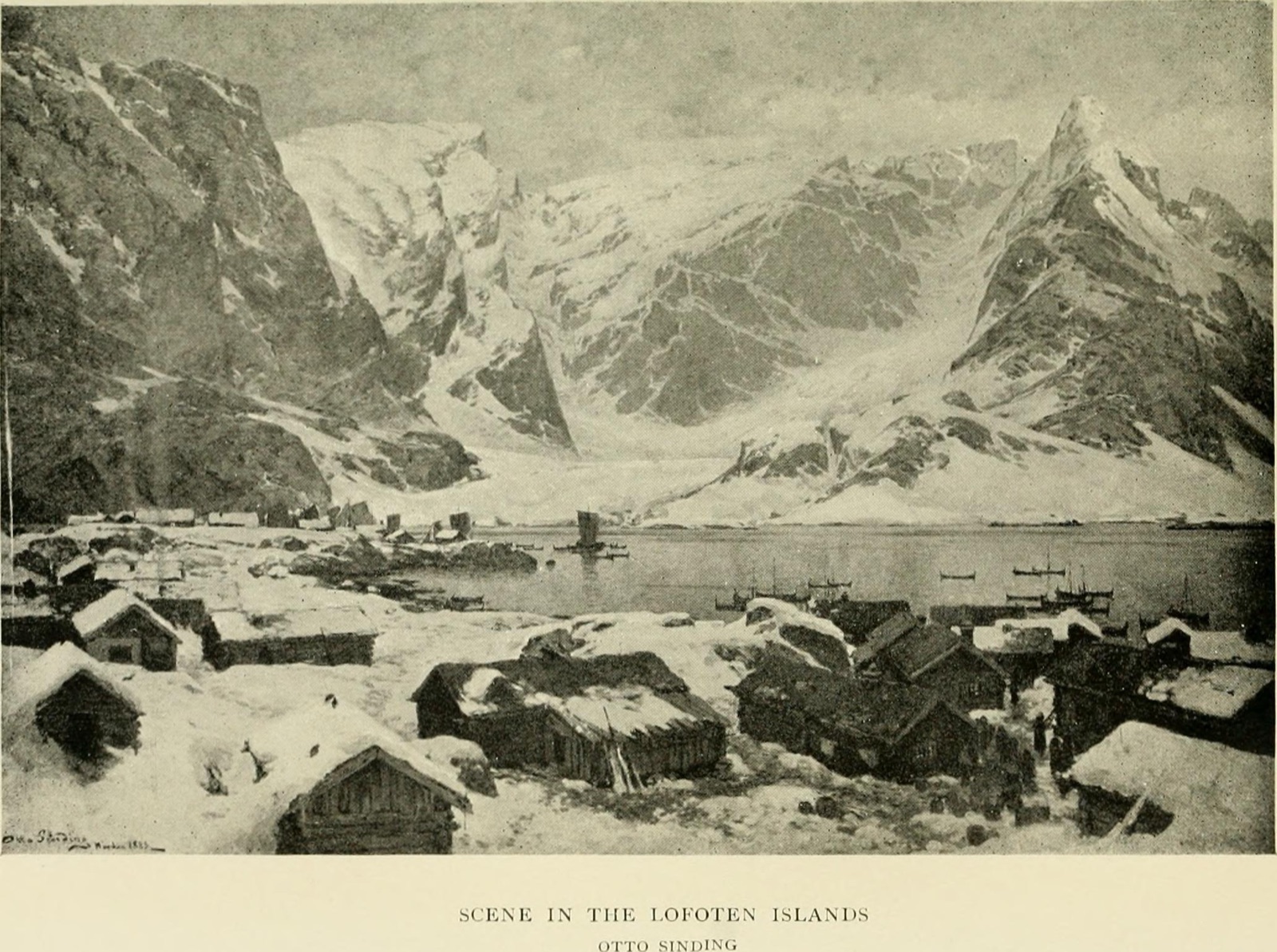
Sea-kayak paradises: Western Norway, with the Hardangerfjord, the Sognefjord and the Lysefjord, offers world-class fjord paddling, but it calls for experience in open water with strong wind and rapid weather changes. Lofoten and Vesterålen offer alpine mountains rising straight from the sea — the most dramatic kayaking terrain in the country. The Trondheimsfjord and the Møre coast have a lower threshold for beginners and well-developed infrastructure. Sørlandet and the Skagerrak coast have warmer water, sheltered skerry areas and a calm classic status for kayak trips.
Lake and canoe trips: Mjøsa, Femund, Røssvatnet and the lakes of Femundsmarka are a paradise for canoeing and touring kayaks. Setesdal, Telemark and Hallingdal have lake systems that are good for trips over several days.
River paddling: Numedalslågen, Glomma and Trysilelva for longer calm stretches. Sjoa, Driva and Ulla-Førre for demanding class III–V paddling.
Packraft terrain: Mountain crossings followed by a river or fjord — Hardangervidda, Folgefonna, Jotunheimen. The Lyngen–Lofoten area has also gained a position as an international packraft destination.
The way in — Våttkort as a framework
Paddling is the outdoor activity where external instruction is most clearly recommended. Even a strong swimmer can get into serious trouble without technique, because Norwegian waters are cold enough that hypothermia sets in quickly. There is no shame in starting with a course — it is the norm, not the exception.
The Våttkort system is structured as a progression, and you have to take the courses in order. The main tracks are Sea, River and Canoe, each with the following stages:
Introductory course (optional, 3 hours) — just to try the activity
Basic course (16 hours over 2 days or 4 evenings) — safety, basic technique, rescue
Technique course — further development of technique
Activity leader course — for those who want to lead others
Further instructor stages for those who go that route
Each stage presupposes the previous one. The content of the courses varies somewhat between providers, but the competence descriptions are centrally defined by NPF.
For SUP the formal threshold is lower — you do not need a Våttkort to give it a try, and falling in is usually harmless on calm water. But that does not mean SUP is harmless: in wind, current and cold water a SUP paddler who drifts out can be in serious danger of their life. Wear a buoyancy aid, and start in sheltered water.
For packrafting and river paddling it is even more important not to underestimate the complexity. Currents, underwater obstructions, cold rivers and long stretches without help mean that dedicated courses are clearly recommended before you take this on by yourself.
Safety — cold water is the big risk
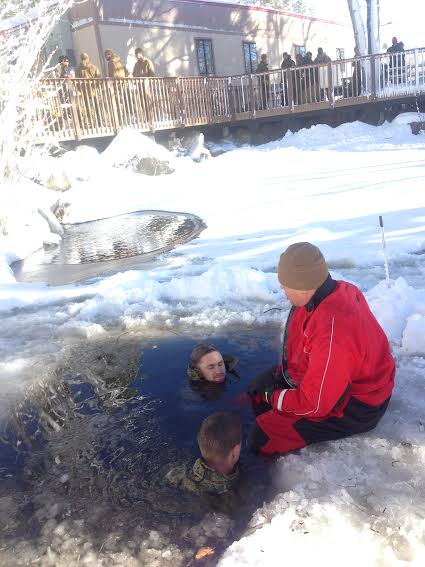
The Norwegian paddling risk profile is dominated by one factor: cold water. Even in summer the sea temperature along the coast can be below 15 degrees. In mountain water it is often below 10. A person who ends up in eight-degree water without a drysuit has minutes, not hours, before hypothermia makes self-rescue impossible.
This has practical consequences:
First, you have to be able to get back up after a capsize — alone or with a partner. Self-rescue and partner rescue are not optional for kayaking in open water.
Second, you have to be able to read the conditions before you set out, and continuously along the way. Wind, waves, current, tides, boat traffic. There is nothing magic in the numbers, but there are thresholds: 6 m/s of wind gives demanding conditions for beginners, 10+ m/s is clearly beyond most. Tidal current in narrow sounds can reach 4–5 km/h — and at times more — so there are places where you cannot paddle against the current at all.
Third, the choice of clothing has to match the water temperature, not the air temperature. A drysuit on an 18-degree sunny day can seem excessive — right up until you are lying in 8-degree water. Drysuits, wetsuits and layering for a cold climate are covered under clothing.
Turning back in good time is the general rule — it applies on water too, perhaps especially there.
Equipment
Paddling equipment is tightly bound to the discipline, and the price range is wide. The main rule is as elsewhere in Norwegian friluftsliv: learn first, buy afterwards. Hire or borrow a kayak and paddle from a club, course provider or rental shop for the first seasons. You will not know what you actually want until you have paddled a hundred hours in several types.
The most important things to have clear from the start are:
Paddle (as important as the kayak — the wrong paddle ruins a trip faster than the wrong kayak)
Buoyancy aid (always, not optional, not negotiable)
The Norwegian paddling season is more flexible than skiing, but less flexible than walking, and it varies considerably between sea, lake and river:
In May the sea is cold but paddleable for the experienced with a drysuit. The inland ice opens up through the month in the south, later in the north. June to September is the core season with the warmest water and the longest daylight. October brings the colour season, fewer people, and asks a little more on the equipment front. November to April is sea kayaking in the south, with a drysuit possible all year round, while the mountain lakes freeze over.
Every year the start date becomes more fluid — particularly in southern Norway it is noticeable that climate change is shifting both the freeze-up and the break-up dates. Check local conditions before you plan.
Ethics — vulnerable nature seen from the water
Paddling affects birdlife more than most other outdoor activities, because you come close to areas birds use as refuges. During the nesting season (April to July) it is especially important to keep your distance from nesting birds and colonies. Many people also give way to seals and otters — they will flee if you come too close.
On land, where you put in for a break or to camp: go up and make camp only where it is permitted and considerate. The kelp forest in the foreshore is vulnerable — do not tramp through it needlessly. Local regulations may apply, particularly in protected areas and bird skerries. In general: pack out what you bring in, and a little more.
If you are new to paddling: start with a basic course in the discipline that seems most interesting. Sea kayaking or canoeing are the most common ways in. Then paddle with a club or rental for the first few times before you invest in your own equipment.
If you already paddle a little and want to go further: read the sub-discipline article for what you are doing, and build out your safety knowledge — particularly rescue and assessing conditions. For sea kayaking, the technique course after the basic course is the next natural step.
If you want to step out of your comfort zone and into new forms of paddling: packrafting opens up combination trips that are a category of experience all their own. River paddling calls for dedicated courses, but it is a world of its own if it becomes your thing.