Alerting the emergency services
A summary of situation assessment, alerting and rescue.
13 articles

Injuries happen both at home and on a tur. The difference outdoors is that it takes longer for medical personnel to reach you. That is why you need to know basic first aid, and why you need to be able to look after the casualty and the rest of the group until help arrives. Both can be practised — and should be practised — before you actually need them.
The best first aid is the kind you never need to use. Many unwanted situations can be prevented before you even set out:
Risk = likelihood × consequence. By reducing the likelihood (good planning, the right equipment, tur etter evne) and at the same time reducing the consequence (knowledge of first aid, a plan for evacuation), you genuinely reduce the hazard picture — even though risk can never be eliminated.
A practical example: a rolled ankle is likely on a long tur in broken terrain. Boots with good ankle support and a light load reduce the likelihood. Compression tape, painkillers and an evacuation plan reduce the consequence if the rolled ankle does happen.
Tur etter evne — trip planning → · First-aid equipment →
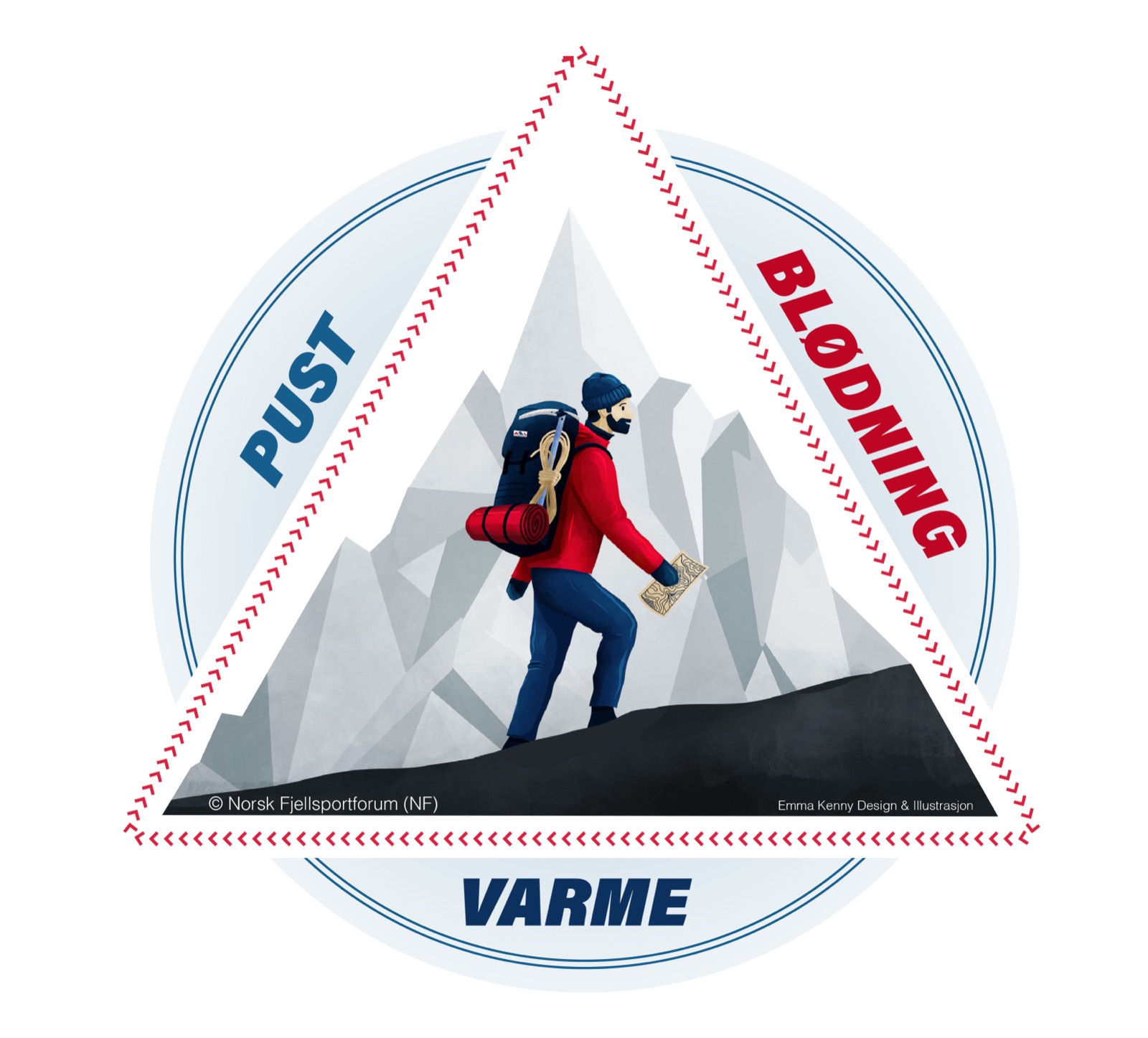
When you are faced with an injured person, run through the checks in this order:
An unconscious person who is breathing normally is placed in the recovery position to keep the airway clear.
Life-saving first aid → · Raising the alarm with the emergency services →
For each of the most important injuries we have a dedicated article:
Managing pain is not an “extra” — it is a part of first aid. A person in pain develops stress, poorer blood supply and faster chilling. In practice:
More about pain relief → · Medicines on a tur →
What you bring varies with the type and length of tur, but the minimum kit is simple:
For longer trips: a SAM splint, anti-histamine, anti-diarrhoea medication, more comprehensive dressings.
First-aid equipment → · Blister plasters and sports tape →
Call 113 in cases of:
If you are out of mobile coverage: send a runner with a clear message (in writing if possible) to the nearest place with coverage. Every minute counts with a serious injury.
More about raising the alarm with the emergency services →
Books and articles are a starting point; practice is what really gives you competence:
There is a difference between knowing what to do and managing to do it under pressure. That gap is closed only through practice.
Text: Snuitide (2022), revised 2026.
Key resources: Røde Kors — førstehjelp · Helsedirektoratet · Wilderness Medicine Institute (in English, with good resources for outdoor first aid)
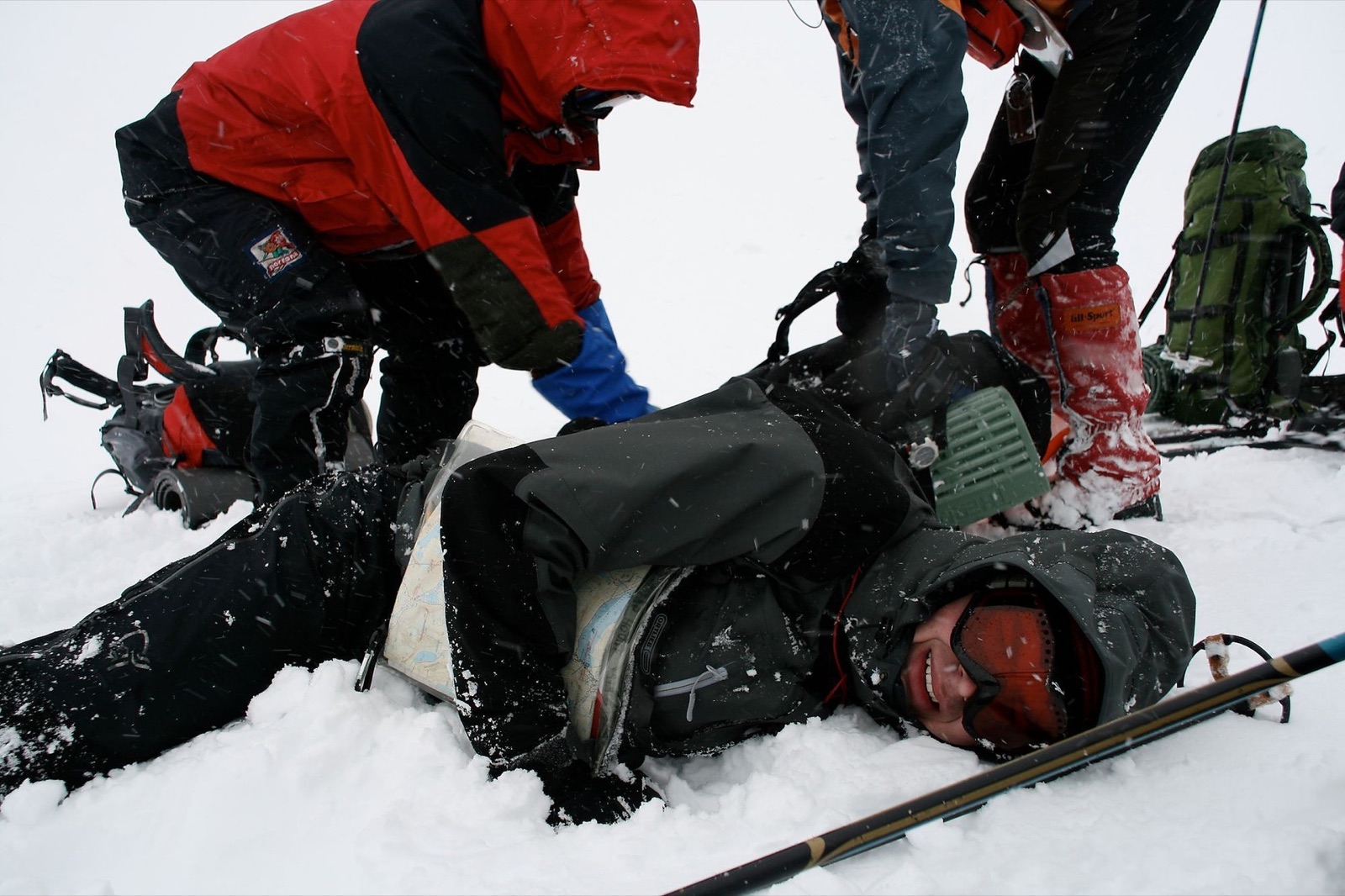
A summary of situation assessment, alerting and rescue.
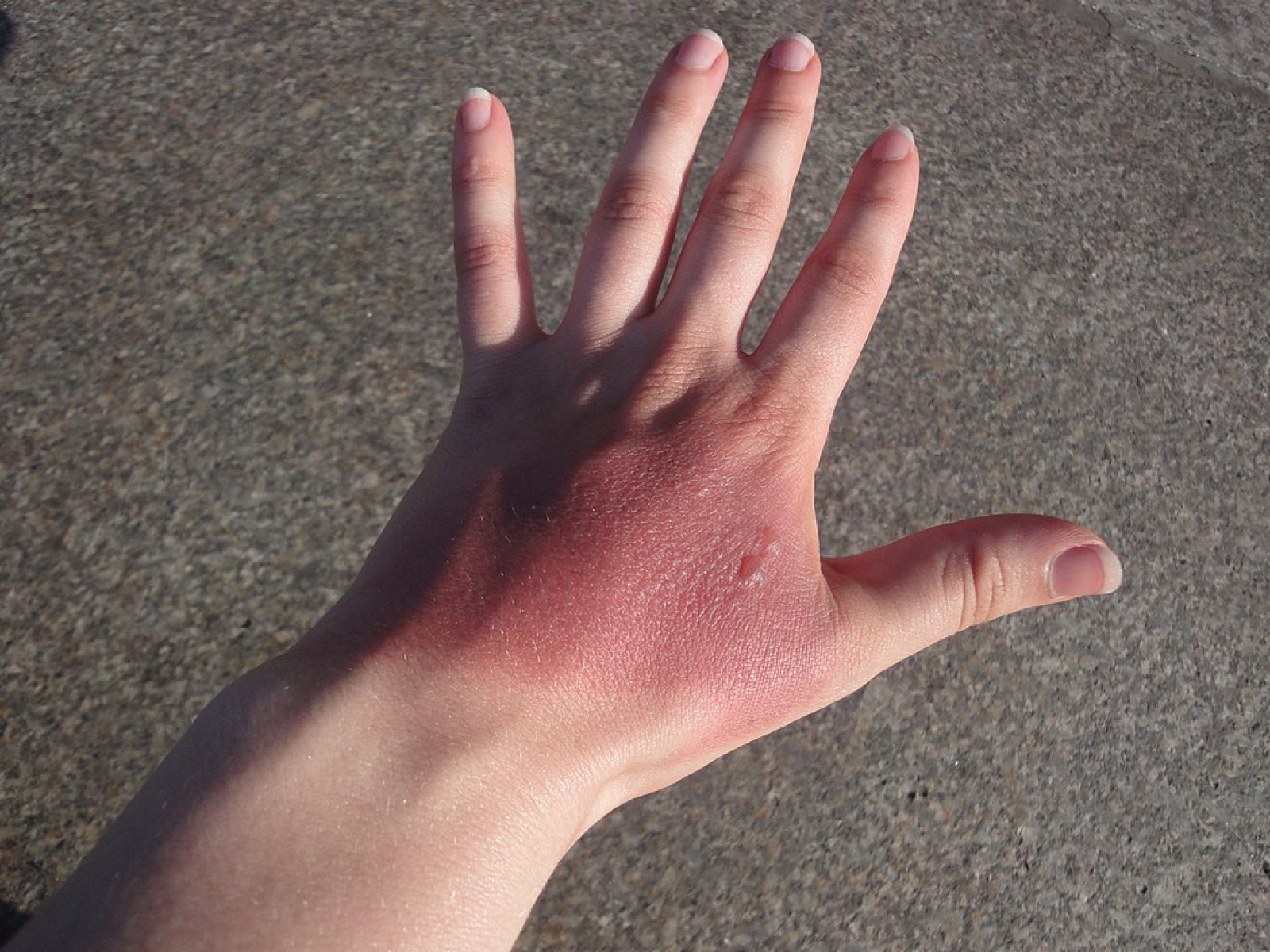
How to assess and treat burns on a trip — from sunburn to boiling water. 20 minutes of running water is the most important measure. With a treatment film.
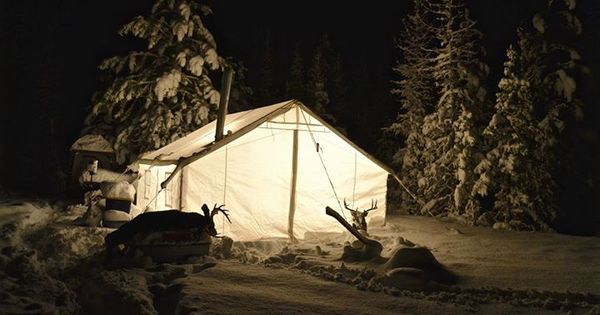
Carbon monoxide is an odourless, tasteless and colourless gas that displaces oxygen. Here is how to prevent and treat carbon monoxide poisoning when burning a stove in a tent or snow cave.
You are out on a tur and suddenly someone rolls their ankle. This can happen almost anywhere, but typically in slightly rough terrain. The person playing the casualty will experience…
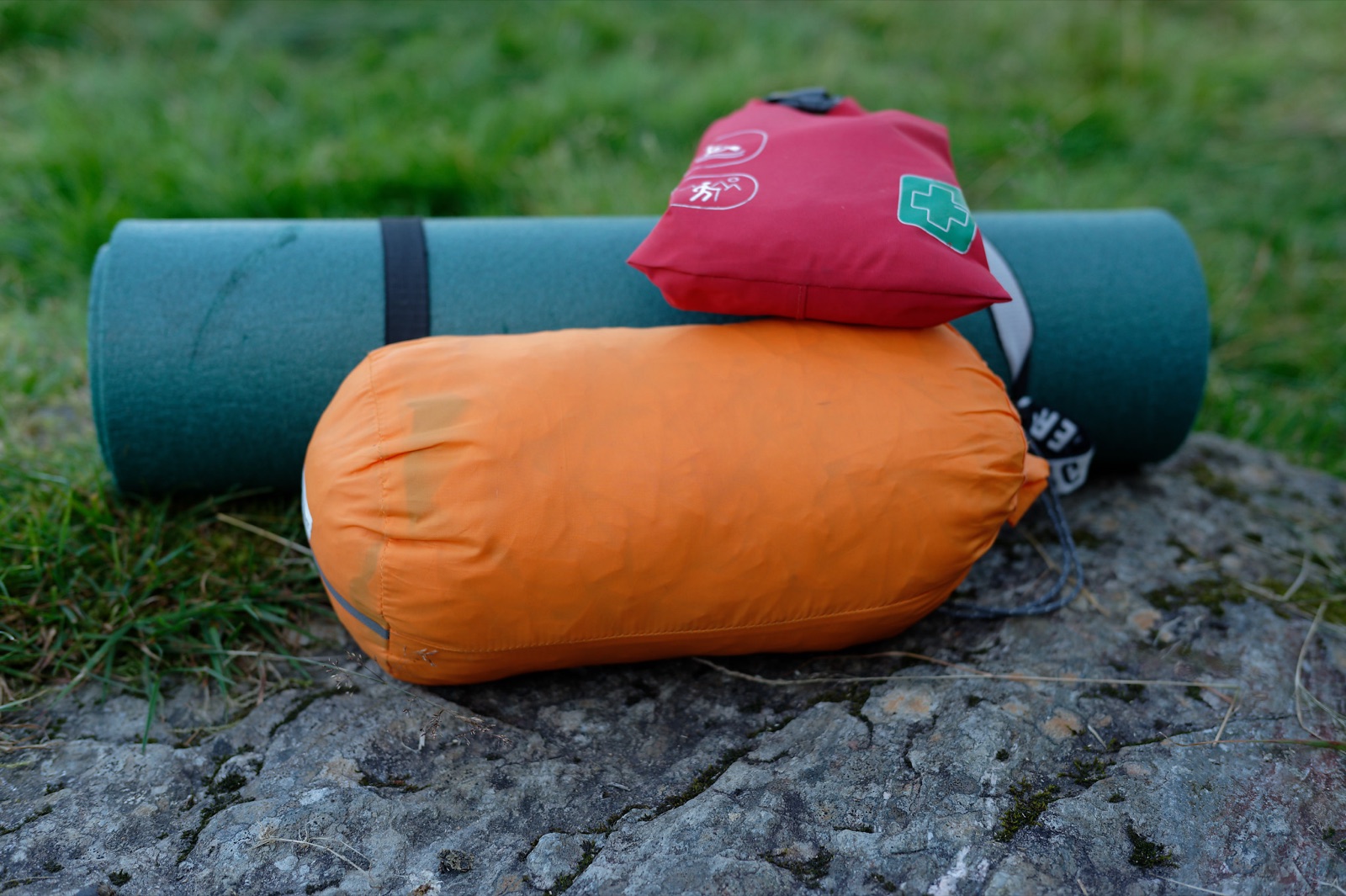
A sleeping mat, a bothy bag and a first-aid kit are among the items that should always come along on a tur.
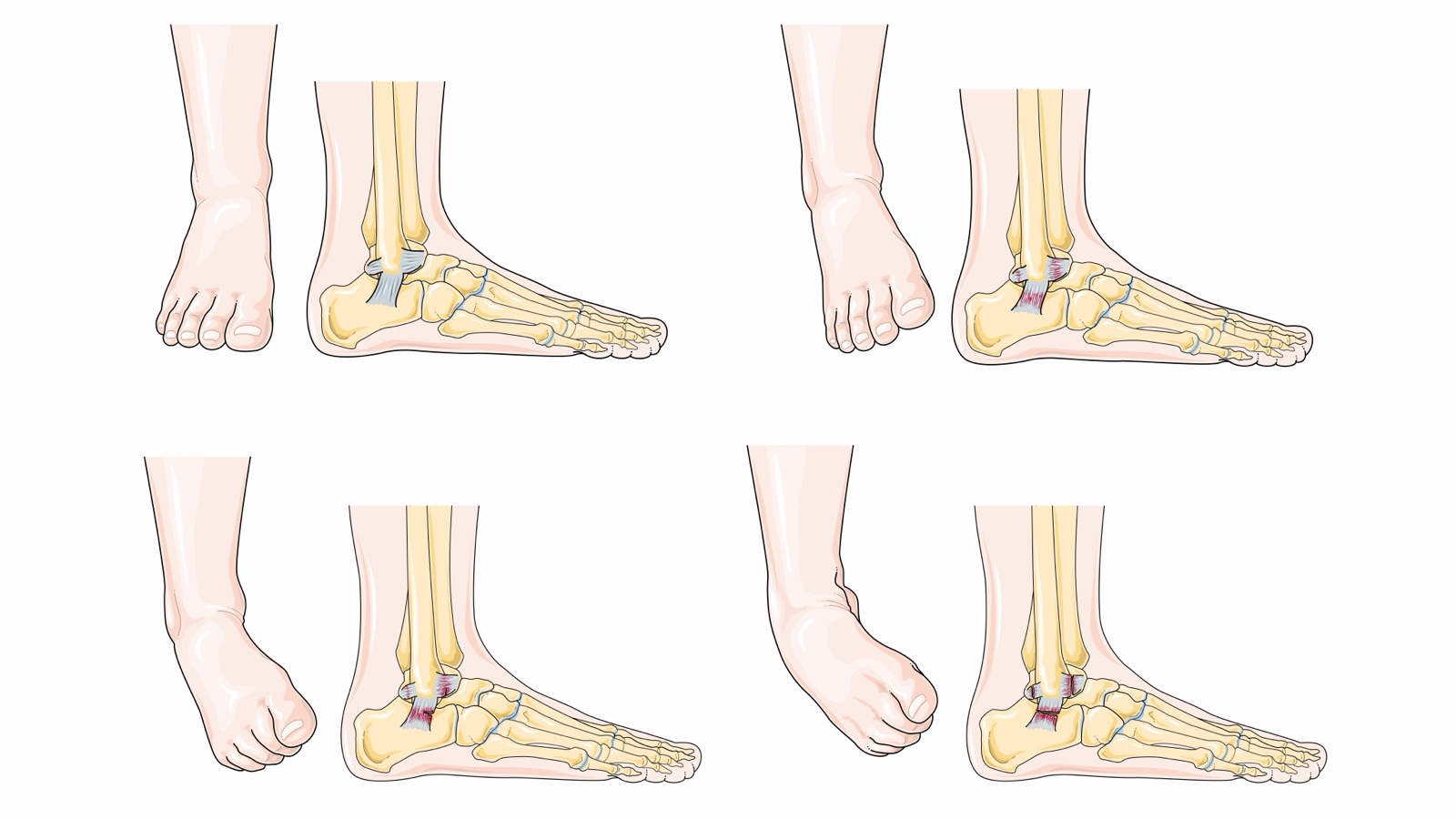
This section is about fractures, sprains and dislocations. When you examine the casualty, remember to begin every examination with:
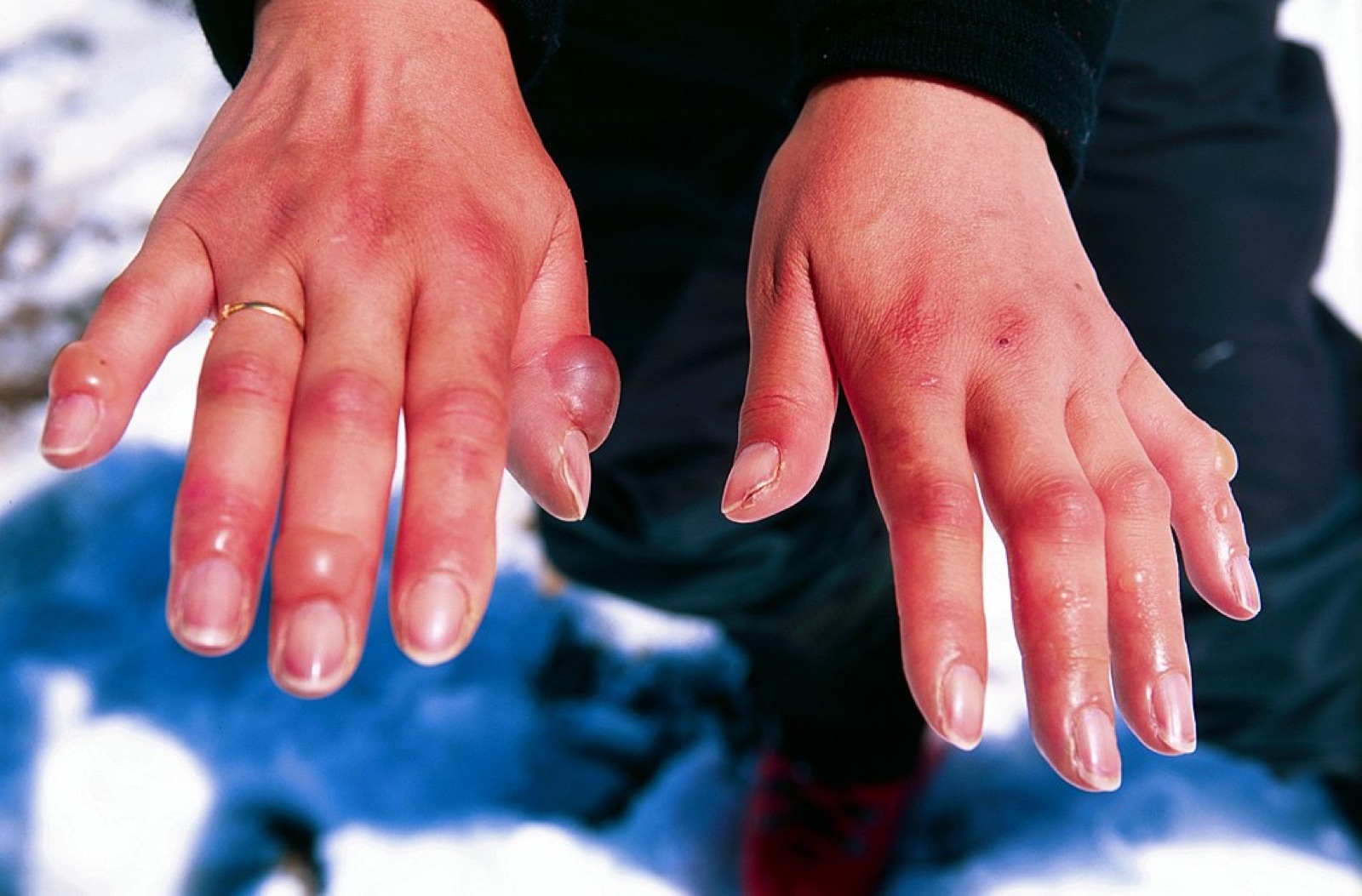
How to recognise and treat frostbite on a tur — from white patches (superficial) to deep blue-black tissue (deep). Treatment focuses on slow rewarming and shelter from the cold.
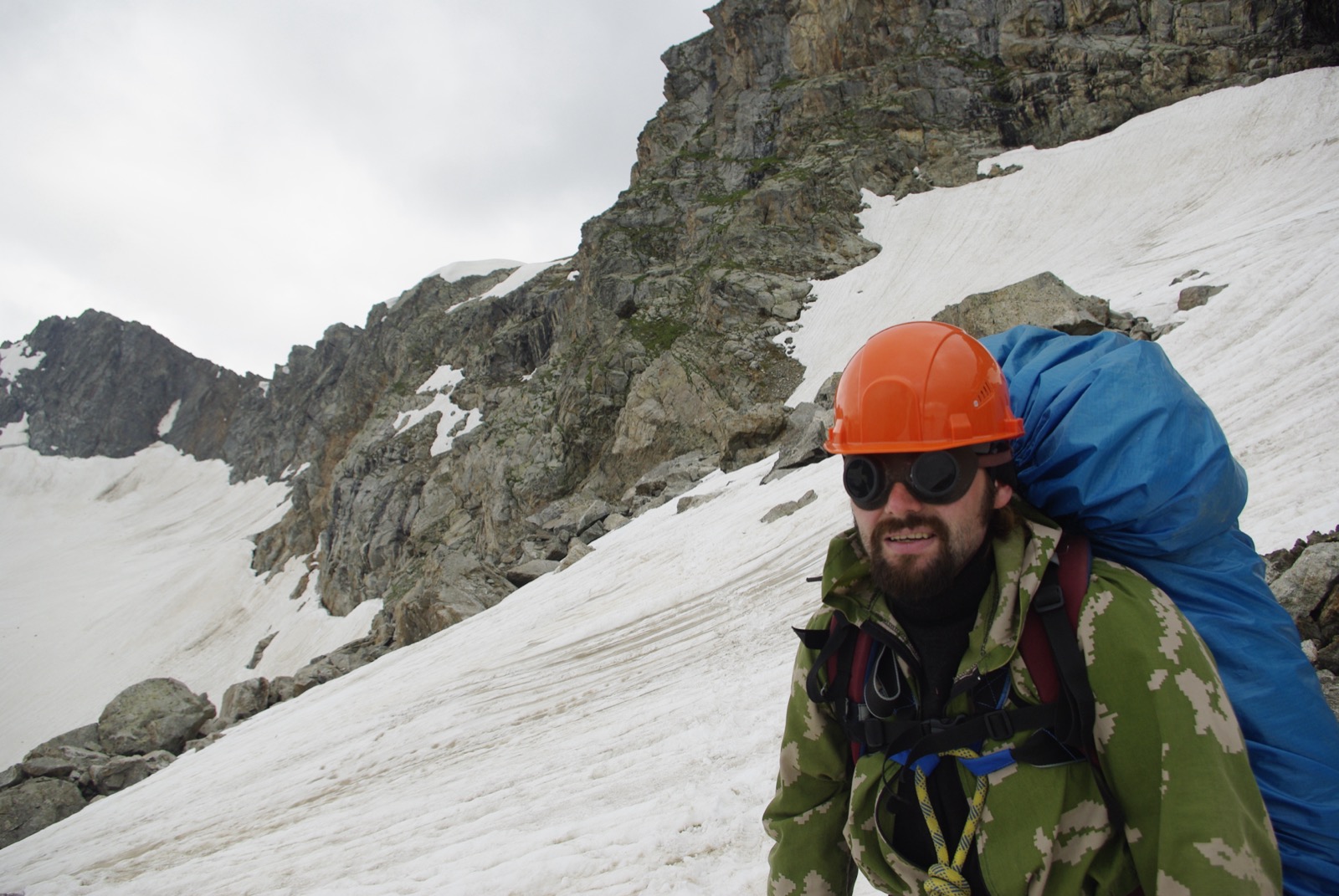
Head injuries typically occur from rockfall or falls in the mountains. They can also happen in diving accidents or in traffic accidents.
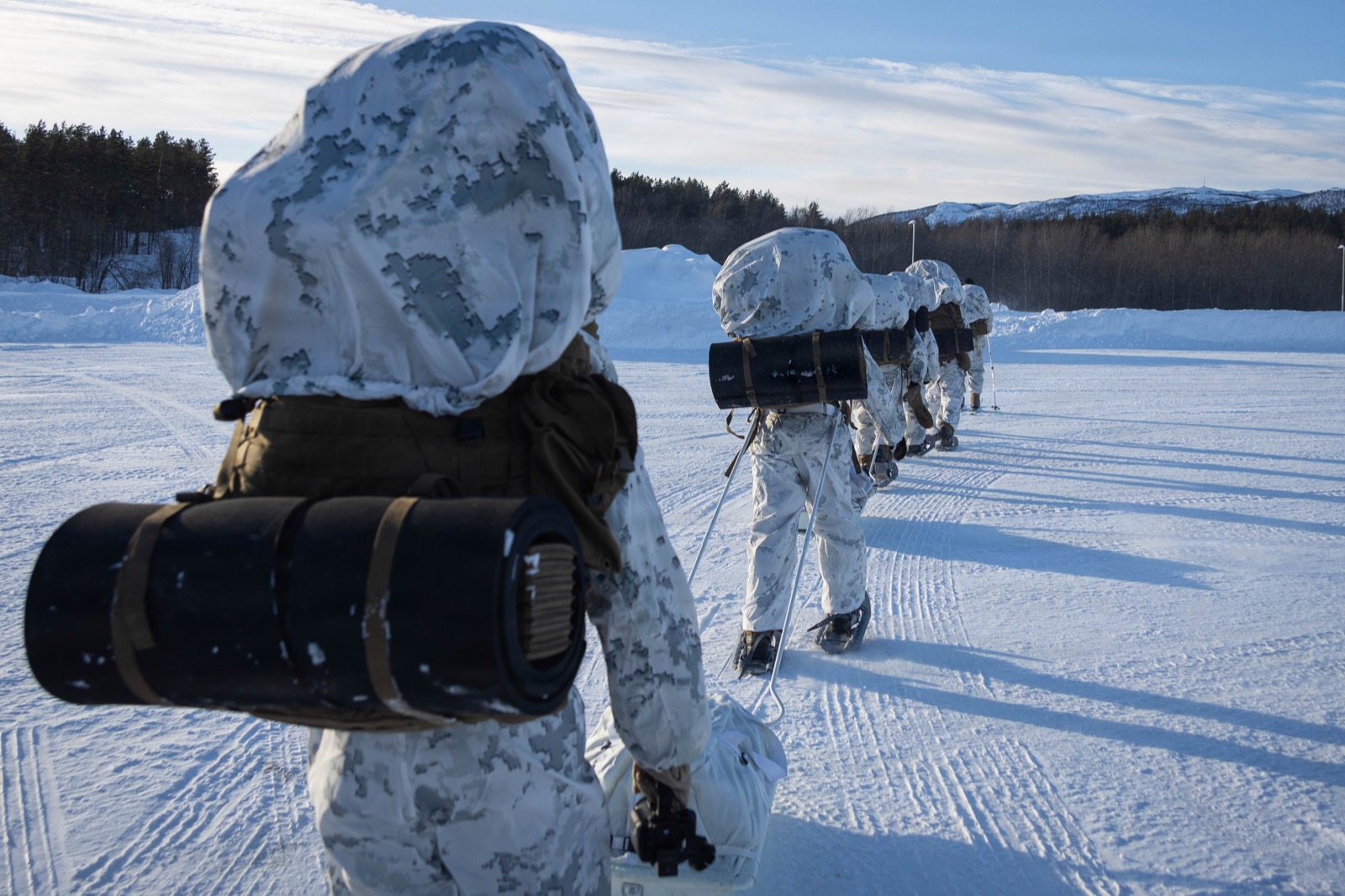
Getting chilled (hypothermia) is when not only the skin is affected by the cold, but the whole body becomes cold all the way through.
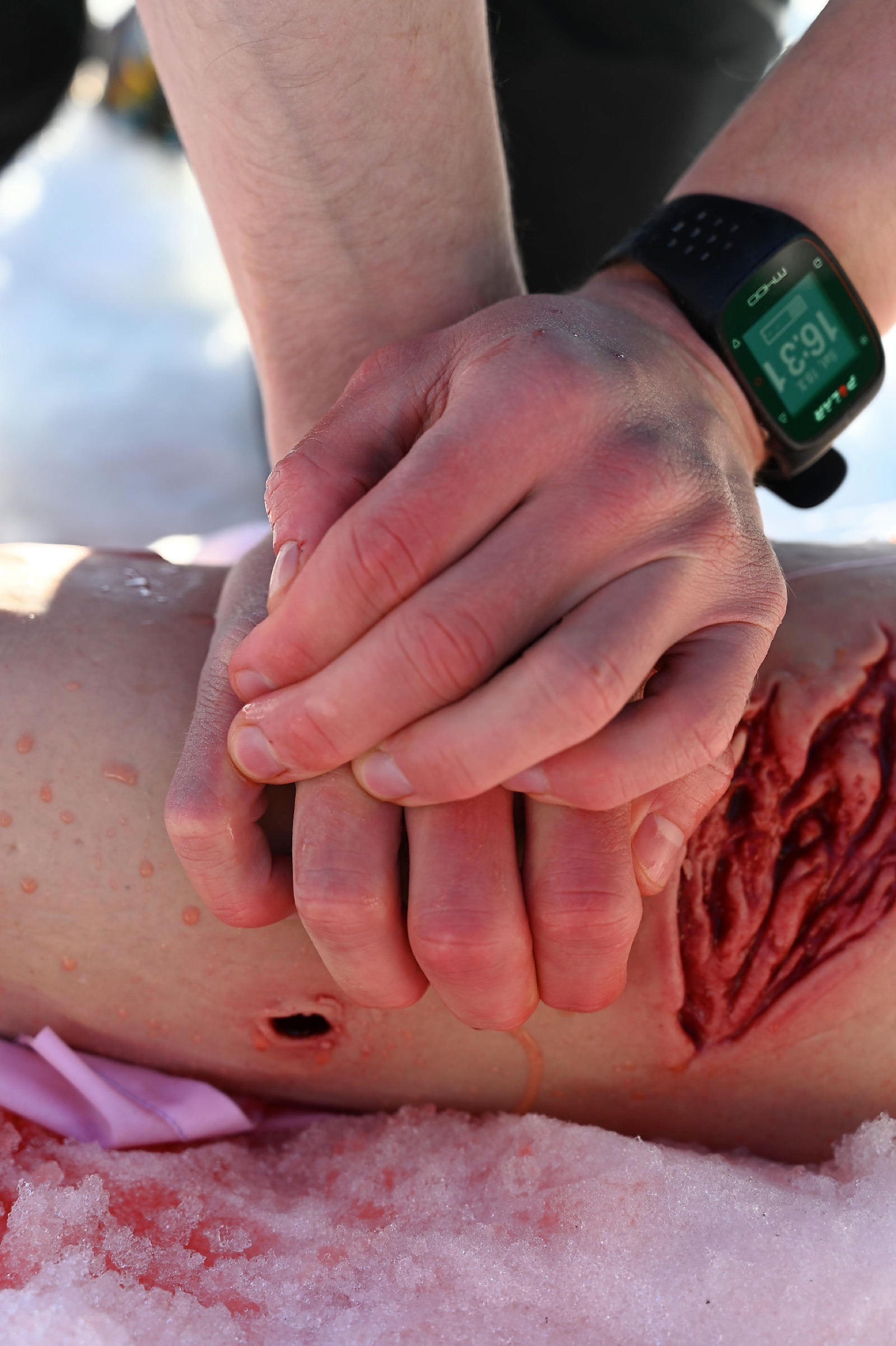
The most important thing we do to keep an injured person alive is to make sure oxygen reaches the lungs, that this oxygen is carried in the bloodstream out to the different parts of the body, and to prevent cooling.
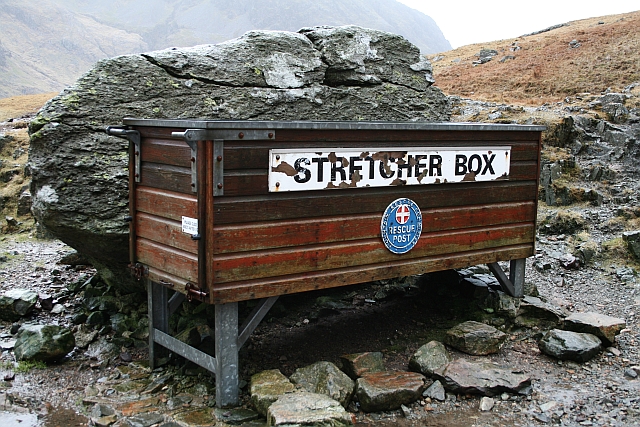
With neck and spinal injuries, our greatest concern is that damage may occur to the spinal column.
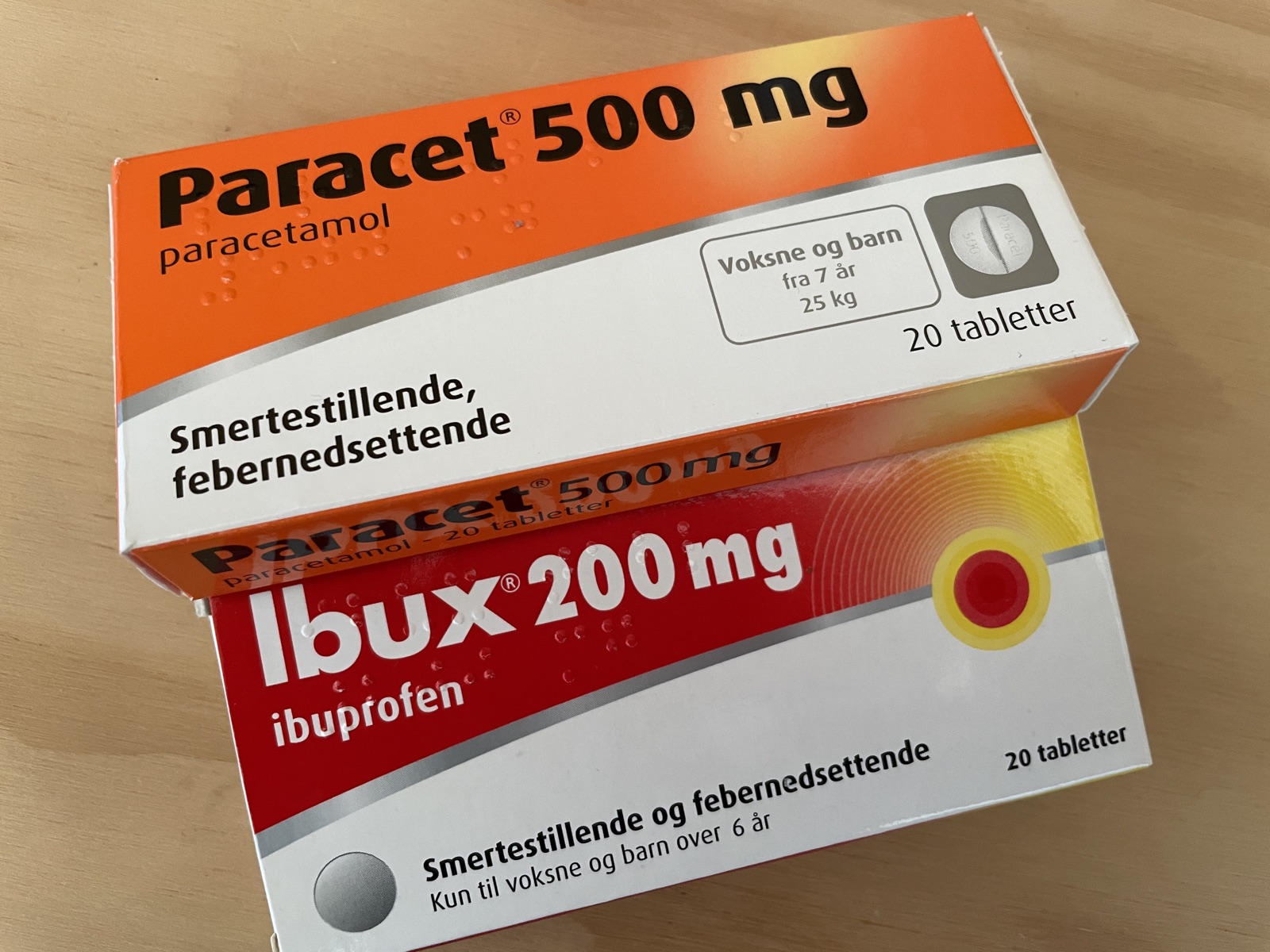
Several of the conditions we have covered can cause severe pain. Pain that comes on suddenly is part of the body's alarm system – the purpose is to protect us from injury, and to stop the injury from getting worse.
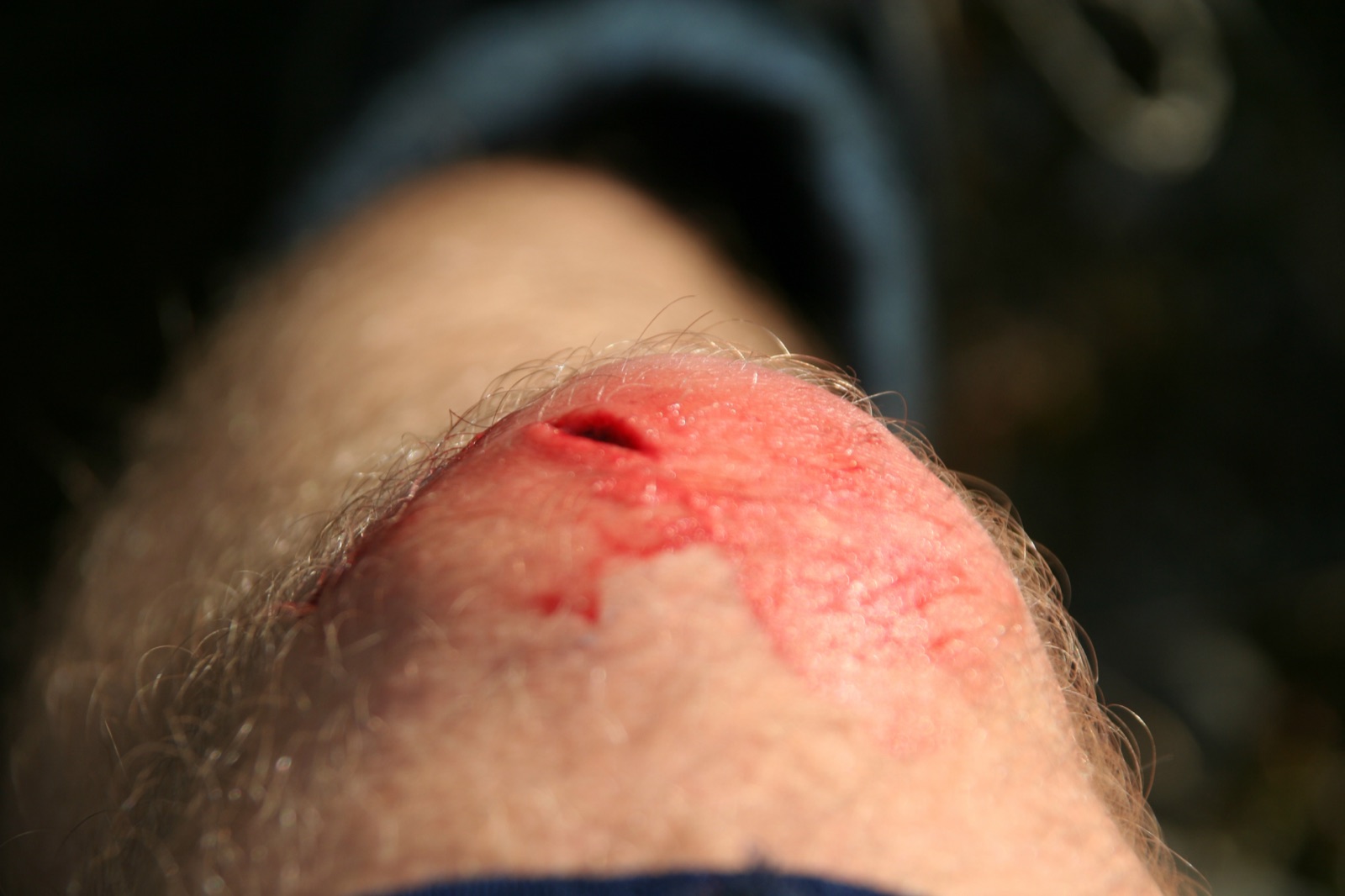
Wounds are a common injury on a tur. This part is about smaller wounds and puncture wounds that do not bleed, or bleed only a little. How to stop a larger bleed is…