First Aid
Neck and spinal injuries
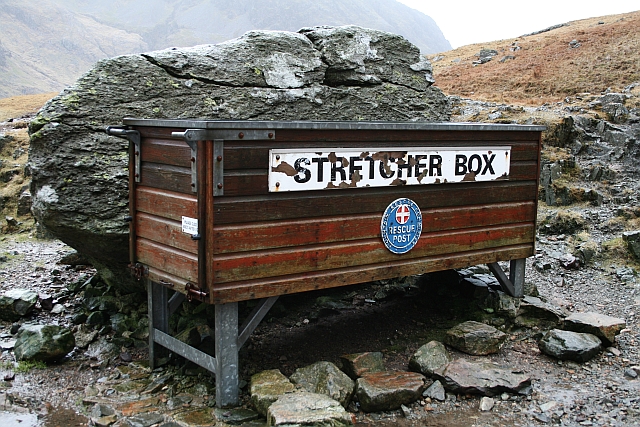
With neck and spinal injuries, our greatest concern is that damage may occur to the spinal column.
With neck and spinal injuries, our greatest concern is that damage may occur to the spinal column. The spinal column is part of our skeleton, and consists of a column of vertebrae from the head to the pelvis, forming a channel for our spinal cord. The spinal cord consists of billions of nerve cells, which among other things control movement and sensation in every part of the body, from the neck to the toes. If we sustain damage to the spinal cord, it can have serious consequences.
This means that we must take extra care when treating people in whom we suspect a neck or spinal injury.
When should we suspect neck and spinal injuries?
We may suspect a neck or spinal injury based on either
-
how the injury occurred,
Certain sequences of events more often cause neck and spinal injuries. Examples of this are falls in the mountains, climbing accidents, and rockfall in the mountains striking the head or upper body.
-
how the injured person is lying or appears,
If you find the injured person lying in an unnatural position in the back/upper body, for example across a rock protruding from the terrain.
-
or on the basis of an examination of the injured person.
This is what you should keep in mind when examining a person who may have sustained a neck or spinal injury:
If everything is normal in this examination, there is much to suggest that the neck and back are fine. If you have findings in this examination, the neck and back should be stabilised.
If the injured person is conscious:
- Ask the injured person to lie still while you examine them
- Ask whether they have pain in the neck or back, or sharp radiating pain in the arms or legs. If yes, stabilise the neck/back.
- Look for bruising, swelling or deformity in the neck or spinal column, if this is possible without changing the position of the neck and back. If yes, stabilise the neck/back.
- Ask the injured person to move their fingers and toes, and check that they have sensation in these. If they lack sensation or movement, stabilise the neck/back.
If the injured person is unconscious, remember:
- We check that the injured person is breathing,
- we examine whether the injured person has any bleeding,
- we make sure to prevent heat loss,
and make sure to call 113.
How important is it to stabilise the neck and back?
The focus on avoiding worsening of neck and spinal injuries is important, but it must not take up so much space that one becomes afraid to do anything. Stabilising the neck and back must not take priority over life-saving treatment. If the injured person is not breathing normally, or has ongoing bleeding, that is dealt with first.
Next steps
- Head injuries — often in the same incident
- Life-saving first aid — breathing and bleeding before stabilisation
- Alerting the emergency services — professional evacuation is required
- First-aid equipment — sleeping mat, splints, emergency bivouac
Learn more
- Norwegian People’s Aid — first-aid courses and wilderness medicine
- The Norwegian Red Cross — first aid and rescue corps
- Norsk Fjellmedisinsk Selskap — mountain and outdoor medicine
- The Norwegian Directorate of Health — first aid