First Aid
On pain relief
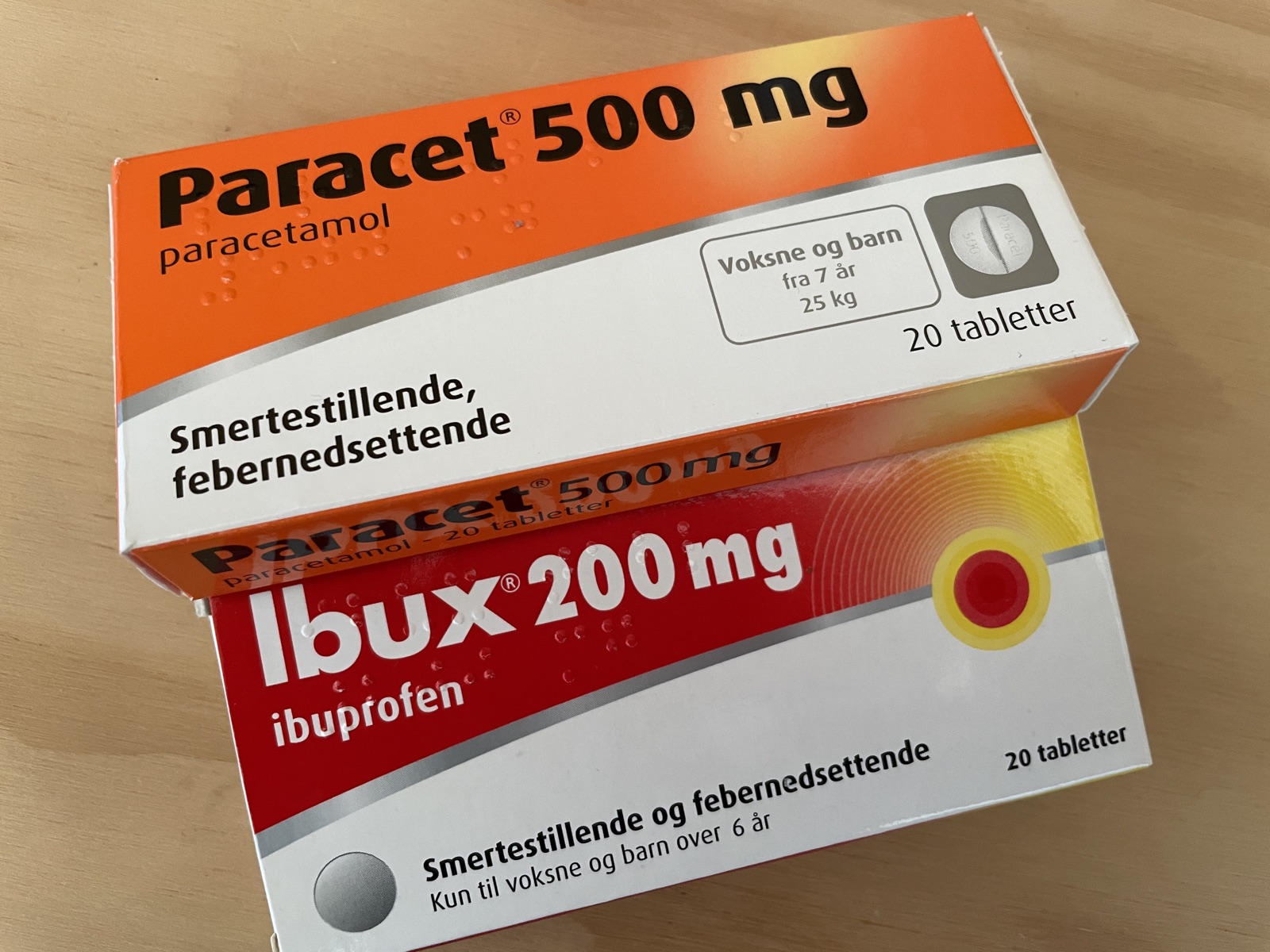
Several of the conditions we have covered can cause severe pain. Pain that comes on suddenly is part of the body's alarm system – the purpose is to protect us from injury, and to stop the injury from getting worse.
Several of the conditions we have covered can cause severe pain. Pain that comes on suddenly is part of the body’s alarm system – the purpose is to protect us from injury, and to stop the injury from getting worse. If we get a proper rolled ankle on a trip, it will hurt and we will reduce the load. This helps the injury recover faster.
Having severe pain need not be dangerous in itself, but pain relief can help so that we can, for example, stabilise a fracture and get evacuated. The best thing is to avoid pain when we can, and that is why it is useful to know a little about pain relief.
Non-medicinal pain relief
Pain can arise because of a nerve signal, what we feel, and how we think. If we are afraid when we are in pain, the pain will be experienced as stronger than if we are not afraid. Since pain is also about how we think, we can influence our experience of pain in ways other than using medicines.
By creating calm in the situation, the injured person also becomes calmer. A good start can be to say: ‘Hi, my name is Gina, I’ll stay here until help arrives.’ Try to reassure the injured person.
Explain what will happen, how and why. This makes the situation more predictable for the injured person, and he will feel that he has more control over what is happening. Involve the injured person in decisions if possible.
To counter feelings of fear and anxiety, we try to make the surroundings feel safe. A slope in the terrain that may seem completely harmless can be experienced as dangerous by someone in the party who has just stumbled and broken their ankle in the fall. It is often a good idea to get away from terrain that feels unsafe, and to take the injured person indoors where this is practical. Make him as comfortable as possible.
Mental distraction, such as focusing on the breath, listening to music (and singing at the top of your voice), or talking about a topic that engages can help the injured person shift their focus away from the pain.
Over-the-counter medicines that provide pain relief
The most relevant over-the-counter medicines to carry on a trip are preparations containing the active substances paracetamol and ibuprofen. On a trip, as a general rule it is most practical to carry painkillers in the form of tablets, although other options exist.
| Medicine | Field of use |
|---|---|
| Paracet/Panodil/Pinex | |
| (paracetamol) | • fever-reducing |
| • pain-relieving | |
| • works well against headaches | |
| Ibux / Ibumetin | |
| (ibuprofen) | • anti-inflammatory effect |
| • fever-reducing | |
| • pain-relieving |
Both paracetamol and ibuprofen normally work well on pain, headaches and fever. Paracetamol is usually the first choice for pain relief, because it has fewer side effects than ibuprofen. However, ibuprofen also has an anti-inflammatory effect. This makes the medicine particularly well suited to pain that comes from inflammation in muscles and joints, for example a rolled ankle.
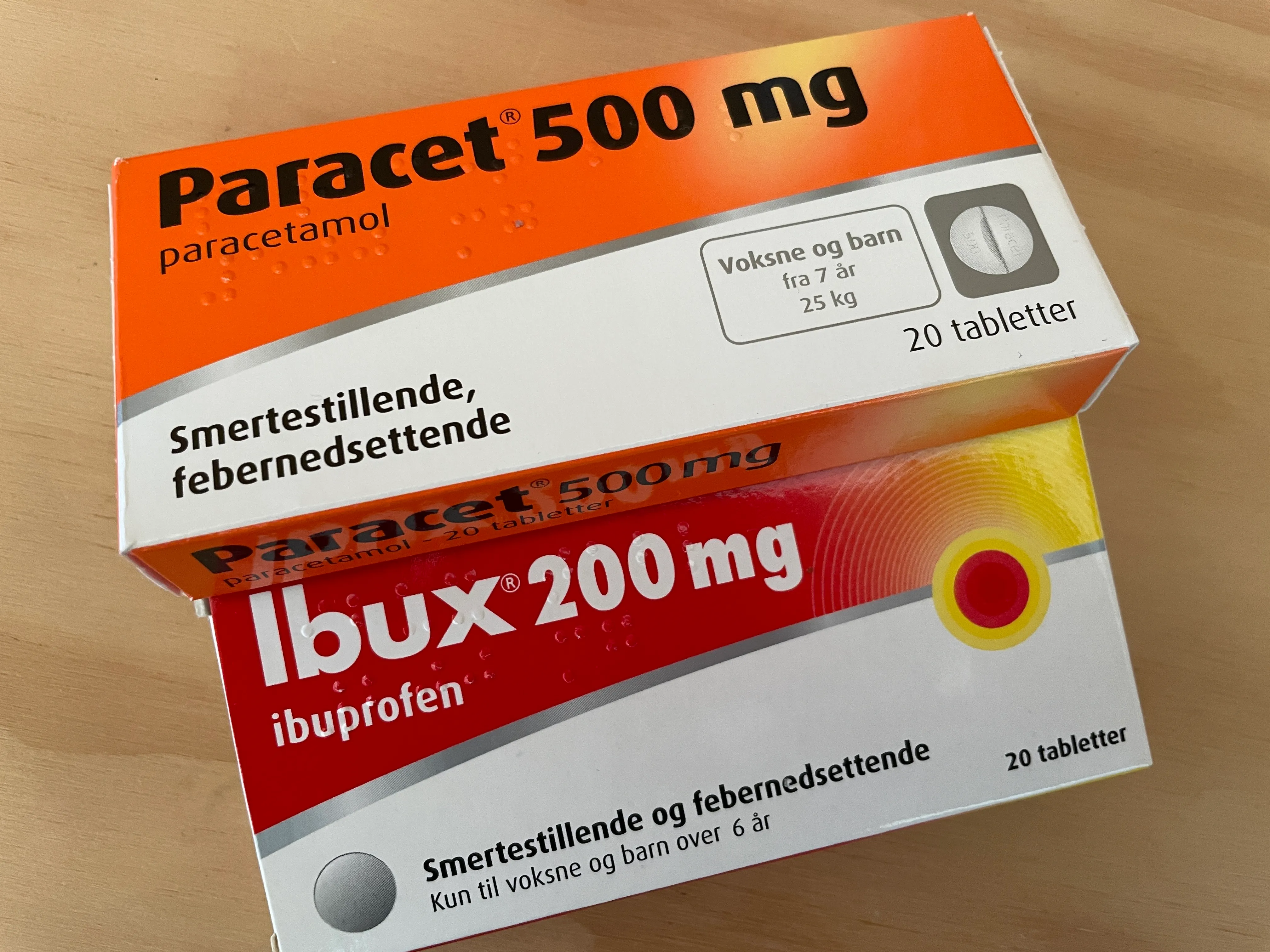
Photo: Gina Wigestrand, Snuitide
Although over-the-counter medicines are not without risk, they are considered safe as long as the package leaflet and normal dosing are followed. Be generally cautious about recommending medicines, even when they are over-the-counter. If someone in the party gets severe pain and we have painkillers available, we can inform them that we have painkillers if there is a need. Ask whether they have taken this type of medicine before – then it is usually safe to take again.
Next steps
- First-aid equipment — what paracet and ibux are kept alongside
- Life-saving first aid — pain relief comes after the life-saving measures
- Wounds and infection — ibux has an anti-inflammatory effect
Learn more
- Norsk Folkehjelp — first-aid courses and wilderness medicine
- Norges Røde Kors — first aid and rescue corps
- Norsk Fjellmedisinsk Selskap — mountain and wilderness medicine
- Helsedirektoratet — first aid