First Aid
Head injuries
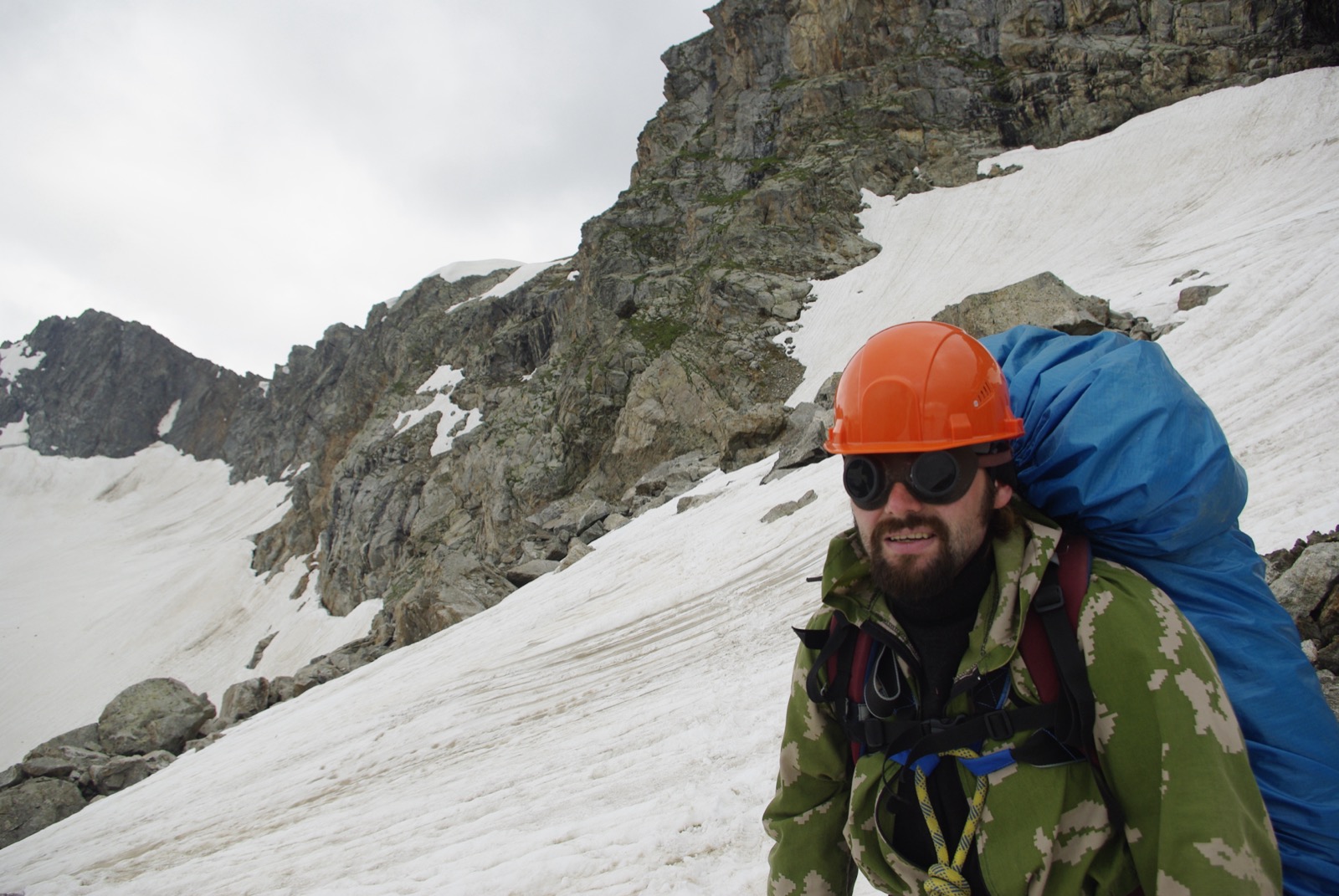
Head injuries typically occur from rockfall or falls in the mountains. They can also happen in diving accidents or in traffic accidents.
Head injuries typically occur from rockfall or falls in the mountains. They can also happen in diving accidents or in traffic accidents.
The severity can range from a little bleeding from superficial grazes to life-threatening internal bleeding. Here is what you should keep in mind if someone in the party has injured their head:
A suggested approach to managing a head injury.
If the casualty is conscious:
- Remember the first-aid triangle: breathing – bleeding – warmth.
- Ask whether the casualty can remember what happened.
- Check whether the casualty has been unconscious, and if so, for how long.
If the casualty has a wound to the scalp, it should be cleaned and dressed. This applies whether or not the wound is still bleeding.
Signs of a serious head injury are:
- That the casualty is unconscious, or has been unconscious for several minutes
- That the casualty has been unconscious, woken up again, and later becomes less responsive.
- That the casualty has worsening headache
- That you find an open wound in the scalp.
- That you feel a fracture or deformity in the skull.
- That blood or fluid comes from the casualty’s ear, nose or mouth.
- That the casualty sees double or blurred.
- That the casualty has bruising around the eyes and behind the ears.
- That the casualty has an unsteady gait.
(Fauske & Bruland, 2019, s. 60-62)
If the casualty is not conscious, remember:
- We check that the casualty is breathing,
- we check whether the casualty has any bleeding,
- we make sure to prevent heat loss,
and make sure to alert 113.
Remember that people who are unconscious but breathing normally should be placed in the recovery position if possible.
Next steps
- Neck and back injuries — often in the same incident
- Lifesaving first aid — breathing and consciousness take priority
- Alerting the emergency services — head injuries usually require evacuation
- First aid on a trip — the hub
Learn more
- Norsk Folkehjelp (Norwegian People’s Aid) — first-aid courses and wilderness medicine
- Norges Røde Kors (the Norwegian Red Cross) — first aid and rescue corps
- Norsk Fjellmedisinsk Selskap — mountain and wilderness medicine
- Helsedirektoratet (the Norwegian Directorate of Health) — first aid