First Aid
Hypothermia
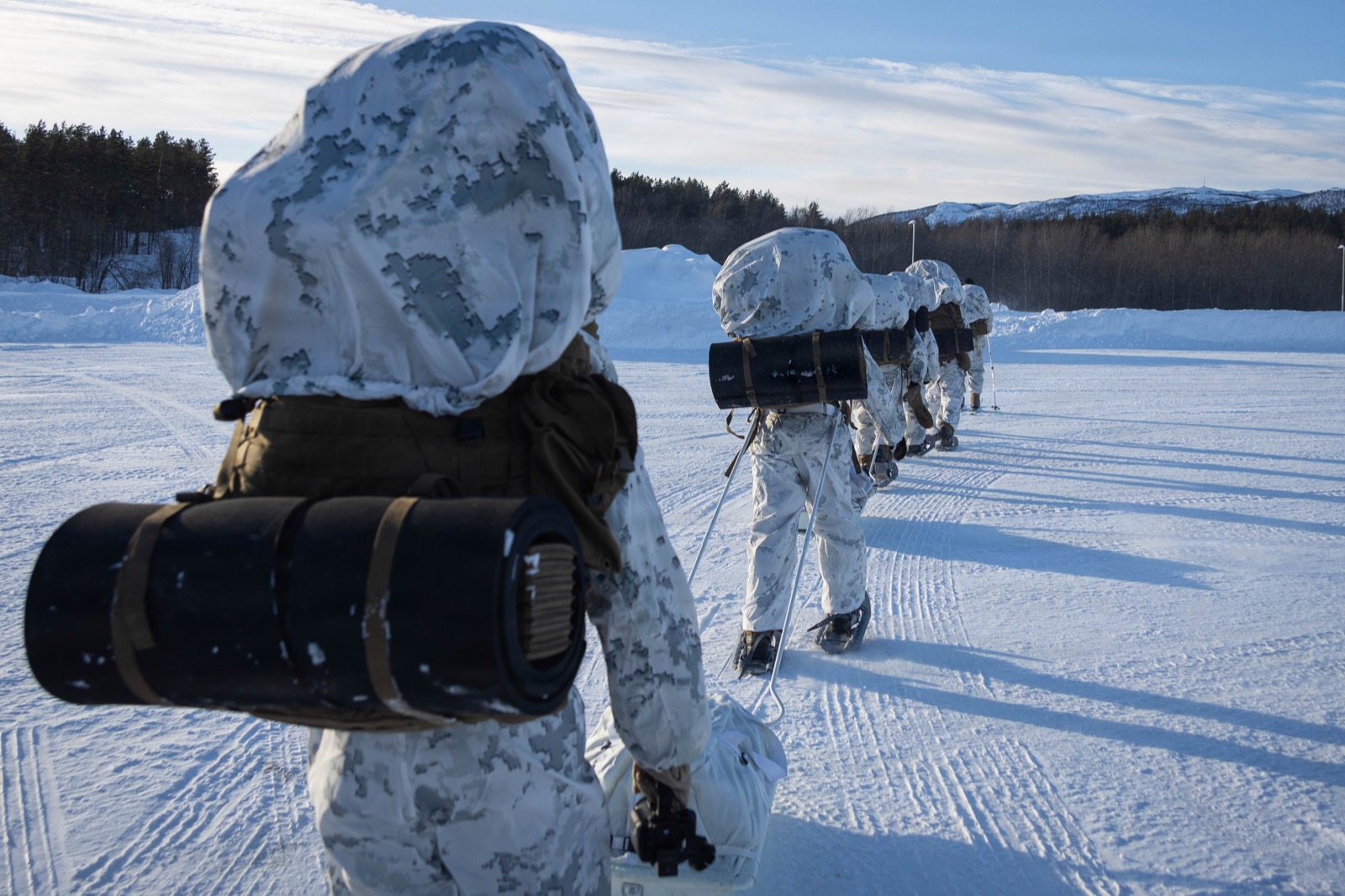
Getting chilled (hypothermia) is when not only the skin is affected by the cold, but the whole body becomes cold all the way through.
Getting chilled (hypothermia) is when not only the skin is affected by the cold, but the whole body becomes cold all the way through. Hypothermia is when the core body temperature falls below 35 degrees (Fauske & Bruland, 2019, p. 113). From there, hypothermia is divided into different stages. The most important thing to take from this section is how you prevent getting chilled, and how you should spot cold people and treat someone who has become chilled.
Preventing getting chilled
It is important to make sure you are wearing about the right amount of clothing. Too much clothing makes you sweat and become wet, which leaves you exposed to getting chilled during stops and breaks. Too little clothing means you can cool down slowly, almost without noticing it. Good tips for larger groups are to take plenty of ‘technical breaks’ so that everyone in the group can adjust their clothing, and to dress well in warm clothes during breaks, so that no one gets cold.
Spotting getting chilled
Be especially alert if someone in the group seems irritable, or unusually quiet or withdrawn during stops or breaks – this can be an early sign of getting chilled. The same applies if someone is unsteady on their feet, does not eat well during meal breaks, or you see the person shivering or their teeth chattering.
Treating people who have become chilled
- Someone who has become chilled should be shielded from the cold as quickly as possible, and preferably taken into a warm environment. Get out the bothy bag, put up the tent or seek shelter in a cabin.
- Put the person in a sleeping bag. If you cannot seek shelter, follow the principles for preventing heat loss that you learned in the section Preventing heat loss.
- If the person is awake, you can give them warm food and drink.
- If you are in a tent or a bothy bag, a gas burner can be used to warm the air, but make sure there is ventilation.
- If you have a water bottle that can take hot water, this can be wrapped in cloth and used as a hot-water bottle.
(Fauske & Bruland, 2019, pp. 116–121)
Next steps
- Frostbite — local injuries to exposed parts of the body
- Lifesaving first aid — breathing and consciousness in severe hypothermia
- Cold water and hypothermia — a specific angle for paddling
- Turning back in good time — prevention
Learn more
- Norsk Folkehjelp — first-aid courses and wilderness medicine
- Norges Røde Kors — first aid and the rescue corps
- Norsk Fjellmedisinsk Selskap — mountain and wilderness medicine
- Helsedirektoratet — first aid