Digital tools for trip planning
On Norgeskart.no, the Norwegian Mapping Authority has made maps of the whole of Norway freely available. We have gathered a few instructional videos that will make trip planning easier.
8 articles

Keen to get out, but not quite sure where to start? Think about what you want, what you or your group can manage, and who is coming along. That is the starting point. The rest — map, weather, equipment, plan B — is about turning that wish into something that actually happens, and that you come home from.
The only rule Nils Faarlund thought we needed to know is still fundamental: choose a trip within your ability, not beyond it.
‘The only mountain rule we need to know is that we must choose and plan a trip such that our own resources — even should they be reduced along the way — will always weigh more heavily than the demands placed on us — even should those demands become more severe.’
— Nils Faarlund, Turlederboka (1974, p. 22)
Christian Lund Nes (Skikompis, 2019) puts Faarlund into five concrete points:
It is a check that takes two minutes. It catches most trips that should not go ahead as planned.
For longer or more demanding trips, five areas deserve consideration:
What do you want to get out of it? A summit? A paddling trip? Learning something new? Spending time together? What does each person expect to experience? These questions decide which trip you should choose — and how high you should aim.
More on route choice and SARTTO →
50 cm of fresh snow forecast — then perhaps the day’s stage has to be halved. A storm in the mountains — perhaps a cabin in the lowlands instead. The weather forecast is not a fact, but a probability forecast; check it the day before and the day itself, and have plan B ready.
What do you need on this particular trip? Check that it is in order — the sleeping bag ready, the boot intact, the battery charged. If you are missing something, it can be borrowed or hired from clubs, a local mountain-sports shop or via the second-hand market.
Packing lists → · Equipment — the category →
The most common safety work is not the dramatic kind, but the simple kind: tell someone where you are going, check phone coverage, have an alternative route ready, and pack a whistle, bothy bag, extra warm clothing, first aid, map and compass. In winter you add a shovel, probe and avalanche transceiver for avalanche-prone terrain.
First-aid kit → · Bothy bag → · Avalanche equipment →
A good trip plan has at least three versions:
It is not an extra safety buffer — it is part of the planning itself. The challenge is not building three full plans, but knowing where and when you switch between them.
The Norwegian Trekking Association’s (DNT) nine fjellvettregler (mountain code) are still the simplest framework for a typical mountain trip in Norway:
Each rule is worth a whole article — and each of them has both drowned people and saved people.
More on the fjellvettreglene →
The trip plan is not finished when you set off — it keeps being updated. Check:
If the answer is no to any of these, adjust. Plan B is not a capitulation — it is what the plan is there for.
The least practised phase — and often the most valuable. What worked? What would you do differently? What needs fixing in the packing list before the next trip? Notes made right after you get home are gold — you forget more than you think over a week.
Safety on the trip and evaluation afterwards →
There is no shame in turning back. It is where we are weakest — the group is tired, you have spent a whole day getting here, the weather is not all that bad… And it is precisely in that state that we make the worst decisions. Research on avalanche accidents (McCammon 2004) shows that group pressure, goal fixation and earlier positive experiences are the biggest heuristic traps that lead to accidents.
The most common phrasing — ‘we’ve come so far now, it feels odd to turn back’ — is the clearest signal that it may be time to turn back. Snuitide as a name is no accident.
Text: Gina Wigestrand, Snuitide (2021), revised 2026.
Key resources: DNT — fjellvettreglene · yr.no · Varsom.no · Norgeskart
Sources: Faarlund, N. (1974). Friluftsliv. Hva — Hvorfor — Hvordan. · Nes, C.L. (2019). Skikompis: snøskred og trygg ferdsel. Fri Flyt. · Unger, L.C. (2010). Rutevalg. I Turlederboka. DNT. · McCammon, I. (2004). Heuristic traps in recreational avalanche accidents. Avalanche News, 68(1).
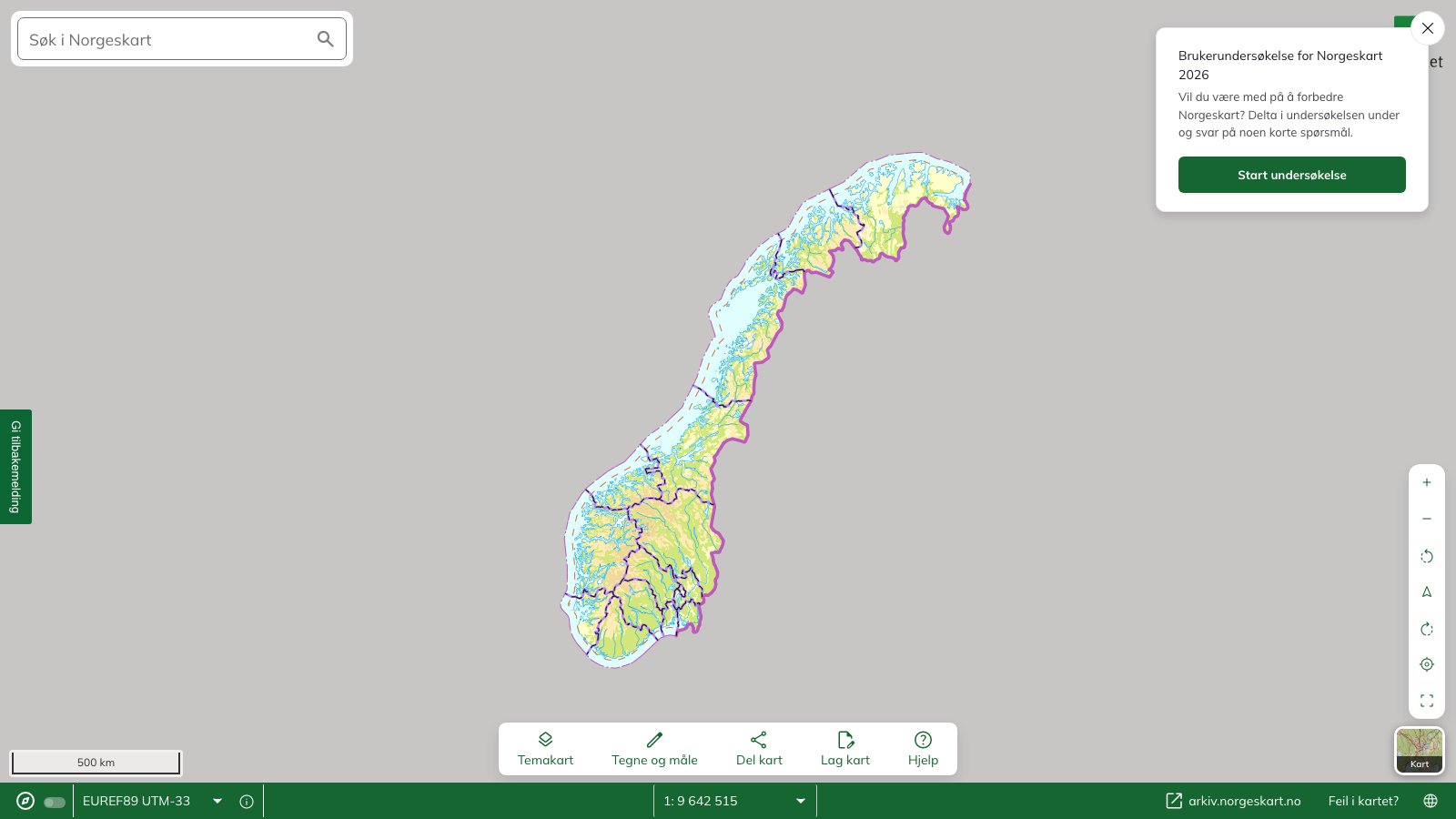
On Norgeskart.no, the Norwegian Mapping Authority has made maps of the whole of Norway freely available. We have gathered a few instructional videos that will make trip planning easier.
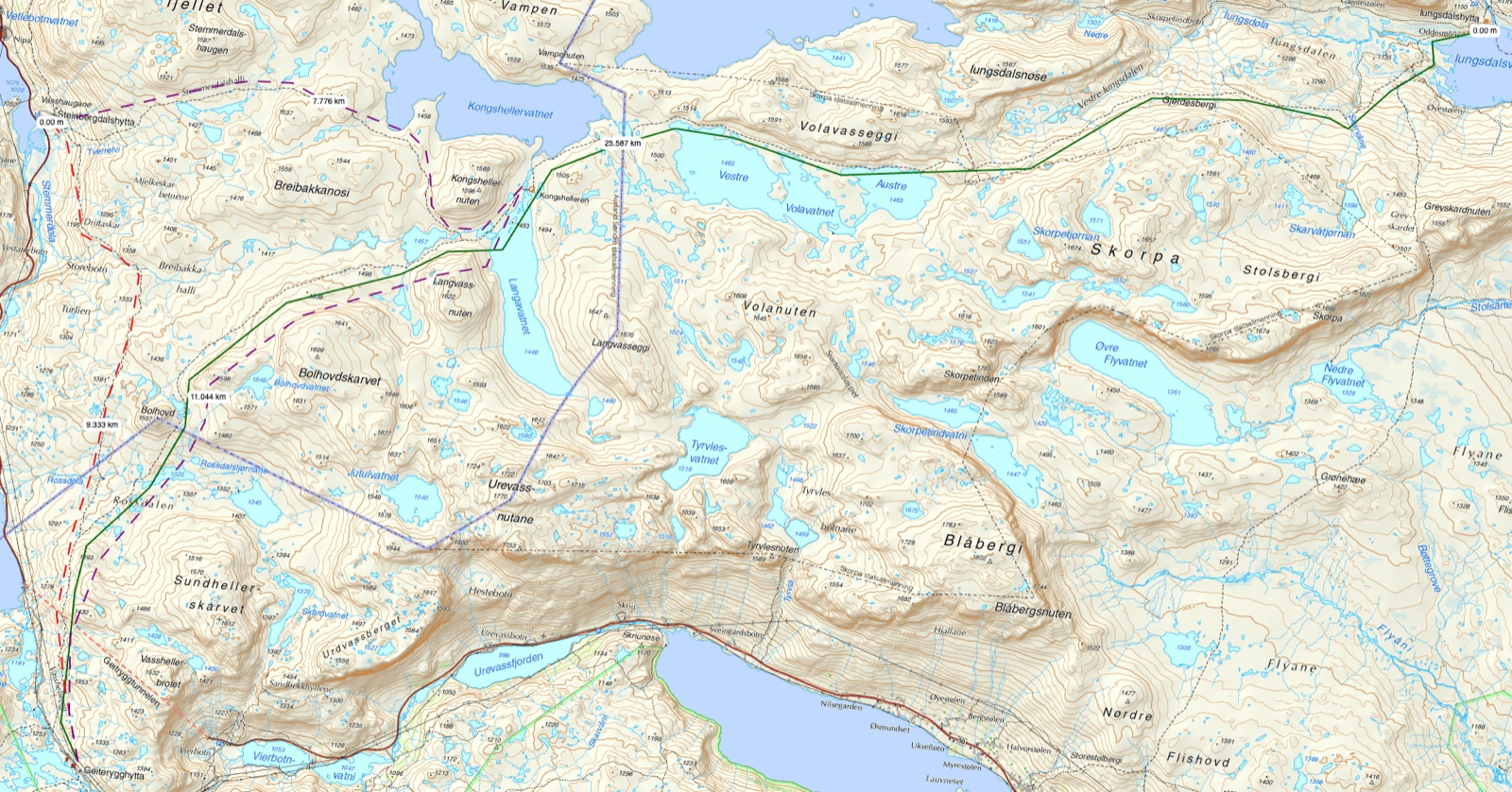
Image 1: Example of route choices on a mountain hike from cabin to cabin. The green line is plan A, the dashed purple line is plan B and the dashed red line is plan C.
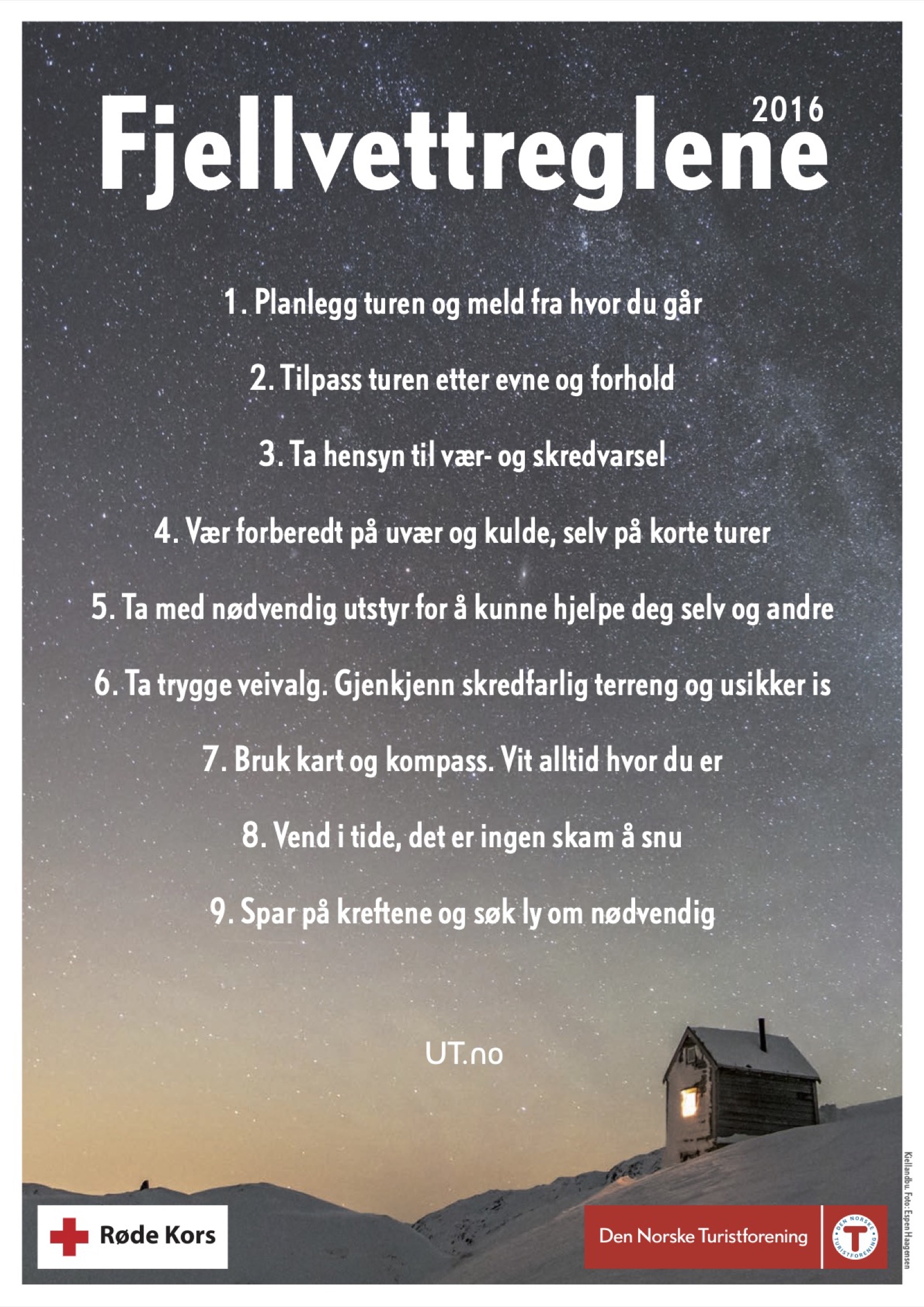
1. Plan your trip and tell someone where you are going.

Time estimation, handrails, catching features and the SARTTO/ARTOT method for systematic route choice and trip planning in the mountains.
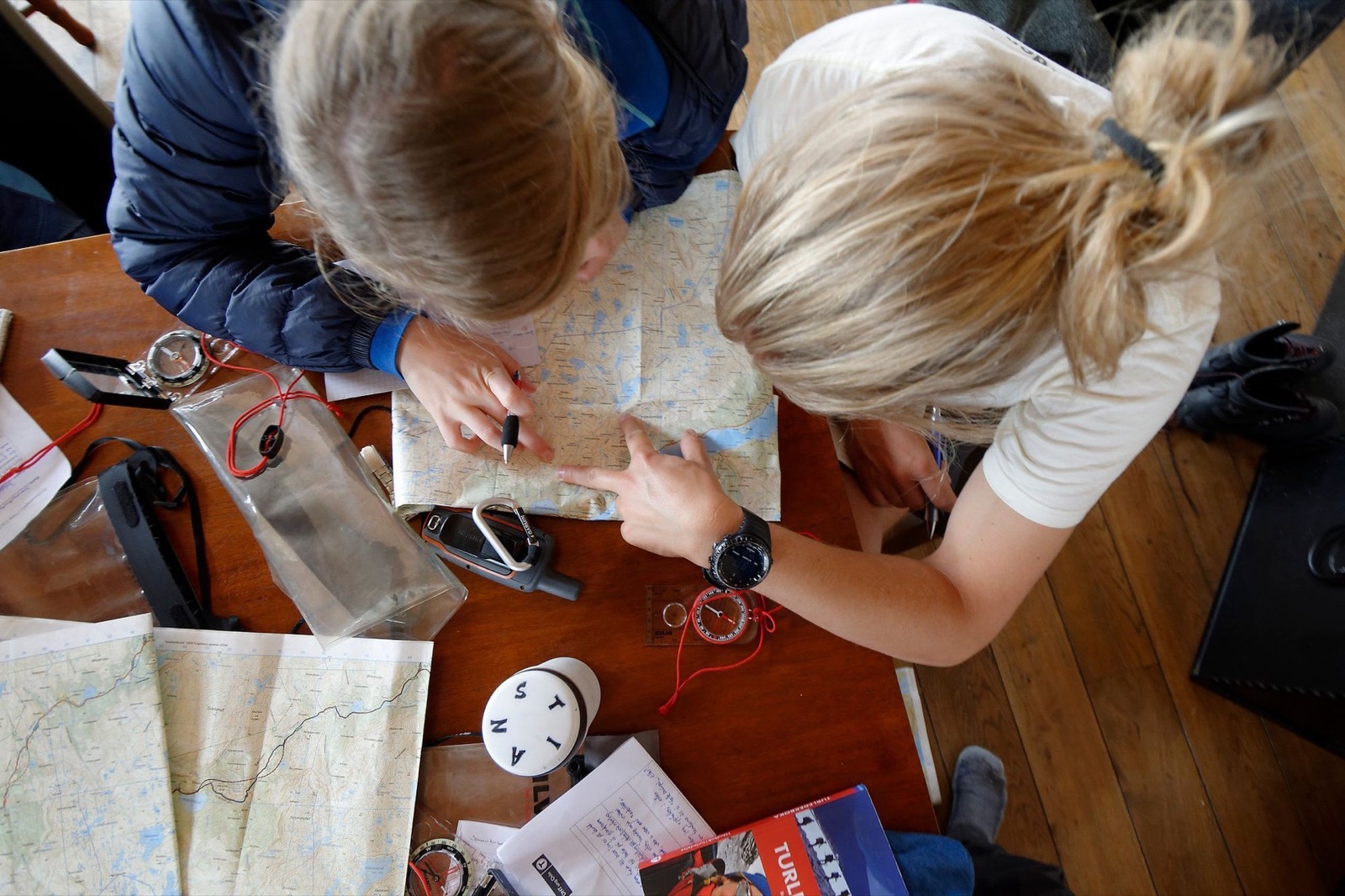
The filter model is a useful tool for assessing risk along the way. We look at the weather, the terrain and the group.
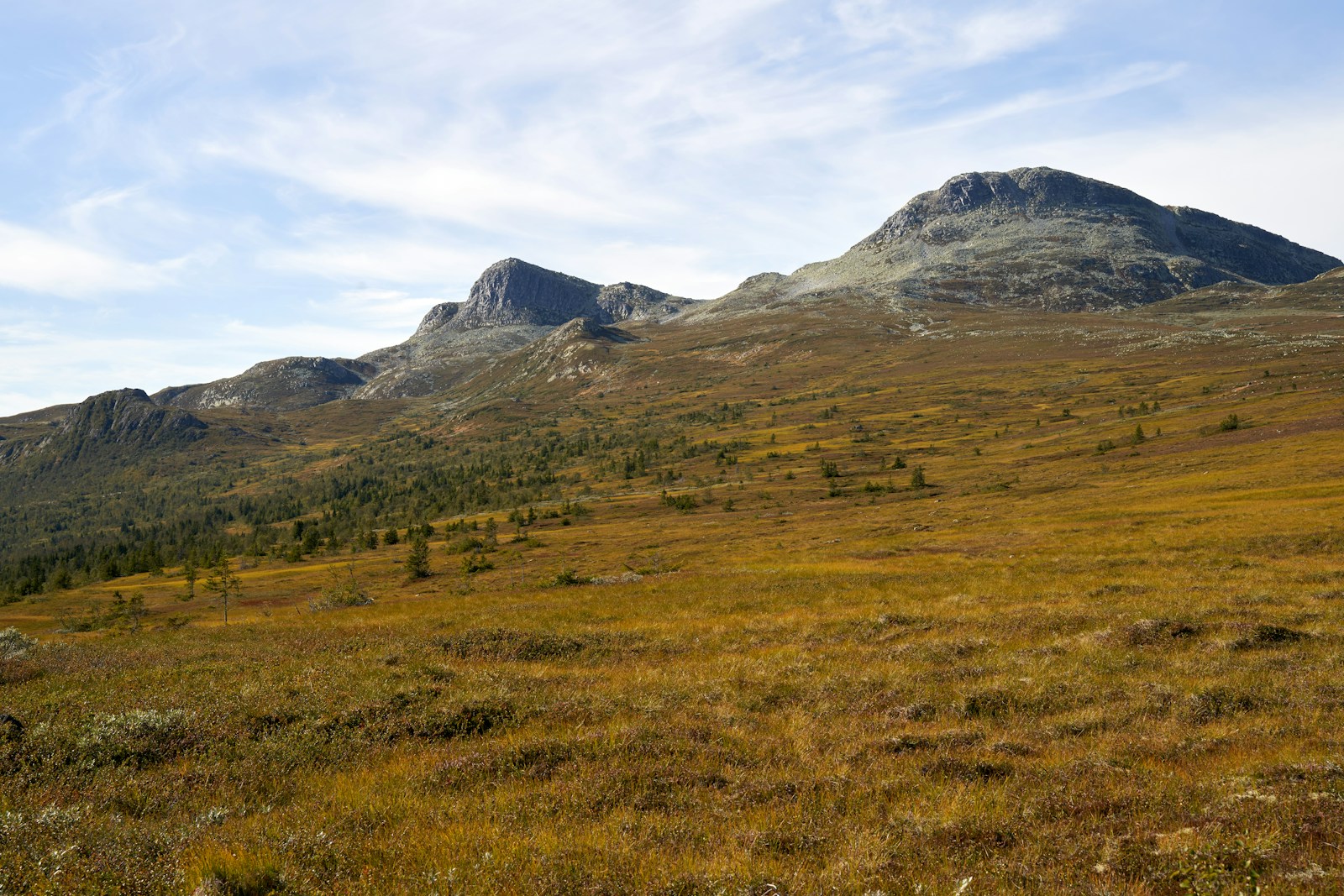
Find out which outdoor activities suit each month. Trips, overnight stays, harvesting and safety throughout the year.
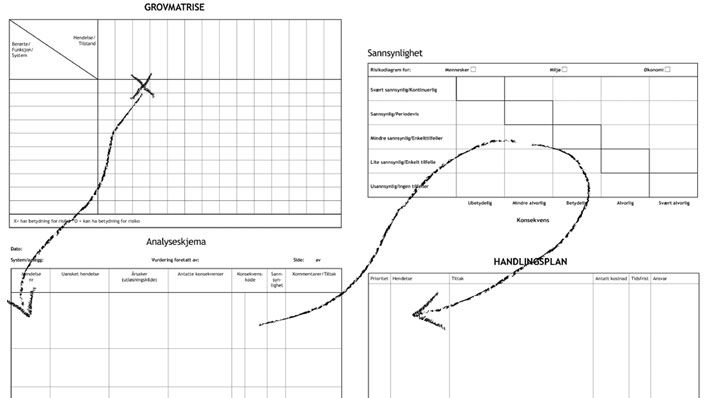
We should always write a concrete trip plan for the trip we are going on. It is common to plan a plan A and a plan B.
Turning back is a skill, not a defeat. Here is how to assess the weather, the terrain, the group and yourself — and how to recognise the thinking that stops you turning back when you should.