Cabins available in Norway
Several providers have cabins in the mountains. Both organisations and private owners let out cabins, and some cabins stand open for use.
8 articles
On a trip lasting several days you need somewhere to spend the night. Whether you sleep indoors in a cabin or out under the stars, the choice is worth planning — it is no fun to find the cabin full while you stand outside in the rain, or that the “perfect tent pitch” has no trees for your hammock.
Norwegian conditions give you an unusual number of options. Allemannsretten lets you pitch a tent in utmark without asking permission — as long as you are at least 150 metres from an inhabited house, stay one night and clear up afterwards. The DNT system gives you over 500 cabins you can reserve or use self-service. Natural shelters such as rock overhangs and large root-plates have given Norwegians a roof over their heads for thousands of years.
Indoors
Outdoors, summer
Outdoors, winter
For anyone starting out outdoors: a 3-season tent on a patch of grass is safe, robust and forgiving. The rest can come in time.
What you are looking for:
Avoid:
For larger groups: existing campsites first. Worn grass is better than yet another new scar of trampling across the heath.
A sleeping bag warm enough for the conditions. On Norwegian mountain trips in the summer half-year, 3-season (comfort -5 to +5 °C) is standard — even in July it can drop below zero at 1500 m above sea level.
A sleeping mat that insulates from the ground. An R-value of 3-4 covers a summer trip. Winter requires 4+ or doubled layers.
Eat hot food before you turn in. A cold body in a cold sleeping bag stays cold all night. A cup of cocoa and a piece of dried fruit 30 minutes before you crawl in rescues many a night.
Tips for winter overnighting → · Routines in camp →
Leave-no-trace travel (sporløs ferdsel) is not optional:
Sustainability and leave-no-trace travel →
On a summer trip in the lowlands, cold is not a problem. On a mountain trip, especially in winter, it is the difference between a good night and a bad one:
DNT has over 550 cabins across the country, from staffed to unstaffed. Three levels:
Plus a sleeping-bag liner is compulsory at all DNT cabins — you put it on top of the cabin bed and inside your sleeping bag.
Text: Gina Wigestrand, Snuitide (2021), revised 2026.
Key resources: DNT — finn hytte · Allemannsretten — Miljødirektoratet
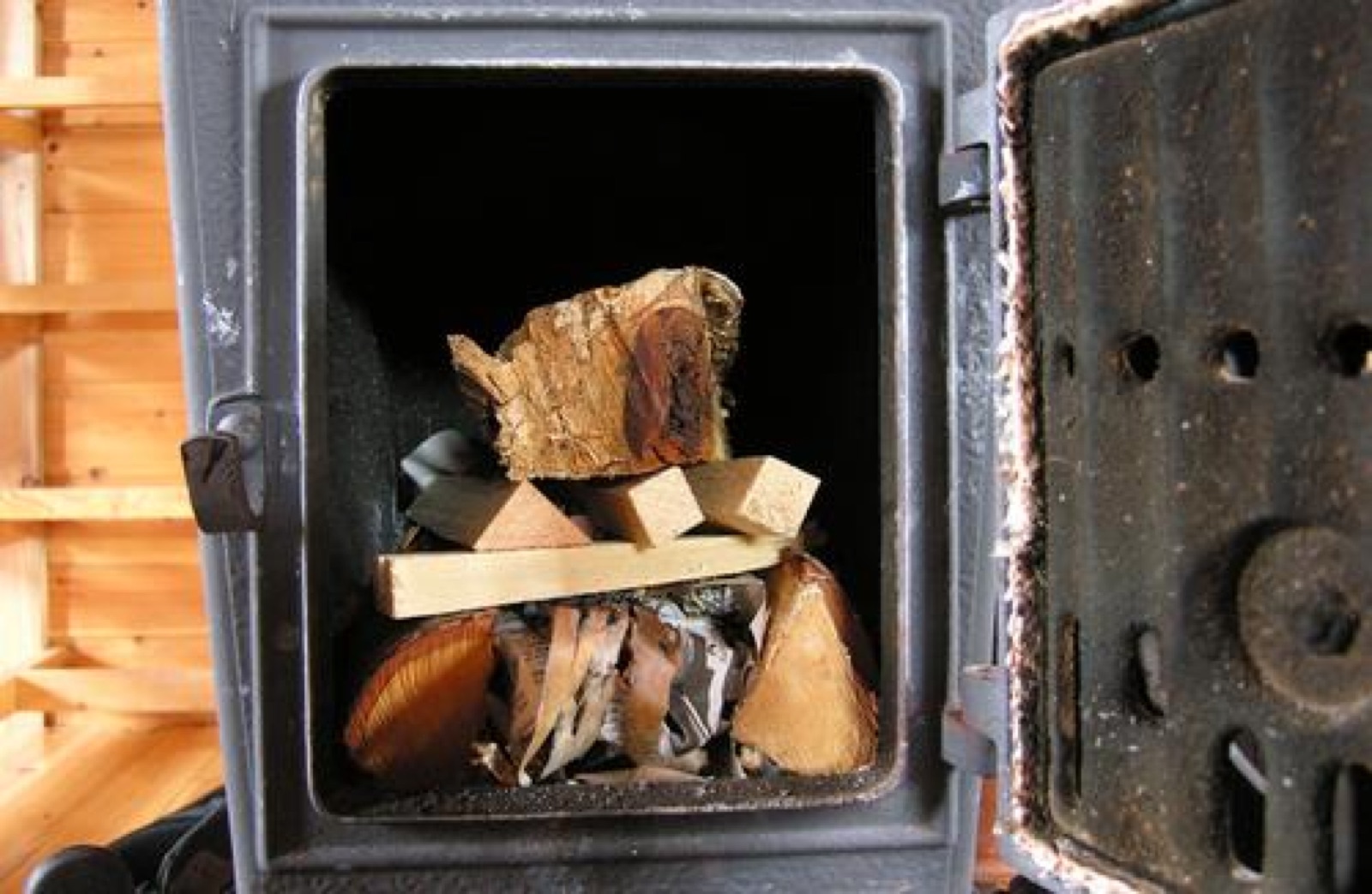
Several providers have cabins in the mountains. Both organisations and private owners let out cabins, and some cabins stand open for use.
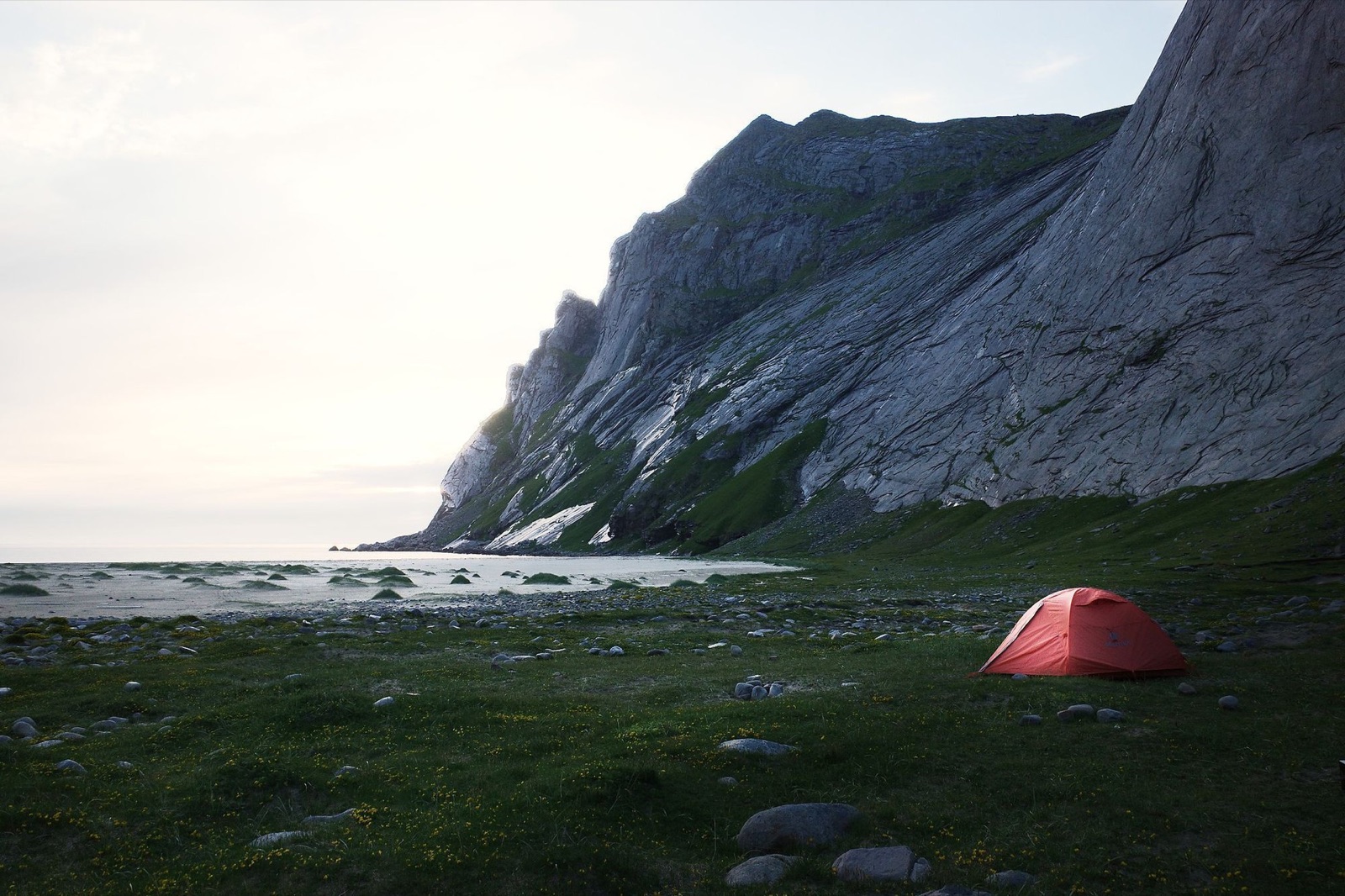
- In camp you are often less active and get cold sooner.
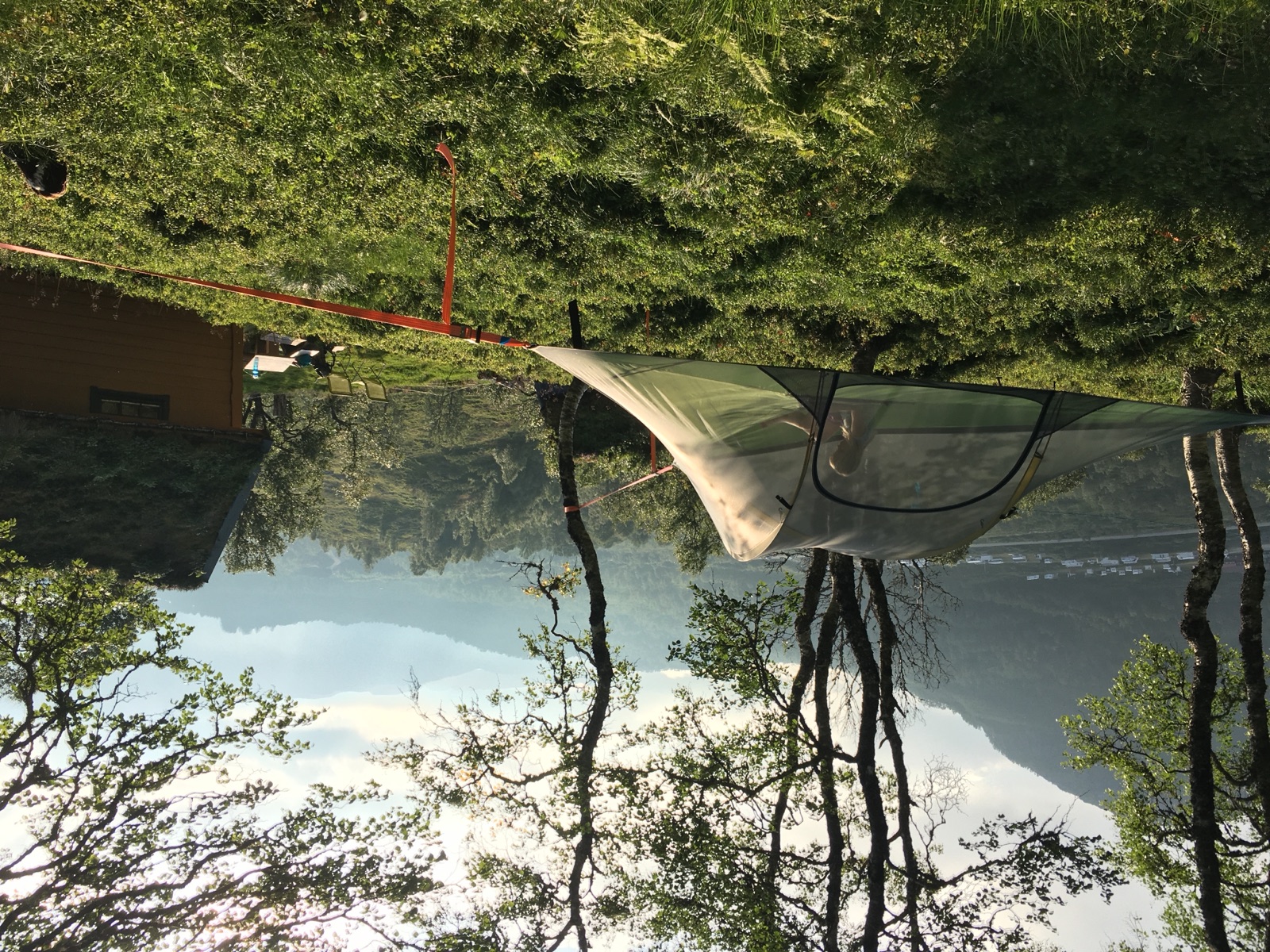
The hammock is a relatively new way to spend the night that has taken off in recent years. In the lowlands especially, where trees are plentiful, it is easy to find somewhere to hang your hammock.
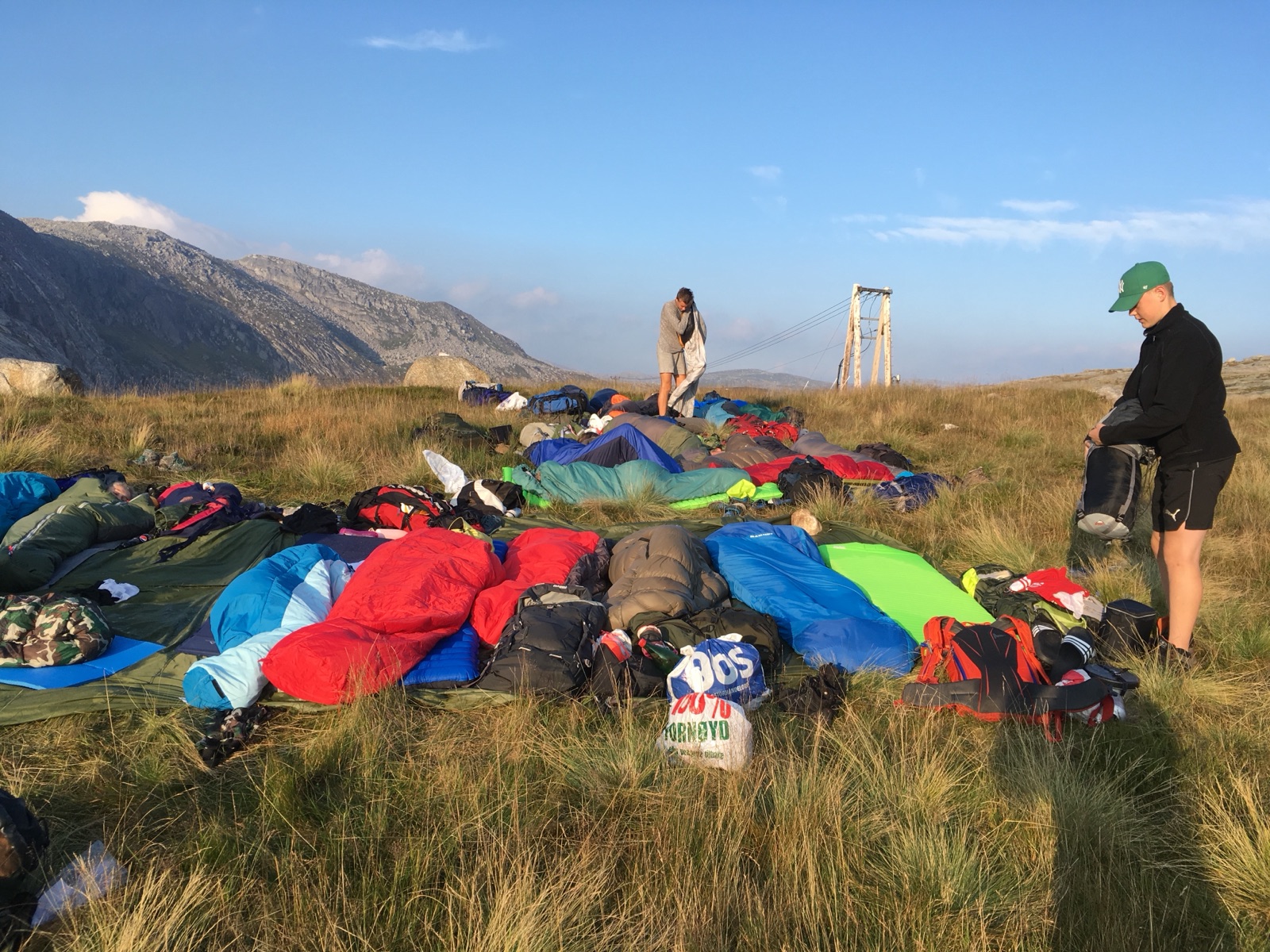
Sleeping under the open sky and under rock shelters — two simple, light and traditional ways of spending the night outdoors, without a tent or cabin.
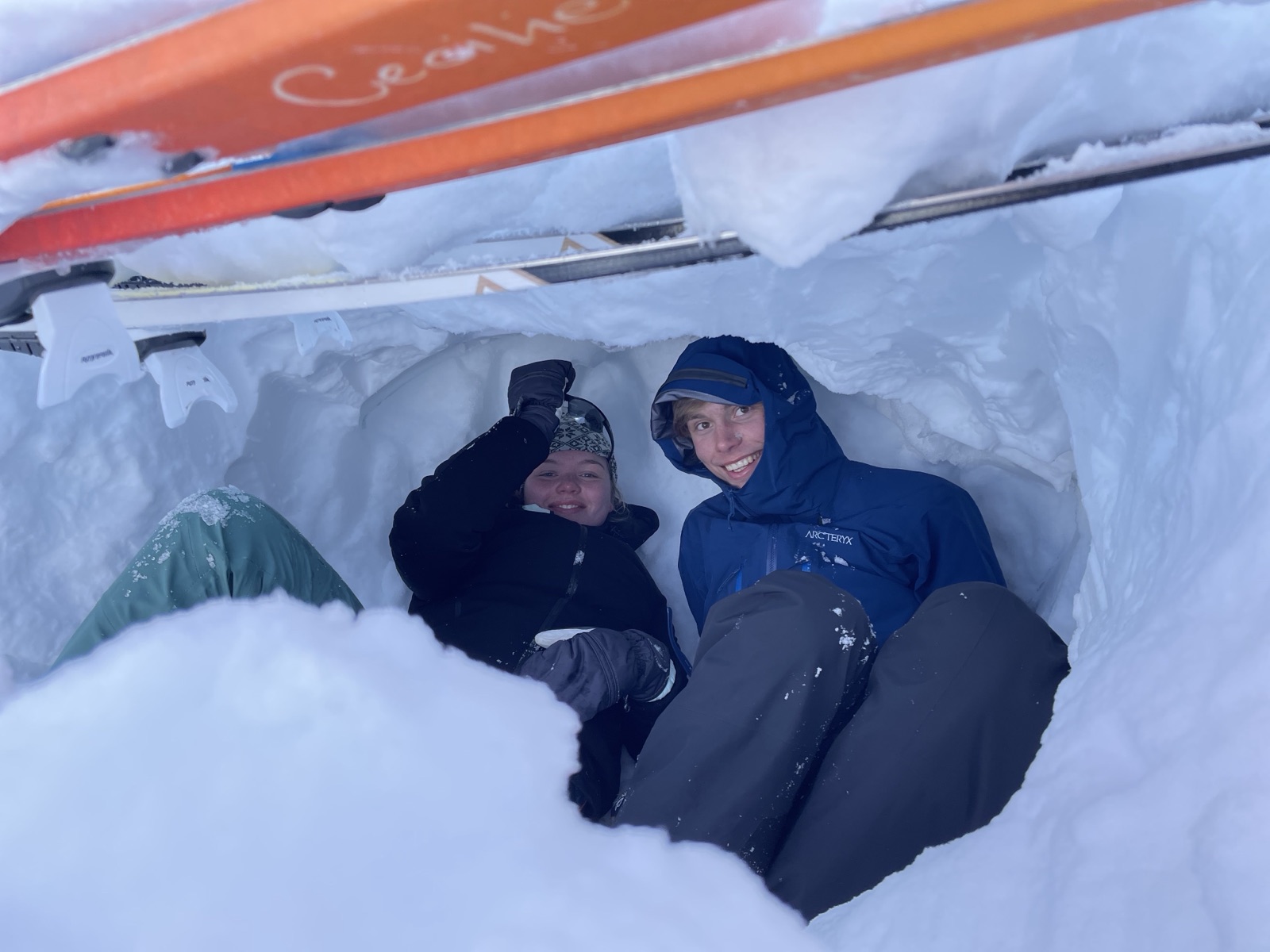
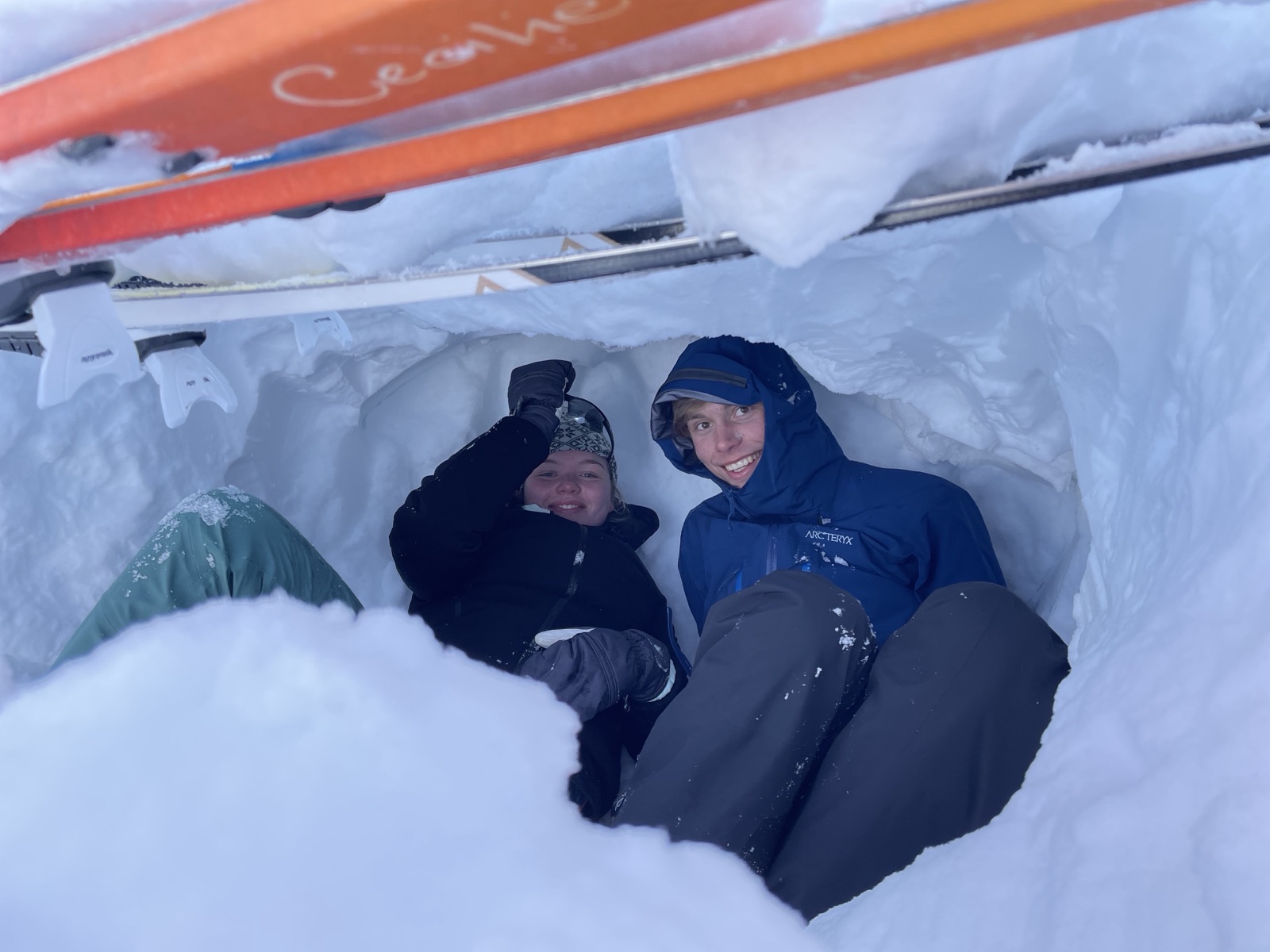
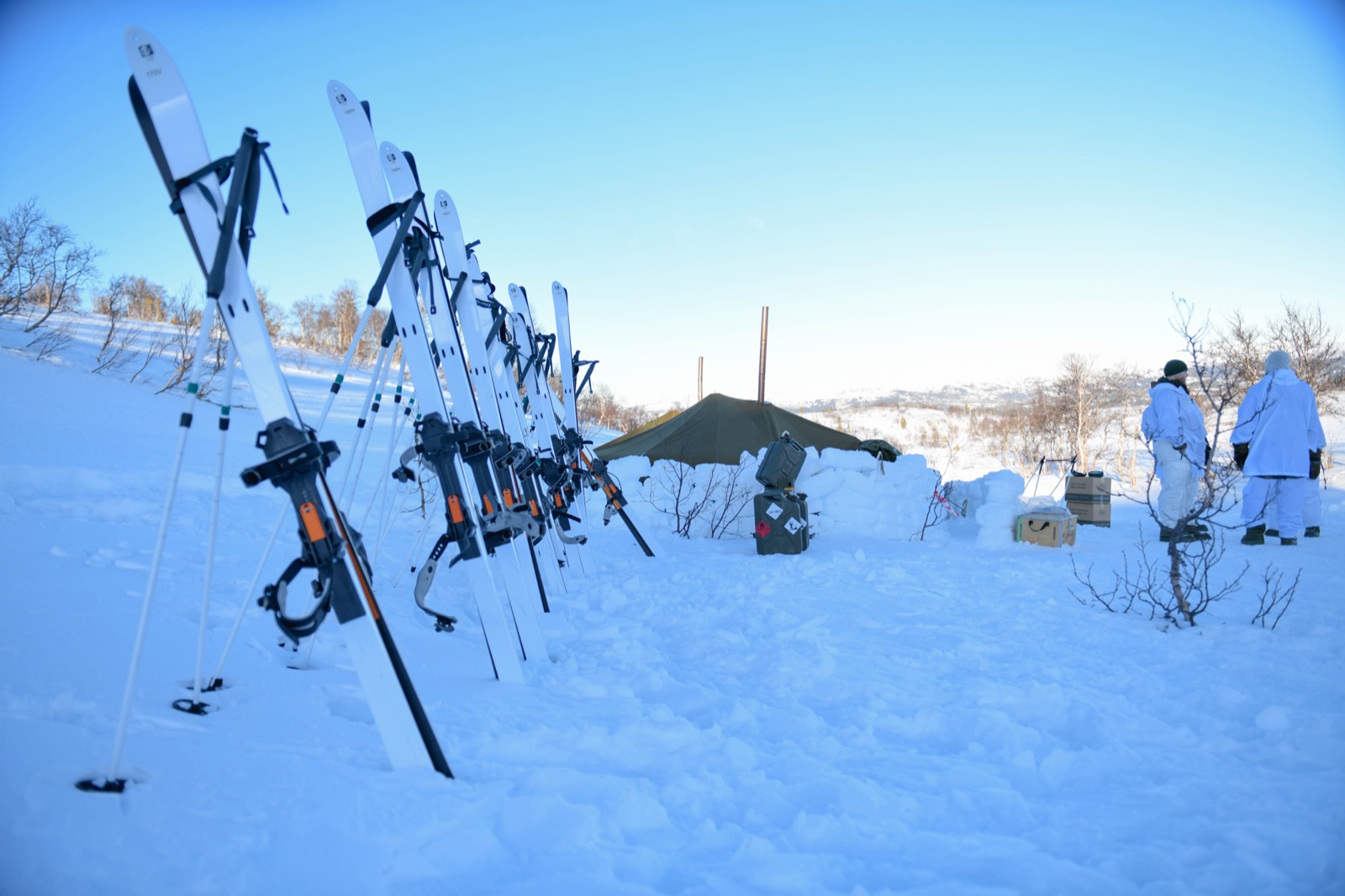
Sleeping in the snow is a unique experience. A snow cave, igloo and snow trench give good shelter from wind and cold once you master the techniques.
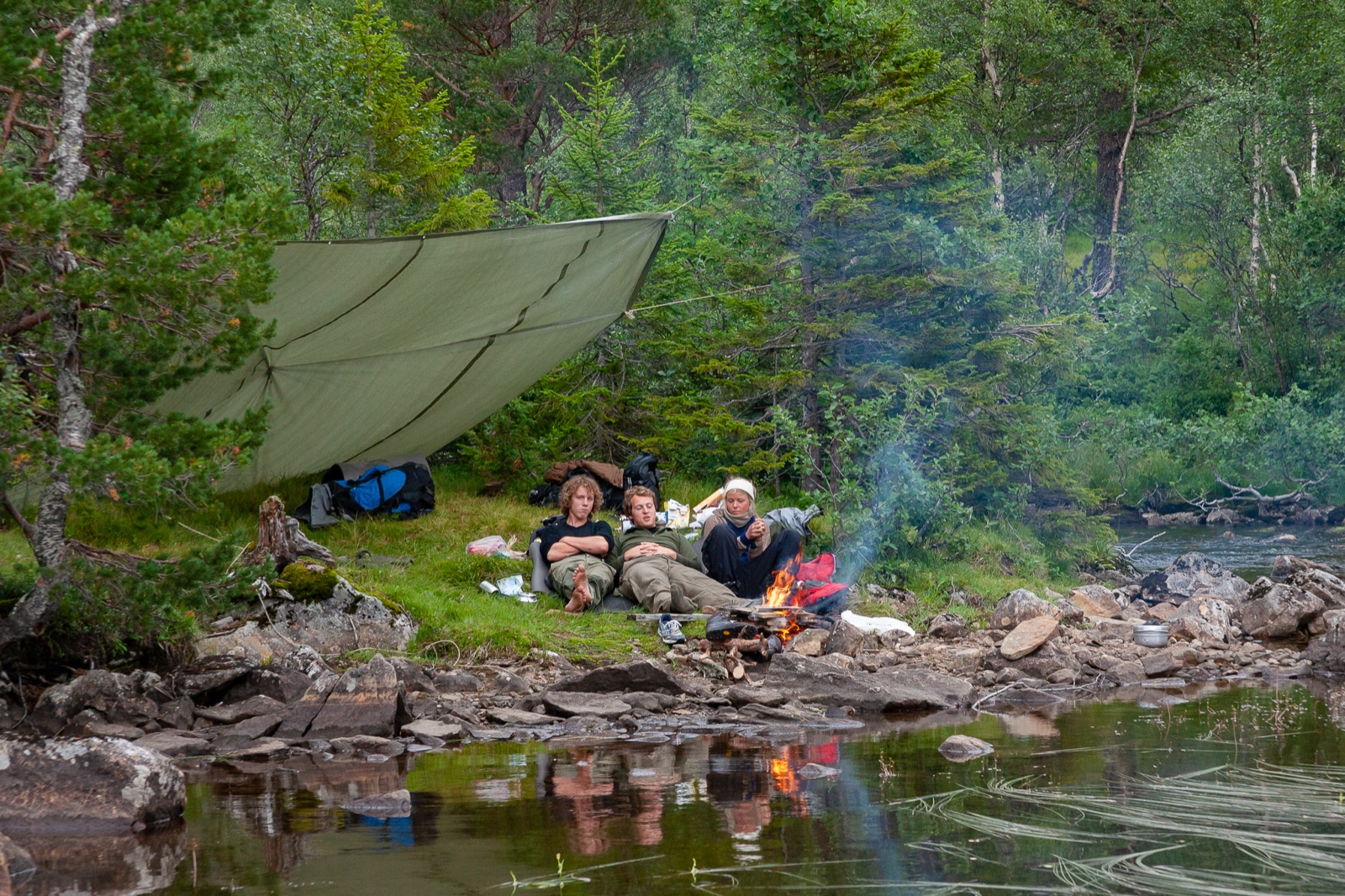
With a tarp we can make our own tent. Many people use the term tarp, which is the English word for presenning. It is easiest to camp in a forest or somewhere with…
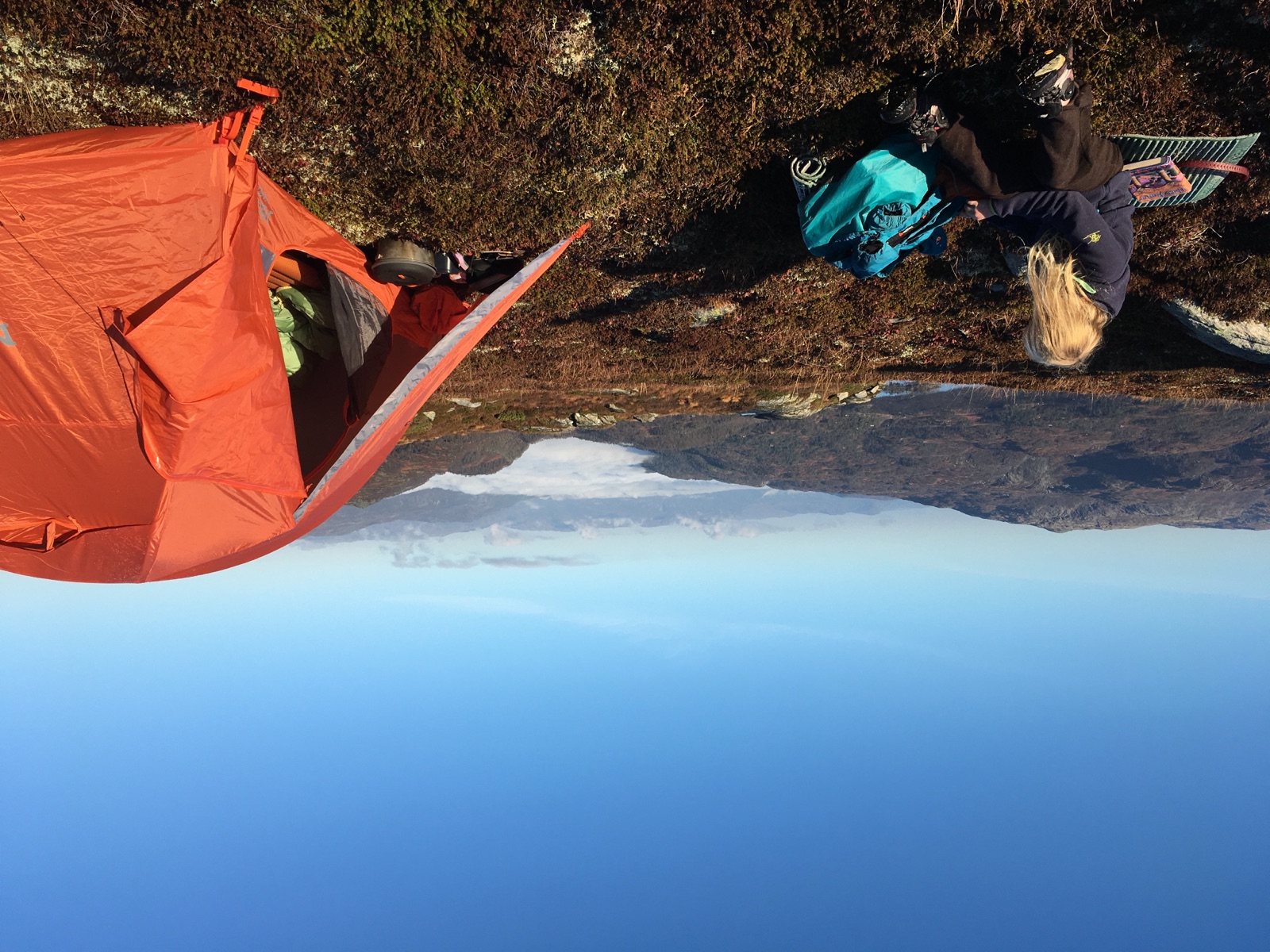
Pitch your tent at home before you set off, so you know how it goes up and are sure you have all the parts.
- Test your equipment before you set out on a longer trip in the high mountains.