Plants & Nature
Birch
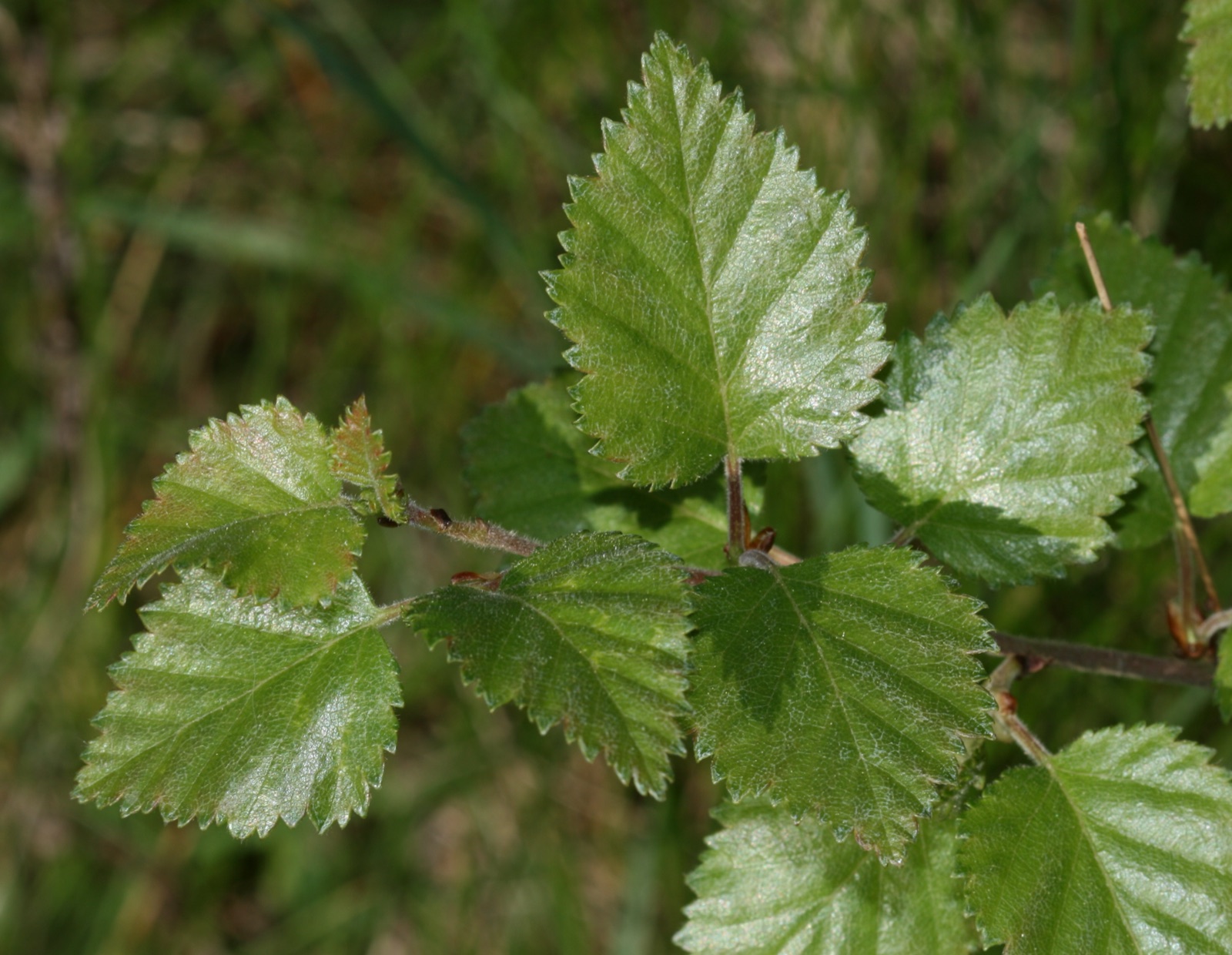
Norway's best-known tree — the first to arrive after the ice age, and still the easiest to recognise. White papery bark, saw-toothed leaves, and birch bark that is gold for getting a fire going.
Birch trees were the first to arrive in Norway after the ice age ended around 10,000 years ago. They are easiest to recognise by the white bark with black markings. The word bjørk comes from old Norse and means “the light tree” — most likely because of this fine white bark.
Characteristics
- Bark: white, papery, with characteristic black horizontal markings
- Leaves: small, glossy, slightly triangular with a saw-toothed edge
- Where it grows: all over Norway, from sea level to the mountain-birch belt (~700–1100 m above sea level)
Use in nature
Leaves
The leaves make good tea. If you pick them just as they are about to burst and look like little mouse-ears, they taste very good in a salad.
Sap
Birch sap (also called birch water) has been used as a vitamin supplement since Norse times. It is mentioned in the old Icelandic sagas as a hair-wash. The sap can be tapped before the leaves come out, early in spring — when the tree needs a lot of fluid to make leaves and flowers.
How to tap it:
- Drill a hole 70–80 cm above the ground
- No more than 5–6 cm deep, angled upwards
- Clean the drill hole with water
- Insert a tapping spile
- Attach a plastic tube that ends in a container on the ground
- Gravity does the work — several litres a day from a large tree
Sustainable harvesting
Plug the hole with a nailed-in wooden peg after tapping to avoid harming the tree.
Birch bark — gold for getting a fire going
The white bark (called never) burns very well and is excellent for getting a campfire going. It is worth gathering a little as you go on the trip so you have something to start the fire with in the evening.
Find firewood and a suitable fire site →
Birchwood
Dry birchwood burns well and is easy to light. One of the most widely used types of firewood in Norway.
Note: Dead birch twigs often rot from the inside and can be hard to light. Check the inside of the twig before relying on it.
Other uses
Birch does not affect the taste and is therefore used for:
- Food packaging
- Ice-lolly sticks
- Toothpicks
- Spatulas in kitchen utensils
Habitat type
Forest — from the lowlands up to the mountain-birch belt. It tolerates more mountain conditions than most other tree species.
Edible
Yes — both the leaves (in tea or salad when freshly sprung) and the sap (drunk straight or processed).
Food from nature — wild plants → · Plants and nature →
Tekst: Lærke Stewart og Gina Wigestrand, Snuitide (2022), bearbeidet 2026.