Avalanches
A lot of water in the snow
Danger signs for avalanches: rain on snow makes it heavier and weaker, melts the bonds between the grains and increases the avalanche danger — both wet slab avalanches and loose-snow avalanches.
Has it rained overnight, or is it starting to rain while you are out?
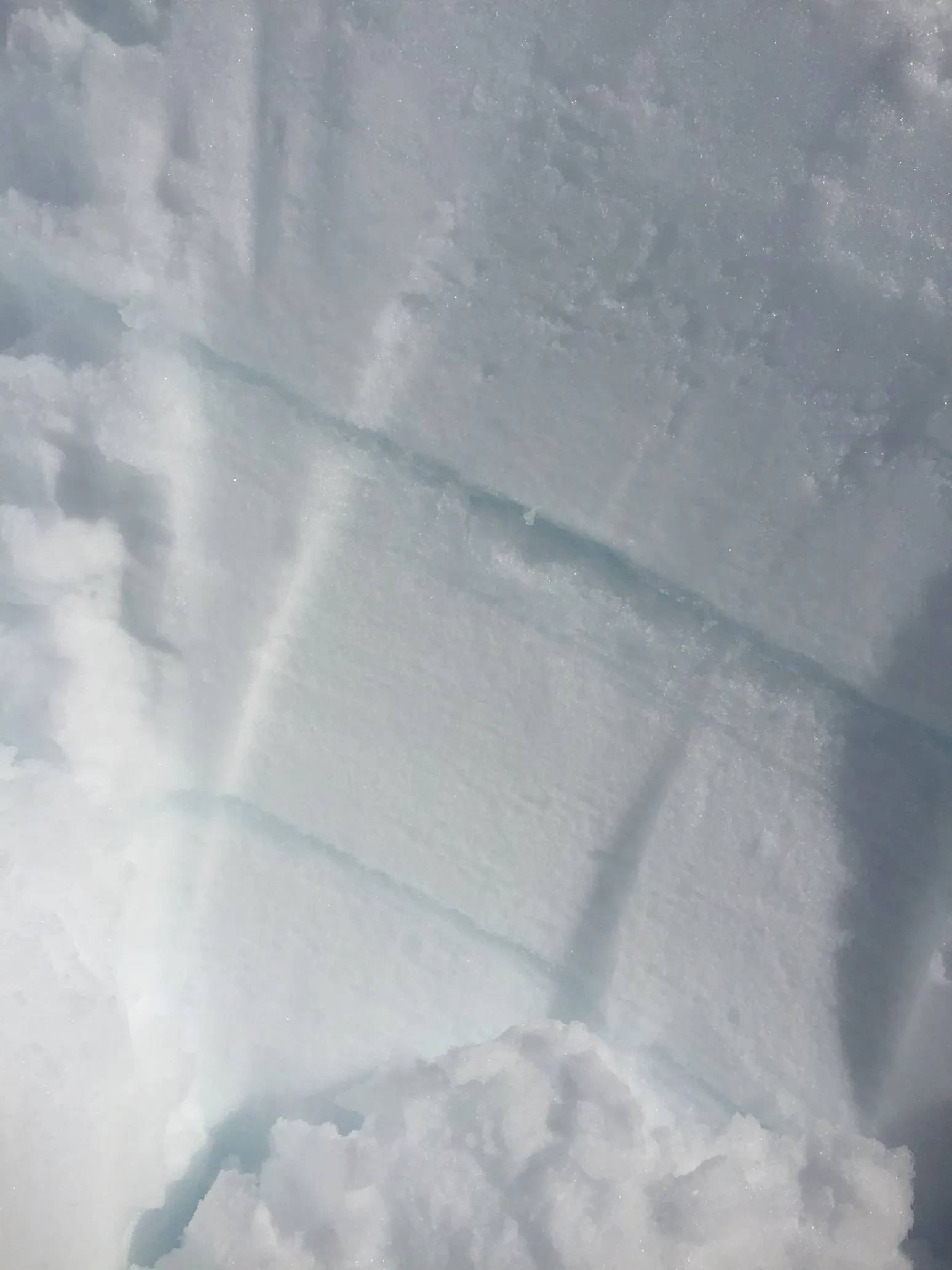
A lot of water in the snow. Photo: Varsom.
When it rains, the snow often becomes heavier and weaker. The uppermost part of the snow layer fills with water, and that increases the load and the movement within the snow layer. At the same time the bonds melt in the uppermost snow layers and become poorer. Both factors lead to increased avalanche danger.
The result of rain on the snowpack can be both wet slab avalanches and wet loose-snow avalanches.
In areas with a lot of rain and mild weather through the winter, you often see a marked boundary between the uppermost, relatively dry snow and the darker snow that has been exposed to a lot of rain and mild weather.
Learn more about avalanche problems and danger signs
Wind slab · Wet snow · Rapid rise in temperature · Shooting cracks
Text: Snuitide. Photo: Gina Wigestrand, Varsom.
Sources: Varsom.no — NVE’s avalanche warning service.