Animals & Tracks
19 articles
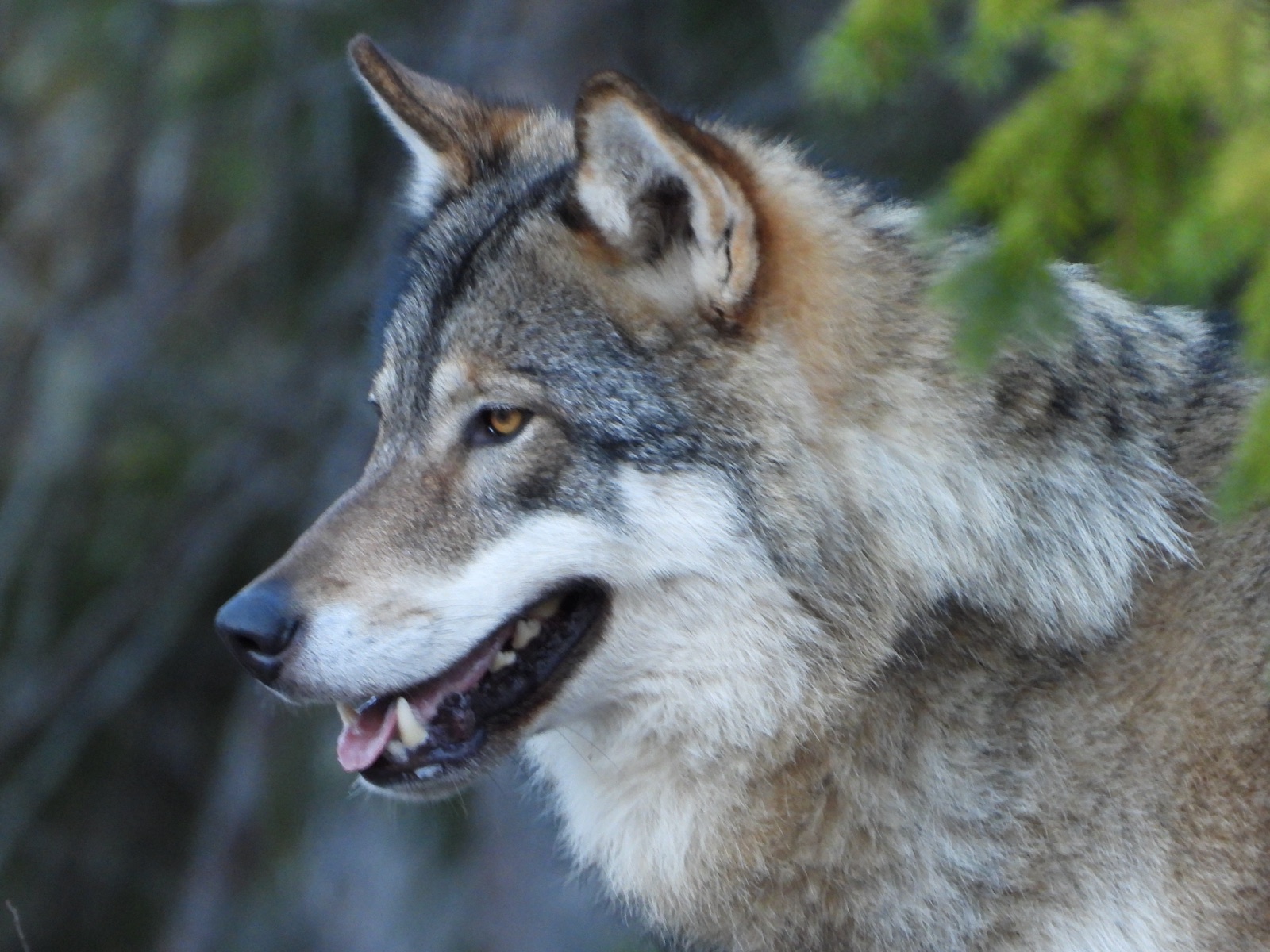
Norway’s forests and mountains are home to animals, birds and insects. Some are very shy — few people have ever seen the lynx. Others you meet more often: ptarmigan, fox, moose, hare, small birds. Even when you do not see the animal itself, it often leaves signs behind: footprints in snow, droppings that tell of its diet, browsing marks, hollow trees, gnawed branches.
Going out on a tur in nature is paying them a visit. It asks of us that we know how to behave.
When you meet an animal
If the animal has not noticed you, it can help to talk calmly so it gets the chance to register you and withdraw quietly. Never surprise an animal at close range.
If the animal does not move off, it may mean that it:
- Is protecting young or territory nearby
- Feels so threatened that it does not dare turn its back to you
- Is wounded or sick
In all three cases the right thing is to withdraw calmly — preferably sideways, not straight backwards. Speak low and quietly. Never walk towards the animal or behave threateningly.
Livestock on pasture
Cows and sheep are often more unpredictable than wild animals — they are used to people without being afraid of them. Cows with calves can be dangerous. The most common advice:
- Walk around the herd in a wide circle
- If you must cross pasture, walk calmly and speak in a low voice
- Do not let the dog off the lead through a pasture — even without permission, there is a dog-on-lead period (båndtvang) from 1 April to 20 August
If a cow or bull starts to move towards you, head for the nearest fence or woodland without running. Running triggers the chase instinct.
The wild reindeer and the marks of our visits
People out on a tur are a significant source of stress for wild animals. On the Hardangervidda the pressure is so great that wild reindeer avoid areas where more than around 30 people pass along a path over the course of a day (NINA). It means that a well-used trail in effect works as a barrier the animals will not cross.
The wild reindeer is classified as ‘near threatened’ on the Norwegian Red List for Species 2021 (Artsdatabanken). They are very shy, live in herds that move nomadically between grazing grounds, and have a good sense of smell that lets them detect people from a long way off. They are especially vulnerable from 15 April to 15 June — the calving season.
To reduce the strain on the wild reindeer:
- Stick to marked trails — it reduces the area that human activity covers
- Stop and let the animals pass if you see them
- Keep your distance — use binoculars
- Stay downwind so your scent does not reach them
- Avoid being silhouetted against the sky — keep below the ridge line
- Dog-on-lead (båndtvang) — even outside the statutory period, be considerate
Norway is home to the last wild reindeer populations in Europe. It is part of our natural and cultural heritage that calls for active protection — including from us out on a tur.
The reindeer — the mountain’s nomad →
Tracks — what they tell you
Even though you seldom see the animal itself, tracks can tell you a great deal:
- Footprints — easiest to spot in snow or soft ground. Shape, size and gait pattern reveal the species.
- Droppings (faeces) — tell you both the species and what the animal has recently eaten
- Browsing marks — gnawed branches, bitten-off tips, scraped bark
- Fraying — deer rub the softer ‘velvet’ skin off new antlers against trees and bushes
- Antlers — deer shed their antlers each year; you can find them out in nature
- Hollow trees — used by woodpeckers, squirrels, owls
Winter is the best season for tracks — snow preserves them perfectly. Summer tracks are fainter and take more practice to read.
Remember that you are only a visitor
Nature is not a backdrop we visit. It is the home of the animals, birds and insects that live there all year round. Going out on a tur means being a guest. Keep your distance. Show respect. Take your rubbish home. Follow the trail where you can.
These are simple rules, but they make the difference between being a useful guest and a nuisance to the residents of the home.
The animals on Snuitide
We have separate articles on these animals — their biology, where you find them, how to recognise their tracks:
The deer family
- The moose — king of the forest
- The red deer — shy and beautiful
- The roe deer — the small, quick one
- The reindeer — the mountain’s nomad
- Musk ox
The predators
- The brown bear — the big brown one
- The wolf — the notorious grey one
- The lynx — the tiger of the north
- Wolverine — the mountain’s scavenger
- Red fox — the cunning one
Small mammals
- Hare — the forest’s sprinter
- Squirrel — the little acrobat
- Badger — better than its reputation
- Small rodents
Reptiles and birds
Insects and spiders
Text: Snuitide (2022), revised 2026. The section on the wild reindeer’s habitat is based on material from Norsk Villreinsenter and NINA.
Key resources: Artsdatabanken — Norsk rødliste · Norsk Villreinsenter · Miljøstatus — vilt
Wildlife
19 entries