Animals & Tracks
Small rodents
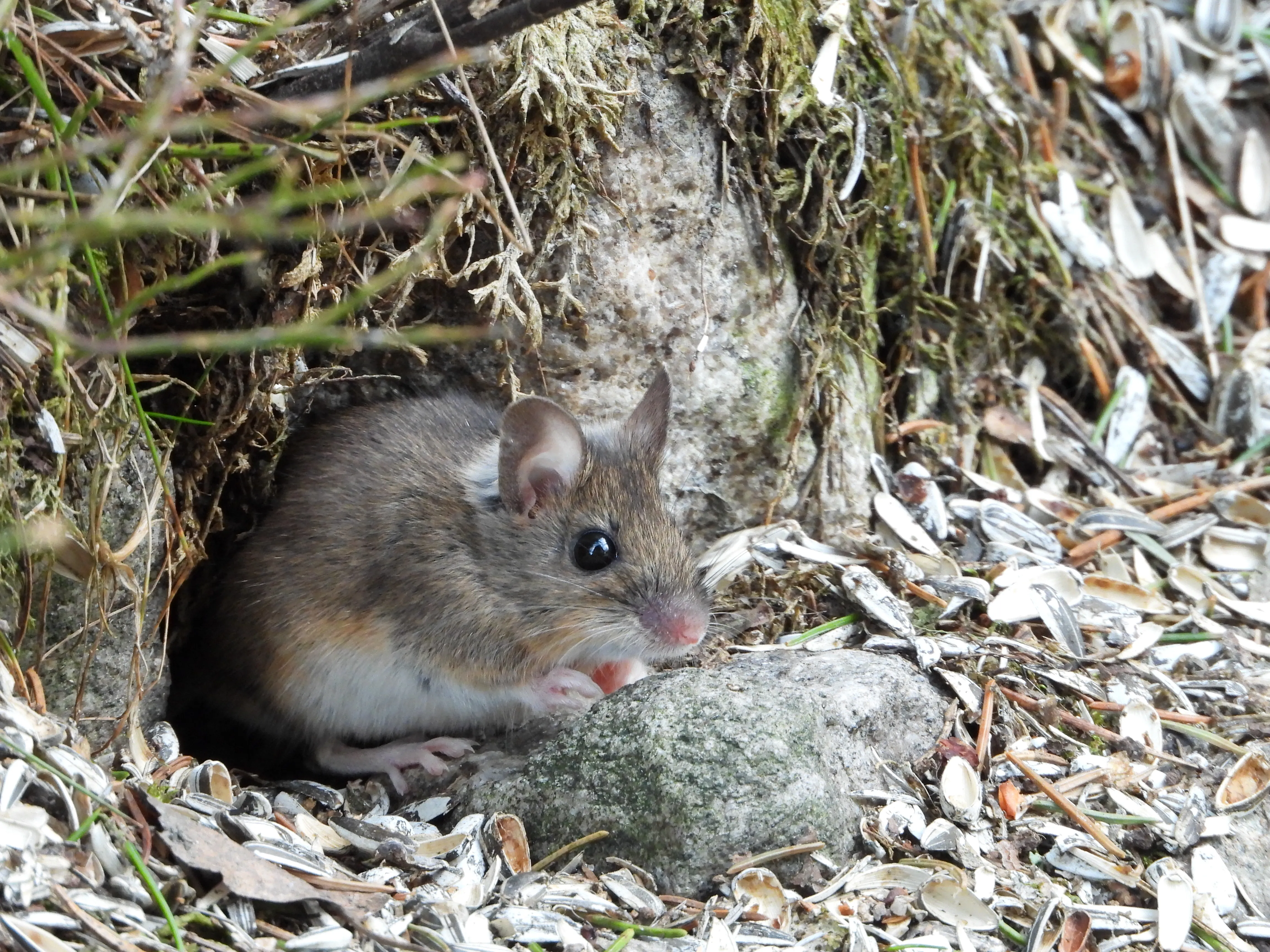
Norwegian nature is home to a range of small rodents. Mice, water voles and lemmings. What the rodents have in common is their enormous influence on the rest of the ecosystem.
Created: May 30, 2022 10:11 AM
Norwegian nature is home to a range of small rodents. Mice, water voles and lemmings. What the rodents have in common is their enormous influence on the rest of the ecosystem. This is because they are very important food for a great many other species. The fox, the tawny owl, the stoat, the kestrel and many, many more all have small rodents as their most important prey. Small rodents therefore help to determine how many of these predatory mammals and birds come into the world.
Rodent year
Small rodents have an enormous capacity to breed. In just a few months a mouse can go from being newborn to being a great-great-grandfather to countless young. As a result, in certain years (usually roughly every fourth year) so many small rodents appear that it can seem they are swarming everywhere! In such years there will be far better survival for the offspring of all the species that eat small rodents — and so there will be more predatory mammals and birds of prey.
As a rule the number of small rodents collapses after such a year, so that most of them die. Exactly why this happens is still not certain, but there are a handful of theories that probably provide a good explanation when combined. A combination of high numbers of predatory mammals and birds, plenty of bitter compounds in the plants (the plants’ defences against grazing) and high internal competition and stress in large populations are all theories that do not rule one another out. The fluctuations in the number of rodents are clearer the shorter and more intense the summer is — as it typically can be in the high mountains.
Next steps
- Animals and tracks — the hub
- The adder — the adder’s main prey
- Red fox — the cunning one — other small game
- Hare — sprinter of the forest — other small game
Learn more
- Artsdatabanken — species, status, Red List
- Miljødirektoratet — predators — management
- NINA — Norsk institutt for naturforskning — research on Norwegian fauna
- Naturveilederen — Bjørn Henrik Stavdal Johansen — nature communication