Right to Roam
What the right to roam says about different activities
You may walk freely wherever you like in utmark, as long as you do so considerately. The duty to travel without leaving a trace and not to cause unnecessary damage to the terrain or…
Contents
Where can I go walking?
You may walk freely wherever you like in utmark (uncultivated land), as long as you do so considerately. The duty to travel without leaving a trace and not to cause unnecessary damage to the terrain or disturb wildlife always applies when we are out in nature. On innmark (cultivated land) the rules are that you may walk on roads and paths, as long as you keep a good distance from houses, cabins, gardens and farmyards. You may also cross frozen or snow-covered fields and meadows in the period from 15 October to 29 April. Read more about access and movement on the Norwegian Environment Agency’s (Miljødirektoratet) website.
Where and when may I light a fire?
As a general rule you are not allowed to light a fire in or near forest land in the period from 15 April to 15 September. If it is not done responsibly, even a disposable barbecue in the park is unlawful. Lighting a fire at the water’s edge is fine, however, as long as you do not damage the ground and cause a fire risk. Stricter local rules may also apply. Read more about lighting fires on the Norwegian Environment Agency’s website.
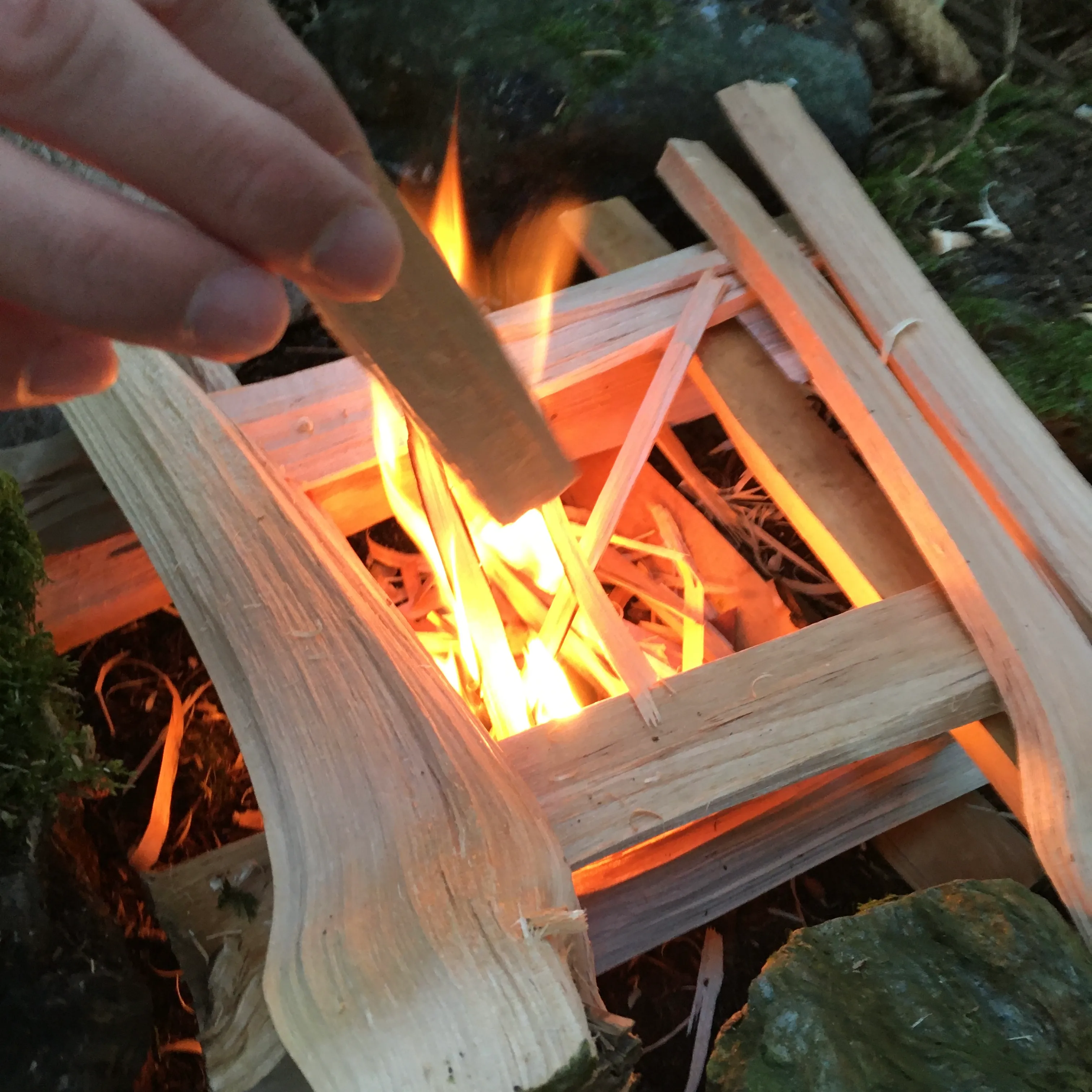
Photo: Gina Wigestrand
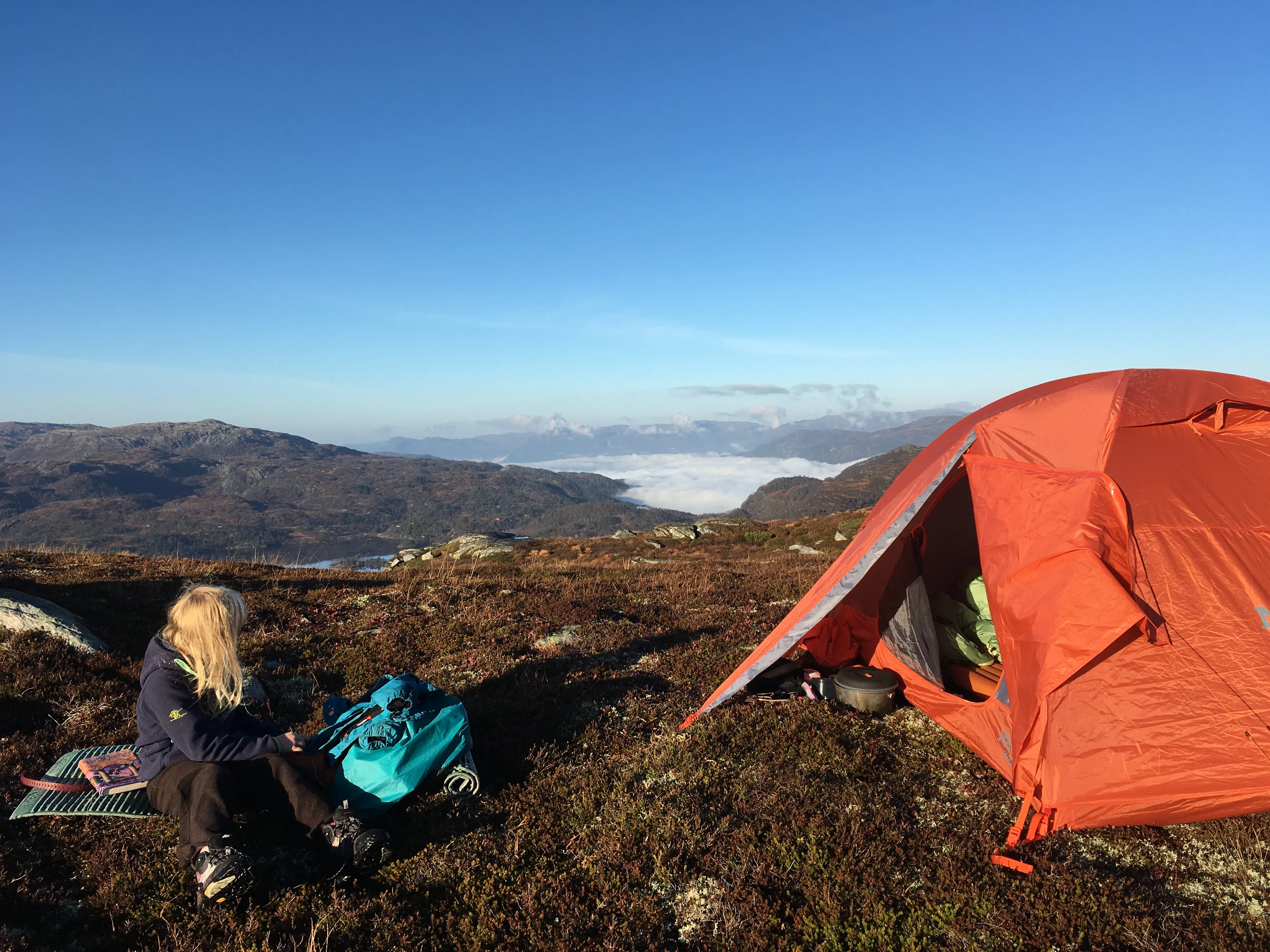
Photo: Gina Wigestrand
Where may I pitch a tent or hang a hammock?
You are allowed to camp in utmark without the landowner’s consent, as long as you do not disturb the residents’ peace. The tent and the hammock must be placed at least 150 metres from inhabited houses and cabins, and may stand for a maximum of two 24-hour periods, unless you get the landowner’s consent to stay longer. If you pitch a tent in the high mountains or in an area far from any dwellings, the time limit of two days does not apply. Read more about camping and hammocks in nature on the Norwegian Environment Agency’s website.
What are the rules for hunting and fishing?
All fishing in the sea that takes place from land is defined as recreational fishing and may be freely carried out. The same applies to fishing that takes place from a recreational boat. When you fish you may freely use hand tackle such as a rod or line. If you fish with traps or fyke nets, you may use a maximum of 20 traps at a time. If you are fishing for cod with a net, the net may have a total length of no more than 165 metres. For many species, such as cod, rules on minimum legal size (minstemål) apply. At certain times of the year there is also a ban on fishing for some species. Read more about the fishing rules on the Norwegian Environment Agency’s website.
Photo: Gina Wigestrand
To be able to hunt you must pass a jegerprøve (hunting proficiency test) and obtain a hunting licence. Hunting and fishing in fresh water and watercourses are not part of the right to roam.
As a general rule it is only the landowner who has the right to do so, and it is therefore the landowner who must give you permission. For children and young people under 16, however, separate rules apply. They may fish freely in fresh water, except in watercourses or parts of watercourses where there is salmon, sea trout or sea char.
Photo: Gina Wigestrand
Where can I go skiing?
The Outdoor Recreation Act (friluftsloven) establishes that you may travel on foot all year round, as long as you do so considerately. “On foot” also includes skiing. If you are on innmark, for example cultivated land, and it is frozen or covered in snow, you may travel there on skis, but not in the period between 30 April and 14 October. Read more about skiing on the Norwegian Environment Agency’s website.
Where can I cycle?
In principle you may cycle freely as much as you like, both on paths and roads in utmark. If you are on two wheels above the treeline, you may also cycle off paths and roads. Locally there may be stricter rules, for example in national parks and nature reserves.
Cycling in the open is covered by the duty of care, which says that you must behave considerately and carefully. In practice this can mean, for example, slowing down when you meet people on foot, and that in certain places it may be sensible to get off the bike in areas where you could damage the ground. Read more about cycling on the Norwegian Environment Agency’s website.
Where may I pick berries, mushrooms and other plants?
You may pick wild berries, mushrooms, flowers and herbs in utmark; it is part of the right to roam. Wild nuts must be picked and eaten on the spot. If you live in Nordland, Troms or Finnmark, the gathering of cloudberries is prohibited in some places. So always familiarise yourself with the local rules.
The right to roam nevertheless always gives you the right to pick cloudberries that are eaten on the spot. And the well-known favourites such as bilberries, wild strawberries, lingonberries and raspberries you may, without exception, help yourself to generously, lawfully, all over the country. Read more about harvesting from nature on the Norwegian Environment Agency’s website.
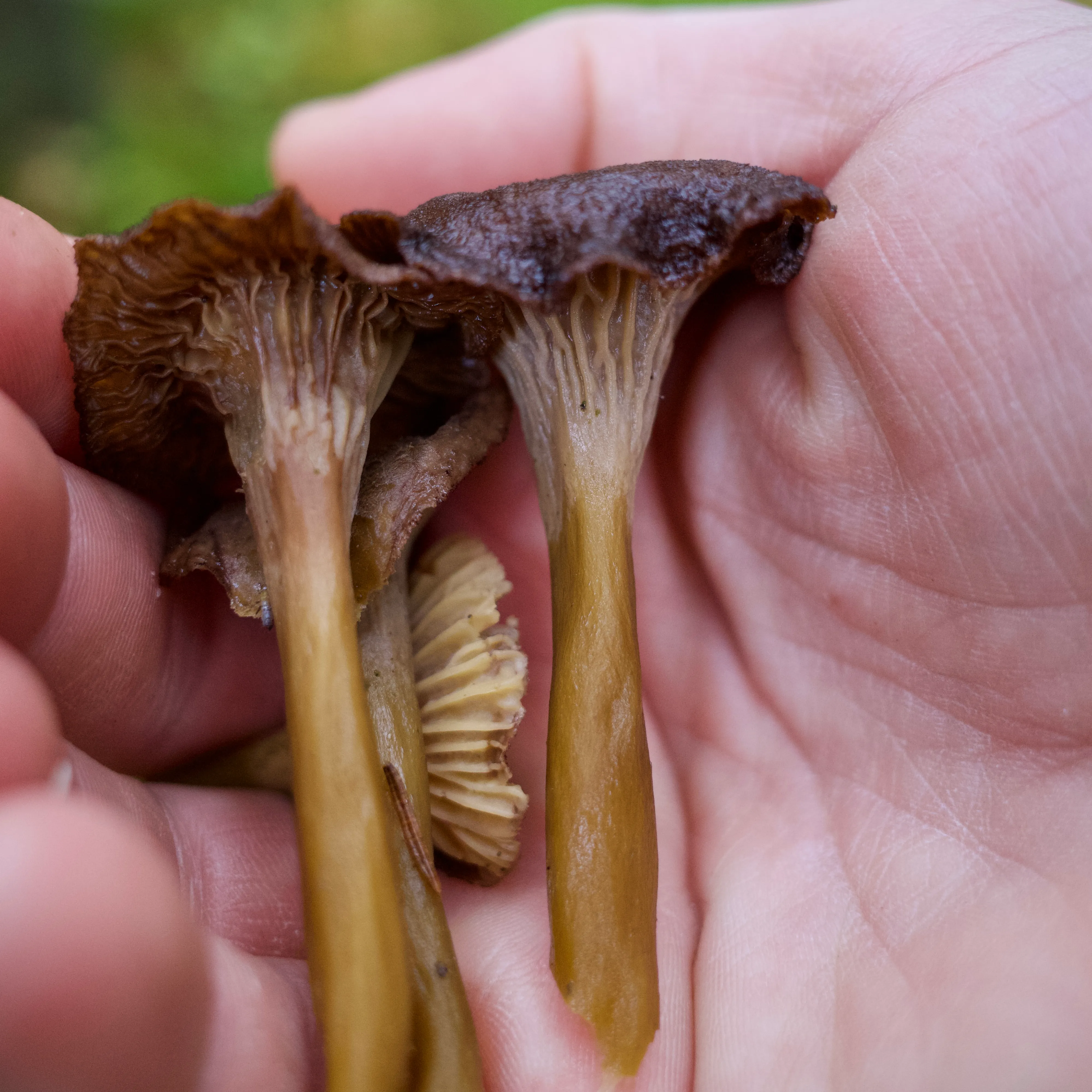
Photo: Gina Wigestrand
Where can I swim?
Fortunately, you can for the most part jump into the sea wherever you like, without having to think about the law. But the rules for swimming and staying on the beach are stricter than the rules for movement in the same area. Swimming must take place at a reasonable distance from inhabited houses and cabins. There is, incidentally, no prohibition against nude bathing, but the duty of care in the Outdoor Recreation Act says that you must not be a nuisance to others. So it is perhaps sensible to put on a swimming costume. Read more about swimming on the Norwegian Environment Agency’s website.
Where can I paddle, row and sail?
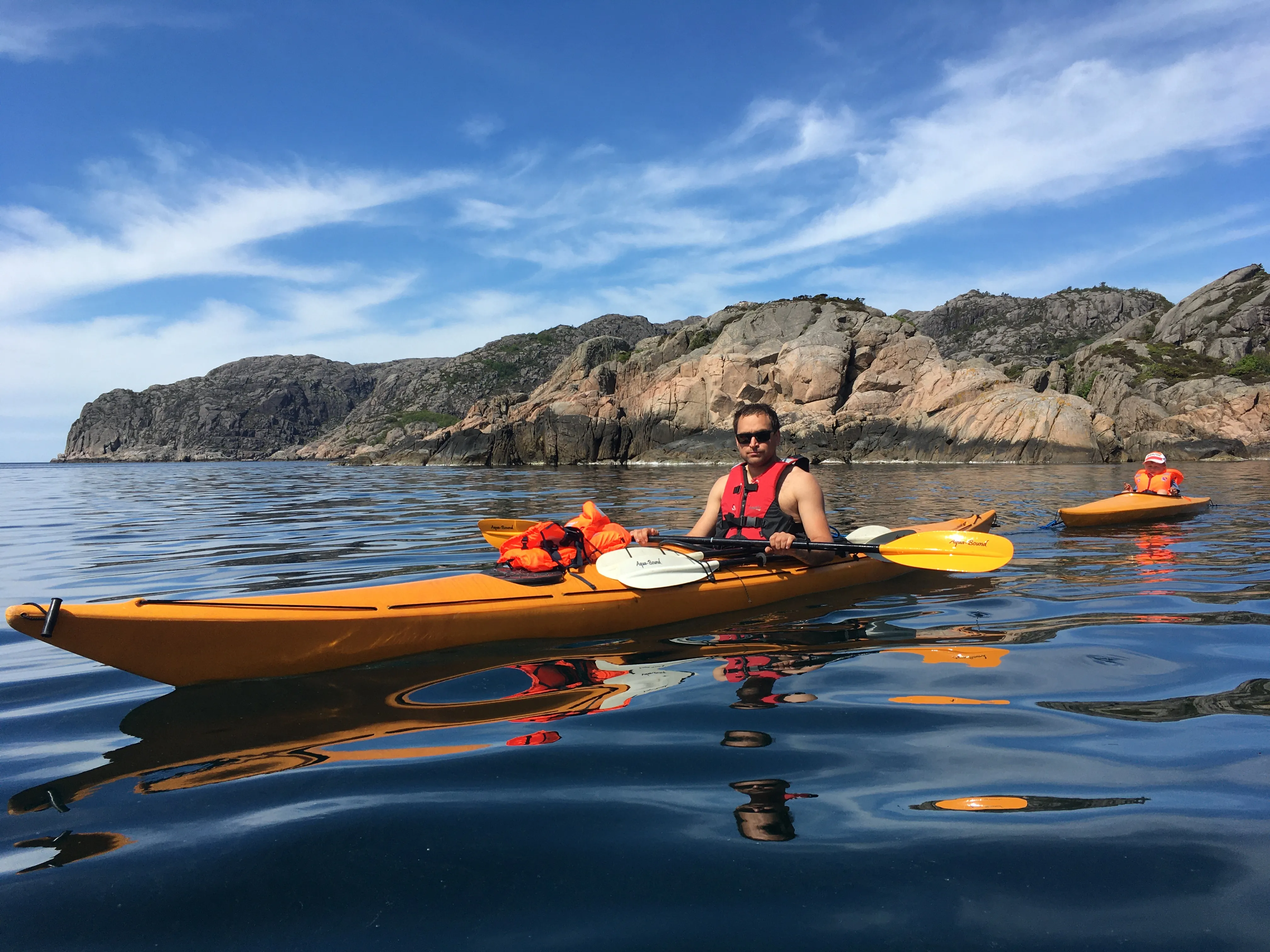
Photo: Gina Wigestrand
The right to roam says that you may paddle freely on the sea, on lakes and in rivers. For a shorter time, up to 24 hours, you may pull the boat up onto a stretch of shore in utmark, but you must make an arrangement with the landowner if you wish to keep the boat moored over time. Read more about access on water on the Norwegian Environment Agency’s website.
What are the rules for the dog-on-lead period?
In the period from 1 April to 20 August there is a general dog-on-lead period (båndtvang), and the dog must be kept on a lead. In some places there is an extended dog-on-lead period, so familiarise yourself with the local rules. When the dog-on-lead period does not apply, the dog may run free, but the owner must nevertheless have control over the dog. Read more about the dog-on-lead period on the Norwegian Environment Agency’s website.
Where can I ride?
If you and the horse are out on a trip, it is important that you keep to roads and paths in the forest. In the mountains, above the treeline, you are also allowed to ride off the paths. As a rider you must nevertheless show consideration when you ride in the open and make sure that the horse’s movement does not damage nature or the environment. Some municipalities, such as Oslo and Bergen, have stricter rules for riding. Read more about riding on the Norwegian Environment Agency’s website.
Photo: Gina Wigestrand
Text: Norsk Friluftsliv (2021), adapted by Gina Wigestrand, Snuitide (2022)
-
Sources
Friluftsloven (1957) Lov om friluftslivet (LOV-1957-06-28-16) Hentet fra https://lovdata.no/dokument/NL/lov/1957-06-28-16
Miljødirektoratet (2021) Friluftsliv og allemannsretten. Hentet fra https://www.miljodirektoratet.no/for-private/friluftsliv-og-allemannsretten/
Norsk Friluftsliv (2021) Hva er allemannsretten? Hentet fra https://norskfriluftsliv.no/hva-er-allemannsretten/
Reusch, M. (2018) Dette er allemannsretten. Hentet fra https://allemannsretten.no/2015/04/28/dette-er-allemannsretten/
Next steps
- The Outdoor Recreation Act — the hub
- Exercises on the right to roam — practice and discussion
- Access in protected areas — when other rules take over
- Sustainability and leave-no-trace travel — the duties that come with it
Learn more
- Lovdata — friluftsloven — the legal text itself
- Miljødirektoratet — allemannsretten — interpretation and guidance
- SNL — allemannsretten