Articles on hygiene on tur
External resources on hygiene on tur — from Friute.no on cleanliness and Rolv.no on bog moss as a natural hygiene product.
2 articles

Cleanliness matters wherever we are. Good hand hygiene prevents illness — and being clean is simply more comfortable. On tur the difference is that we often cannot turn on the tap with hot water and have to work a little harder for it. The result is the same.
In a group, hygiene becomes a shared matter: a couple of people who take it lightly can give the whole party an upset stomach by day three.
Never: pour water from a bucket by dipping a ladle — the first round with dirty hands contaminates the ladle, the second round with clean hands splashes the bacteria onward.
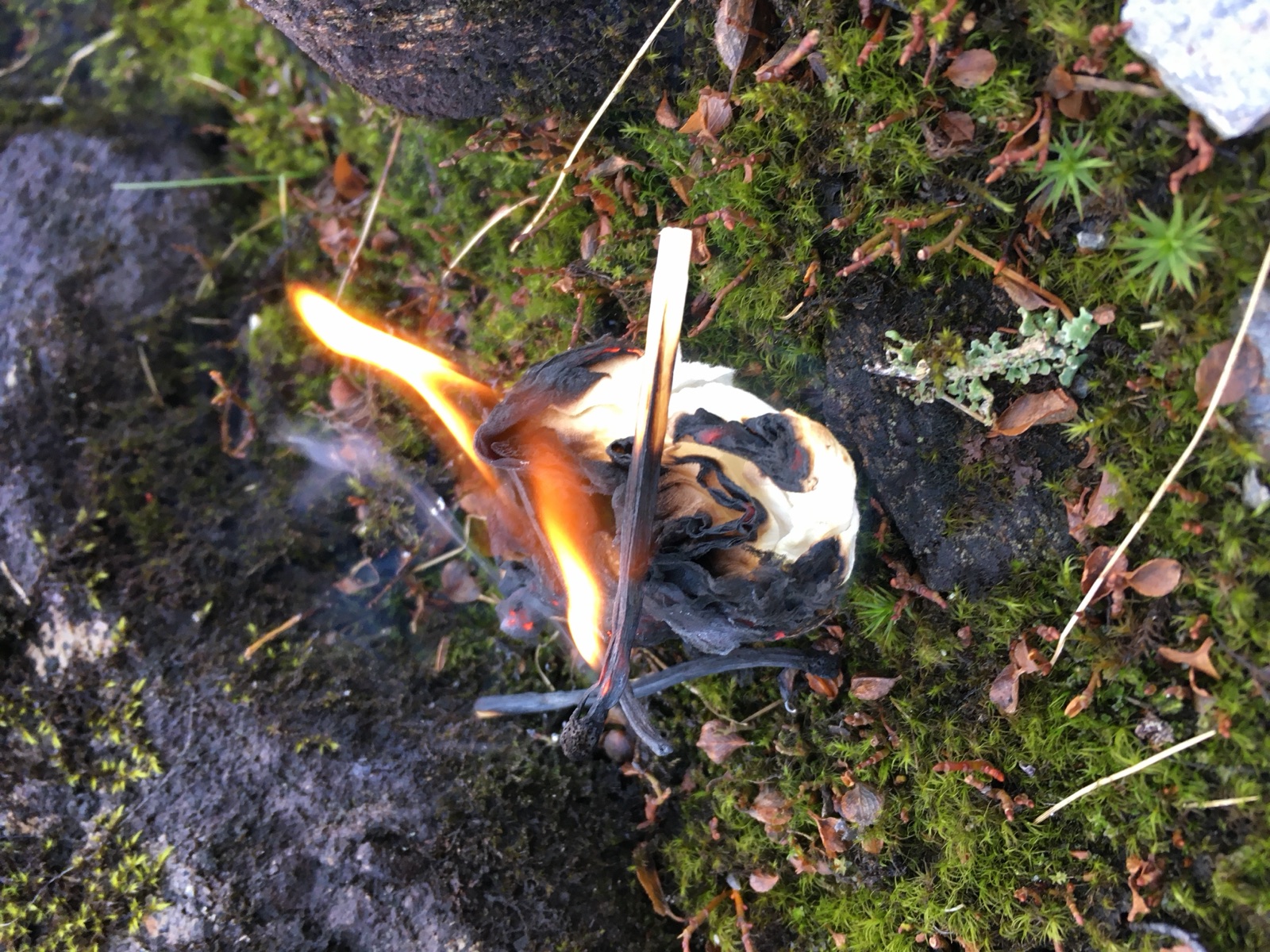
Bog moss (Sphagnum) has antibacterial and moisture-absorbing properties. Traditionally used as nappies, wound dressings, insulation — and as a drying/washing agent outdoors. Pick a large clump from a bog, squeeze out the excess water, and use it as a sponge/wipe.
It works for hands, face, intimate hygiene and as first aid on small wounds. The dry version is burned after use; the wet kind is put back in the bog (it breaks down and becomes peat).
In a group on tur, privacy is scarce. Ask for the tent to yourself for a moment, or a bedroom in the cabin without a bathroom. On trips lasting several days, a quick wash every other day is enough — it is not about being squeaky clean, but about preventing skin problems and odour.
Practical method:
On longer trips (over a week) or in cold weather, excessive washing is counterproductive. Skin oils and skin microbiota give a little extra protection against the cold, and excessive washing dries out the skin.
When you stay overnight in a group outdoors, establish a clean zone and a dirty zone. The details are covered in routines in camp — in short: the clean zone is upstream (higher in the terrain) of the water, the dirty zone is downstream. Water runs downhill, so all washing, dishwashing and the latrine are placed there.
Wash your hands after every toilet trip — always. Unless you are travelling completely alone, it is very easy to pass bacteria (typically gut bacteria that cause loose bowels) to others via shared water, food or equipment.
For groups on a multi-day camp: establish a shared latrine. With ten people over four days it gets ugly in the surrounding area if everyone chooses freely. Site the latrine:
The details of the method itself — digging, paper handling, how far from the path — you will find in the dedicated article:
How to go to the toilet outdoors →
Even on a day trip:
The pack size is a fist or smaller. It is not something you find you have with you, it is something you find you are without.
Practical and nothing exotic. The classic products (sanitary towels, tampons, menstrual cups) work. The menstrual cup is often the most practical on a long trip — reusable, no waste to carry, less pack volume.
For waste: all used items are taken home in a sealed, ideally opaque bag. Not buried (animals dig it up), not burned (for safety reasons and because many products contain plastic). Treat it like other human waste that cannot be composted.
On trips lasting over a week, or with a lot of wet weather, you may need to wash clothes — especially socks and underwear, which lose their insulating ability when soaked through with sweat.
Low-impact laundry:
For long trips or an expedition:
Text: Ola Njå Bertelsen, Snuitide (2020), revised 2026.
Key resources: Norsk Friluftsliv — sporløs ferdsel · NDLA — hvordan gå på toalett ute · Lundhags om torvmose (video)
Sources: Pettersen, M.N. (2020). Sove ute. Gyldendal. · Granum, P.E. (2012). Så farlig er det å spise ris og pasta som er lagret feil. Forskning.no.