Nature Areas
Forms of Protection in Norway
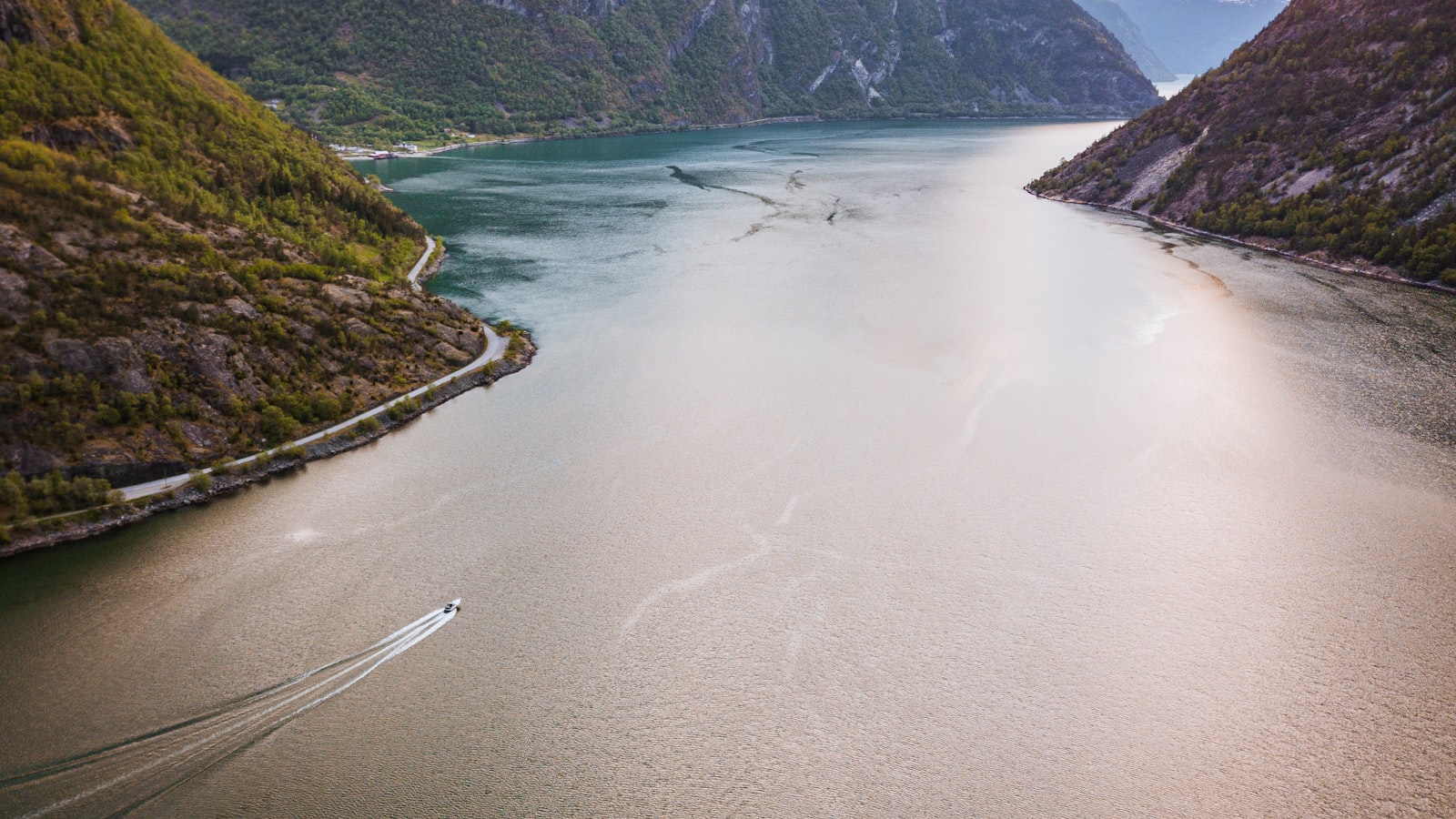
Norway has four main forms of protection — national park, landscape protection area, nature reserve and marine protected areas — plus habitat protection areas. How they differ, and the legal history in brief.
Nature can be protected for different purposes. The Nature Diversity Act (naturmangfoldloven, 2009) works with four main forms of area protection, plus a group of ‘other protection’ for specialised purposes.
National park
Large natural areas with distinctive or representative ecosystems — typically without major encroachment on nature. They are meant to ensure that the interplay in nature is not disturbed, and they are a central part of the work to prevent plants and animals from being wiped out.
Norway has 47 national parks covering around 17 % of the mainland area, plus several on Svalbard. Classics: Jotunheimen, Hardangervidda, Rondane, Dovrefjell-Sunndalsfjella, Nordkapp.
Overview of the national parks →
Landscape protection area
Natural or cultural landscapes of great ecological, cultural or experiential value. The landscape also includes cultural heritage features (kulturminner) that contribute to the landscape’s distinctive character.
This form of protection is often used to look after cultural landscapes in active use — grazing areas, old farm landscapes. Preserving the appearance of the landscape and the experience of the landscape is a central aim.
In some landscape protection areas, particular parts of the animal or plant life are also protected.
Nature reserve
The strictest form of protection. Areas with threatened, rare or vulnerable nature, which represent a particular habitat type, are of special importance for biological diversity, or have particular scientific value.
Many nature reserves have strict access restrictions. Some are closed to organised access (organisert ferdsel) all year or for part of it. Always check the sign or the regulations before you set out.
Marine protected areas
These protect marine conservation values — the seabed, the water column, the surface, or a combination. They can also protect land areas where the ecology depends on the state of the sea.
The criteria are the same as for nature reserves. Marine protected areas can also be established to conserve ecological functional areas for particular species.
Habitat protection areas (‘other protection’)
Many protected areas are established specifically to protect the habitat of particular animal species or plants. These are called habitat protection areas (biotopvernområder). Examples of functional areas that are protected:
- Spawning grounds and nursery areas for fish
- Migration and movement routes for birds and mammals
- Grazing areas for wild reindeer and other animals
- Denning areas for predators
- Moulting or fur-shedding areas
- Lekking or mating areas
- Breeding areas
If you come across a sign reading ‘breeding area’ or ‘spawning ground’ while out on a hike, it means the protection is tied to a specific biological function — often with access restrictions at a particular time of year.
Earlier legislation also used forms of protection such as ‘natural monument’ (naturminne) and species protection. When revised, these are adapted to today’s categories.
The legal history
- 1910 — Norway’s first nature preservation act
- 1954 — A new nature preservation act
- 1970 — The Nature Conservation Act (naturvernloven) (most older protection decisions)
- 2009 — The Nature Diversity Act (naturmangfoldloven) (the law in force today)
Next steps
If you are heading out on a tur in a protected area, check access in protected areas for the specific rules. For an overview of where in Norway you find different types of hiking terrain, see natural areas in Norway.
For rules on access in utmark (uncultivated open country) in general: the Outdoor Recreation Act and the right to roam.
Learn more
- The Norwegian Environment Agency — protected nature
- Norway’s national parks
- Lovdata — naturmangfoldloven
Text: Miljødirektoratet (2022), adapted by Snuitide.